
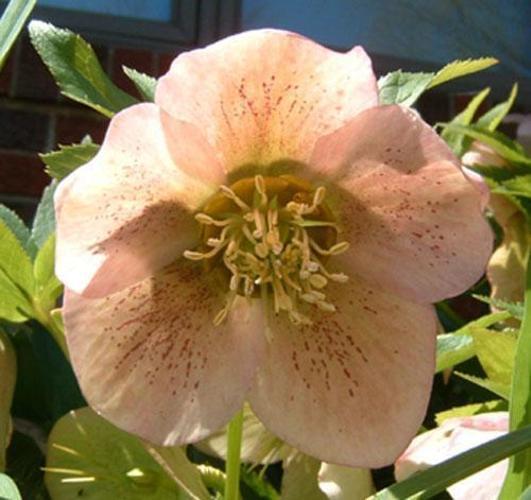
Lenten rose
Helleborus orientalis
Basic Details
Floral Formula & Features
Ebracteate (no bracts), radially symmetrical (actinomorphic), bisexual, 5 large petal-like sepals (persistent, colorful), 5-10 small tubular petals modified as nectaries, numerous free stamens, 3-10 free carpels (apocarpous) with superior ovaries. What appear as petals are actually sepals
- Name 'Lenten Rose' from blooming during Christian Lenten season (late winter/early spring). 'Helleborus' from Greek 'helein' (to kill) and 'bora' (food), referencing toxicity. H. niger called 'Christmas Rose' for winter blooming. Ancient Greeks used hellebore medicinally and as poison. Not related to true roses
- Flowers 2-3 inches (5-7.5 cm) across, cup to saucer-shaped, nodding or outward-facing. Five petal-like sepals (true petals are small nectaries) in white, cream, pink, rose, purple, plum, green, yellow, near-black, often with spots, veining, or picotee edges. Single or double forms. Blooms February-April, lasting 8-10 weeks
- Evergreen herbaceous perennial forming clumps of leathery, palmate leaves divided into 7-9 leaflets. Leaves persist through winter. Slow to establish (2-3 years) but long-lived once settled. Resents disturbance. Self-seeds readily, creating colonies over time
- Grows 12-24 inches (30-60 cm) tall with 18-24 inch (45-60 cm) spread. Flower stems rise above foliage. Lifespan of 10-25+ years, improving with age. Propagated from seed (slow, 2-3 years to bloom, variable) or division (difficult, best done in fall). Hybrids don't come true from seed
- H. orientalis native to Greece, Turkey, and Caucasus mountains. H. niger from European Alps. Found in mountain woodlands, forest edges, and rocky slopes at elevations to 6,000 feet. Now widely cultivated in temperate gardens worldwide. Numerous hybrids developed
- Prefers partial to full shade, tolerates morning sun in cool climates. Requires consistently moist, well-drained, humus-rich, neutral to alkaline soil (pH 7.0-8.0). Drought tolerant once established. Dislikes wet winter soil. Very cold hardy (zones 4-9). Remove old leaves in late winter before flowering
- Excellent for shade and woodland gardens, providing late winter/early spring color. Long-lasting cut flower (sear stem ends). Deer and rabbit resistant. All parts highly toxic if ingested (cardiac glycosides, saponins). Sap causes skin irritation. Used historically in medicine (dangerous). Symbolizes scandal, anxiety relief, and protection from evil
Names in Different Languages
What is Floral Formula?
A floral formula is a symbolic representation of a flower's structure using letters, numbers, and special symbols. It provides a concise way to describe the arrangement and number of floral parts.
This formula describes the flower's symmetry, sepals, petals, stamens, and carpels in a standardized format.
Formula Sequence
- Bract: Br or Ebr
- Bracteole: Brl or Ebrl
- Symmetry: % (Radial) or ⊕ (Bilateral)
- Sex: ♀ (Female), ♂ (Male), or ⚥ (Bisexual)
- Calyx/Sepal: K<number> (Free or Fused)
- Corolla/Petal: C<number> (Free or Fused)
- Androecium: A<number> (Free or Fused)
- Gynaecium: G<number> (Superior or Inferior Ovary)
Symbol Meanings
- Numbers: Indicate quantity of parts
- Parentheses (): Parts are fused together
- Plus (+): Parts in different whorls
- Underline: Superior ovary position
- Overline: Inferior ovary position
- ∞: Numerous parts (too many to count)
Understanding floral formulas helps botanists quickly identify and classify flowers based on their structural characteristics.
Similar Flowers
Discover flowers that share botanical characteristics
Same Family
4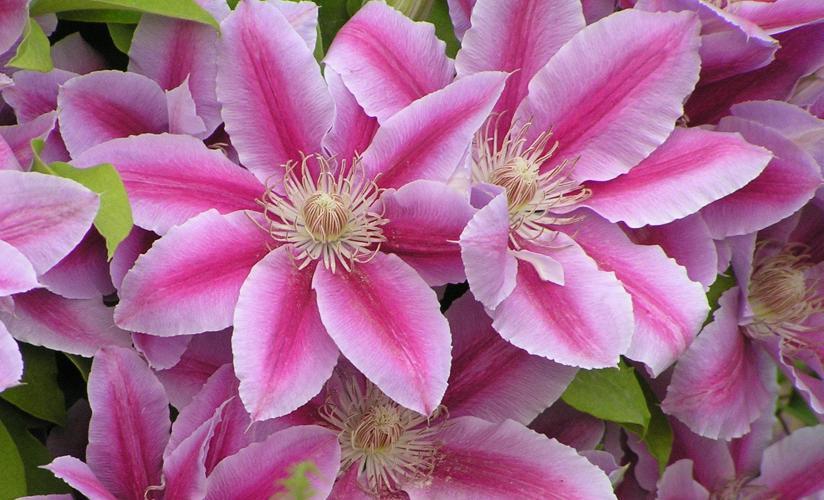
Clematis
Clematis
Spectacular flowering vine featuring large, showy blooms in star or bell shapes ...
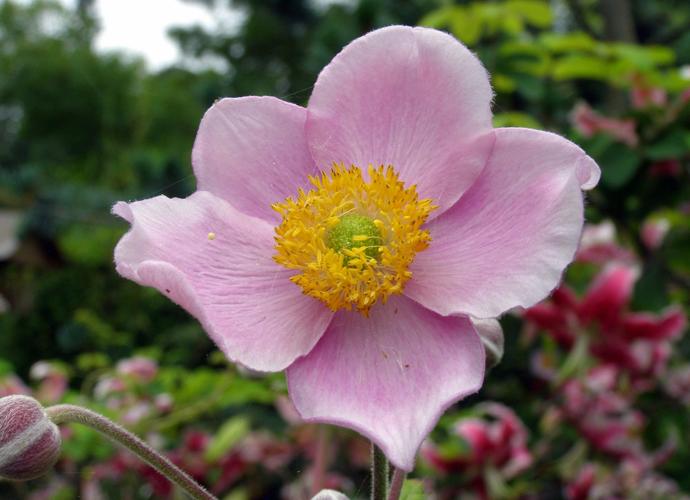
Japanese anemone
Anemone hupehensis, Anemone hybrida
Elegant late-season perennial featuring graceful, saucer-shaped flowers on tall,...
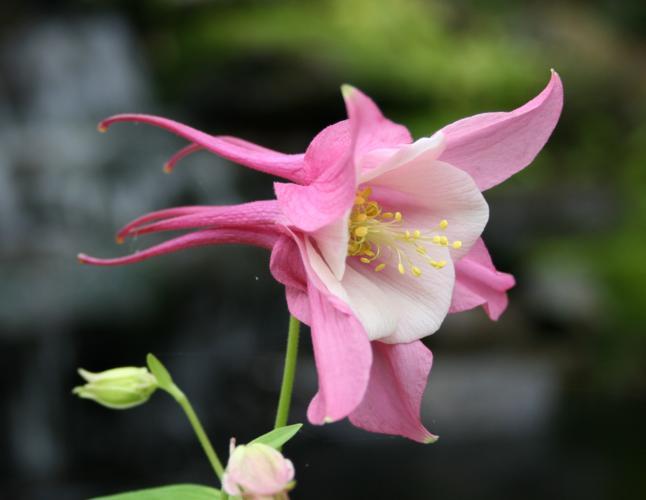
Columbine
Aquilegia
Graceful woodland perennial featuring unique nodding flowers with five petal-lik...
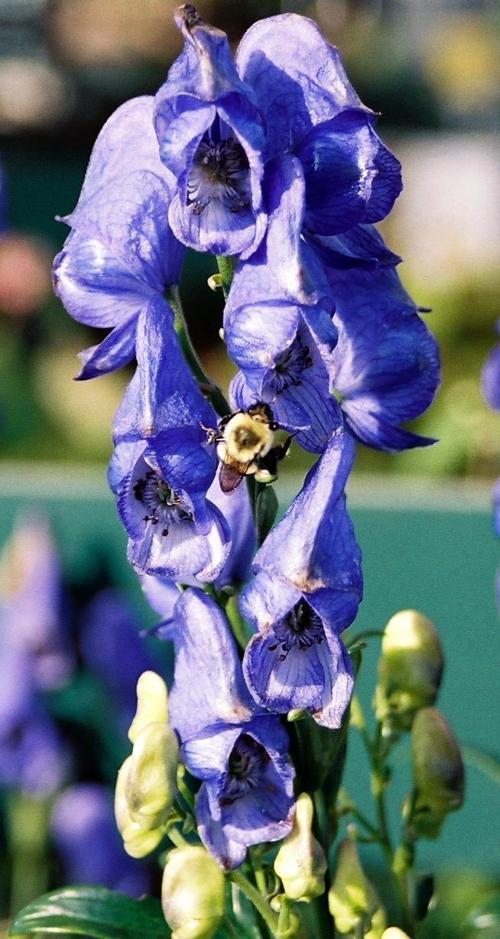
Monkshood
Aconitum napellus
Strikingly beautiful but DEADLY POISONOUS perennial with distinctive helmet or h...
Similar Characteristics
4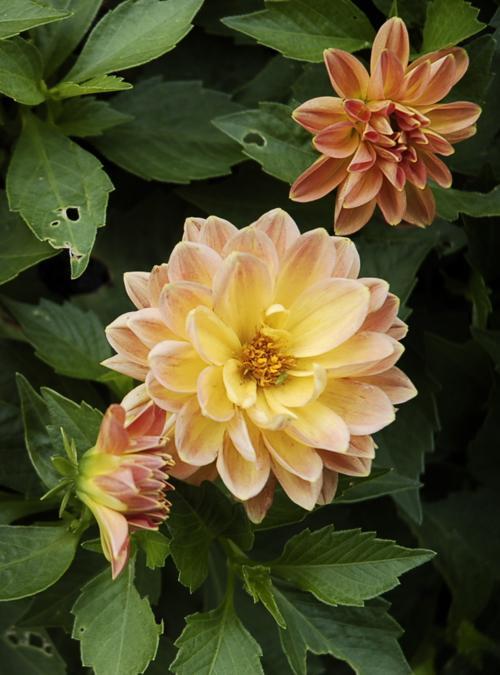
Pink Dahlia
Dahlia
Stunning tuberous perennial with layered pink blooms ranging from soft blush to ...
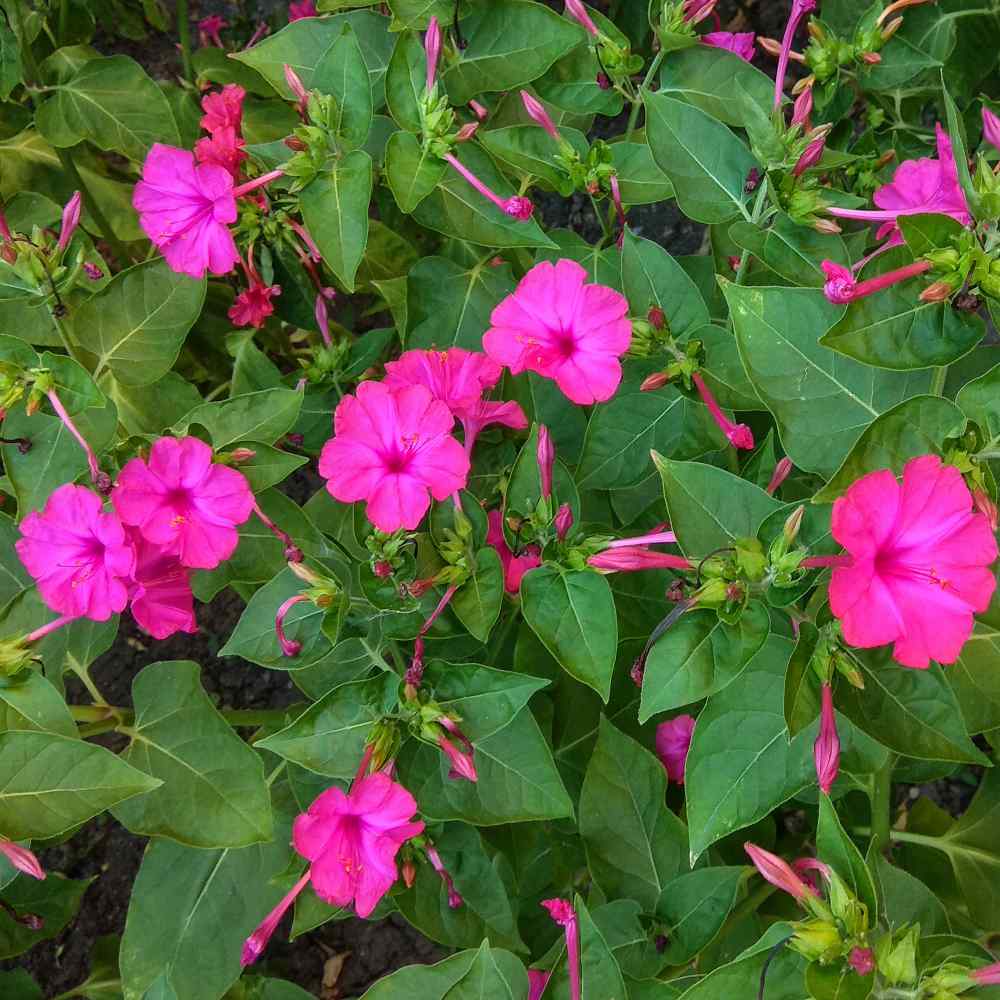
Four o'clock
Mirabilis jalapa
Charming bushy perennial named for flowers that open in late afternoon (typicall...
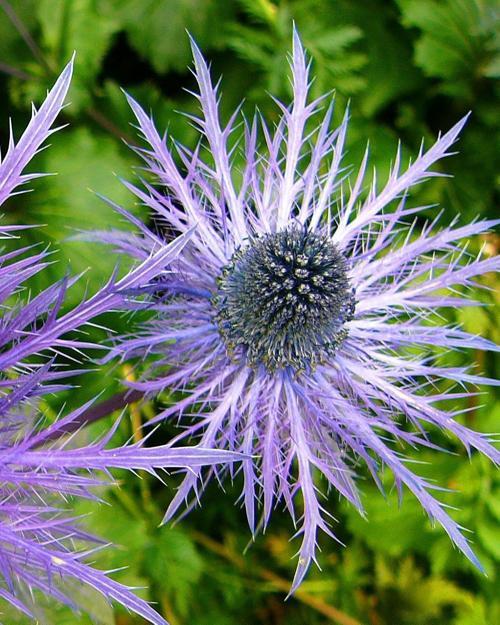
Alpine Sea Holly
Eryngium alpinum
Striking thistle-like perennial with steel-blue to purple flower heads surrounde...
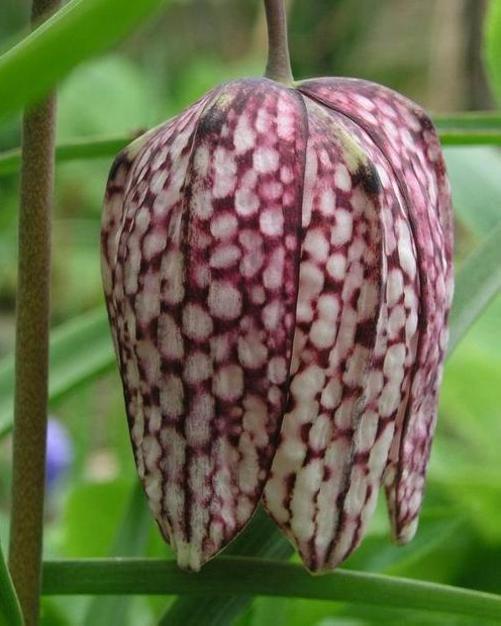
Fritillaria
Fritillaria
Elegant spring bulb featuring distinctive nodding, bell-shaped flowers, many wit...