
Is Peony Safe for Dogs and Cats?
Paeonia spp.
Peonies (Paeonia spp.) are highly popular, lush flowering perennials cherished for their huge, ruffled blooms in spring.
Scan & Verify This Plant Specimen
Snap or upload a photo to verify botanical authenticity and test toxicity for cats, dogs, and birds.
Drop Peony photo here to verify
or click to browse • Supports JPG, PNG, WEBP • Paste with Ctrl+V
Symptoms to Watch For
Current risk level for cats based on ingestion severity.
Information provided by BioLens Veterinary Database. In case of emergency, always consult a professional.
If your pet ate this plant:
Professional First Aid Summary:
Remove any peony plant material from the mouth. Rinse the mouth with cool water. Monitor hydration; if vomiting or diarrhea persists beyond 12 hours, or if the cat is highly lethargic, consult a veterinarian immediately.
In-Depth Botanical Safety Analysis
Scientific evaluation and toxicological breakdown of Peony
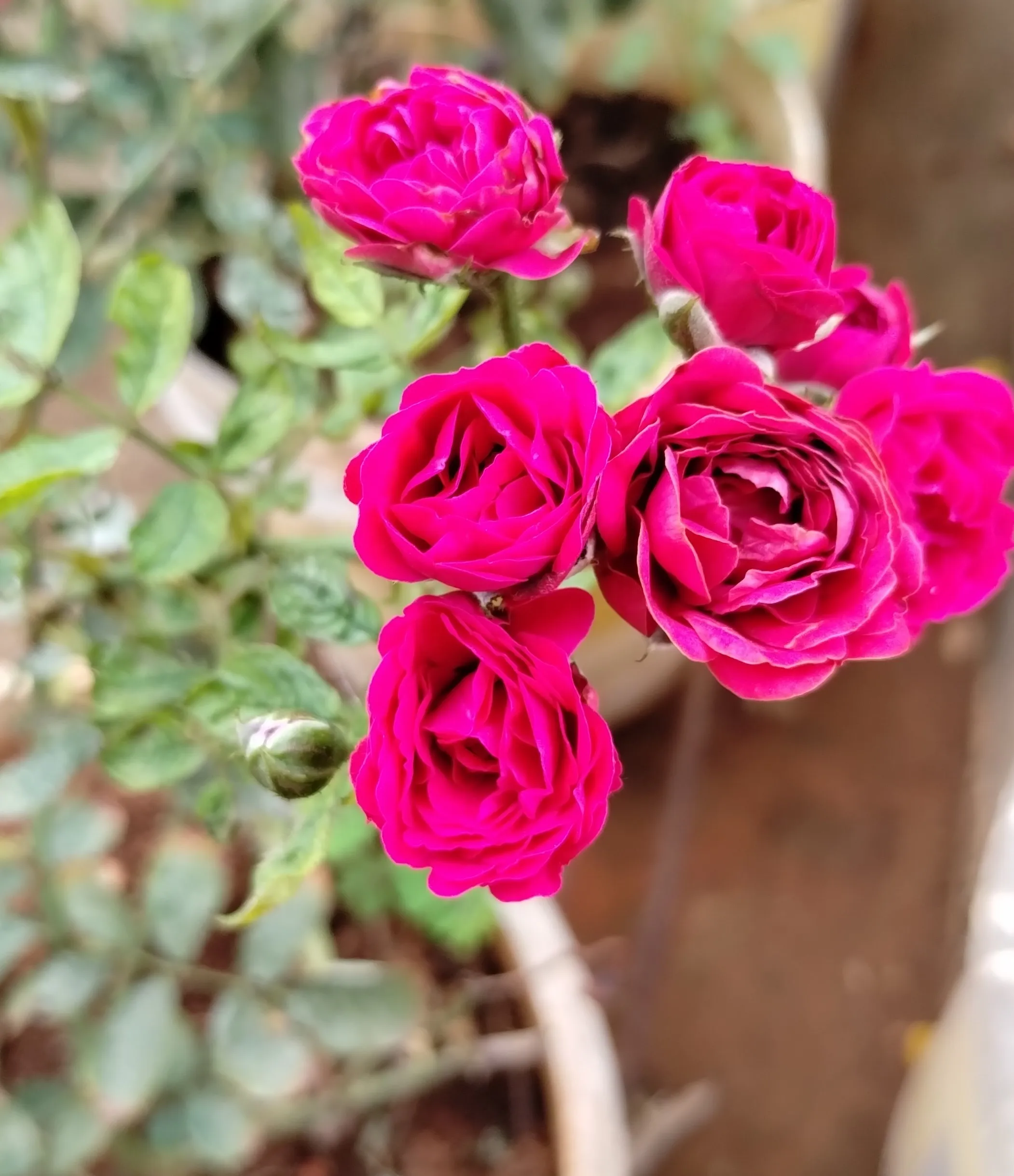
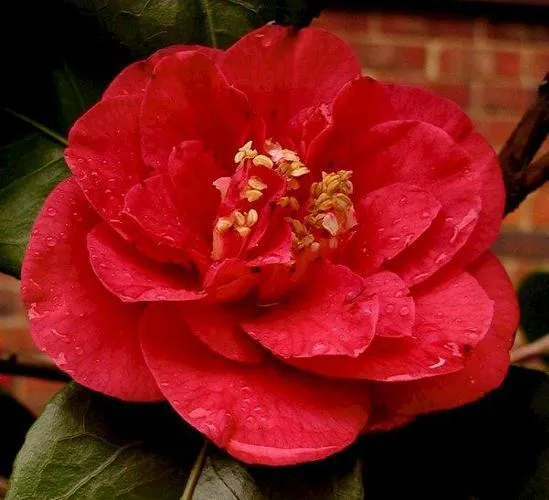
Peonies (Paeonia spp.) are highly popular, lush flowering perennials cherished for their huge, ruffled blooms in spring. However, they are chemically toxic to both dogs and cats. Peonies contain the active toxin paeonol (a phenolic compound) throughout their leaves, stems, flowers, and roots. Ingestion of any part of this plant can trigger moderate gastrointestinal upset, including vomiting, diarrhea, lethargy, and loss of appetite. If you suspect your pet has consumed peonies, rinse their mouth with cool water and monitor their symptoms closely. For safe, pet-friendly cottage gardens, choose non-toxic alternatives such as the Garden Rose or Camellias.
To explore detailed identification markers, growth requirements, and gardening tips, visit our comprehensive Botanical Profile for Peony.
Toxic Parts
Recommended Pet-Safe Alternatives
Global Names & Multilingual Search
Specific Safety FAQs for Peony
Are peony petals toxic to cats or dogs?
Yes, peony petals contain paeonol, a phenolic compound, and are moderately toxic. Ingesting any part of the flower can lead to vomiting, diarrhea, and lethargy in pets.
What should I do if my pet chews on peony roots?
Peony roots contain higher concentrations of paeonol. Remove remaining root pieces, rinse your pet's mouth with cool water, and contact your veterinarian immediately for guidance.
Are there safe alternatives to peonies for a pet-safe garden?
Yes, you can plant Garden Roses (Rosa spp.) or Camellias, which are completely non-toxic and offer a similarly lush, double-petaled aesthetic.
20 Dangerous Garden Plants: Cat Toxicity & Safety Guide
Felines are highly sensitive to houseplants and flowers. Learn which 20 common species cause severe or fatal reactions in cats, including lilies, and discover safe, cat-friendly garden alternatives.