
Is Hydrangea Safe for Dogs and Cats?
Hydrangea spp.
Hydrangeas (Hydrangea macrophylla) are moderately toxic to both cats and dogs.
Scan & Verify This Plant Specimen
Snap or upload a photo to verify botanical authenticity and test toxicity for cats, dogs, and birds.
Drop Hydrangea photo here to verify
or click to browse • Supports JPG, PNG, WEBP • Paste with Ctrl+V
Symptoms to Watch For
Current risk level for cats based on ingestion severity.
Information provided by BioLens Veterinary Database. In case of emergency, always consult a professional.
If your pet ate this plant:
Professional First Aid Summary:
Monitor for breathing issues. Contact vet if ingestion was significant.
In-Depth Botanical Safety Analysis
Scientific evaluation and toxicological breakdown of Hydrangea
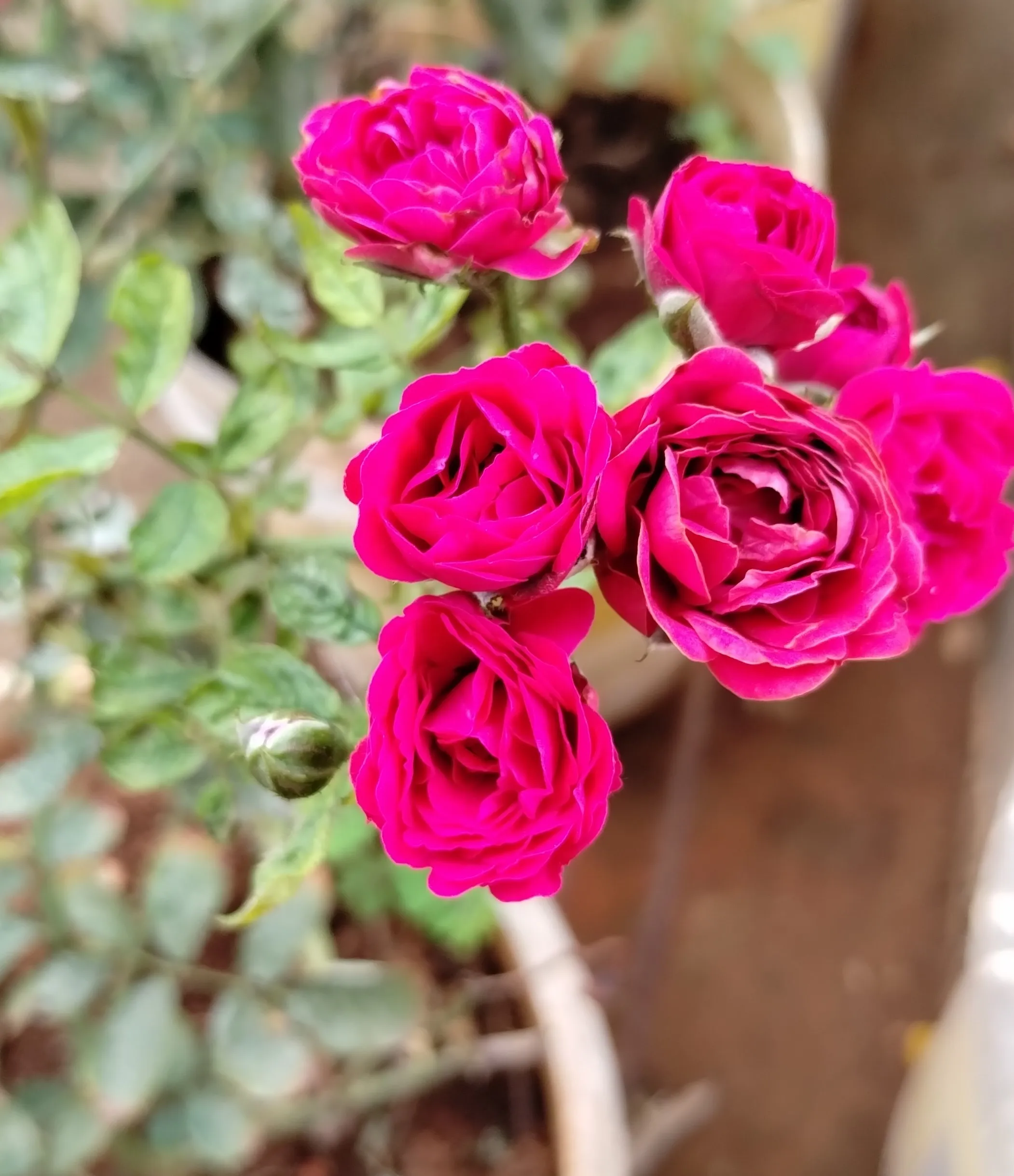
Hydrangeas (Hydrangea macrophylla) are moderately toxic to both cats and dogs. According to data from the ASPCA and the AVMA, the leaves, buds, and flowers of the hydrangea plant contain a chemical compound called hydrangein, which is a cyanogenic glycoside. When digested, cyanogenic glycosides release small amounts of hydrogen cyanide, a toxic gas that prevents cells from using oxygen. Fortunately, pets rarely eat enough hydrangea to cause severe cyanide poisoning, as the plant has a bitter taste. However, eating the leaves or buds triggers immediate gastrointestinal distress, including vomiting, diarrhea (often bloody), loss of appetite, and abdominal pain. In moderate cases, pets also show signs of lethargy, weakness, and depression. If you suspect your pet has eaten a large amount of hydrangea foliage, contact your veterinarian. To study its detailed botanical structure, see our Botanical Profile for Hydrangea. For safe, showy garden alternatives, consider planting Snapdragon or Roses. Hydrangeas are very common in residential landscaping due to their large, colorful flower heads, but they must be positioned carefully in pet-owning yards. The hydrangein toxin is present throughout the entire plant, with higher concentrations in the young buds and leaves. If a pet chews on the plant, the mechanical breakdown releases cyanide precursors, leading to nausea and abdominal pain. Veterinary treatment is generally supportive, involving fluids to maintain hydration and gastrointestinal protectants. To ensure a safe garden, plant hydrangeas behind fences or choose safe alternatives like Snapdragons.
Toxic Parts
Recommended Pet-Safe Alternatives
Global Names & Multilingual Search
Specific Safety FAQs for Hydrangea
Is Hydrangea toxic to cats?
Yes, Hydrangeas are moderately toxic to cats. Ingestion of the leaves or buds causes vomiting, diarrhea, and lethargy.
Is Hydrangea toxic to dogs?
Yes, Hydrangeas are moderately toxic to dogs. The cyanogenic glycosides can lead to stomach upset and weakness.
Does Hydrangea contain cyanide?
Yes, the plant contains hydrangein, a cyanogenic glycoside that releases cyanide when digested, though severe poisoning is rare.
What are the symptoms of Hydrangea poisoning?
Look for vomiting, diarrhea (sometimes with blood), loss of appetite, abdominal pain, and lethargy.
What is a safe alternative to Hydrangea?
Roses and Snapdragons are excellent, non-toxic alternatives that offer beautiful, pet-safe garden blooms.
20 Dangerous Garden Plants: Cat Toxicity & Safety Guide
Felines are highly sensitive to houseplants and flowers. Learn which 20 common species cause severe or fatal reactions in cats, including lilies, and discover safe, cat-friendly garden alternatives.