
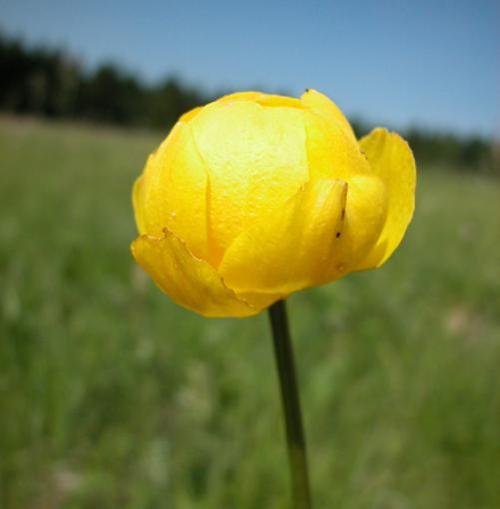
Globe flower
Trollius
Basic Details
Floral Formula & Features
Ebracteate (no bracts), radially symmetrical (actinomorphic), bisexual, 5-15 petal-like sepals (showy), 5-15 small petals modified into nectaries (hidden inside globe), numerous stamens, 5-15 free carpels with superior ovaries
- Name 'Trollius' possibly from German 'Trollblume' (troll flower) or Latin 'trulleus' (round basin) for globe shape. 'Globe Flower' describes distinctive spherical blooms. Found in cool temperate regions of Northern Hemisphere. About 30 Trollius species. Popular in European cottage gardens since medieval times
- Flowers 1-2 inches (2.5-5 cm) across, perfectly globe-shaped with 5-15 petal-like sepals curving inward. Colors include bright yellow, golden yellow, orange, and pale cream. True petals small, hidden inside globe (modified into nectaries). Blooms spring to early summer (April-June). Single flowers on tall stems above foliage
- Herbaceous perennial that blooms in spring, goes dormant in heat. Prefers cool, moist conditions. Long-lived (10-20+ years). Clump-forming with attractive, deeply divided foliage. Flowers close at night and in cloudy weather. Thrives where summers are cool and moist
- Grows 1-3 feet (30-90 cm) tall, varies by species. Clumps spread 12-18 inches. Lifespan of 10-20+ years with proper conditions. Propagated from seed (slow, 2-3 years to bloom, needs cold stratification), division (best method, divide in early spring or fall)
- Native to cool temperate regions of Europe, Asia, and North America. Found in wet meadows, marshes, stream banks, and mountain areas. T. europaeus from Europe; T. asiaticus from Asia; T. laxus from eastern North America. Prefers cool, moist climates
- Requires partial shade to full sun (in cool climates). Essential: consistently moist to wet soil—never let dry out. Thrives in boggy conditions, pond edges, wet meadows. Prefers cool summers. Struggles in heat and drought. Rich, humus-rich soil ideal. Hardy zones 3-7
- Excellent for bog gardens, pond margins, wet meadows, and shady, moist borders. Attracts bees and beneficial insects. Deer resistant. Long-lived and low-maintenance in suitable conditions. Good cut flower. Ideal for cool, wet areas where many flowers fail. Symbolizes energy and vitality. Rare in wild in some regions
Names in Different Languages
What is Floral Formula?
A floral formula is a symbolic representation of a flower's structure using letters, numbers, and special symbols. It provides a concise way to describe the arrangement and number of floral parts.
This formula describes the flower's symmetry, sepals, petals, stamens, and carpels in a standardized format.
Formula Sequence
- Bract: Br or Ebr
- Bracteole: Brl or Ebrl
- Symmetry: % (Radial) or ⊕ (Bilateral)
- Sex: ♀ (Female), ♂ (Male), or ⚥ (Bisexual)
- Calyx/Sepal: K<number> (Free or Fused)
- Corolla/Petal: C<number> (Free or Fused)
- Androecium: A<number> (Free or Fused)
- Gynaecium: G<number> (Superior or Inferior Ovary)
Symbol Meanings
- Numbers: Indicate quantity of parts
- Parentheses (): Parts are fused together
- Plus (+): Parts in different whorls
- Underline: Superior ovary position
- Overline: Inferior ovary position
- ∞: Numerous parts (too many to count)
Understanding floral formulas helps botanists quickly identify and classify flowers based on their structural characteristics.
Similar Flowers
Discover flowers that share botanical characteristics
Same Family
4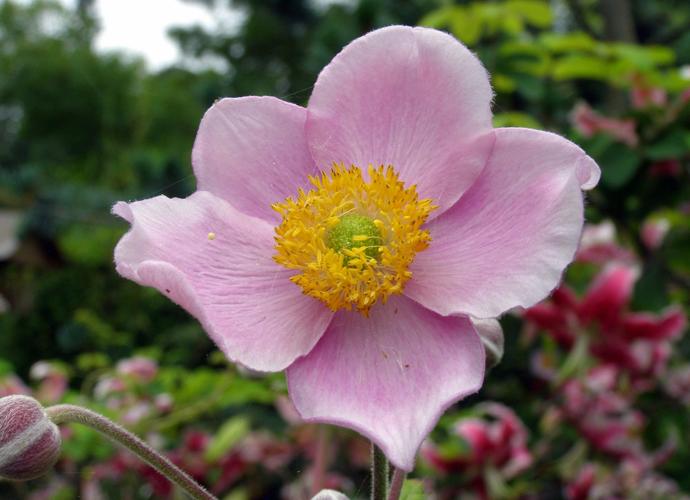
Japanese anemone
Anemone hupehensis, Anemone hybrida
Elegant late-season perennial featuring graceful, saucer-shaped flowers on tall,...
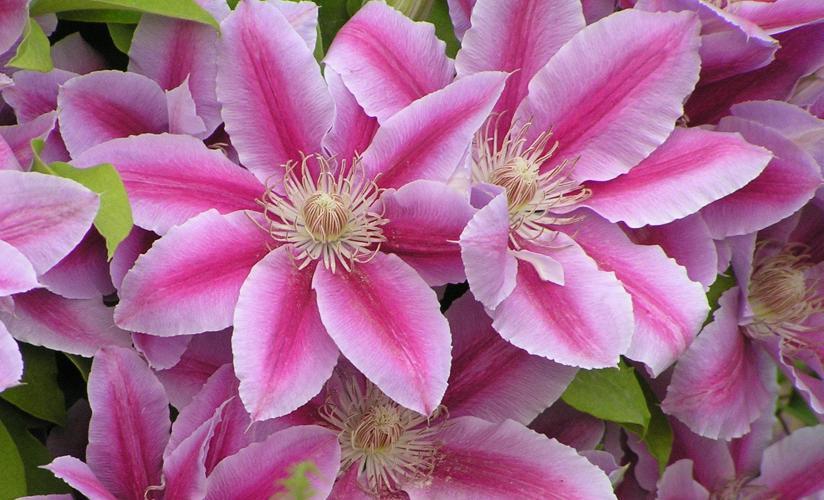
Clematis
Clematis
Spectacular flowering vine featuring large, showy blooms in star or bell shapes ...
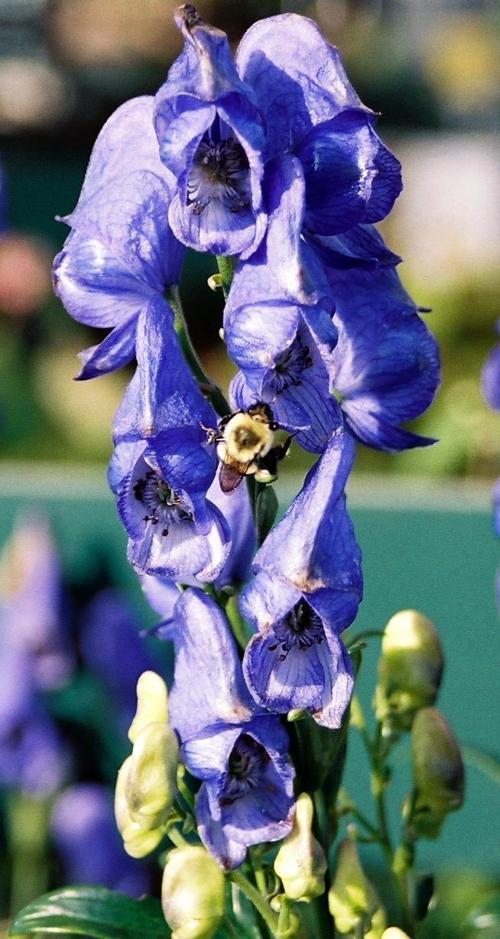
Monkshood
Aconitum napellus
Strikingly beautiful but DEADLY POISONOUS perennial with distinctive helmet or h...
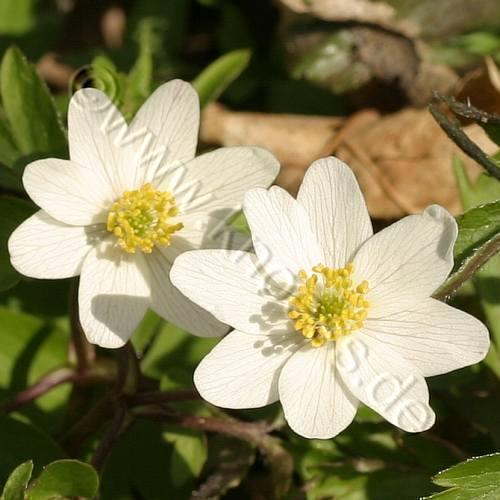
Windflower
Anemone
Graceful perennial named for delicate blooms that dance and sway in slightest br...
Similar Characteristics
4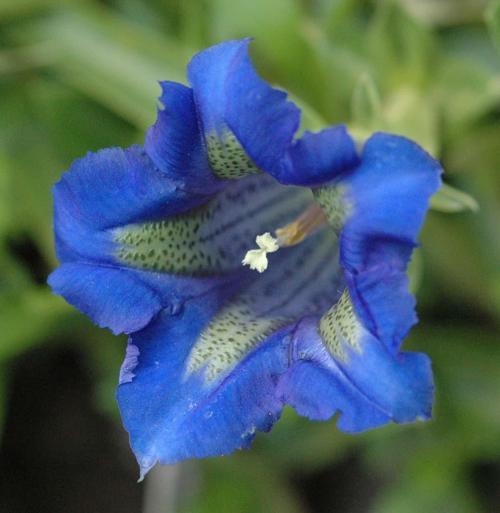
Stemless Gentian
Gentiana acaulis
Stunning alpine flower with large deep blue trumpet-shaped blooms sitting direct...
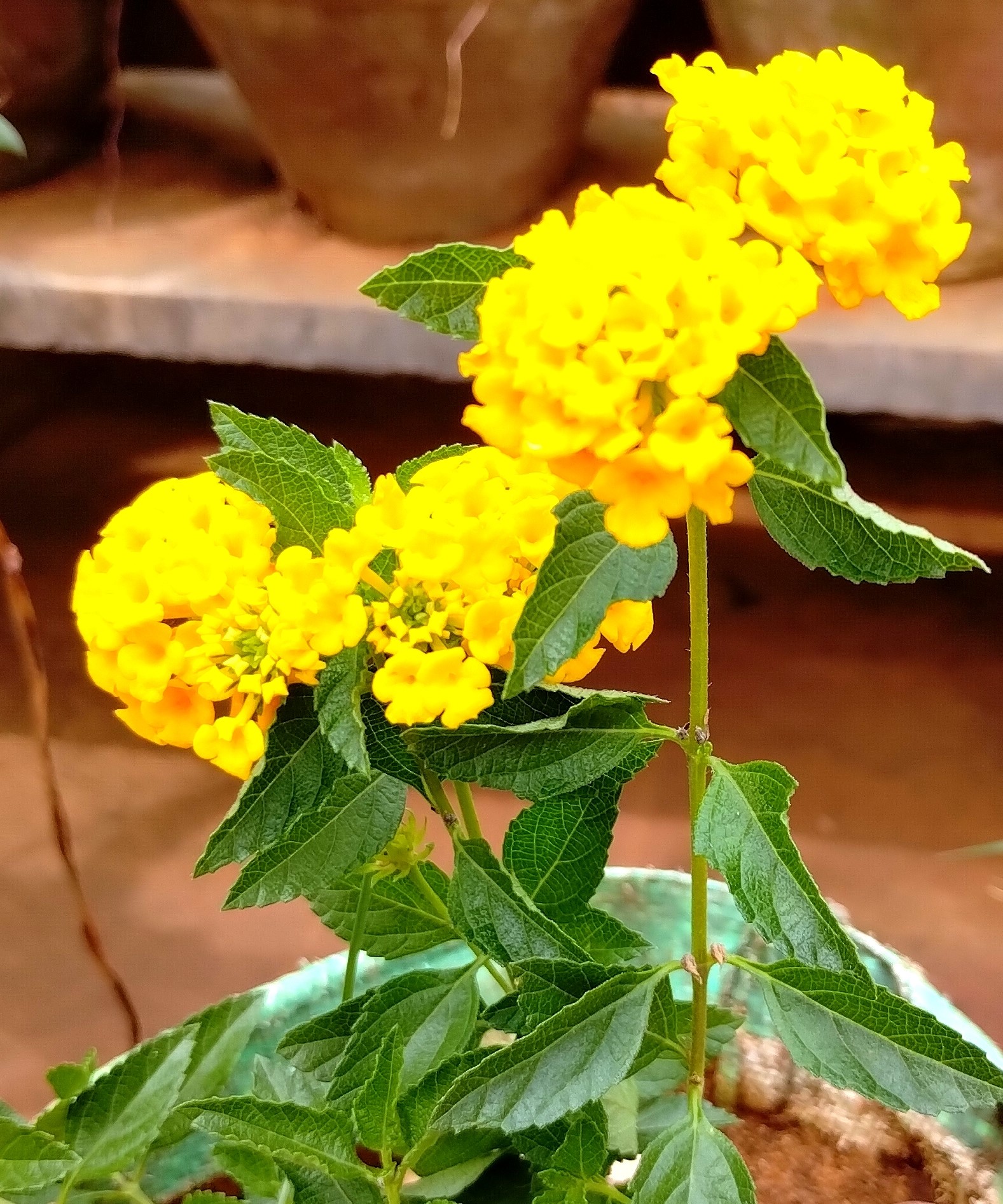
Lantana Camara
Lantana camara
Vigorous tropical shrub renowned for its dense, rounded clusters of tiny tubular...
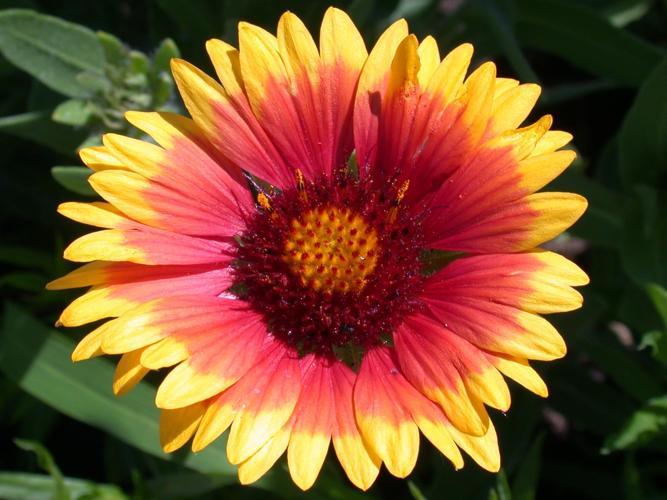
Gaillardia
Gaillardia
Cheerful, sun-loving perennial or annual featuring vibrant daisy-like flowers in...
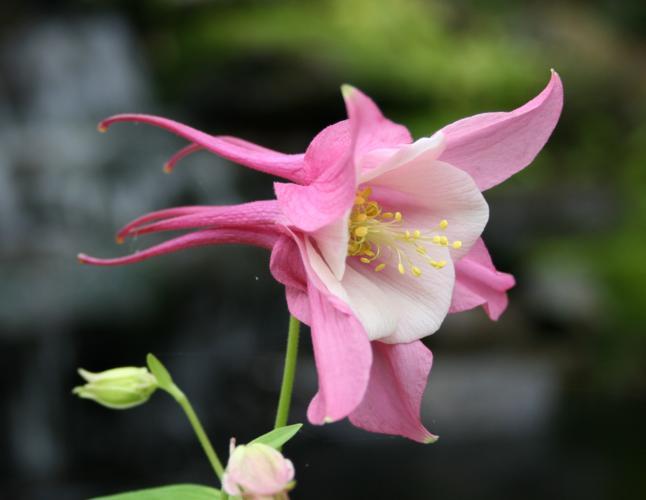
Columbine
Aquilegia
Graceful woodland perennial featuring unique nodding flowers with five petal-lik...