
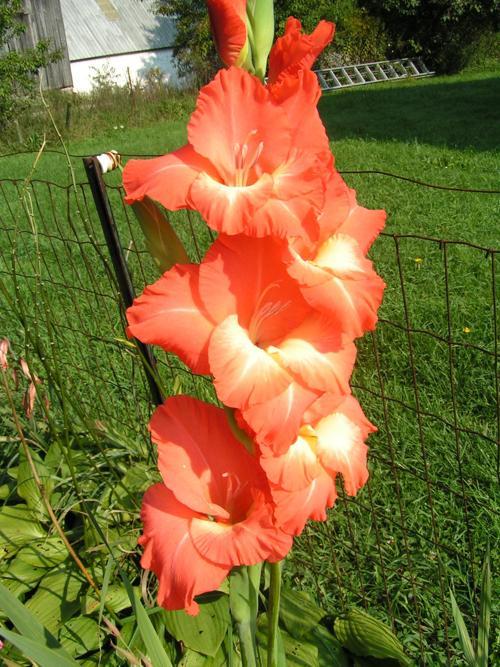
Gladiolus
Gladiolus
Basic Details
Floral Formula & Features
Ebracteate (no bracts), bilaterally symmetrical (zygomorphic), bisexual, 6 tepals in 2 whorls of 3 (perianth, no distinction between sepals and petals), 3 stamens, 3 fused carpels with inferior ovary
- Name 'Gladiolus' from Latin 'gladius' (sword) for sword-shaped leaves. Romans called it 'sword lily.' 'Glad' common nickname. Associated with gladiators who wore gladiolus corms as amulets. August birth flower. Symbolizes strength, moral integrity, infatuation, and remembrance. About 300 species, mostly South African
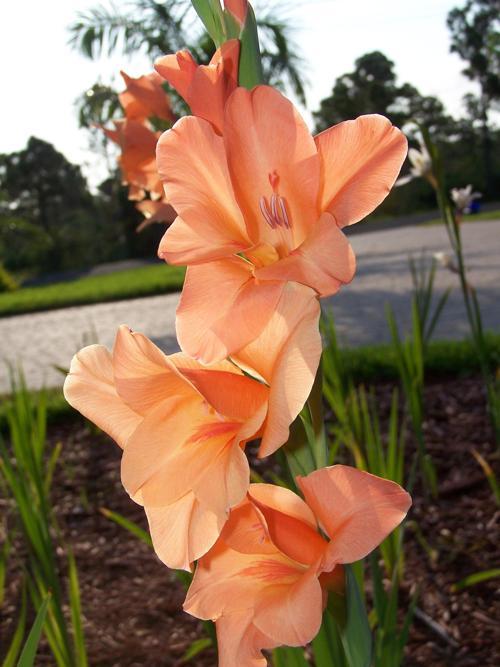
- Flowers 3-5 inches (7.5-12 cm) across, funnel-shaped with 6 tepals, arranged in tall one-sided spikes. Blooms open sequentially from bottom up over 7-14 days. Colors include white, cream, yellow, orange, salmon, pink, red, lavender, purple, green, brown, and striking bicolors. Petals often ruffled, fringed, or with contrasting throats
- Cormous perennial (corm, not true bulb). Blooms summer (June-September depending on planting time). Flowers last 7-10 days on plant, 7-14 days as cut flower. Spikes grow 2-6 feet tall with 12-20+ buds. Plant dies back after blooming; corms multiply. Tender in cold climates—lift and store
- Grows 2-6 feet (60-180 cm) tall, dwarf varieties 1-2 feet. Spikes 12-18 inches long. Corm lifespan 3-5+ years. Propagated from cormels (baby corms), division, or seed (3-4 years to bloom). Plant corms 4-6 inches deep in spring for summer bloom
- Native to South Africa (Cape region), Mediterranean, tropical Africa. Most garden varieties from South African species. Found in grasslands, savannas, and fynbos. Now cultivated worldwide. Over 10,000 named cultivars developed through hybridization
- Requires full sun (6-8 hours). Needs well-drained, fertile soil. Water regularly during growth and bloom. Stake tall varieties to prevent toppling. Deadhead spent blooms. In cold climates (zones 7 and below), lift corms after frost, cure, and store indoors. Zones 8-11 can overwinter outdoors
- Premier cut flower—lasts 7-14 days in vase. Cut when first 2-3 blooms open. Excellent for formal gardens, borders, and cutting gardens. Attracts hummingbirds and butterflies. Deer resistant. Traditional funeral and memorial flower. Used in floral competitions. Symbolizes strength and moral character. Easy to grow for dramatic summer color
Names in Different Languages
What is Floral Formula?
A floral formula is a symbolic representation of a flower's structure using letters, numbers, and special symbols. It provides a concise way to describe the arrangement and number of floral parts.
This formula describes the flower's symmetry, sepals, petals, stamens, and carpels in a standardized format.
Formula Sequence
- Bract: Br or Ebr
- Bracteole: Brl or Ebrl
- Symmetry: % (Radial) or ⊕ (Bilateral)
- Sex: ♀ (Female), ♂ (Male), or ⚥ (Bisexual)
- Calyx/Sepal: K<number> (Free or Fused)
- Corolla/Petal: C<number> (Free or Fused)
- Androecium: A<number> (Free or Fused)
- Gynaecium: G<number> (Superior or Inferior Ovary)
Symbol Meanings
- Numbers: Indicate quantity of parts
- Parentheses (): Parts are fused together
- Plus (+): Parts in different whorls
- Underline: Superior ovary position
- Overline: Inferior ovary position
- ∞: Numerous parts (too many to count)
Understanding floral formulas helps botanists quickly identify and classify flowers based on their structural characteristics.
Similar Flowers
Discover flowers that share botanical characteristics
Same Family
4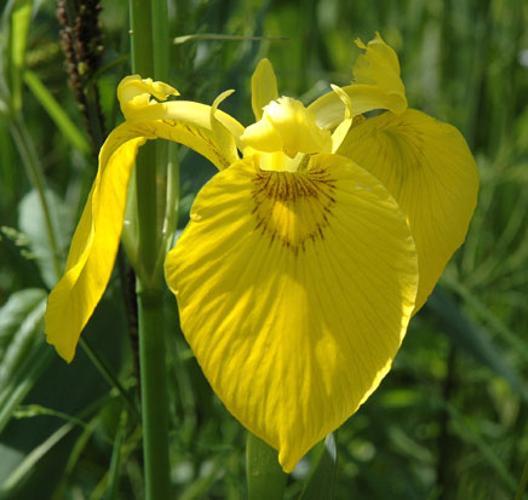
Yellow Iris
Iris pseudacorus
Striking wetland perennial native to Europe with bright golden-yellow flowers an...
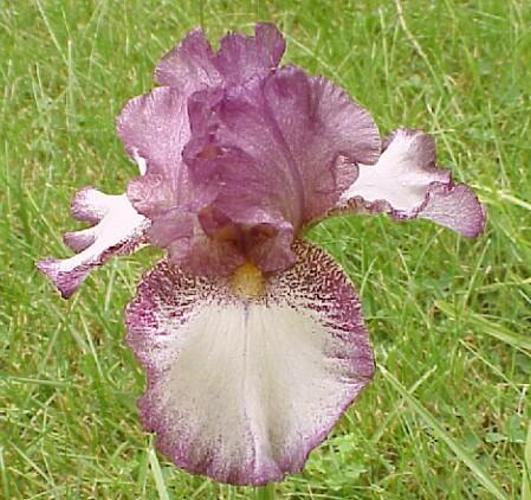
Bearded Iris
Iris germanica
Elegant perennial featuring distinctive flowers with three upright petals (stand...
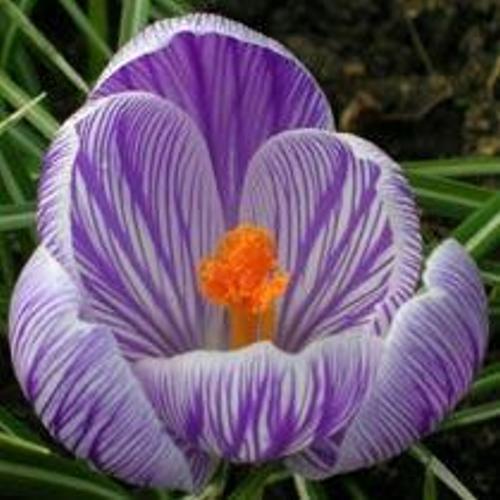
Spring Crocus
Crocus vernus
Cheerful early spring bulb that blooms while snow still on ground. Cup-shaped fl...
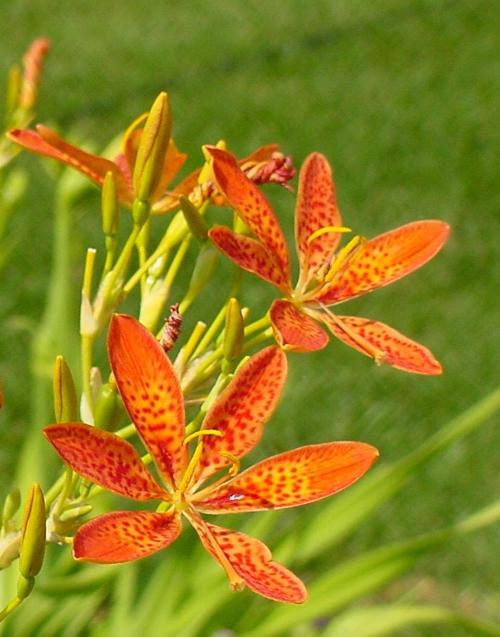
Leopard Lily
Iris domestica (syn. Belamcanda chinensis)
Striking perennial featuring exotic, star-shaped flowers in brilliant orange-red...
Similar Characteristics
4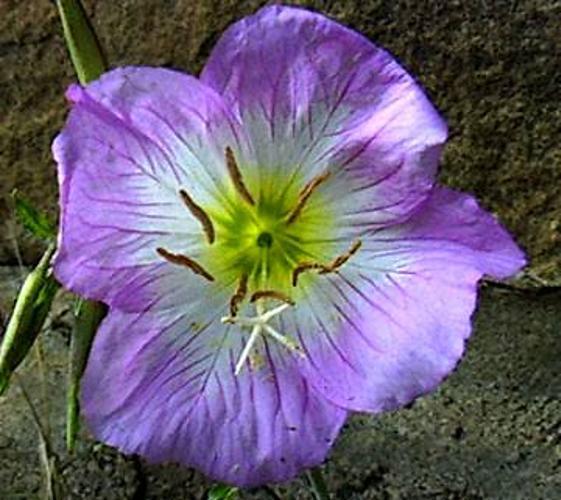
Primrose (Cowslip)
Primula veris
Cheerful spring wildflower with clusters of nodding yellow flowers on tall stems...
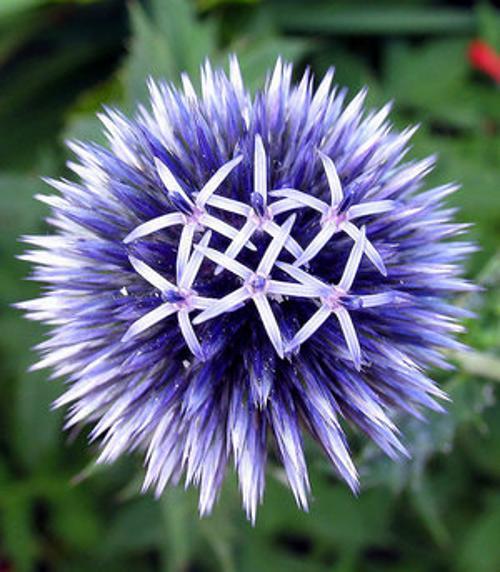
Globe Thistle
Echinops
Striking architectural perennial featuring perfectly spherical, spiky flower hea...
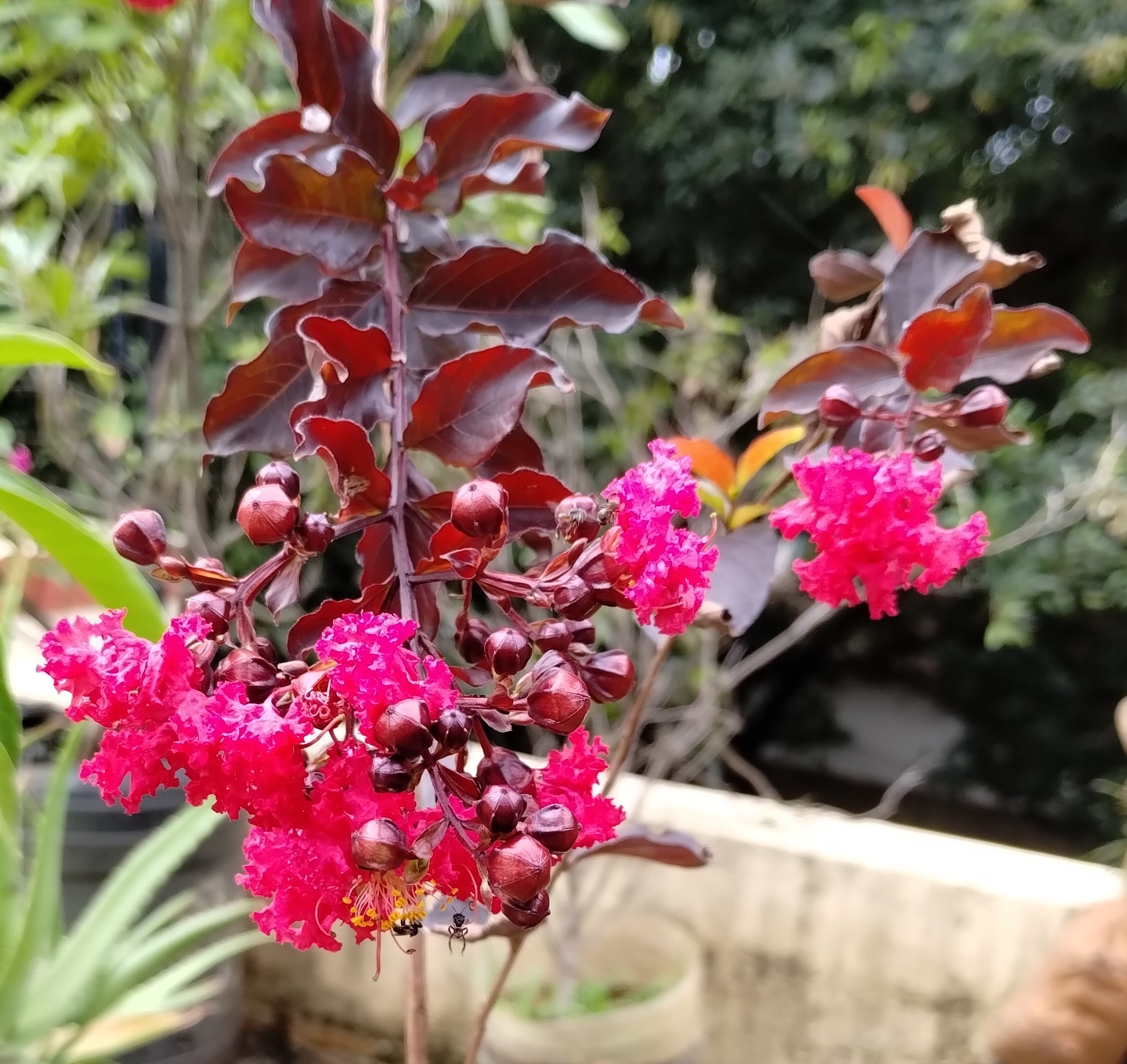
Crepe Myrtle
Lagerstroemia indica
Beloved deciduous shrub or small tree renowned for its profuse summer blooms wit...
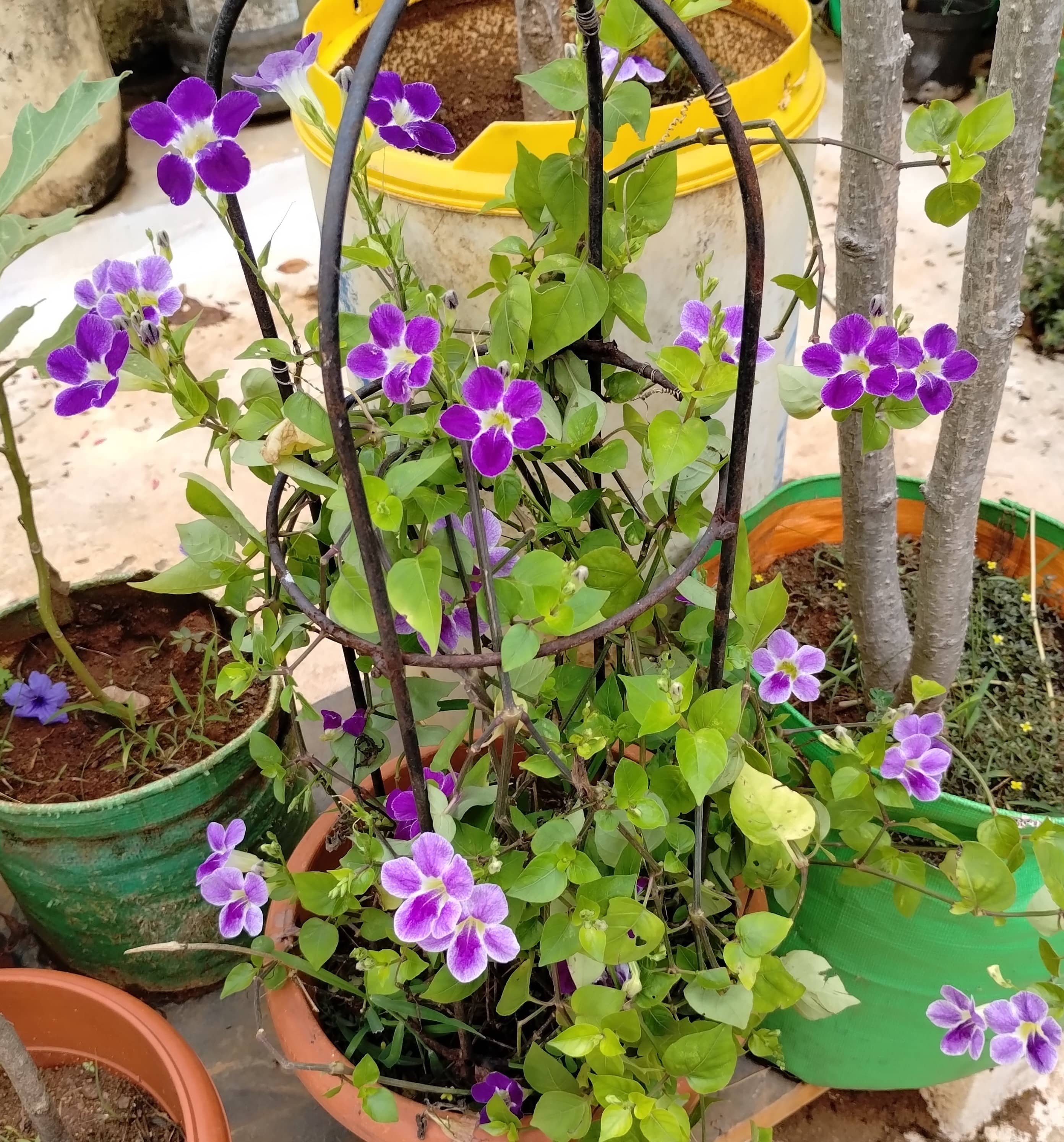
Thunbergia Bush Clock Vine
Thunbergia erecta
Versatile tropical plant producing stunning trumpet-shaped flowers in shades of ...