
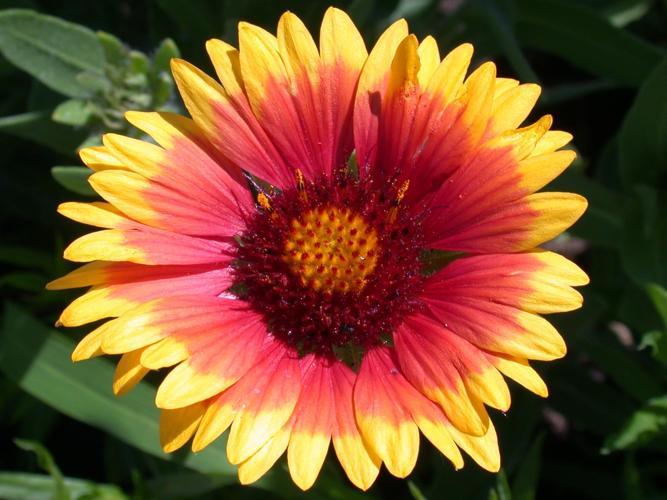
Gaillardia
Gaillardia
Basic Details
Floral Formula & Features
Composite flower head (capitulum). Ray florets - Bracteate, bilaterally symmetrical, female or bisexual, no sepals (modified to pappus scales), numerous fused petals forming strap-shaped ray (often 3-lobed), no stamens or reduced, 2 fused carpels with inferior ovary. Disk florets - Bracteate, radially symmetrical, bisexual, no sepals, 5 fused petals forming tube, 5 fused stamens, 2 fused carpels with inferior ovary
- Named after French magistrate and botanist Gaillard de Charentonneau (18th century). 'Blanket Flower' from resemblance to brightly patterned Native American blankets. 'Indian Blanket' and 'Firewheel' describe vibrant colors. State wildflower of Oklahoma. About 25 species, mostly North American
- Flowers 2-4 inches (5-10 cm) across, composite heads with ray and disc florets. Ray florets typically red or orange with yellow tips creating banded effect; disc florets burgundy-red or yellow. Colors include solid red, orange, yellow, or striking bicolors. Single or semi-double forms. Blooms summer through frost (June-October)
- Annual (G. pulchella) or short-lived perennial (G. aristata, G. x grandiflora). Blooms first year from seed. Perennials live 2-3 years but self-seed for continuous presence. Deadheading prolongs blooming but prevents self-seeding. Tolerates extreme heat and drought once established
- Grows 1-3 feet (30-90 cm) tall, dwarf varieties 8-12 inches. Spread of 12-18 inches. Lifespan of 2-3 years for perennials, one season for annuals. Propagated from seed (sow direct in spring, blooms in 10-12 weeks), division, or stem cuttings
- Native to North and South America, primarily central and western United States, Mexico. G. pulchella from southern Great Plains; G. aristata from western prairies. Found in prairies, plains, roadsides, and disturbed areas. Thrives in poor, dry soils
- Requires full sun (6-8 hours minimum). Thrives in poor to average, well-drained soil. Extremely drought and heat tolerant once established. Dislikes rich soil or overwatering (causes weak growth, disease). Deadhead for continuous blooms. Very low maintenance. Hardy zones 3-10
- Excellent for prairie gardens, wildflower meadows, and xeriscaping. Long-lasting cut flower (5-7 days). Attracts butterflies, bees, and beneficial insects. Deer and rabbit resistant. Tolerates poor soil, heat, drought, and neglect. Self-seeds but not invasive. Symbolizes cheerfulness. Perfect for low-water, low-maintenance gardens
Names in Different Languages
What is Floral Formula?
A floral formula is a symbolic representation of a flower's structure using letters, numbers, and special symbols. It provides a concise way to describe the arrangement and number of floral parts.
This formula describes the flower's symmetry, sepals, petals, stamens, and carpels in a standardized format.
Formula Sequence
- Bract: Br or Ebr
- Bracteole: Brl or Ebrl
- Symmetry: % (Radial) or ⊕ (Bilateral)
- Sex: ♀ (Female), ♂ (Male), or ⚥ (Bisexual)
- Calyx/Sepal: K<number> (Free or Fused)
- Corolla/Petal: C<number> (Free or Fused)
- Androecium: A<number> (Free or Fused)
- Gynaecium: G<number> (Superior or Inferior Ovary)
Symbol Meanings
- Numbers: Indicate quantity of parts
- Parentheses (): Parts are fused together
- Plus (+): Parts in different whorls
- Underline: Superior ovary position
- Overline: Inferior ovary position
- ∞: Numerous parts (too many to count)
Understanding floral formulas helps botanists quickly identify and classify flowers based on their structural characteristics.
Similar Flowers
Discover flowers that share botanical characteristics
Same Family
4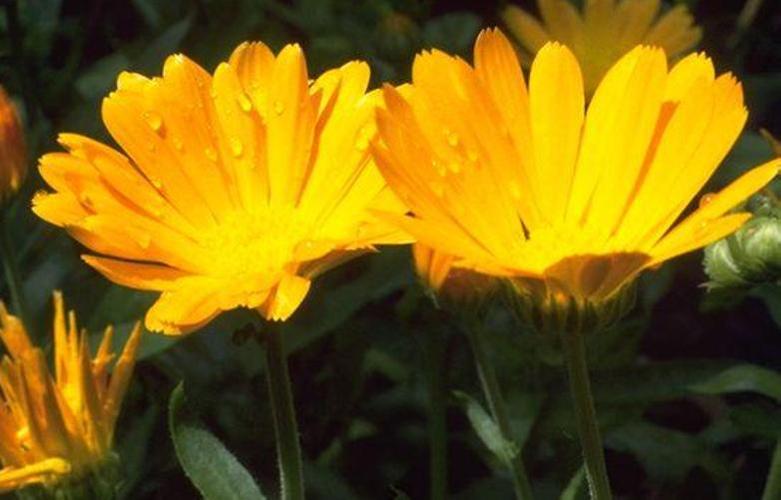
English Marigolds
Calendula officinalis
Cheerful annual featuring bright orange or yellow daisy-like flowers with a dist...
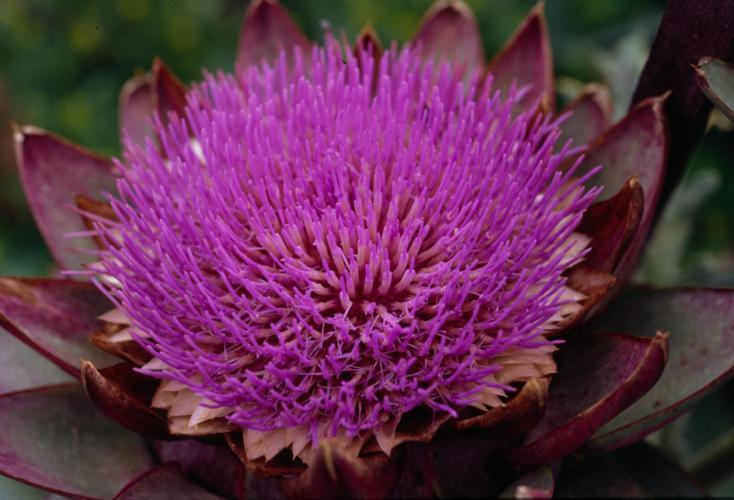
Artichoke
Cynara scolymus
Dramatic architectural plant grown primarily for its edible flower buds, which a...
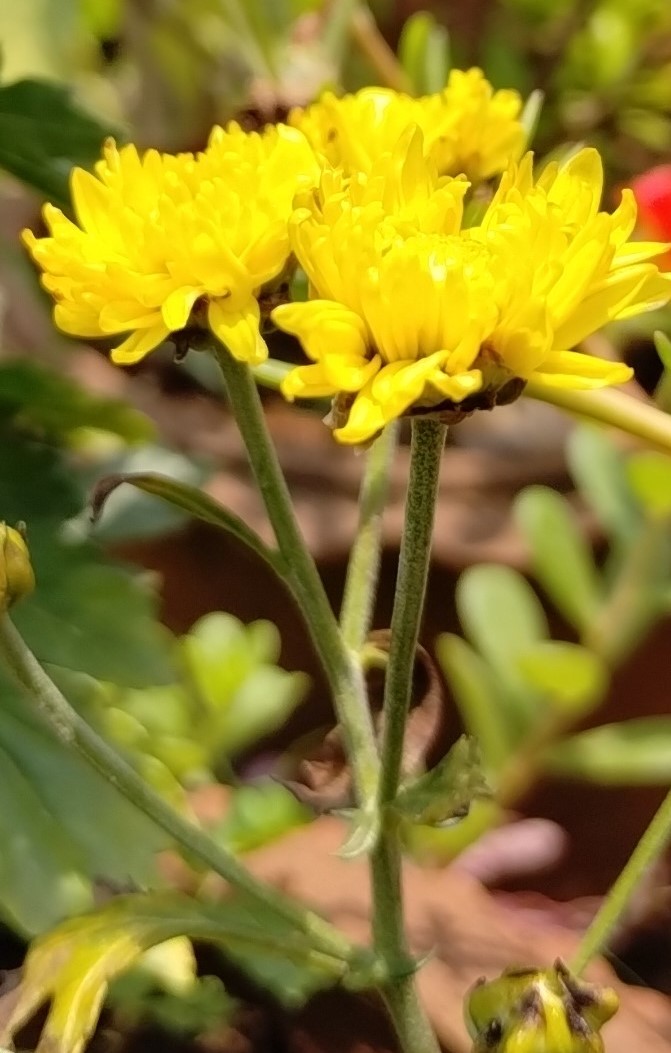
Chrysanthemum
Chrysanthemum
Beloved fall-blooming perennial celebrated for its profuse, colorful flowers tha...
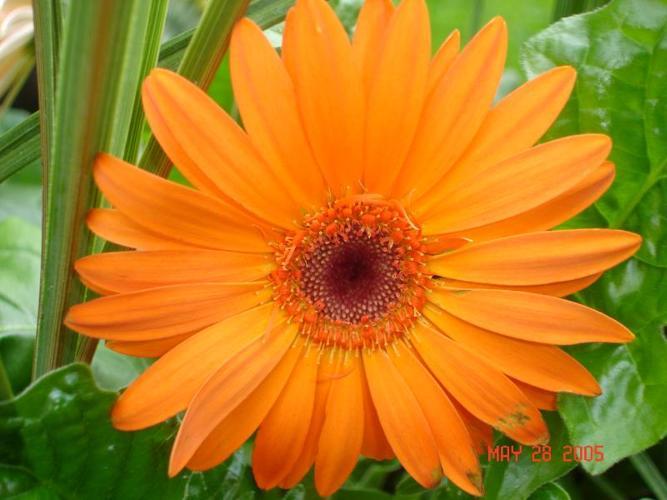
Barberton Daisy
Gerbera jamesonii
Cheerful composite flower featuring large, daisy-like blooms with vibrant ray pe...
Similar Characteristics
4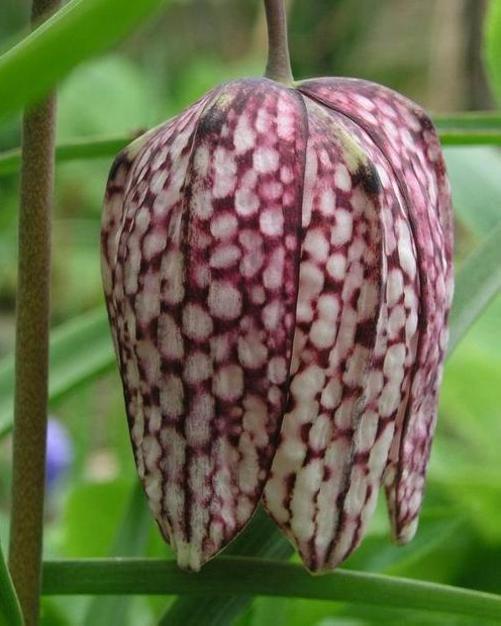
Fritillaria
Fritillaria
Elegant spring bulb featuring distinctive nodding, bell-shaped flowers, many wit...
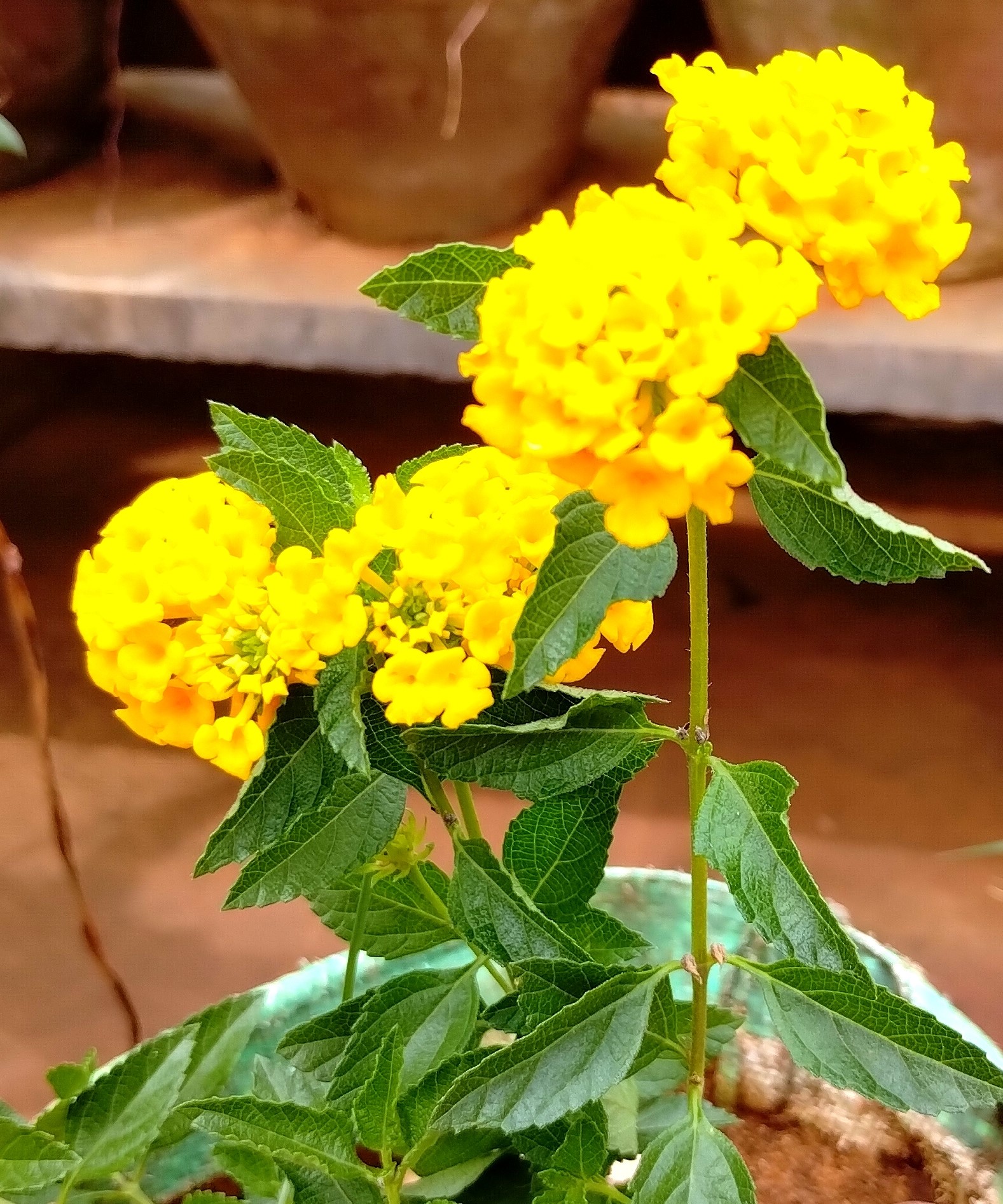
Lantana Camara
Lantana camara
Vigorous tropical shrub renowned for its dense, rounded clusters of tiny tubular...
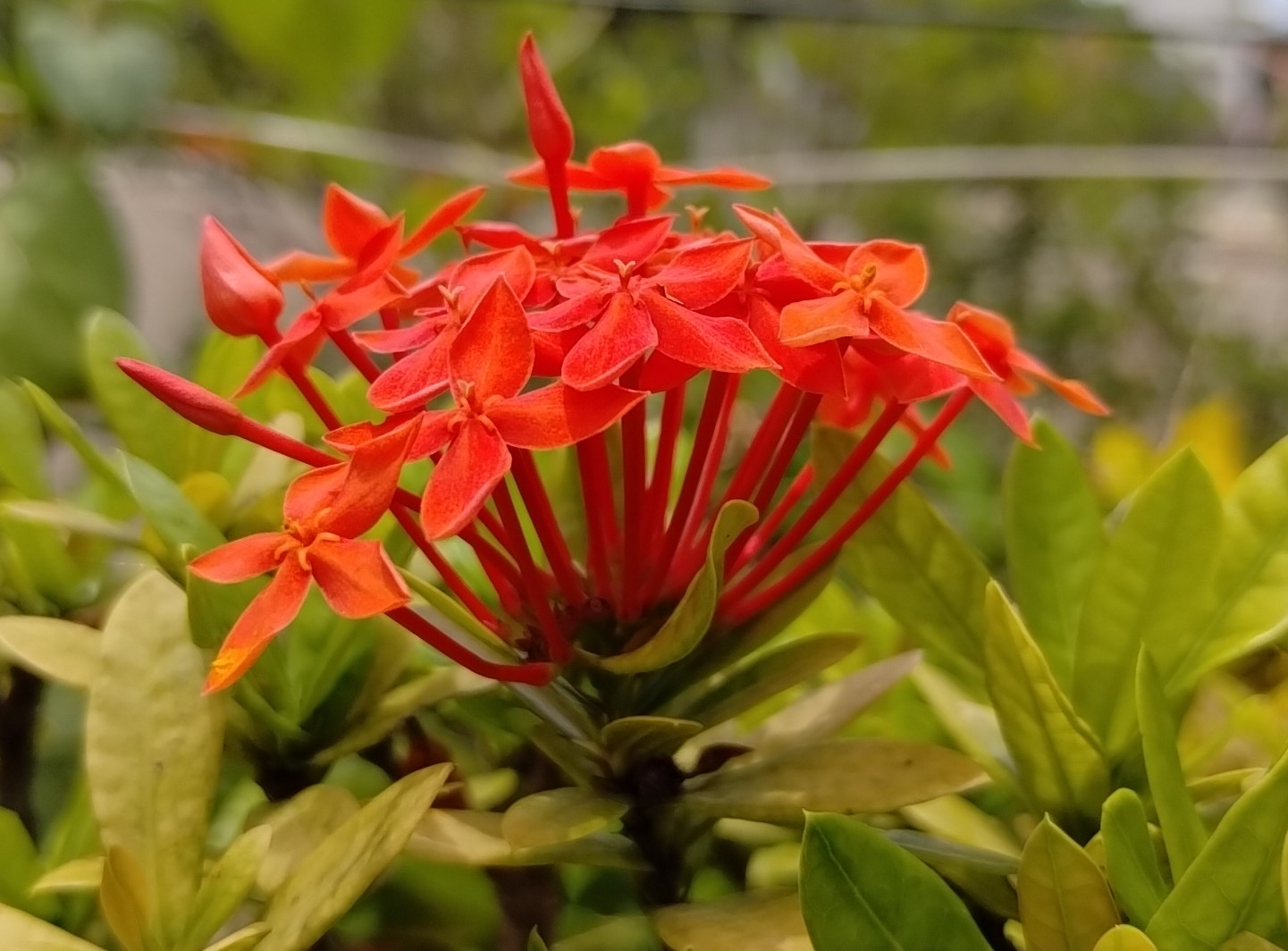
Ixora
Ixora coccinea
Vibrant tropical shrub featuring dense, rounded clusters of small, tubular flowe...
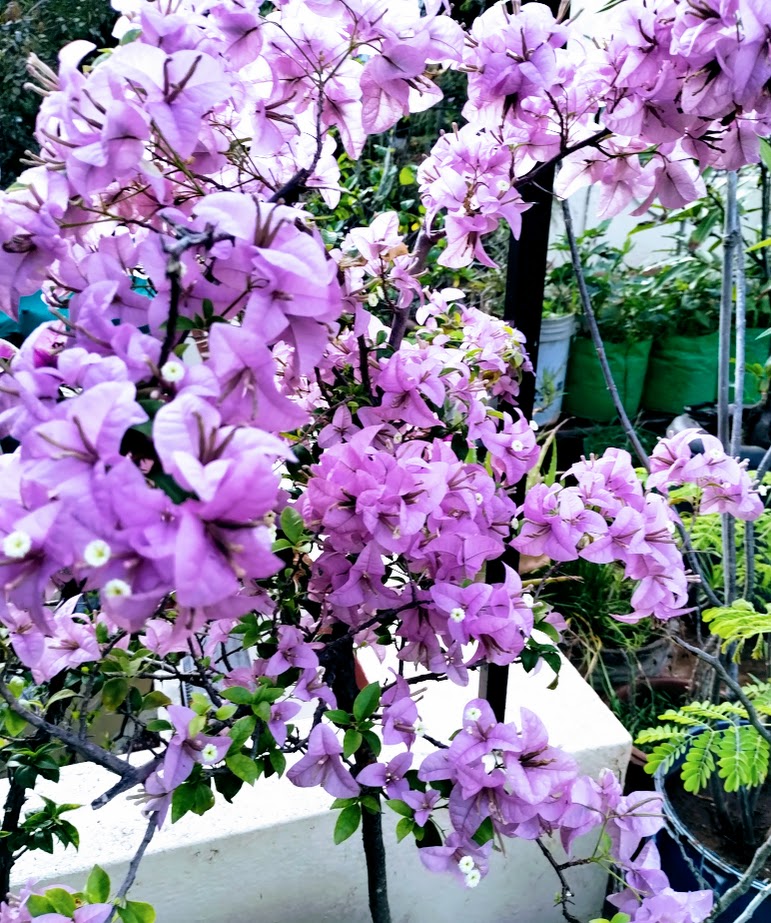
Bougainvillea
Bougainvillea spectabilis
Spectacular tropical vine renowned for its brilliant papery bracts in magenta, p...