
Fritillaria
Fritillaria
Basic Details
Floral Formula & Features
Ebracteate (no bracts), radially symmetrical (actinomorphic), bisexual, 6 tepals in 2 whorls of 3 (perianth, no distinction between sepals and petals), 6 stamens in 2 whorls of 3, 3 fused carpels with superior ovary. Nectaries at base of tepals
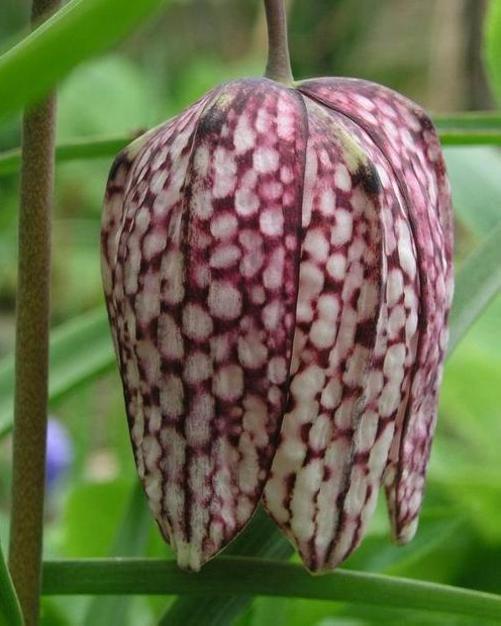
- Name 'Fritillaria' from Latin 'fritillus' (dice box or checkerboard) for checkered pattern on F. meleagris. 'Meleagris' means guinea fowl (spotted like feathers). 'Imperialis' means imperial for Crown Imperial's regal appearance. 'Snake's Head' describes F. meleagris pattern. About 130-140 species worldwide
- Flowers 1-3 inches (2.5-7.5 cm) long, bell-shaped, nodding (hanging downward). F. meleagris has checkered purple-white pattern; F. imperialis has cluster of orange-red bells topped by leafy crown. Colors include purple, white, yellow, orange, red, green, and brown. Six tepals with nectaries at base. Blooms spring (March-May)
- Bulbous perennial that blooms in spring, goes dormant in summer. Bulbs have distinctive musky, skunky odor (deters rodents). Takes 3-5 years from seed to flowering. Some species difficult to cultivate, declining in gardens. Crown Imperial (F. imperialis) easier; Snake's Head (F. meleagris) more delicate
- Grows 6 inches to 4 feet (15-120 cm) tall depending on species. F. meleagris 8-12 inches; F. imperialis 3-4 feet. Lifespan of bulbs 3-5+ years if conditions right. Propagated from bulb offsets (slow), bulbils, or seed (5-7 years to bloom). Bulbs fragile—handle carefully
- Native to temperate Northern Hemisphere. F. meleagris from Europe (England to Russia); F. imperialis from Turkey, Iran, Afghanistan to Kashmir. Various species from Mediterranean, Asia, western North America. Found in meadows, woodlands, alpine areas. Many species endangered in wild
- Requires well-drained soil (bulbs rot in wet conditions). Prefers full sun to dappled shade. Plant bulbs in fall, 4-6 inches deep. Needs cool winter (vernalization). Don't disturb bulbs; leave foliage until yellowed. Challenging to grow—bulbs often decline after few years. Zones 3-8 depending on species
- Prized by collectors for exotic appearance and rarity. F. imperialis (Crown Imperial) easier for gardens; musky scent deters deer, rodents, moles. F. meleagris endangered in wild (habitat loss). Some species used in traditional Chinese medicine. Bulbs mildly toxic. Excellent for rock gardens, woodland gardens, and naturalizing in appropriate climates
Names in Different Languages
What is Floral Formula?
A floral formula is a symbolic representation of a flower's structure using letters, numbers, and special symbols. It provides a concise way to describe the arrangement and number of floral parts.
This formula describes the flower's symmetry, sepals, petals, stamens, and carpels in a standardized format.
Formula Sequence
- Bract: Br or Ebr
- Bracteole: Brl or Ebrl
- Symmetry: % (Radial) or ⊕ (Bilateral)
- Sex: ♀ (Female), ♂ (Male), or ⚥ (Bisexual)
- Calyx/Sepal: K<number> (Free or Fused)
- Corolla/Petal: C<number> (Free or Fused)
- Androecium: A<number> (Free or Fused)
- Gynaecium: G<number> (Superior or Inferior Ovary)
Symbol Meanings
- Numbers: Indicate quantity of parts
- Parentheses (): Parts are fused together
- Plus (+): Parts in different whorls
- Underline: Superior ovary position
- Overline: Inferior ovary position
- ∞: Numerous parts (too many to count)
Understanding floral formulas helps botanists quickly identify and classify flowers based on their structural characteristics.
Similar Flowers
Discover flowers that share botanical characteristics
Same Family
4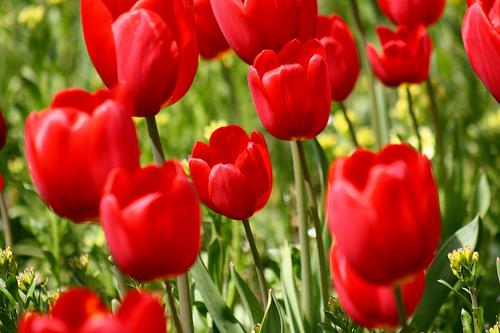
Tulip
Tulipa
Iconic spring-blooming bulb celebrated for its elegant cup-shaped flowers in nea...
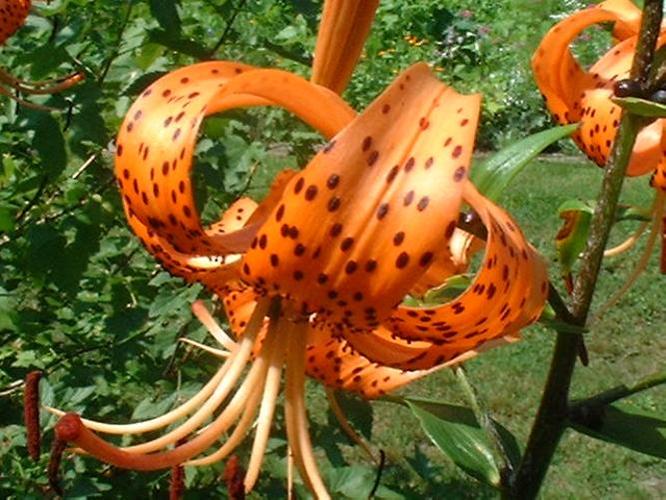
Tiger Lily
Lilium lancifolium
Spectacular summer-blooming bulb featuring vibrant orange flowers adorned with d...
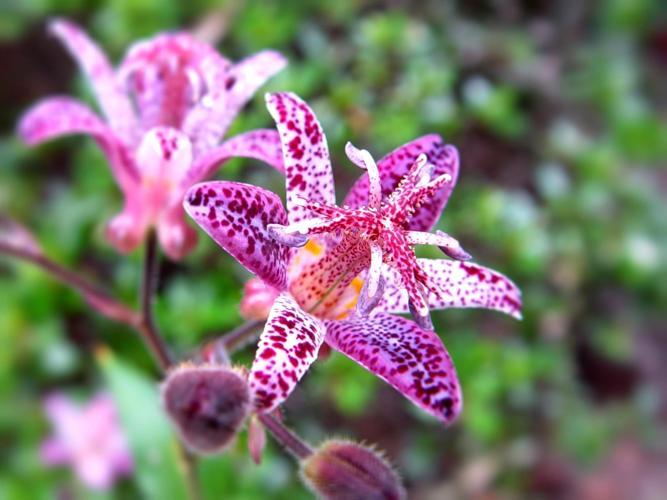
Toad Lily
Tricyrtis
Exotic shade-loving perennial featuring intricate, orchid-like flowers covered i...
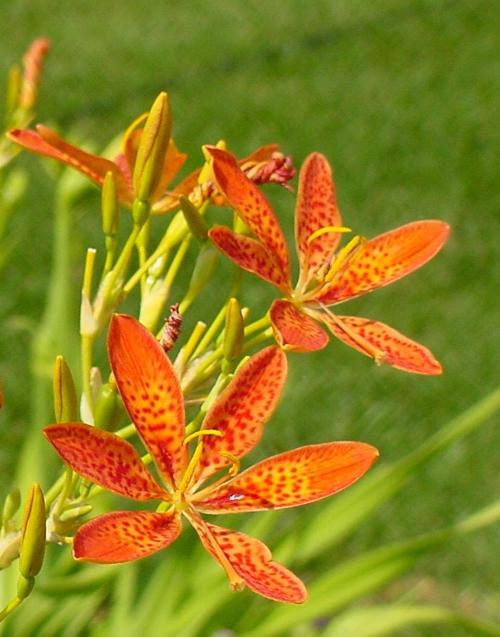
Leopard Lily
Iris domestica (syn. Belamcanda chinensis)
Striking perennial featuring exotic, star-shaped flowers in brilliant orange-red...
Similar Characteristics
4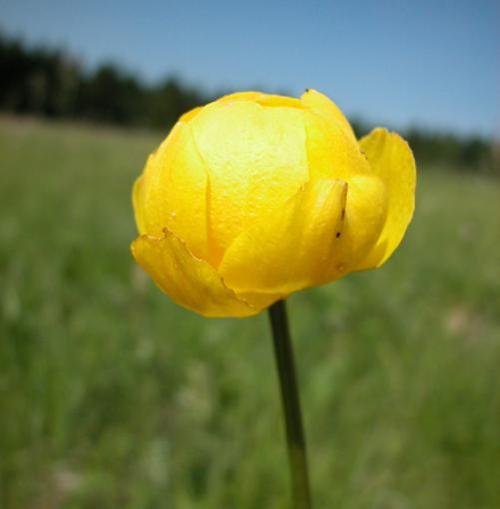
Globe flower
Trollius
Charming perennial featuring perfectly spherical, globe-shaped flowers resemblin...
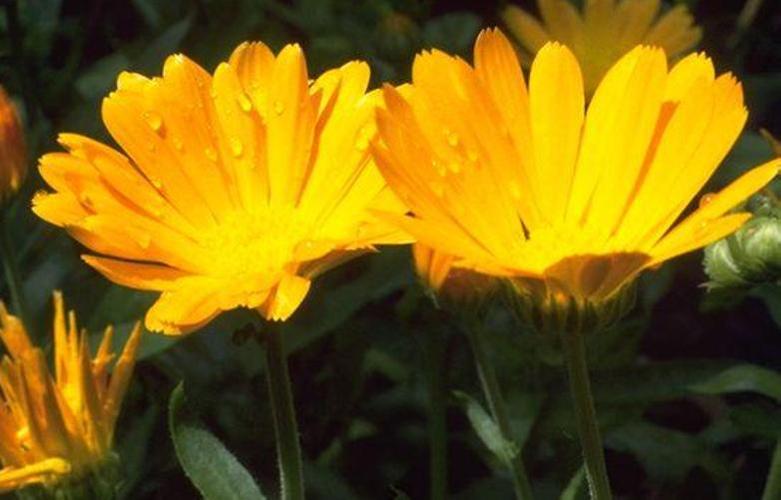
English Marigolds
Calendula officinalis
Cheerful annual featuring bright orange or yellow daisy-like flowers with a dist...
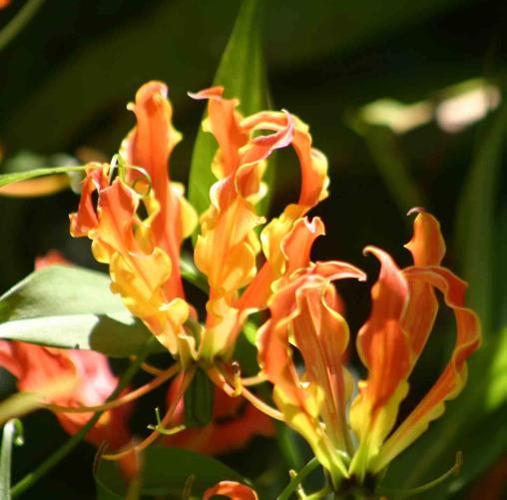
Fire Lily
Gloriosa superba
Spectacular climbing lily featuring exotic, flame-like flowers with dramatically...
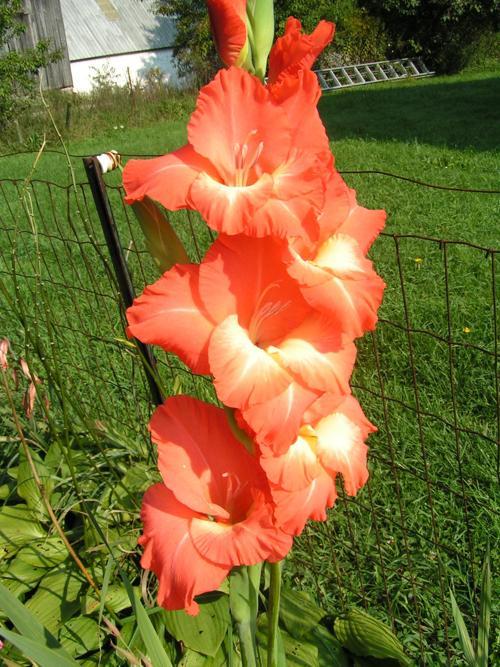
Gladiolus
Gladiolus
Spectacular cormous perennial featuring tall, dramatic spikes of large, funnel-s...