
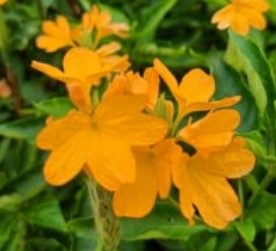
Crossandra Firecracker
Crossandra infundibuliformis
Basic Details
Floral Formula & Features
Ebracteate (no bracts, though has overlapping floral bracts), bilaterally symmetrical (zygomorphic), bisexual, 5 fused sepals, 5 fused petals forming funnel with fan-shaped limb, 2 stamens (reduced from typical 4 in Acanthaceae), 2 fused carpels with superior ovary
- Name 'Crossandra' from Greek 'krossos' (fringe) and 'aner/andros' (male), referring to fringed anthers. 'Infundibuliformis' means funnel-shaped. 'Firecracker' from explosive seed pods that burst when ripe. 'Aboli' and 'Kanakambaram' are Indian names. About 50 Crossandra species, mostly African
- Flowers 1-1.5 inches (2.5-4 cm) across, fan-shaped or funnel-shaped with 5 rounded lobes. Colors include orange, salmon, coral, pink, yellow, and apricot. Arranged in terminal spikes 2-4 inches long with overlapping bracts. Blooms nearly year-round in warm conditions, primarily spring through fall. Flowers last several days
- Evergreen shrub that blooms continuously in tropical climates, primarily warm months elsewhere. Seed capsules explode when ripe, ejecting seeds several feet (hence 'Firecracker'). Bushy, compact growth. Responds well to pruning. Popular houseplant due to shade tolerance
- Grows 1-3 feet (30-90 cm) tall and wide, typically 1.5-2 feet in containers. Compact, bushy habit. Lifespan of many years (5-10+). Propagated from stem cuttings (root easily in 2-3 weeks), seeds, or division. Pinch tips for bushier growth
- Native to southern India (Western Ghats, Karnataka, Kerala, Tamil Nadu) and Sri Lanka. Found in tropical forests and shaded areas. Now widely cultivated in tropical and subtropical regions worldwide. Popular houseplant in temperate zones
- Prefers bright, indirect light to partial shade (tolerates more shade than most flowering plants). Thrives in warm, humid conditions (60-80°F/15-27°C). Requires well-drained, moisture-retentive soil. Water regularly; keep soil evenly moist but not soggy. Mist for humidity. Frost tender. Zones 10-11 outdoors
- Excellent houseplant and shade garden plant. Blooms in low light where few flowering plants succeed. Attracts butterflies and hummingbirds. Non-toxic to pets. Used in traditional Indian medicine for ear infections and skin conditions. Low maintenance. Symbolizes prosperity in Indian culture. Popular in temple gardens
Names in Different Languages
What is Floral Formula?
A floral formula is a symbolic representation of a flower's structure using letters, numbers, and special symbols. It provides a concise way to describe the arrangement and number of floral parts.
This formula describes the flower's symmetry, sepals, petals, stamens, and carpels in a standardized format.
Formula Sequence
- Bract: Br or Ebr
- Bracteole: Brl or Ebrl
- Symmetry: % (Radial) or ⊕ (Bilateral)
- Sex: ♀ (Female), ♂ (Male), or ⚥ (Bisexual)
- Calyx/Sepal: K<number> (Free or Fused)
- Corolla/Petal: C<number> (Free or Fused)
- Androecium: A<number> (Free or Fused)
- Gynaecium: G<number> (Superior or Inferior Ovary)
Symbol Meanings
- Numbers: Indicate quantity of parts
- Parentheses (): Parts are fused together
- Plus (+): Parts in different whorls
- Underline: Superior ovary position
- Overline: Inferior ovary position
- ∞: Numerous parts (too many to count)
Understanding floral formulas helps botanists quickly identify and classify flowers based on their structural characteristics.
Similar Flowers
Discover flowers that share botanical characteristics
Same Family
4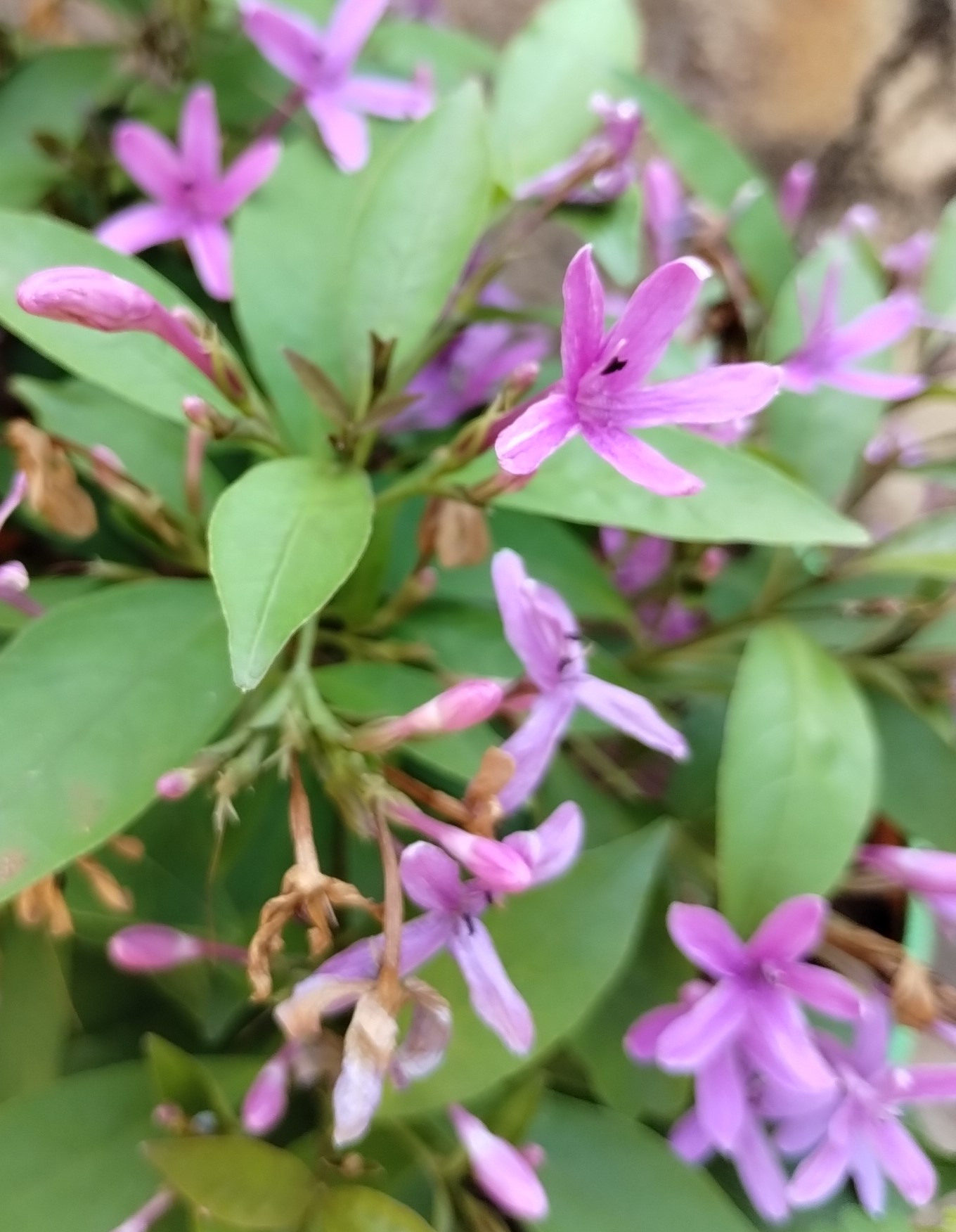
Pseuderanthemum
Pseuderanthemum
Striking tropical perennial shrub prized for its spectacular ornamental foliage ...
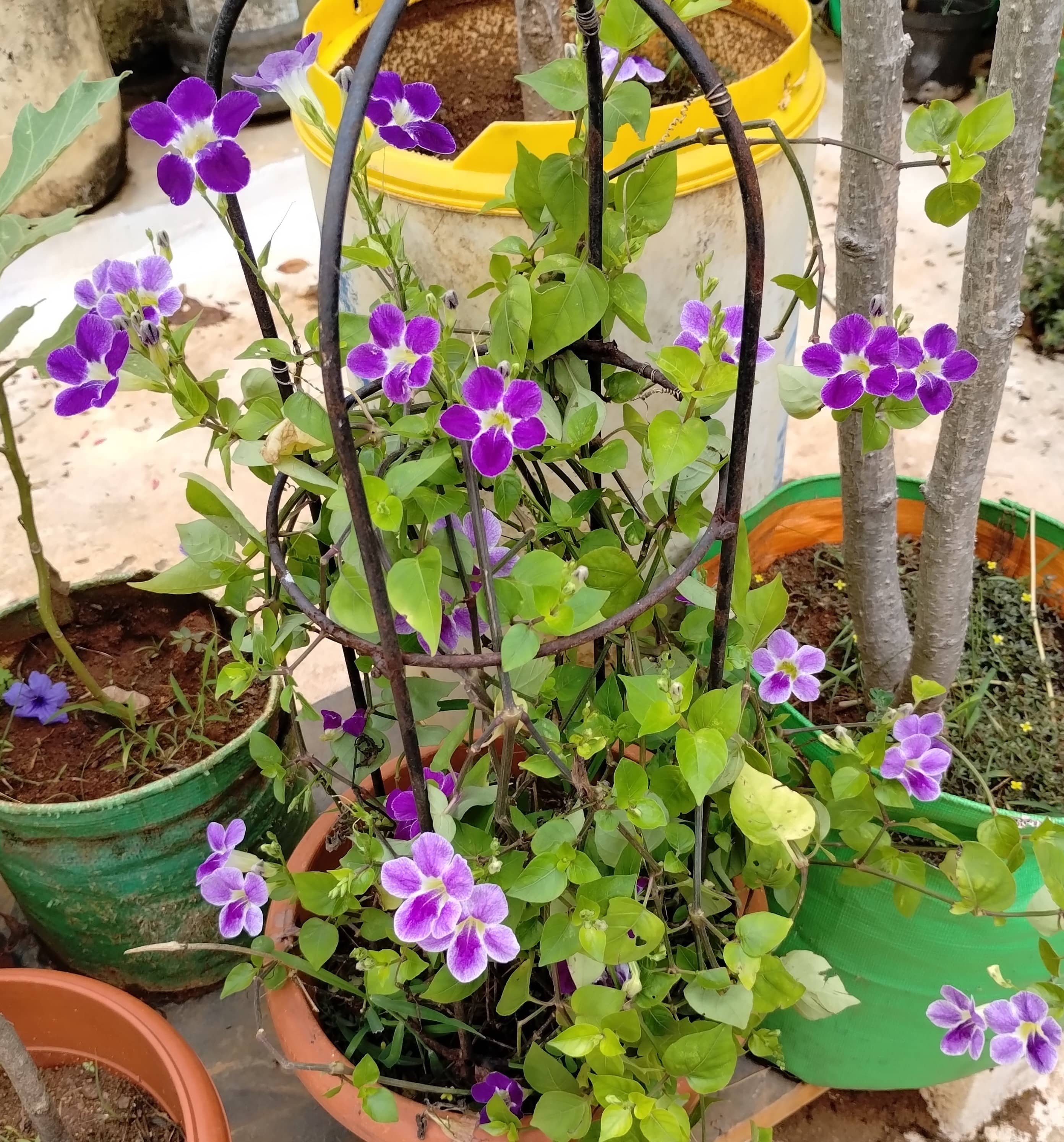
Thunbergia Bush Clock Vine
Thunbergia erecta
Versatile tropical plant producing stunning trumpet-shaped flowers in shades of ...
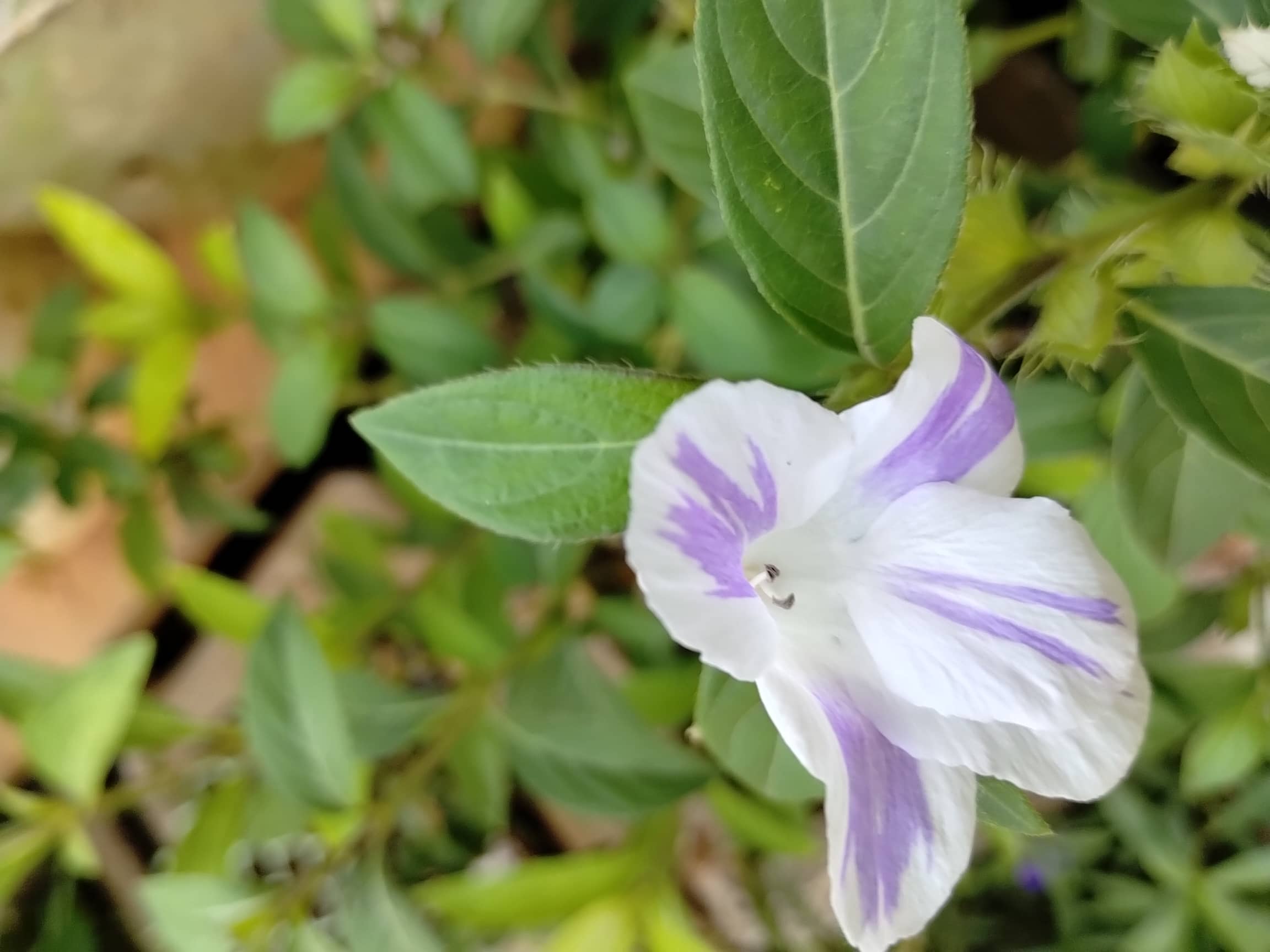
December
Barleria Cristata,Barleria prioniti
Attractive evergreen shrub featuring tubular flowers with distinctive crested or...
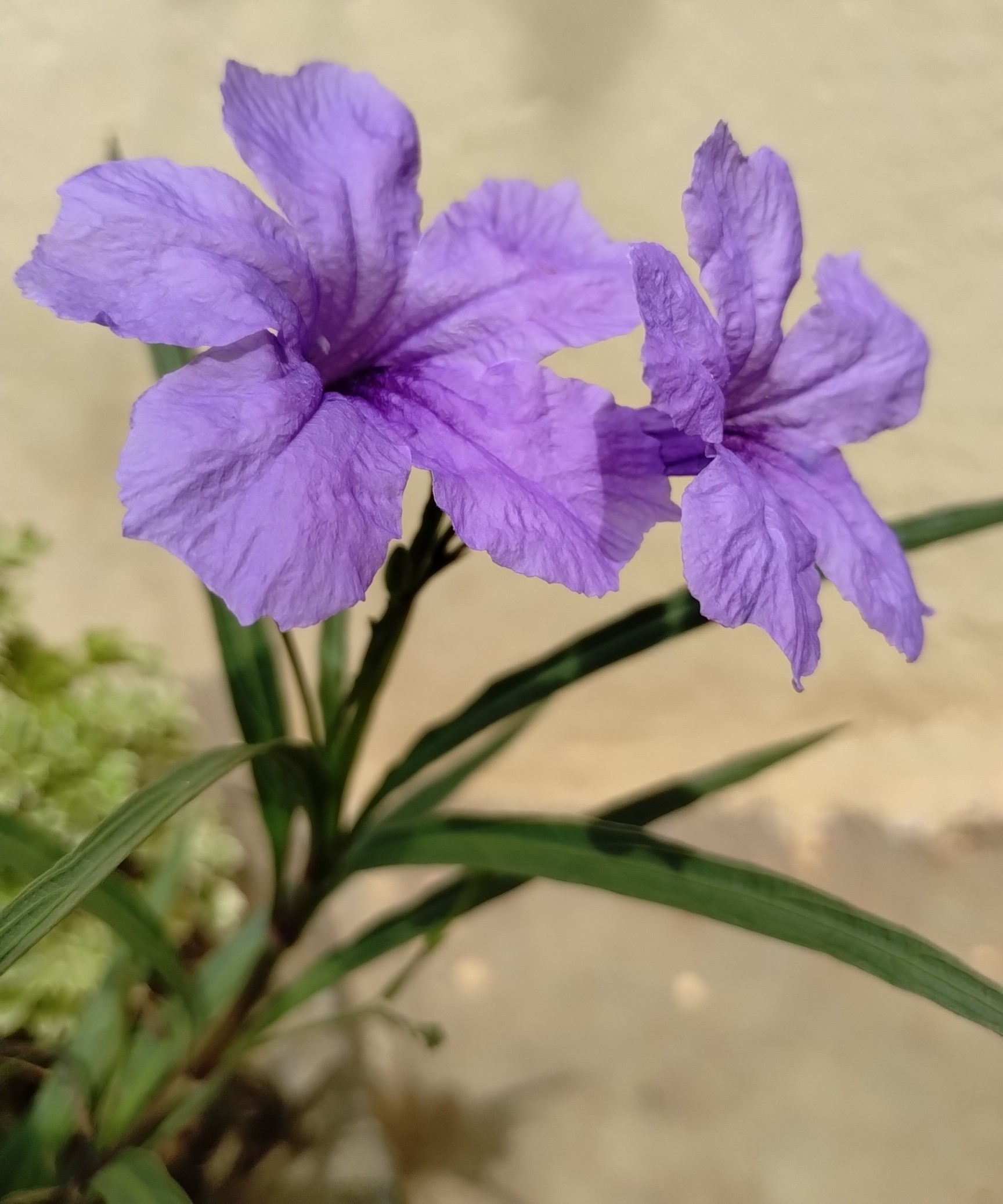
Mexican Petunia
Ruellia simplex
Vigorous perennial producing trumpet-shaped flowers resembling petunias in shade...
Similar Characteristics
4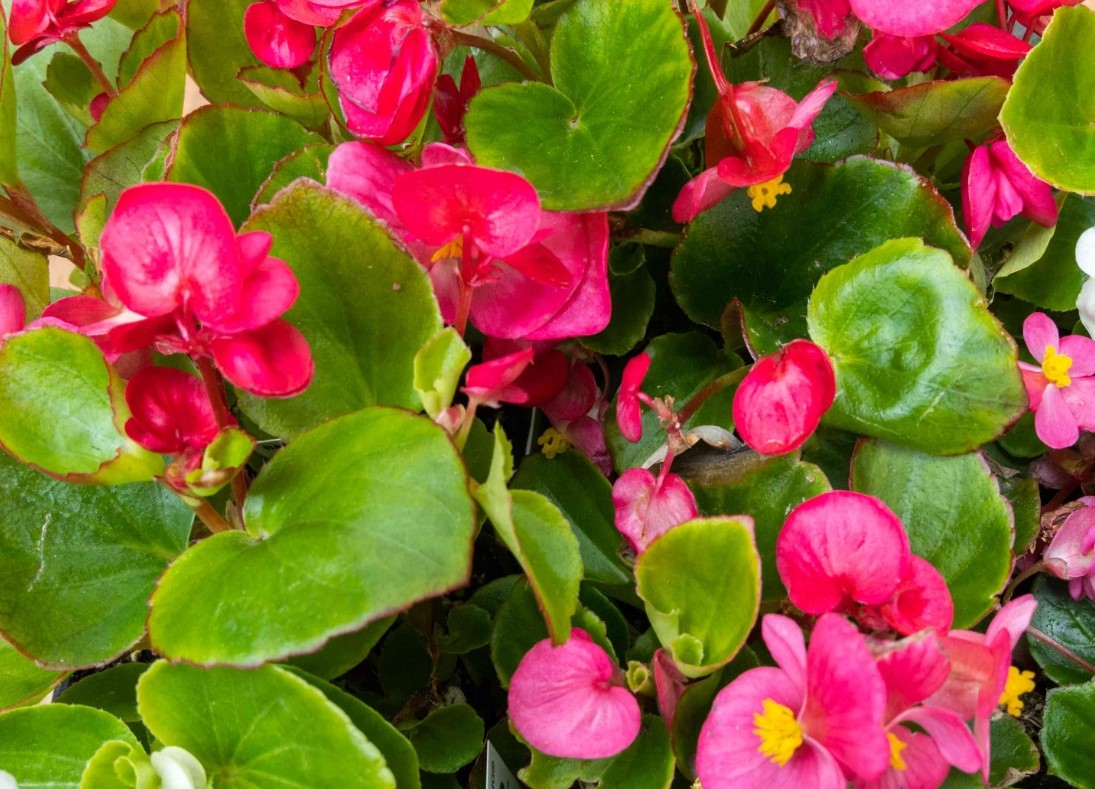
Begonia
Begonia
Versatile and diverse genus prized for both spectacular flowers and ornamental f...
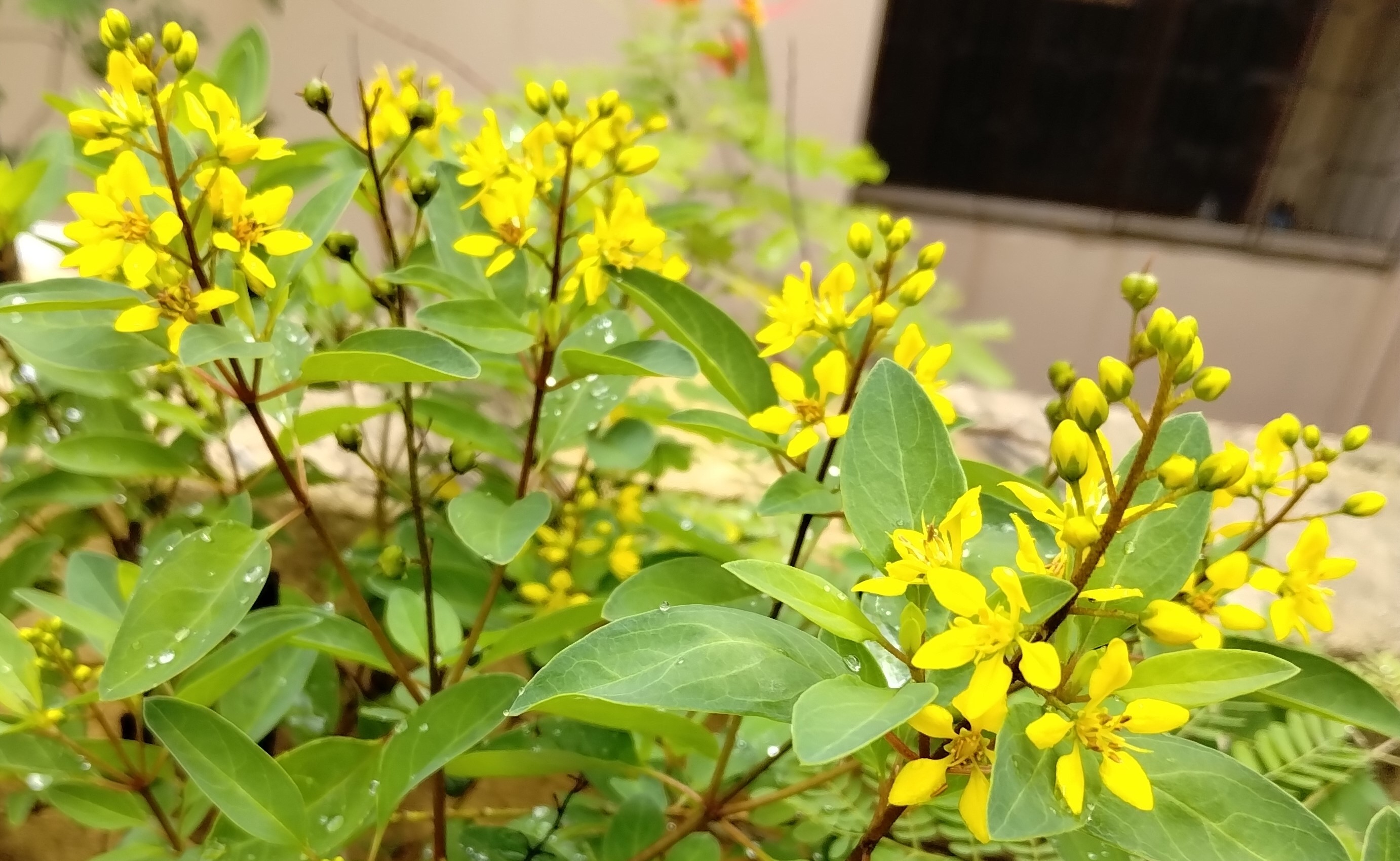
Golden Thryallis
Galphimia gracilis
Delightful evergreen shrub featuring abundant sprays of small, bright golden-yel...
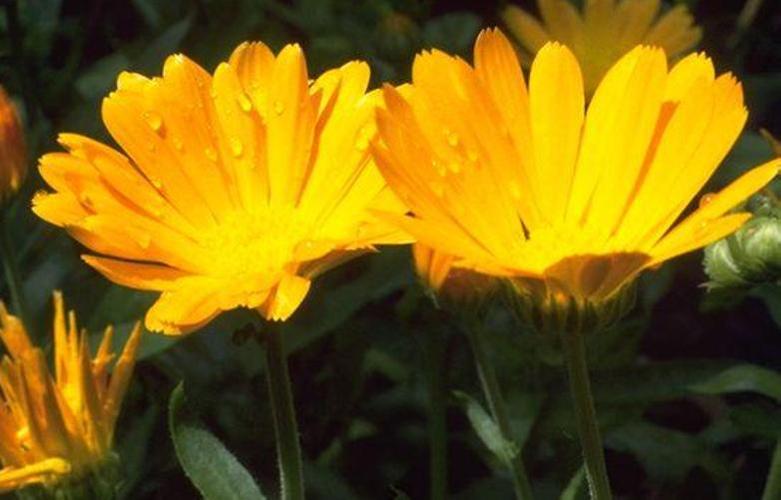
English Marigolds
Calendula officinalis
Cheerful annual featuring bright orange or yellow daisy-like flowers with a dist...
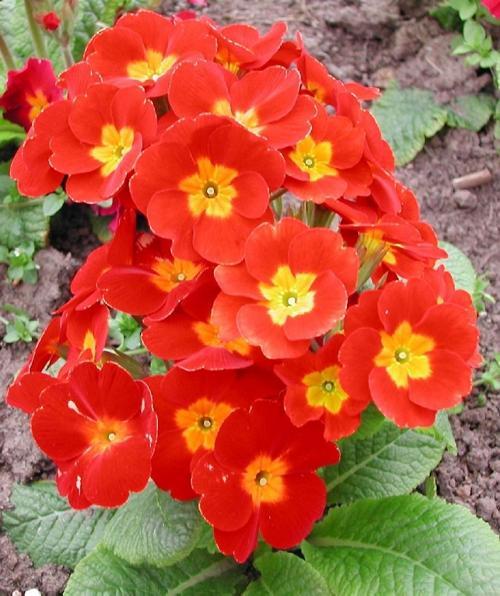
Primula (Common Primrose)
Primula vulgaris
Classic spring flower with pale yellow to cream blooms nestled in rosettes of wr...