
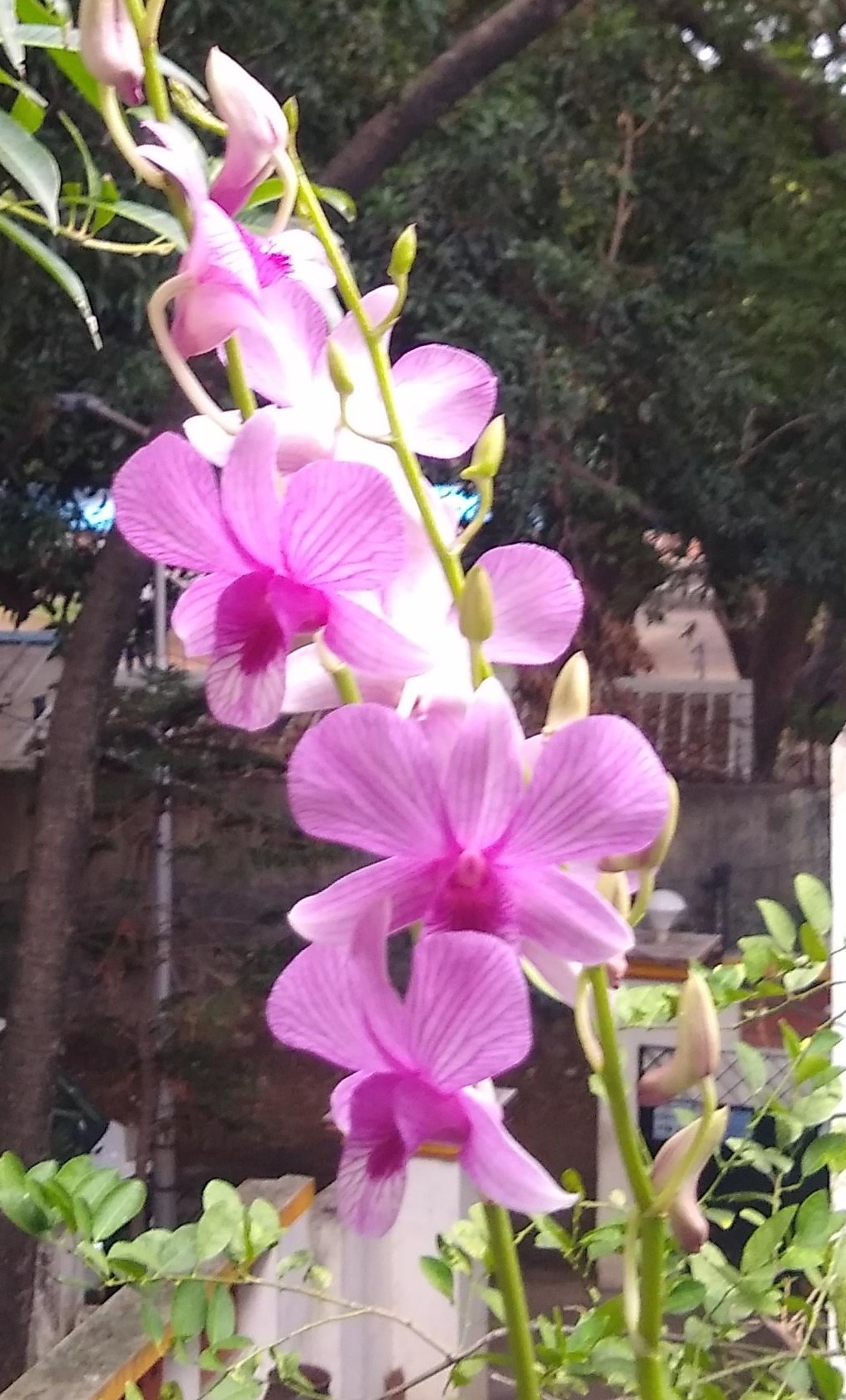
Dendrobium Orchid
Dendrobium
Basic Details
Floral Formula & Features
Bilaterally symmetrical, bisexual, 6 tepals in 2 whorls of 3 (3 sepals + 3 petals with one modified into lip), 1 stamen fused with style forming column, 3 fused carpels with inferior ovary typical of Orchidaceae
- Name 'Dendrobium' derives from Greek 'dendron' (tree) and 'bios' (life), meaning 'life on trees,' referring to epiphytic growth habit. Second largest orchid genus after Bulbophyllum, with species ranging from miniatures to giants
- Flowers appear in sprays along cane-like pseudobulbs, with 5-20 blooms per spray. Individual flowers measure 1-4 inches across with waxy texture. Two main types: Nobile-type (flowers along entire cane) and Phalaenopsis-type (flowers on terminal spray)
- Sympodial epiphytic perennial growing from pseudobulbs (canes) that store water and nutrients. Some species are deciduous, dropping leaves after flowering; others are evergreen. Blooms spring or fall depending on type, with flowers lasting 4-8 weeks
- Height ranges from 6 inches (15 cm) for miniatures to 4 feet (120 cm) for large species. Pseudobulbs can be 6-36 inches long. Lifespan of 10-20 years or more. Propagated by division of pseudobulbs or keikis (plantlets)
- Native to tropical and subtropical Asia, Australia, and Pacific islands from India to Japan and New Zealand. Found growing on trees in diverse habitats from hot lowlands to cool mountain forests at elevations up to 3,000 meters
- Requirements vary by type: Nobile types need cool winter rest (50-55°F/10-13°C) to bloom; Phalaenopsis types prefer constant warmth (65-85°F/18-29°C). Most need bright indirect light and well-draining orchid mix
- Excellent cut flowers lasting 1-3 weeks in water. Widely used in Hawaiian leis, corsages, and floral arrangements. Some species used in traditional Asian medicine. Among the easiest orchids for beginners to grow and rebloom
Names in Different Languages
What is Floral Formula?
A floral formula is a symbolic representation of a flower's structure using letters, numbers, and special symbols. It provides a concise way to describe the arrangement and number of floral parts.
This formula describes the flower's symmetry, sepals, petals, stamens, and carpels in a standardized format.
Formula Sequence
- Bract: Br or Ebr
- Bracteole: Brl or Ebrl
- Symmetry: % (Radial) or ⊕ (Bilateral)
- Sex: ♀ (Female), ♂ (Male), or ⚥ (Bisexual)
- Calyx/Sepal: K<number> (Free or Fused)
- Corolla/Petal: C<number> (Free or Fused)
- Androecium: A<number> (Free or Fused)
- Gynaecium: G<number> (Superior or Inferior Ovary)
Symbol Meanings
- Numbers: Indicate quantity of parts
- Parentheses (): Parts are fused together
- Plus (+): Parts in different whorls
- Underline: Superior ovary position
- Overline: Inferior ovary position
- ∞: Numerous parts (too many to count)
Understanding floral formulas helps botanists quickly identify and classify flowers based on their structural characteristics.
Similar Flowers
Discover flowers that share botanical characteristics
Same Family
4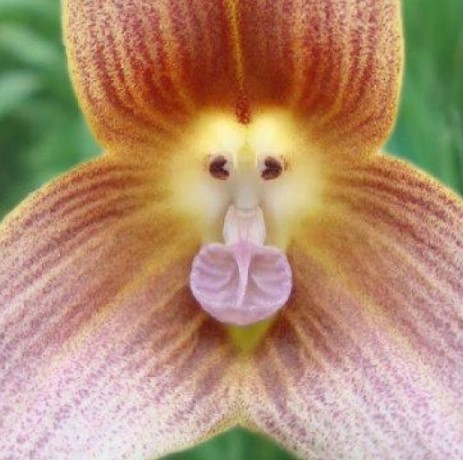
Monkey Orchid
Dracula simia
Extraordinary orchid featuring flowers with an uncanny resemblance to a monkey's...
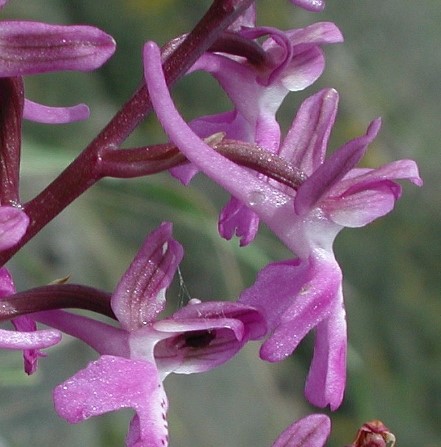
Orchis Orchid
Orchis
Classic terrestrial orchid featuring dense spikes of hooded flowers in shades of...
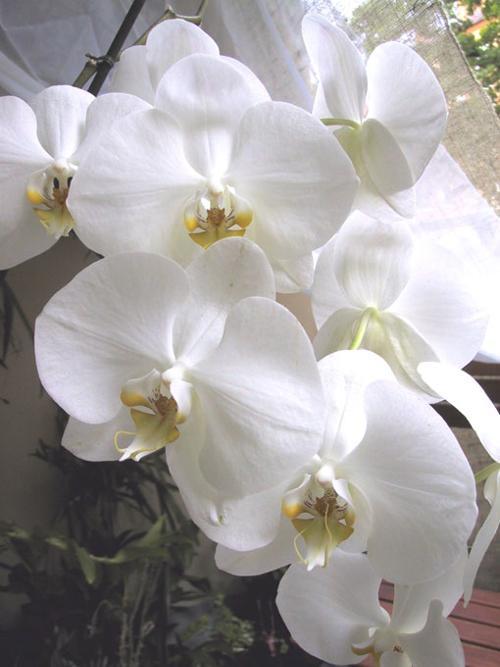
Moon Orchid
Phalaenopsis amabilis
Elegant epiphytic orchid with graceful arching sprays of pristine white moth-lik...
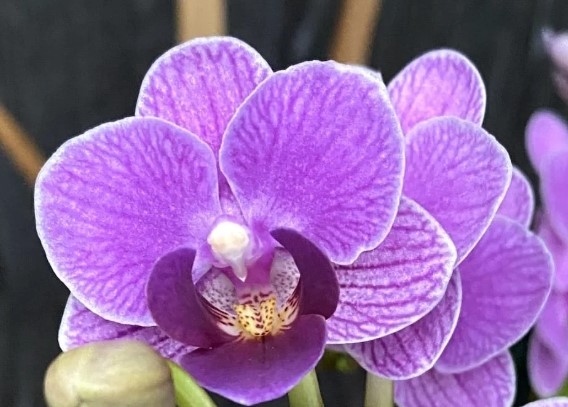
Phalaenopsis Orchid
Phalaenopsis
Popular and easy-to-grow orchid with elegant, moth-like flowers on gracefully ar...
Similar Characteristics
4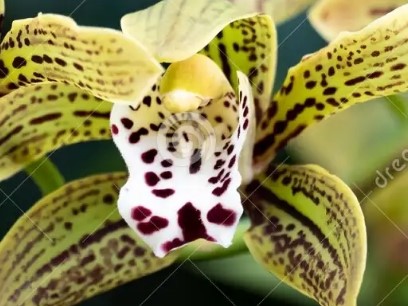
Boat Orchid
Cymbidium
Elegant orchid featuring graceful arching sprays of waxy flowers with distinctiv...
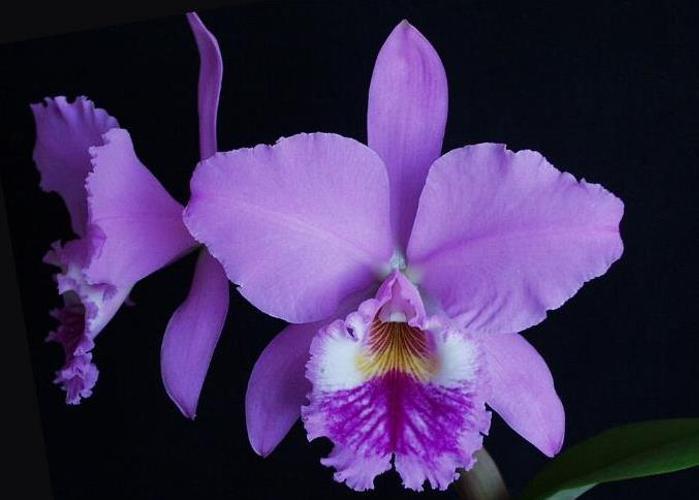
Ruby Lipped Cattleya
Cattleya labiata
Spectacular orchid known as Queen of Orchids with large fragrant blooms and dist...
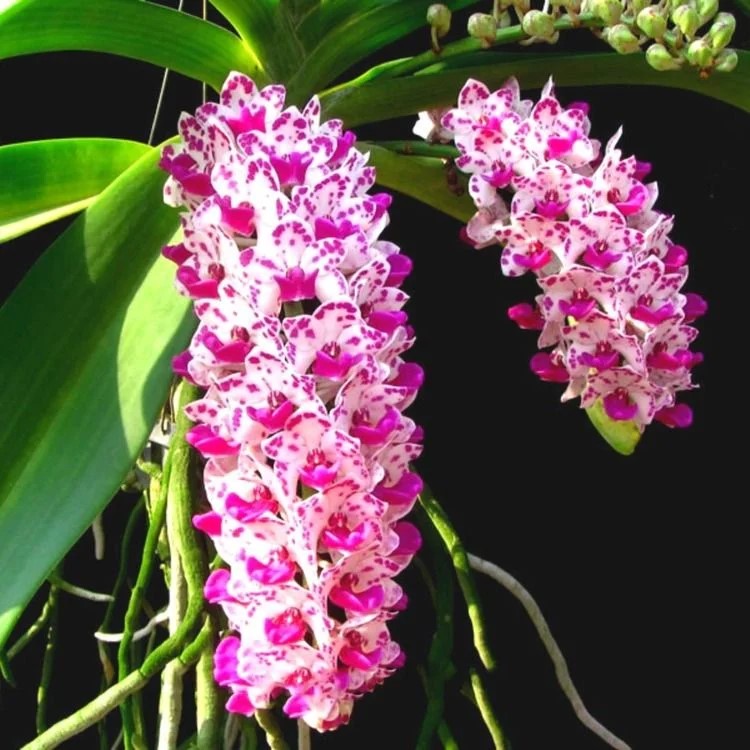
Fox Tail Orchid
Rhynchostylis
Striking epiphytic orchid with dense, cylindrical flower spikes resembling a fox...
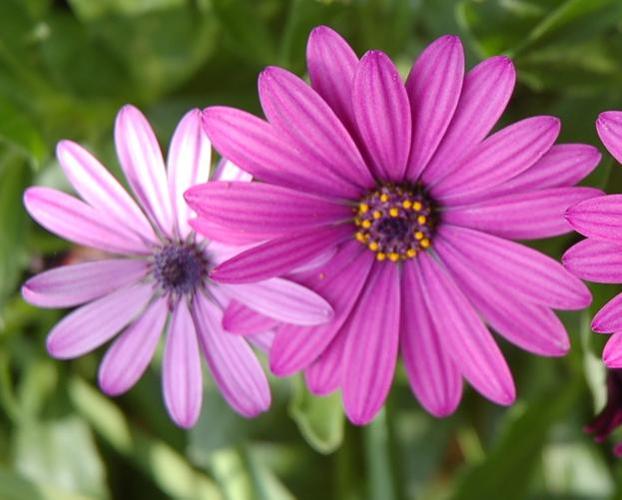
African Daisy
Dimorphotheca ecklonis
Vibrant daisy-like flowers with composite blooms featuring ray petals surroundin...