
December
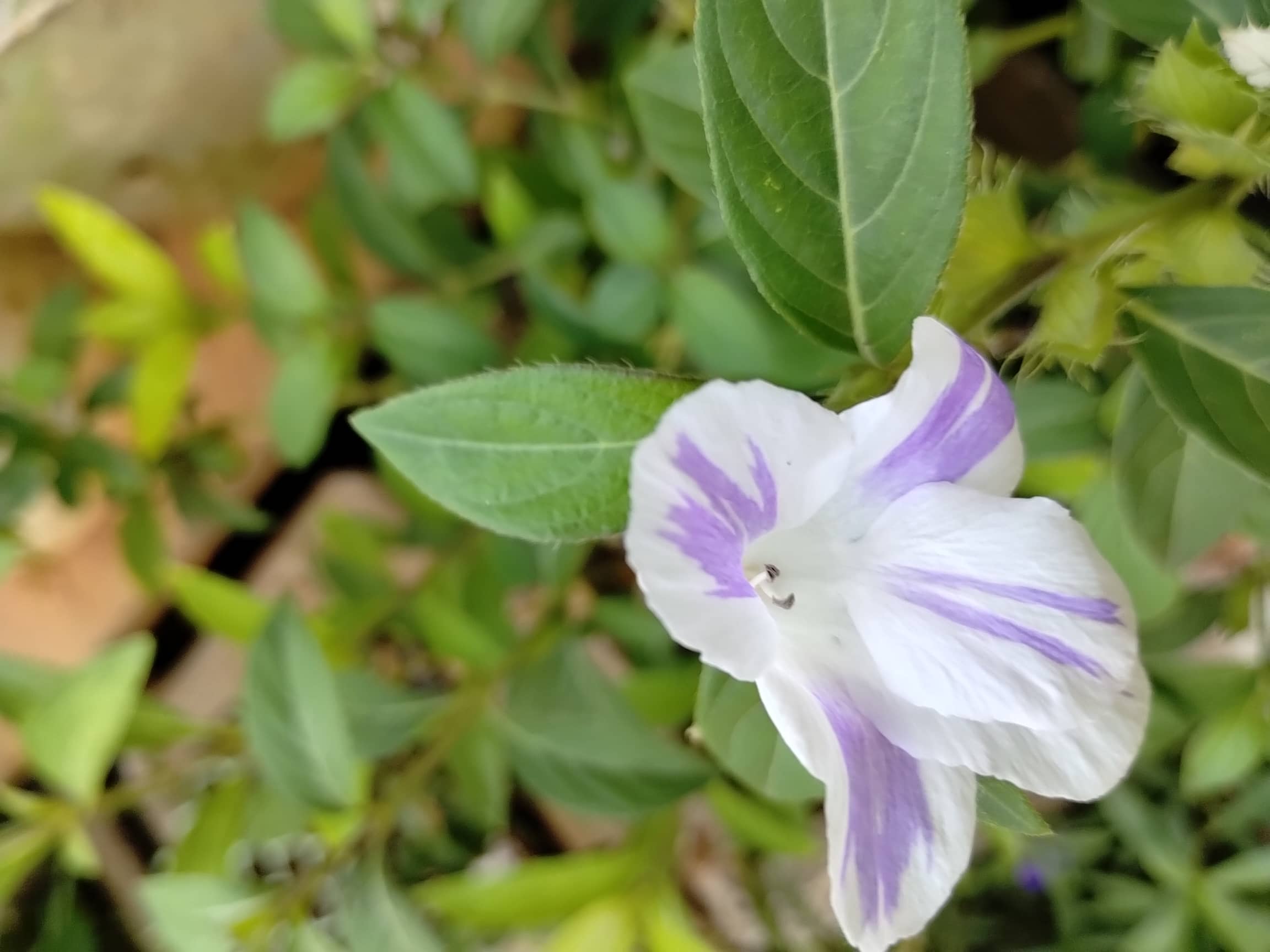
Barleria Cristata,Barleria prioniti
Basic Details
Floral Formula & Features
Ebracteate (though has large leaf-like bracts), bilaterally symmetrical (zygomorphic), bisexual, 5 fused sepals, 5 fused petals forming two-lipped tube (4 upper lobes + 1 lower lobe), 4 stamens in 2 pairs (didynamous), 2 fused carpels with superior ovary
- Named after French botanist Jacques Barrelier (1606-1673). 'Cristata' from Latin 'crested' for distinctive crested bracts. 'Prionitis' means 'saw-toothed' for spiny bracts. Common name 'December' for winter blooming peak. 'Philippine Violet' for violet-blue flowers and Philippine origin. About 300 Barleria species worldwide
- Flowers 1-2 inches (2.5-5 cm) long, tubular with 5-lobed corolla (4 lobes forming upper lip, 1 forming lower lip). Colors include purple, blue, violet, pink, white, and yellow. Distinctive feature is 4 large, leaf-like bracts (often spiny in B. prionitis, crested in B. cristata) surrounding flowers. Blooms in terminal or axillary clusters
- Evergreen perennial shrub that blooms nearly year-round in tropical climates, with peak flowering in winter (December-February). In subtropical areas, blooms spring through fall. Fast-growing, reaching mature size in 2-3 years. Can be pruned as hedge or grown as specimen plant
- Grows 2-4 feet (60-120 cm) tall and wide, some species to 6 feet. Bushy, dense growth habit. Lifespan of many years (10-15+). Propagated easily from semi-hardwood cuttings (root in 2-3 weeks), seeds, or layering. Responds well to pruning
- Native to tropical Asia including India, Myanmar, Thailand, Philippines, and southern China. B. cristata from India and Myanmar; B. prionitis from India and Southeast Asia. Found in tropical forests, scrublands, and disturbed areas. Widely cultivated in tropical and subtropical regions worldwide
- Thrives in full sun to partial shade (blooms best in sun). Adapts to various well-drained soils. Drought tolerant once established but blooms better with regular water. Tolerates heat and humidity. Frost tender (damaged below 32°F/0°C). Prune after flowering to maintain shape
- Popular hedge, border, and foundation plant in tropical gardens. Attracts butterflies, bees, and hummingbirds. Used extensively in Ayurvedic medicine—leaves and roots for fever, cough, toothache, and inflammation. B. prionitis used for jaundice and respiratory ailments. Low maintenance and pest-resistant. Can become weedy in some tropical areas
Names in Different Languages
What is Floral Formula?
A floral formula is a symbolic representation of a flower's structure using letters, numbers, and special symbols. It provides a concise way to describe the arrangement and number of floral parts.
This formula describes the flower's symmetry, sepals, petals, stamens, and carpels in a standardized format.
Formula Sequence
- Bract: Br or Ebr
- Bracteole: Brl or Ebrl
- Symmetry: % (Radial) or ⊕ (Bilateral)
- Sex: ♀ (Female), ♂ (Male), or ⚥ (Bisexual)
- Calyx/Sepal: K<number> (Free or Fused)
- Corolla/Petal: C<number> (Free or Fused)
- Androecium: A<number> (Free or Fused)
- Gynaecium: G<number> (Superior or Inferior Ovary)
Symbol Meanings
- Numbers: Indicate quantity of parts
- Parentheses (): Parts are fused together
- Plus (+): Parts in different whorls
- Underline: Superior ovary position
- Overline: Inferior ovary position
- ∞: Numerous parts (too many to count)
Understanding floral formulas helps botanists quickly identify and classify flowers based on their structural characteristics.
Similar Flowers
Discover flowers that share botanical characteristics
Same Family
4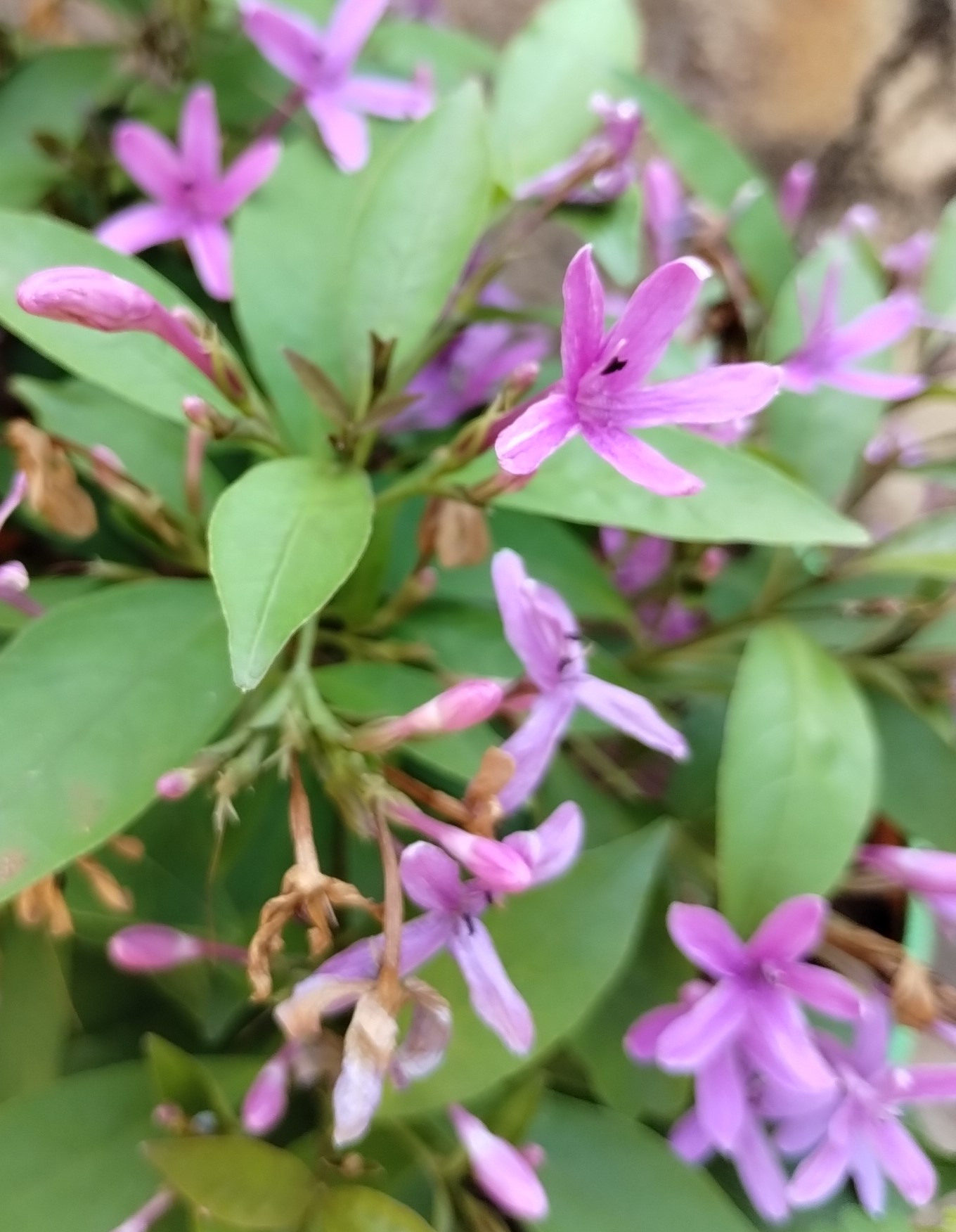
Pseuderanthemum
Pseuderanthemum
Striking tropical perennial shrub prized for its spectacular ornamental foliage ...
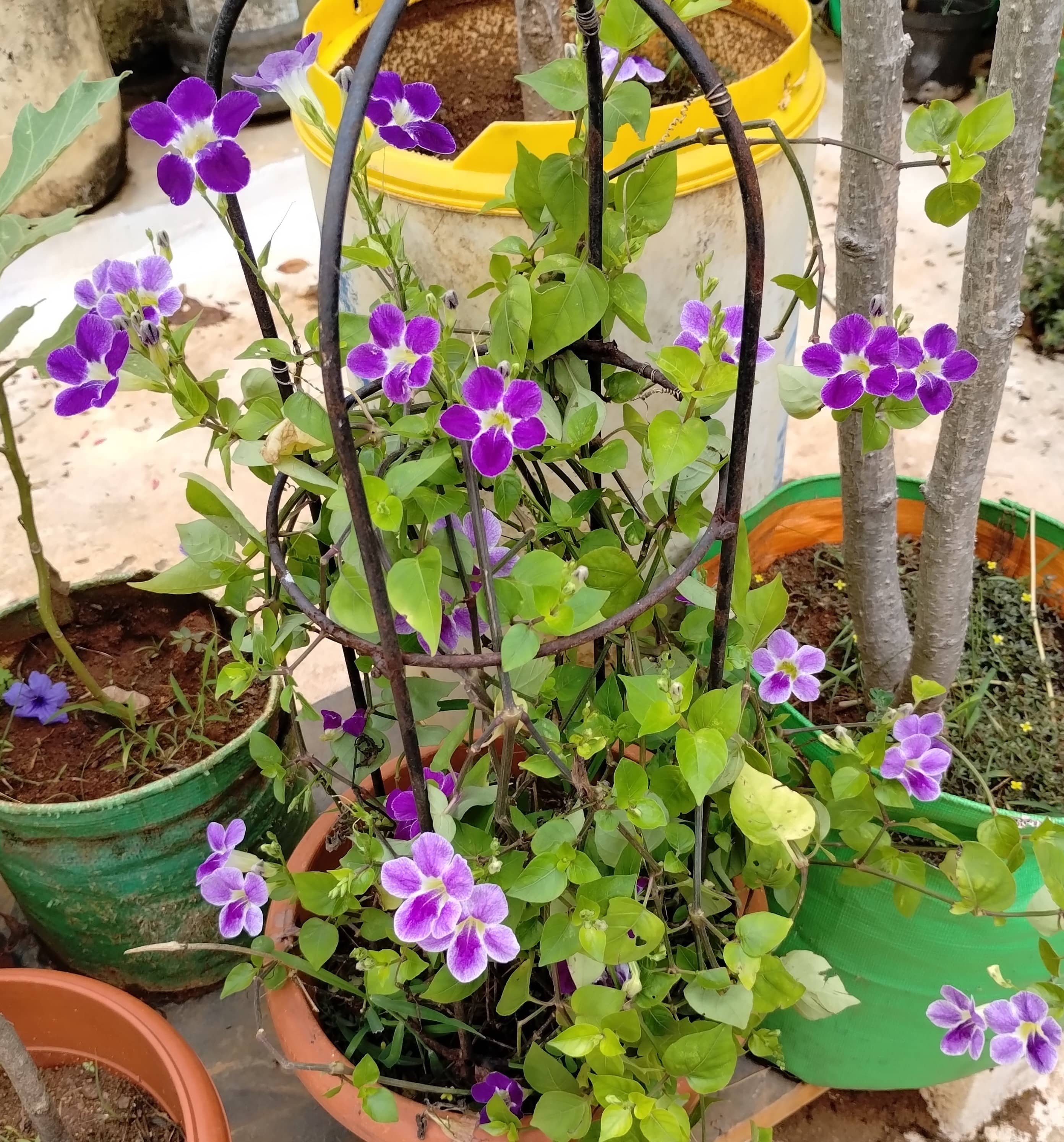
Thunbergia Bush Clock Vine
Thunbergia erecta
Versatile tropical plant producing stunning trumpet-shaped flowers in shades of ...
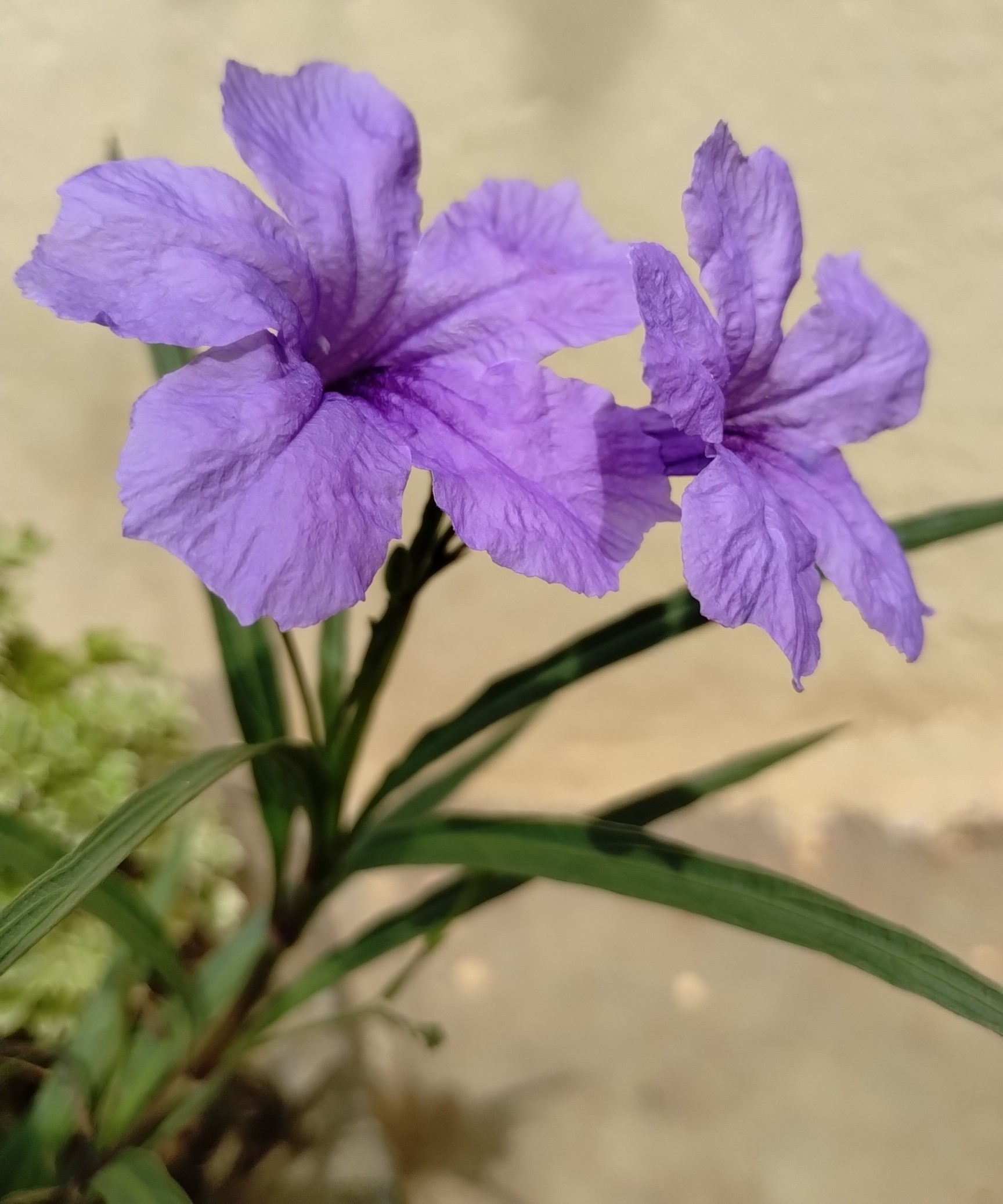
Mexican Petunia
Ruellia simplex
Vigorous perennial producing trumpet-shaped flowers resembling petunias in shade...
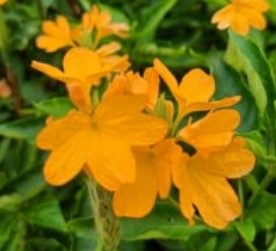
Crossandra Firecracker
Crossandra infundibuliformis
Attractive evergreen shrub featuring distinctive fan-shaped flowers in vibrant s...
Similar Characteristics
4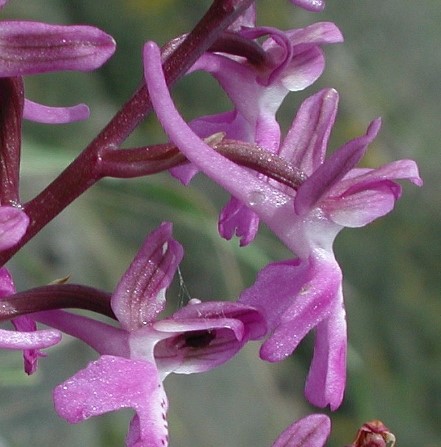
Orchis Orchid
Orchis
Classic terrestrial orchid featuring dense spikes of hooded flowers in shades of...
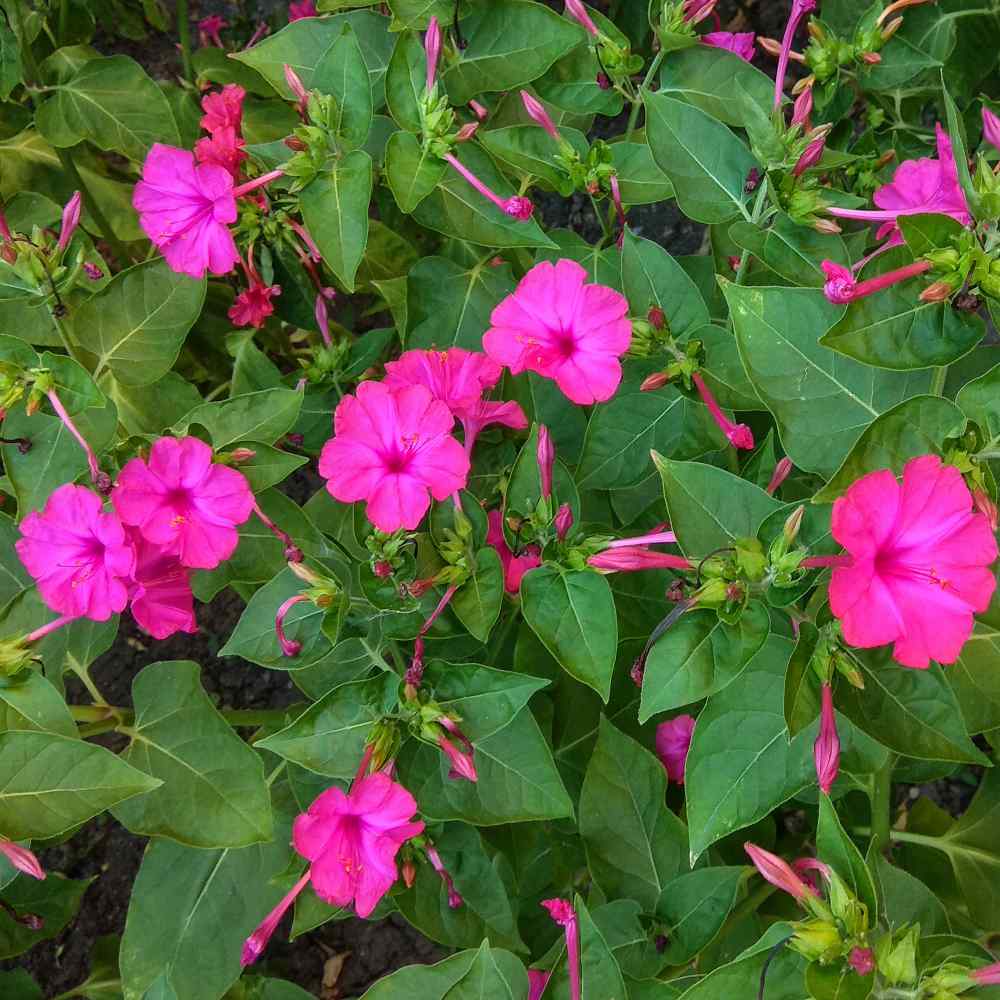
Four o'clock
Mirabilis jalapa
Charming bushy perennial named for flowers that open in late afternoon (typicall...
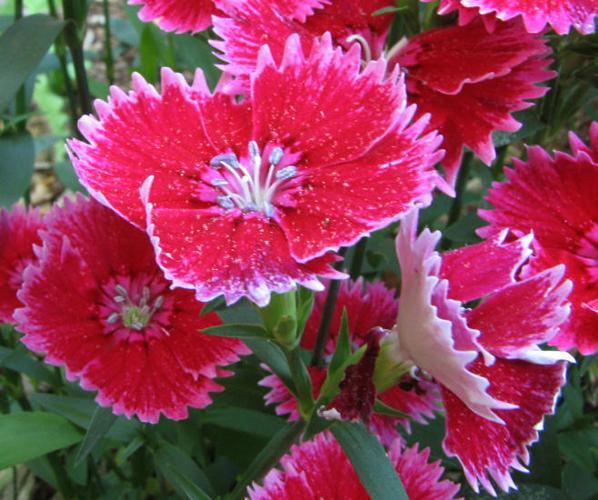
Sweet William (Dianthus barbatus)
Dianthus
Charming cottage garden biennial featuring dense, rounded clusters of small, fri...
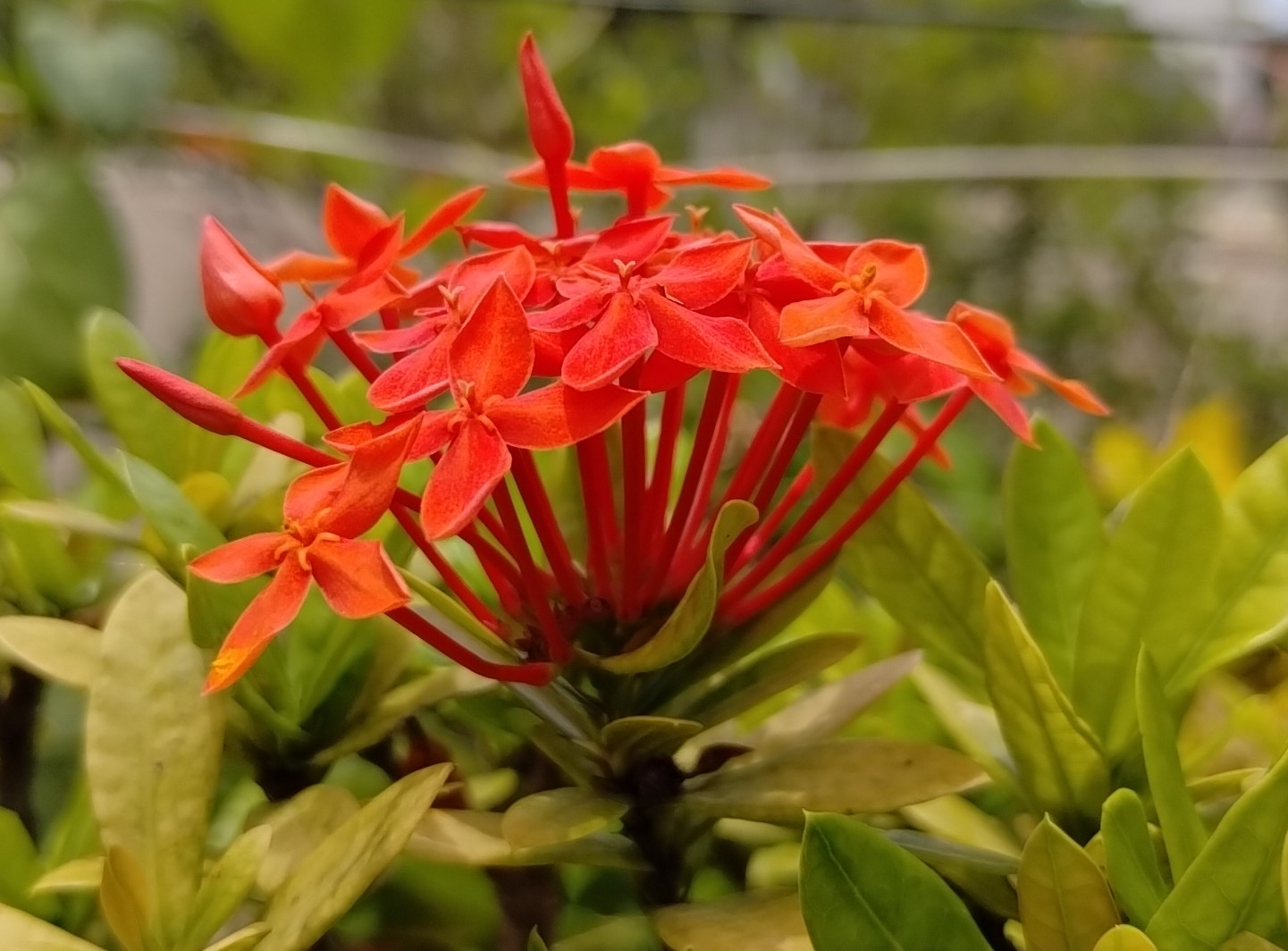
Ixora
Ixora coccinea
Vibrant tropical shrub featuring dense, rounded clusters of small, tubular flowe...