
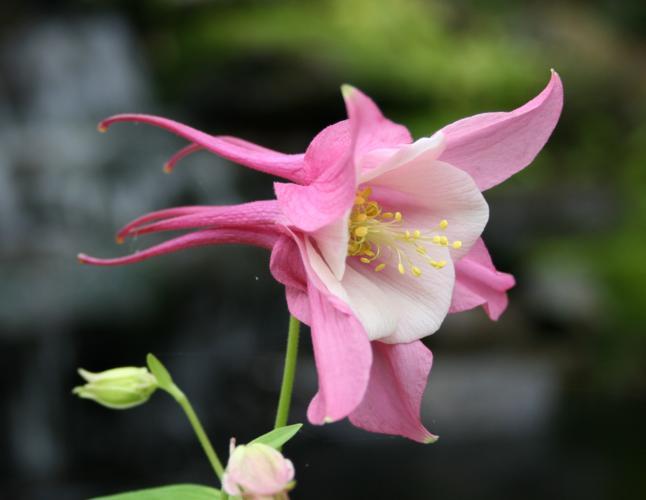
Columbine
Aquilegia
Basic Details
Floral Formula & Features
Ebracteate (no bracts), radially symmetrical (actinomorphic overall, though individual petals spurred), bisexual, 5 free petal-like sepals, 5 free petals with backward-projecting spurs, numerous free stamens (30-50), 5 free carpels with superior ovaries
- Name 'Columbine' from Latin 'columba' (dove)—inverted flowers resemble cluster of doves. 'Aquilegia' from Latin 'aquila' (eagle) for spur shape like eagle's talons. 'Granny's Bonnet' describes bonnet-like flower shape. State flower of Colorado (A. caerulea). About 70 species worldwide
- Flowers 1-3 inches (2.5-7.5 cm) across with complex structure: 5 petal-like sepals, 5 tubular petals with backward-projecting spurs 0.5-3 inches long containing nectar. Nodding blooms on wiry stems above foliage. Colors include blue, purple, red, pink, yellow, white, and striking bicolors. Spur length varies by species
- Herbaceous perennial that blooms late spring to early summer (April-July depending on climate and species). Short-lived perennial (2-4 years) but self-seeds readily for continuous presence. Foliage resembles maidenhair fern with compound, lobed leaves
- Grows 1-3 feet (30-90 cm) tall depending on species (dwarf varieties 6-12 inches, standard 18-30 inches). Lifespan of 2-4 years but perpetuates through self-seeding. Propagated from seed (sow fresh in fall or stratify) or careful division in early spring
- Native throughout Northern Hemisphere temperate zones. Species native to specific regions: A. vulgaris (Europe), A. canadensis (eastern North America), A. caerulea (Rocky Mountains), A. formosa (western North America), A. flabellata (Japan). Found in woodlands, meadows, and rocky slopes
- Prefers partial shade to full shade, especially in hot climates (tolerates more sun in cool regions). Requires moist, well-drained soil rich in organic matter. Performs best in cool climates. Deadhead to prevent excessive self-seeding. Foliage may develop leaf miners (cosmetic damage only)
- Excellent for woodland gardens, shade borders, and cottage gardens. Long spurs attract hummingbirds; short-spurred species attract bees and butterflies. Deer and rabbit resistant (foliage toxic). Seeds provide food for birds. Self-seeds but not invasive. All parts mildly toxic if ingested
Names in Different Languages
What is Floral Formula?
A floral formula is a symbolic representation of a flower's structure using letters, numbers, and special symbols. It provides a concise way to describe the arrangement and number of floral parts.
This formula describes the flower's symmetry, sepals, petals, stamens, and carpels in a standardized format.
Formula Sequence
- Bract: Br or Ebr
- Bracteole: Brl or Ebrl
- Symmetry: % (Radial) or ⊕ (Bilateral)
- Sex: ♀ (Female), ♂ (Male), or ⚥ (Bisexual)
- Calyx/Sepal: K<number> (Free or Fused)
- Corolla/Petal: C<number> (Free or Fused)
- Androecium: A<number> (Free or Fused)
- Gynaecium: G<number> (Superior or Inferior Ovary)
Symbol Meanings
- Numbers: Indicate quantity of parts
- Parentheses (): Parts are fused together
- Plus (+): Parts in different whorls
- Underline: Superior ovary position
- Overline: Inferior ovary position
- ∞: Numerous parts (too many to count)
Understanding floral formulas helps botanists quickly identify and classify flowers based on their structural characteristics.
Similar Flowers
Discover flowers that share botanical characteristics
Same Family
4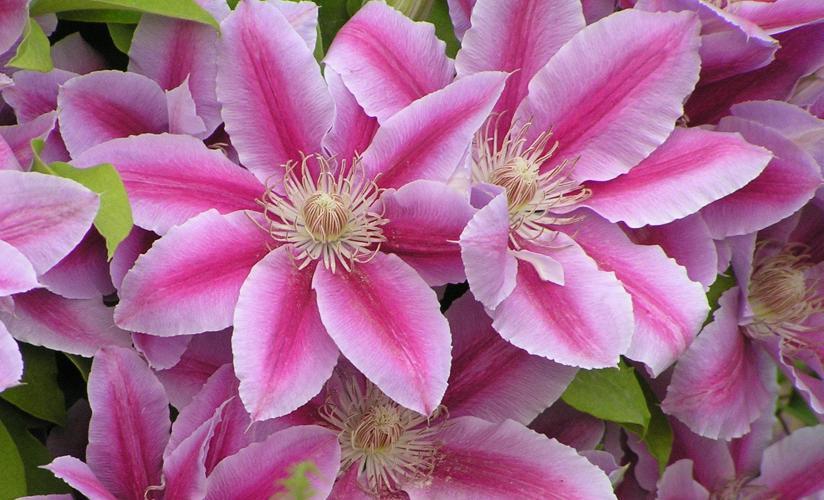
Clematis
Clematis
Spectacular flowering vine featuring large, showy blooms in star or bell shapes ...
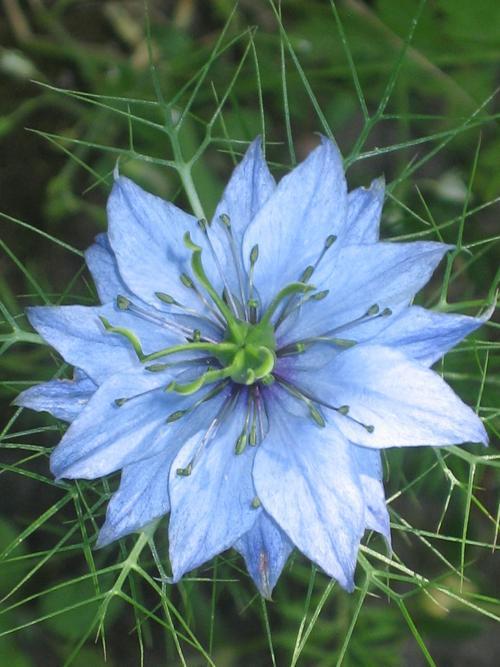
Love in a mist
Nigella damascena
Charming cottage garden annual featuring delicate jewel-like flowers in shades o...
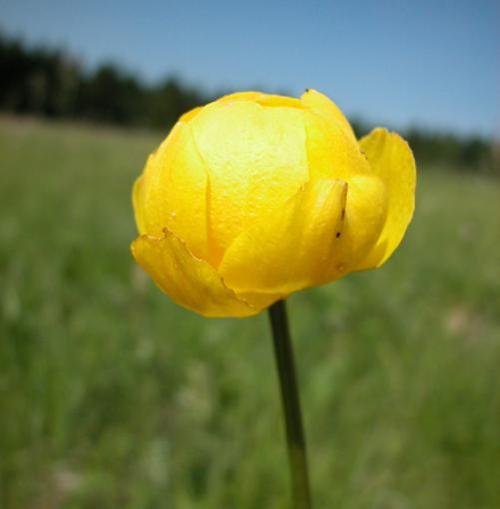
Globe flower
Trollius
Charming perennial featuring perfectly spherical, globe-shaped flowers resemblin...
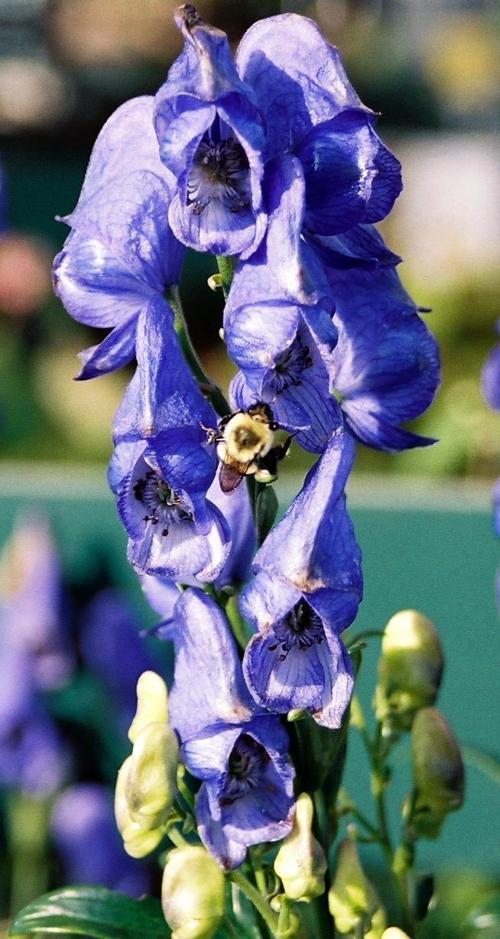
Monkshood
Aconitum napellus
Strikingly beautiful but DEADLY POISONOUS perennial with distinctive helmet or h...
Similar Characteristics
4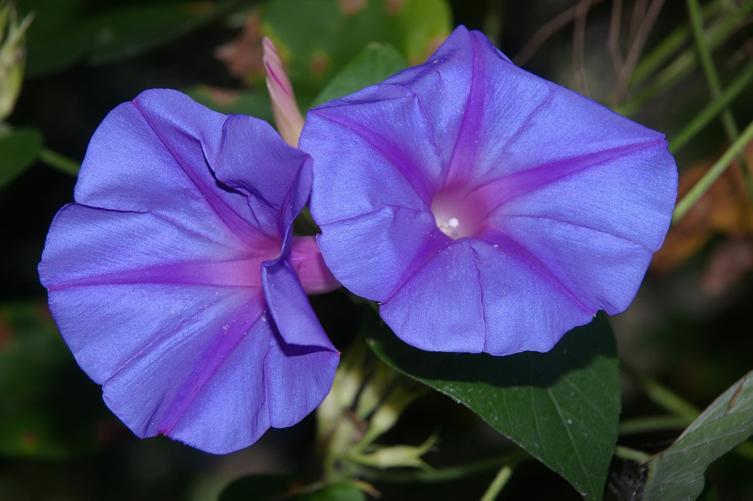
Morning Glory
Ipomoea tricolor
Fast-growing annual vine with trumpet-shaped flowers in vibrant blue, purple, pi...
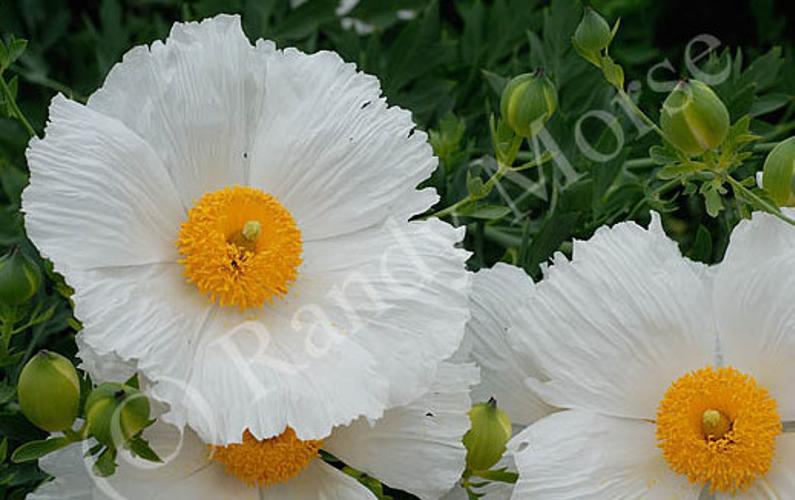
Tree Poppy
Dendromecon
Rare California native evergreen shrub producing abundant satiny, golden-yellow ...
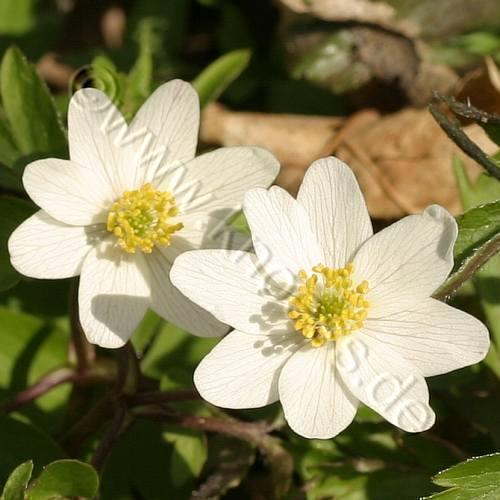
Windflower
Anemone
Graceful perennial named for delicate blooms that dance and sway in slightest br...
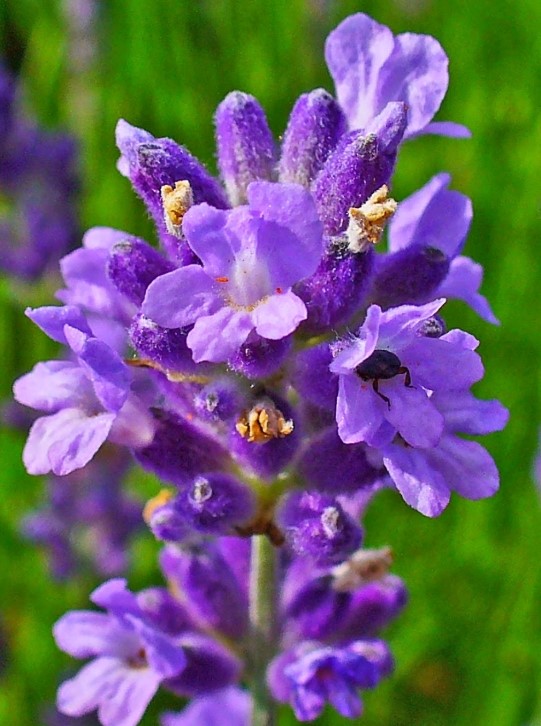
Lavender
Lavandula angustifolia
Iconic aromatic herb featuring slender spikes of small, intensely fragrant flowe...