
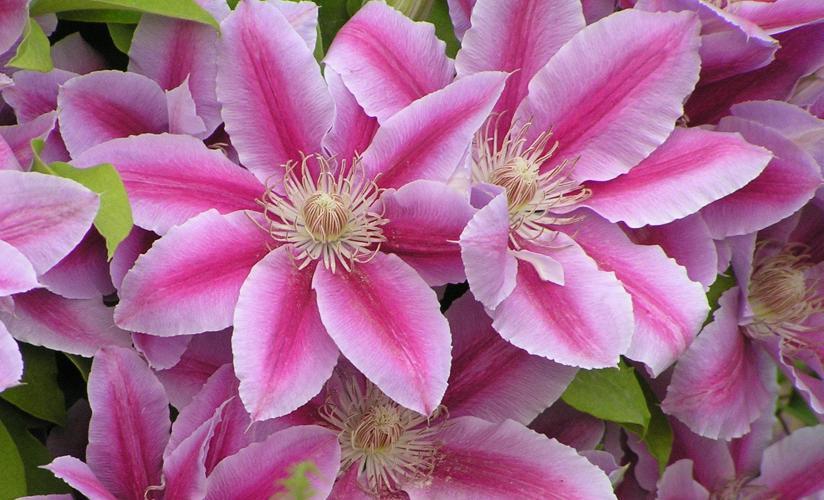
Clematis
Clematis
Basic Details
Floral Formula & Features
Ebracteate (no bracts), radially symmetrical (actinomorphic), bisexual, 4-8 free sepals (petal-like, colorful), no true petals, numerous free stamens, numerous free carpels (apocarpous) with superior ovaries. What appear as petals are actually sepals
- Name 'Clematis' from Greek 'klematis' meaning 'climbing plant' or 'vine shoot.' 'Virgin's Bower' refers to arbor-like growth. 'Old Man's Beard' describes feathery seed heads. 'Traveller's Joy' (C. vitalba) for cheerful roadside displays. Over 300 species and thousands of cultivars
- Flowers 2-10 inches (5-25 cm) across depending on variety. No true petals—showy parts are colorful sepals (4-8, typically 6). Colors include purple, blue, pink, red, white, yellow, and bicolors. Forms range from flat stars to nodding bells. Many varieties fragrant. Blooms single or in clusters
- Deciduous or evergreen perennial vine. Bloom time varies by pruning group: Group 1 (spring, March-May on old wood), Group 2 (late spring-early summer, May-June on old and new wood), Group 3 (summer-fall, July-October on new wood). Vines climb by twining leaf stalks around supports
- Climbs 6-30 feet (2-9 m) depending on variety (compact 3-6 feet, medium 8-12 feet, vigorous 15-30 feet). Lifespan of 15-25+ years. Propagated from softwood cuttings in spring, semi-hardwood in summer, layering, or seed (species only)
- Native throughout temperate Northern Hemisphere including Europe, Asia, and North America. Different species from specific regions: C. montana (Himalayas), C. armandii (China), C. virginiana (eastern North America). Found in woodlands, hedgerows, and rocky slopes
- Requires 'head in sun, feet in shade'—blooms need 6+ hours of sunlight while roots prefer cool, shaded soil. Plant 2-3 inches deeper than pot level. Needs support structure for twining. Prefers moist, well-drained, slightly alkaline soil (pH 6.5-7.5). Mulch roots to keep cool
- Excellent for vertical interest on trellises, arbors, fences, and walls. Attracts bees, butterflies, and hummingbirds. Deer resistant. Seed heads provide winter interest and nesting material for birds. Sap can cause skin irritation—wear gloves when pruning. Divided into 3 pruning groups for proper care
Names in Different Languages
What is Floral Formula?
A floral formula is a symbolic representation of a flower's structure using letters, numbers, and special symbols. It provides a concise way to describe the arrangement and number of floral parts.
This formula describes the flower's symmetry, sepals, petals, stamens, and carpels in a standardized format.
Formula Sequence
- Bract: Br or Ebr
- Bracteole: Brl or Ebrl
- Symmetry: % (Radial) or ⊕ (Bilateral)
- Sex: ♀ (Female), ♂ (Male), or ⚥ (Bisexual)
- Calyx/Sepal: K<number> (Free or Fused)
- Corolla/Petal: C<number> (Free or Fused)
- Androecium: A<number> (Free or Fused)
- Gynaecium: G<number> (Superior or Inferior Ovary)
Symbol Meanings
- Numbers: Indicate quantity of parts
- Parentheses (): Parts are fused together
- Plus (+): Parts in different whorls
- Underline: Superior ovary position
- Overline: Inferior ovary position
- ∞: Numerous parts (too many to count)
Understanding floral formulas helps botanists quickly identify and classify flowers based on their structural characteristics.
Similar Flowers
Discover flowers that share botanical characteristics
Same Family
4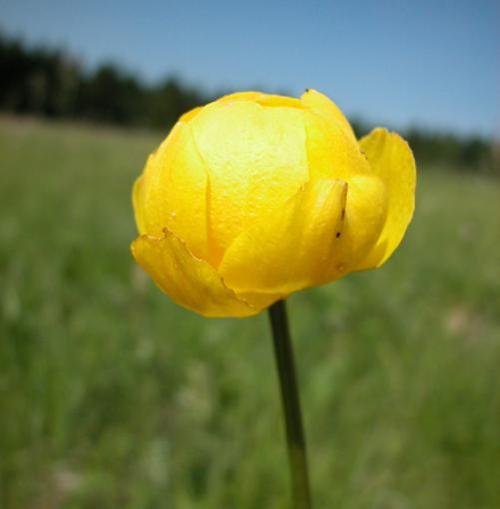
Globe flower
Trollius
Charming perennial featuring perfectly spherical, globe-shaped flowers resemblin...
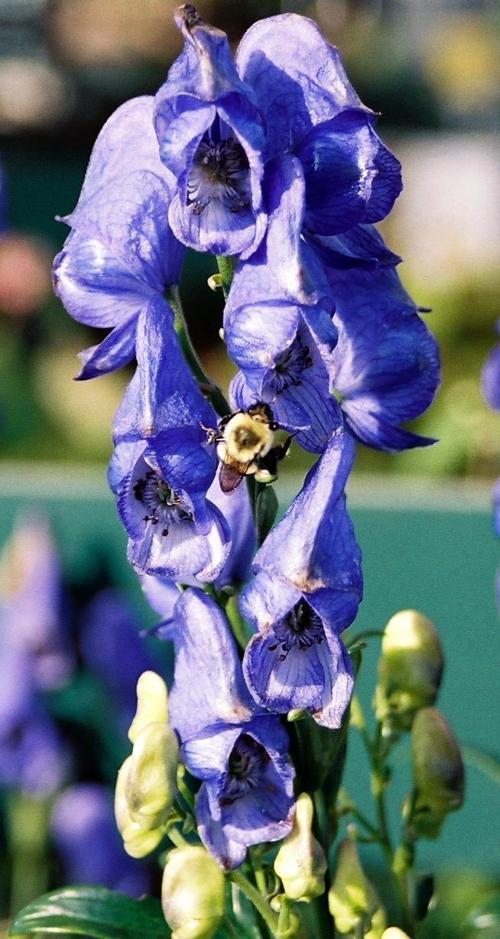
Monkshood
Aconitum napellus
Strikingly beautiful but DEADLY POISONOUS perennial with distinctive helmet or h...
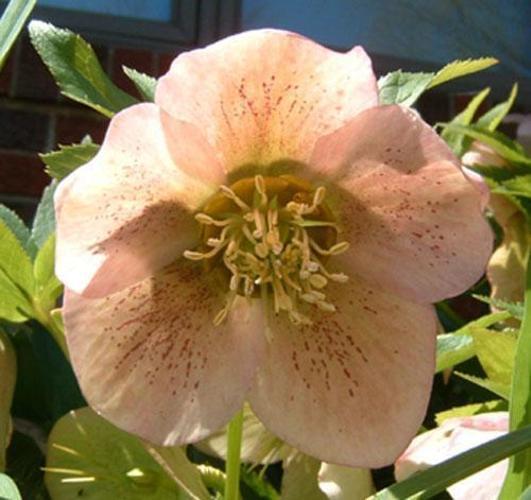
Lenten rose
Helleborus orientalis
Elegant shade-loving perennial featuring nodding, cup or saucer-shaped flowers i...
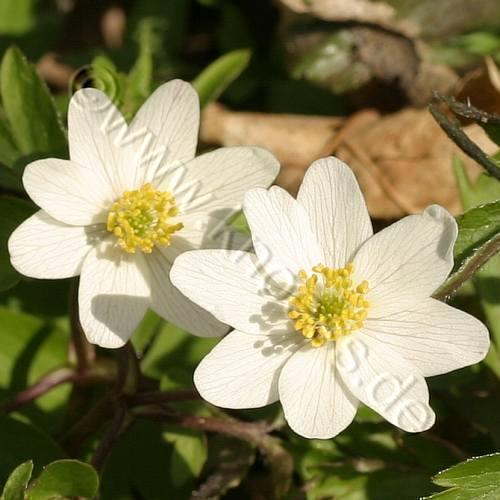
Windflower
Anemone
Graceful perennial named for delicate blooms that dance and sway in slightest br...
Similar Characteristics
4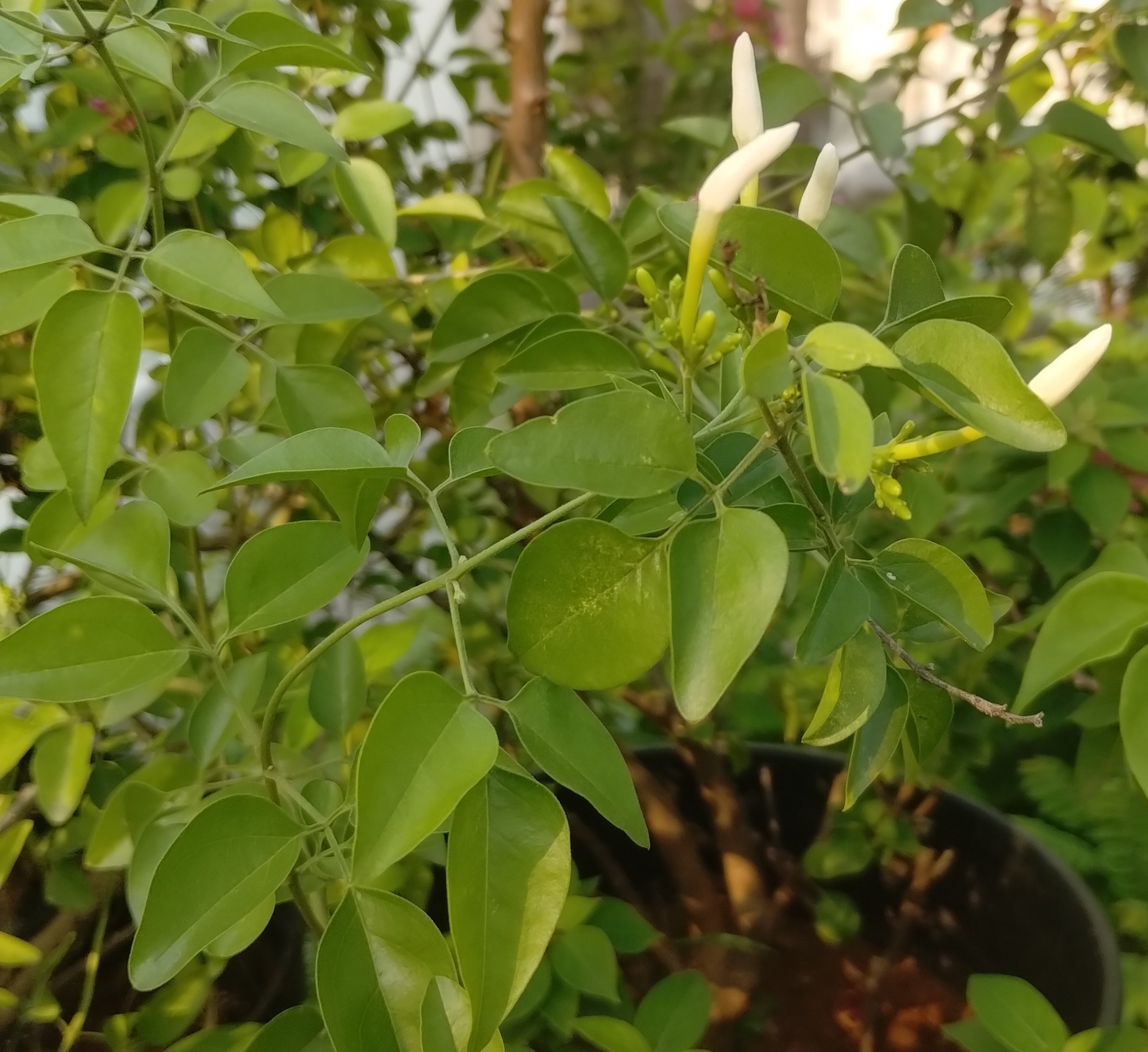
River Jasmine (Fluminense)
Jasminum fluminense
Vigorous evergreen climbing vine producing clusters of small, white, star-shaped...
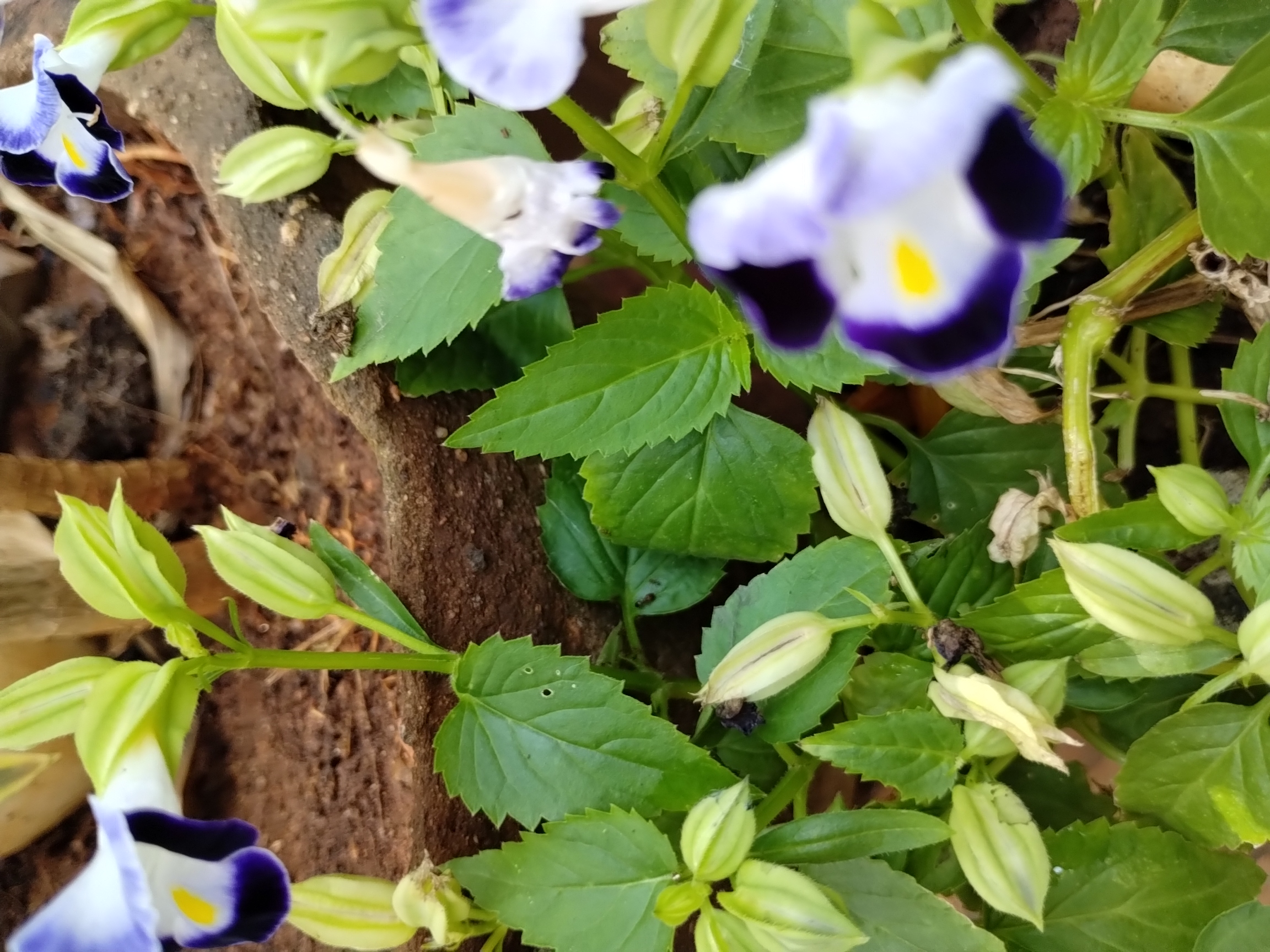
Bluewings
Torenia fournieri
Charming shade-loving annual featuring small trumpet-shaped flowers with distinc...
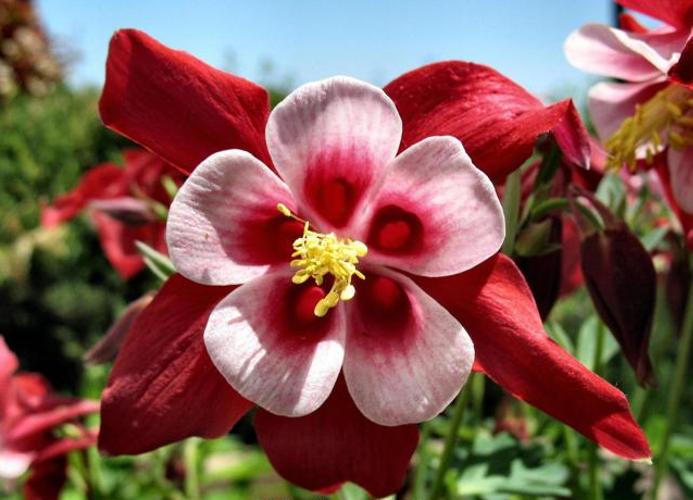
Cattleya orchids
Cattleya
Spectacular epiphytic orchids renowned as 'Queen of Orchids' for their large, sh...
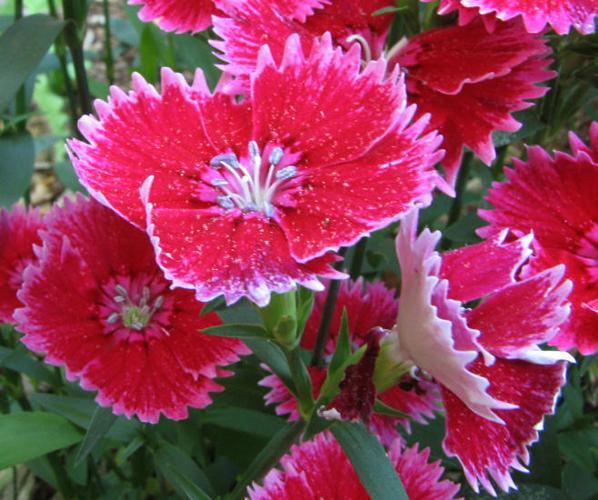
Sweet William (Dianthus barbatus)
Dianthus
Charming cottage garden biennial featuring dense, rounded clusters of small, fri...