
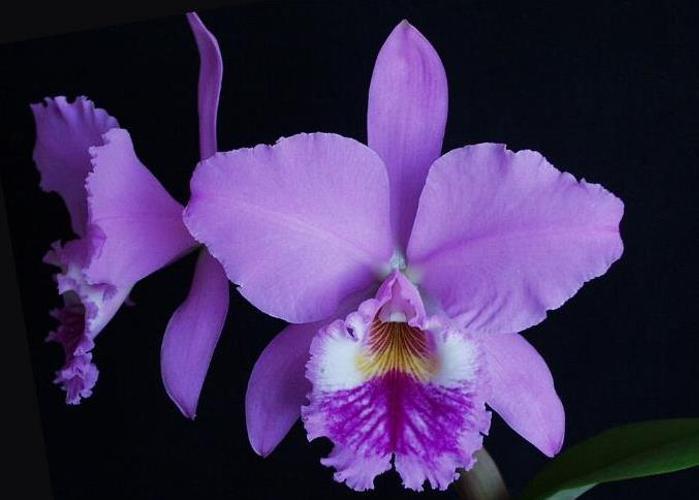
Cattleya orchids
Cattleya
Basic Details
Floral Formula & Features
Ebracteate (no bracts), bilaterally symmetrical (zygomorphic), bisexual, 6 tepals in 2 whorls (3 sepals + 3 petals with 1 petal modified into prominent lip/labellum), 1 functional stamen fused with style into column (gynostemium), 3 fused carpels with inferior ovary. Resupinate flower (twisted 180° so lip is lowermost)
- Named after English horticulturist William Cattley who successfully flowered first specimen in 1824. Called 'Queen of Orchids' for regal beauty and large size. 'Corsage Orchid' from traditional use in formal corsages and boutonnieres. Genus includes about 113 species and countless hybrids
- Flowers 3-8 inches (7-20 cm) across with 3 sepals, 2 lateral petals, and prominent modified petal (lip/labellum) often ruffled and frilled. Lip typically has contrasting color or pattern. Blooms single or in clusters of 2-5. Many varieties intensely fragrant. Colors include pink, purple, lavender, white, yellow, orange, red, and bicolors
- Epiphytic perennial growing on trees in nature (not parasitic). Sympodial growth from rhizome producing pseudobulbs (thickened stems storing water/nutrients). Blooms once or twice yearly depending on species—spring bloomers (March-May) or fall bloomers (September-November). Individual flowers last 2-6 weeks
- Plant size 6-24 inches (15-60 cm) tall depending on species. Pseudobulbs 2-8 inches long. Lifespan of many decades with proper care. Propagated by dividing rhizome (minimum 3-4 pseudobulbs per division) or from seed (requires sterile laboratory conditions)
- Native to Central and South America from Mexico through Costa Rica, Colombia, Venezuela, Brazil to Argentina. Found in cloud forests and rainforests at elevations 1,000-6,000 feet, growing on tree branches and rocks. C. labiata (type species) from Brazil
- Requires bright, indirect light (2,000-3,000 foot-candles, no direct sun). Prefers intermediate to warm temperatures: days 70-85°F (21-29°C), nights 55-65°F (13-18°C). Needs high humidity (50-70%) with good air circulation. Water when potting medium nearly dry. Grow in coarse, well-draining orchid bark mix
- Premium cut flower and potted plant. National flower of Colombia (C. trianae) and Costa Rica (C. skinneri). Extensively hybridized—over 20,000 registered hybrids. Requires specific care but rewards with spectacular blooms. Popular with orchid collectors. Non-toxic to pets
Names in Different Languages
What is Floral Formula?
A floral formula is a symbolic representation of a flower's structure using letters, numbers, and special symbols. It provides a concise way to describe the arrangement and number of floral parts.
This formula describes the flower's symmetry, sepals, petals, stamens, and carpels in a standardized format.
Formula Sequence
- Bract: Br or Ebr
- Bracteole: Brl or Ebrl
- Symmetry: % (Radial) or ⊕ (Bilateral)
- Sex: ♀ (Female), ♂ (Male), or ⚥ (Bisexual)
- Calyx/Sepal: K<number> (Free or Fused)
- Corolla/Petal: C<number> (Free or Fused)
- Androecium: A<number> (Free or Fused)
- Gynaecium: G<number> (Superior or Inferior Ovary)
Symbol Meanings
- Numbers: Indicate quantity of parts
- Parentheses (): Parts are fused together
- Plus (+): Parts in different whorls
- Underline: Superior ovary position
- Overline: Inferior ovary position
- ∞: Numerous parts (too many to count)
Understanding floral formulas helps botanists quickly identify and classify flowers based on their structural characteristics.
Similar Flowers
Discover flowers that share botanical characteristics
Same Family
4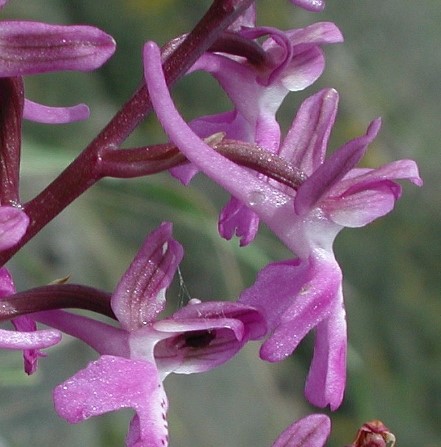
Orchis Orchid
Orchis
Classic terrestrial orchid featuring dense spikes of hooded flowers in shades of...
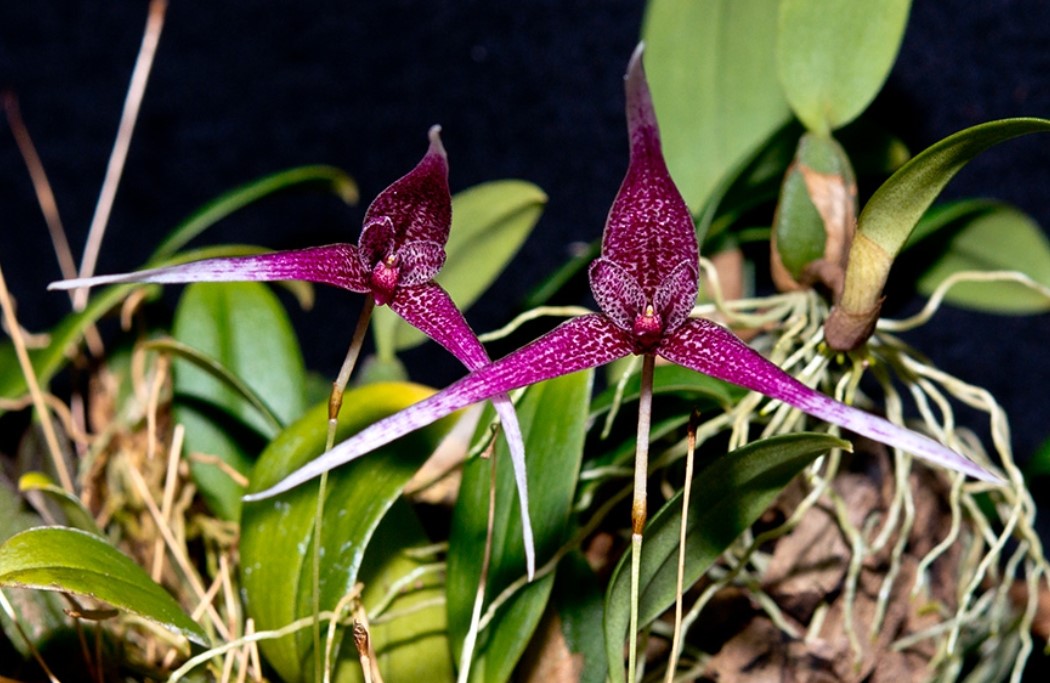
Bulbophyllum Orchid
Bulbophyllum
Fascinating and highly diverse orchid genus featuring some of the most bizarre a...
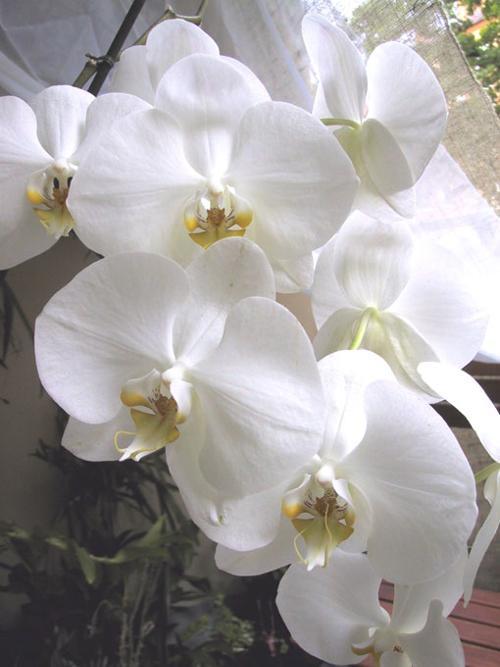
Moon Orchid
Phalaenopsis amabilis
Elegant epiphytic orchid with graceful arching sprays of pristine white moth-lik...
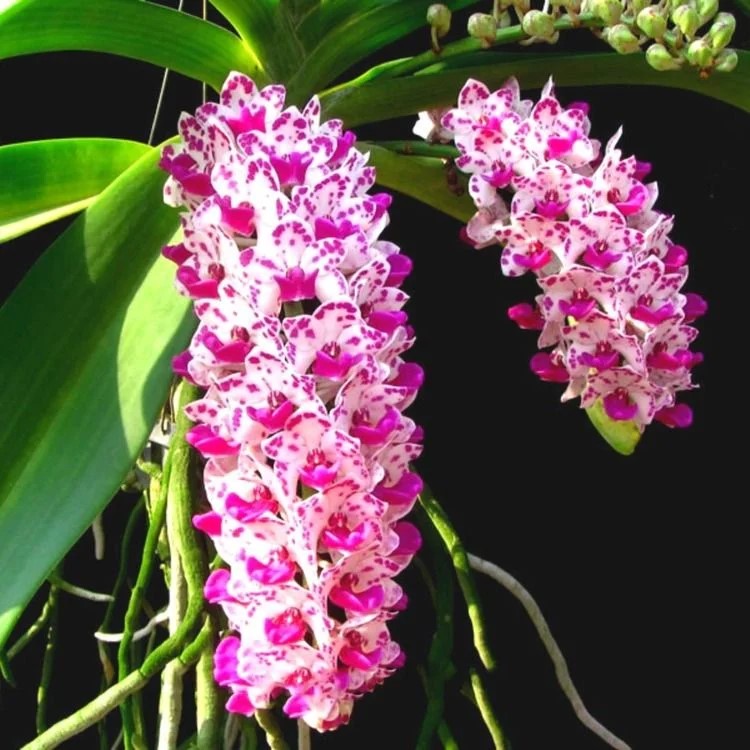
Fox Tail Orchid
Rhynchostylis
Striking epiphytic orchid with dense, cylindrical flower spikes resembling a fox...
Similar Characteristics
4Fox Tail Orchid
Rhynchostylis
Striking epiphytic orchid with dense, cylindrical flower spikes resembling a fox...
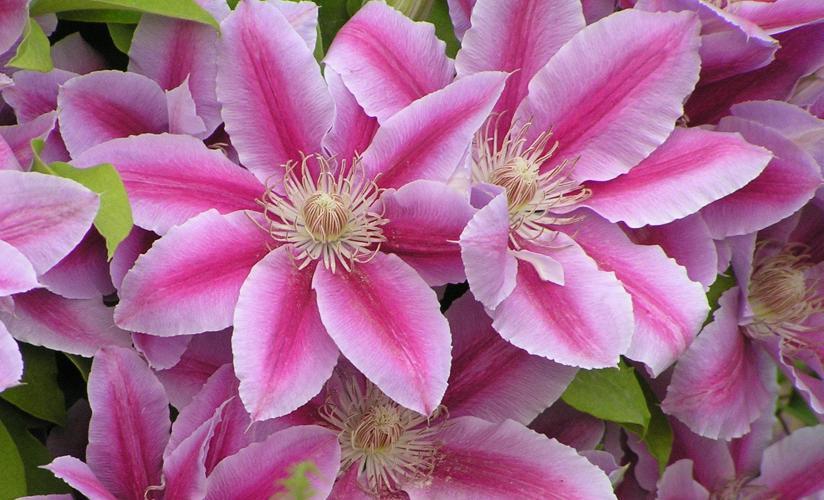
Clematis
Clematis
Spectacular flowering vine featuring large, showy blooms in star or bell shapes ...
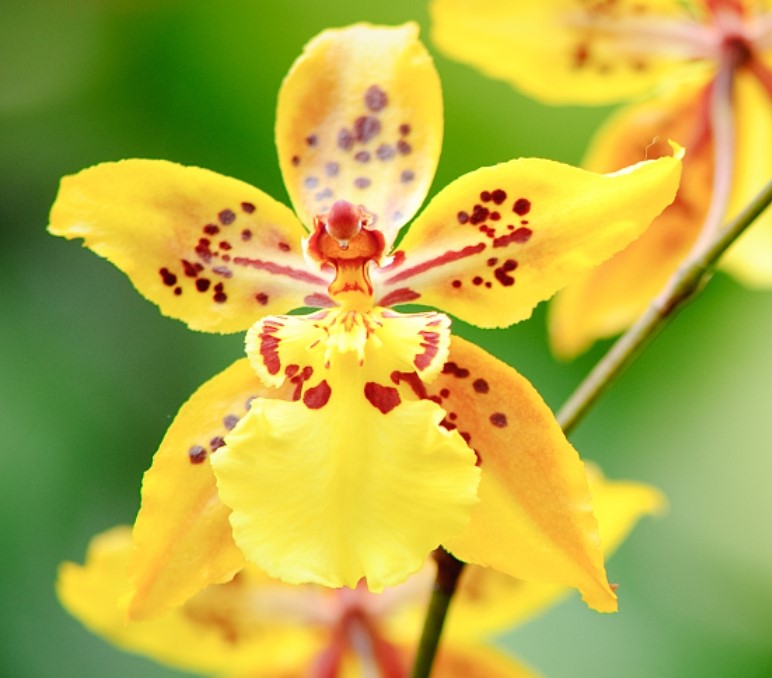
Tolumnia Orchid
Tolumnia
Charming miniature orchid featuring vibrant, intricately patterned flowers that ...
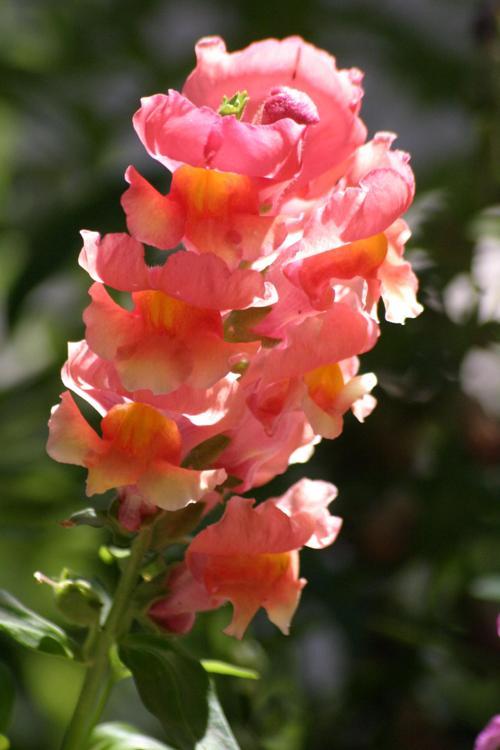
Antirrhinum
Antirrhinum
Charming cottage garden favorite with distinctive two-lipped flowers that open a...