
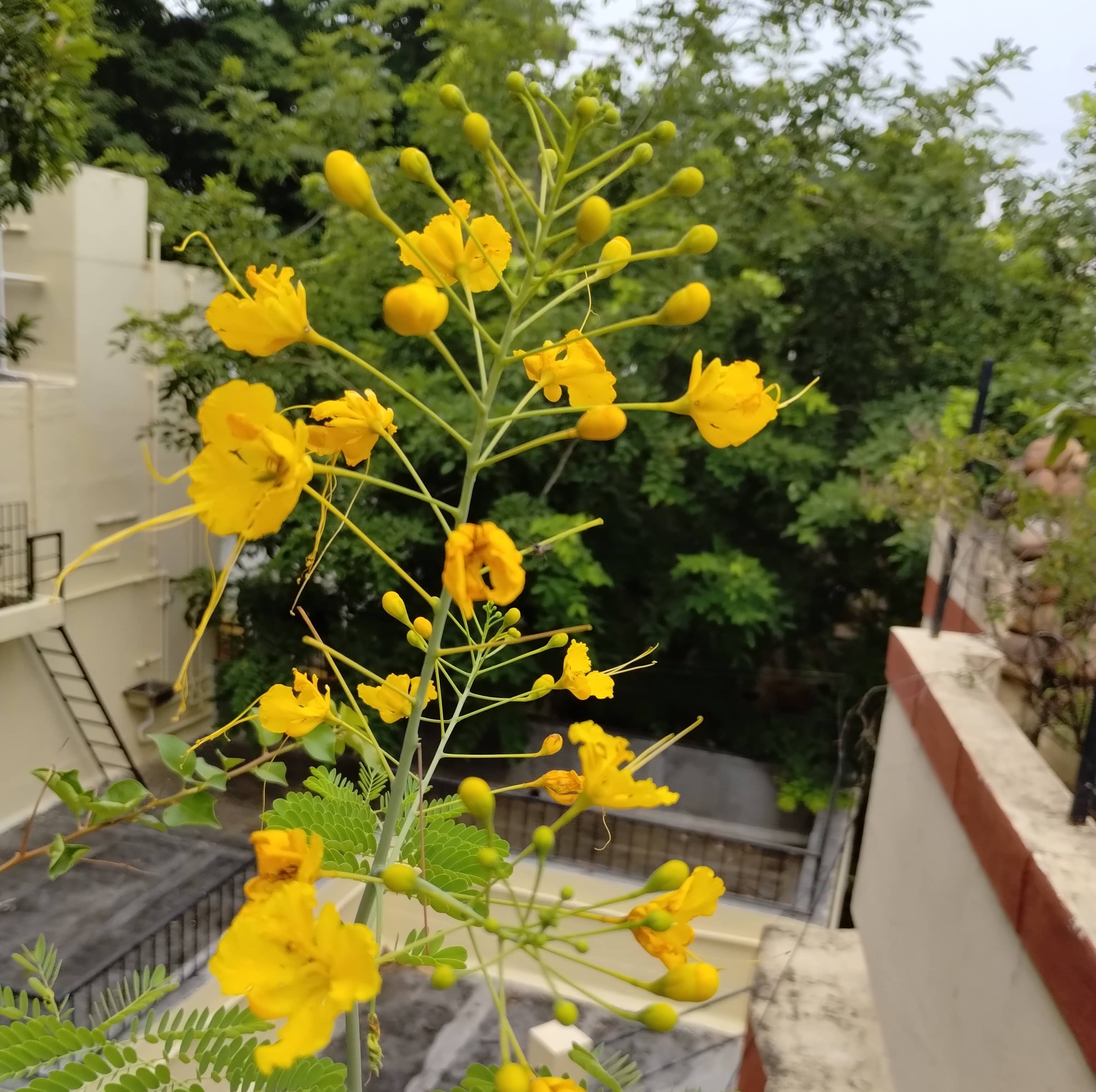
Caesalpinia
Caesalpinia pulcherrima
Basic Details
Floral Formula & Features
Bracteate (bracts present), bilaterally symmetrical (slightly zygomorphic), bisexual, 5 free sepals, 5 free clawed petals (unequal sizes), 10 free stamens (declinate, curving downward), 1 free carpel (monocarpellary) with superior ovary
- Named after Italian botanist Andrea Cesalpino (1519-1603). Called 'Peacock Flower' for its flamboyant, multicolored blooms resembling peacock tail feathers. 'Pride of Barbados' reflects its prominence in Caribbean landscapes
- Flowers 1.5-2 inches (4-5 cm) across with 5 crinkled, spoon-shaped petals (typically orange-red with yellow margins) and 10 long, bright red stamens extending 2-3 inches beyond petals. Blooms arranged in upright racemes 8-12 inches long at branch tips
- Evergreen to semi-deciduous shrub or small tree that blooms year-round in frost-free tropical climates, with peak flowering spring through fall. In subtropical areas, blooms late summer to fall. Produces flat seed pods 3-4 inches long
- Grows 6-15 feet (2-4.5 m) tall with equal spread, can reach 20 feet in ideal conditions. Lifespan of 15-30+ years. Fast-growing, adding 2-3 feet per year. Propagated from scarified seeds or semi-hardwood cuttings
- Native to tropical Americas, likely West Indies, Mexico, or Central America (exact origin uncertain due to widespread cultivation). Now naturalized throughout tropical and subtropical regions worldwide including Caribbean, Florida, Hawaii, Southeast Asia, and Africa
- Requires full sun with 6-8 hours of direct sunlight for prolific blooming. Thrives in heat and humidity. Extremely drought tolerant once established. Tolerates poor, rocky, or sandy soils. Salt tolerant for coastal gardens. Frost sensitive (damaged below 32°F/0°C)
- Excellent for tropical hedges, screens, and specimen plantings. Attracts hummingbirds, butterflies, and bees. Deer resistant. Self-seeds readily, can become invasive in some tropical regions. Legume that fixes nitrogen. Seeds and plant parts toxic if ingested
Names in Different Languages
What is Floral Formula?
A floral formula is a symbolic representation of a flower's structure using letters, numbers, and special symbols. It provides a concise way to describe the arrangement and number of floral parts.
This formula describes the flower's symmetry, sepals, petals, stamens, and carpels in a standardized format.
Formula Sequence
- Bract: Br or Ebr
- Bracteole: Brl or Ebrl
- Symmetry: % (Radial) or ⊕ (Bilateral)
- Sex: ♀ (Female), ♂ (Male), or ⚥ (Bisexual)
- Calyx/Sepal: K<number> (Free or Fused)
- Corolla/Petal: C<number> (Free or Fused)
- Androecium: A<number> (Free or Fused)
- Gynaecium: G<number> (Superior or Inferior Ovary)
Symbol Meanings
- Numbers: Indicate quantity of parts
- Parentheses (): Parts are fused together
- Plus (+): Parts in different whorls
- Underline: Superior ovary position
- Overline: Inferior ovary position
- ∞: Numerous parts (too many to count)
Understanding floral formulas helps botanists quickly identify and classify flowers based on their structural characteristics.
Similar Flowers
Discover flowers that share botanical characteristics
Same Family
4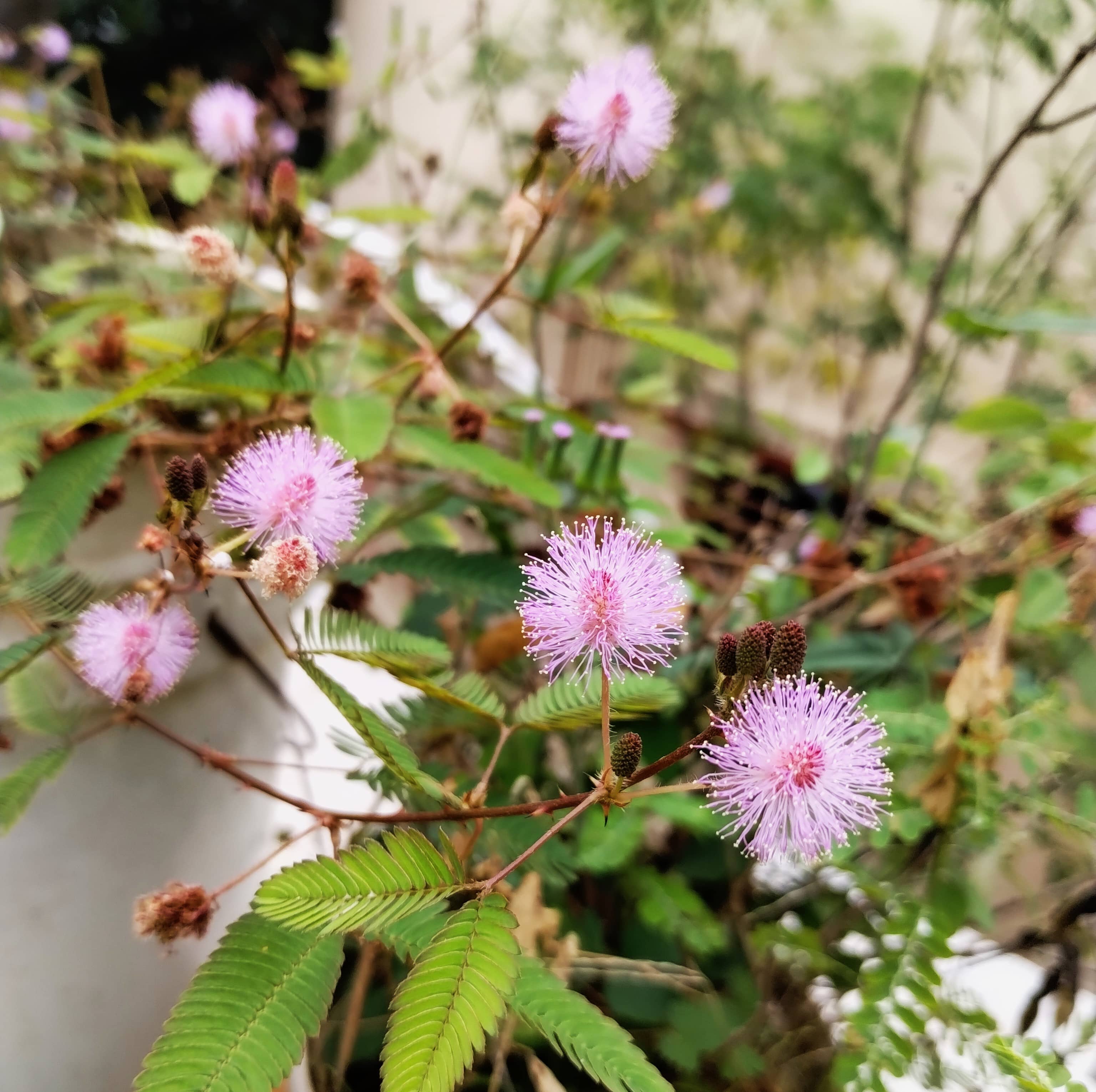
Touch Me Not
Mimosa pudica
Fascinating plant famous for its rapid leaf-folding response when touched, shake...
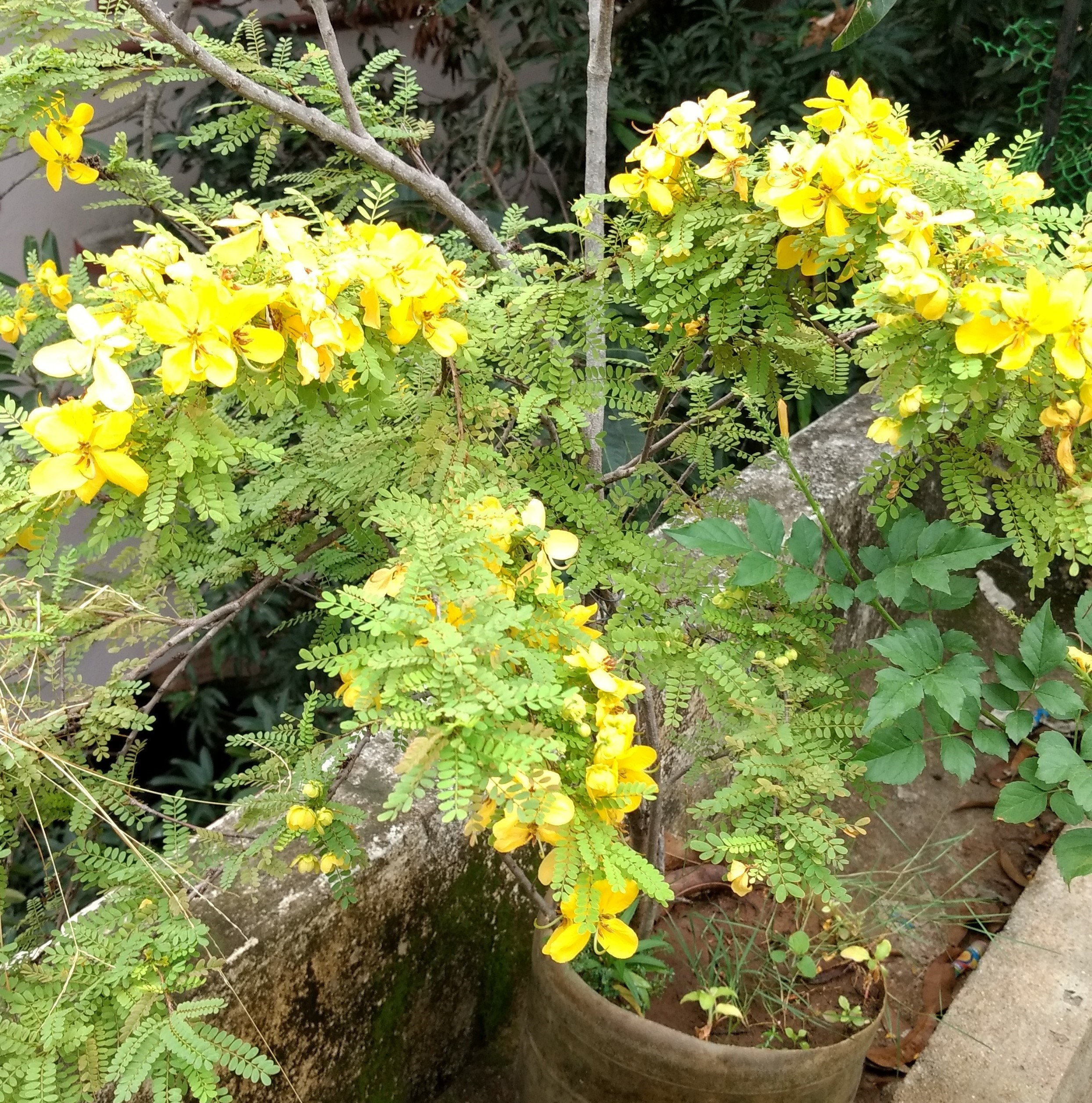
Tanner's Cassia
Senna Auriculata
Yellow color flowering plant with medicinal properties. Its bark contains the ch...
Sweet Pea
Lathyrus odoratus
Beloved fragrant annual vine with butterfly-shaped flowers in rainbow of pastel ...
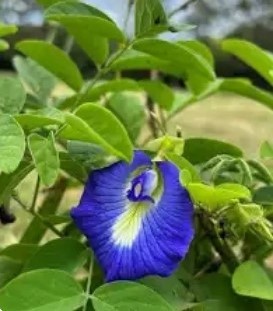
Butterfly pea
Clitoria ternatea
Striking tropical vine featuring vivid sky-blue pea-shaped flowers with distinct...
Similar Characteristics
4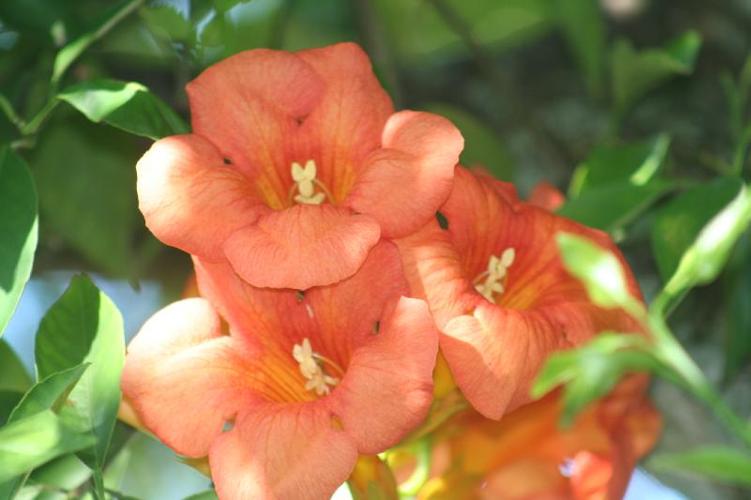
Trumpet Vine
Campsis radicans
Vigorous deciduous woody vine renowned for its spectacular clusters of trumpet-s...
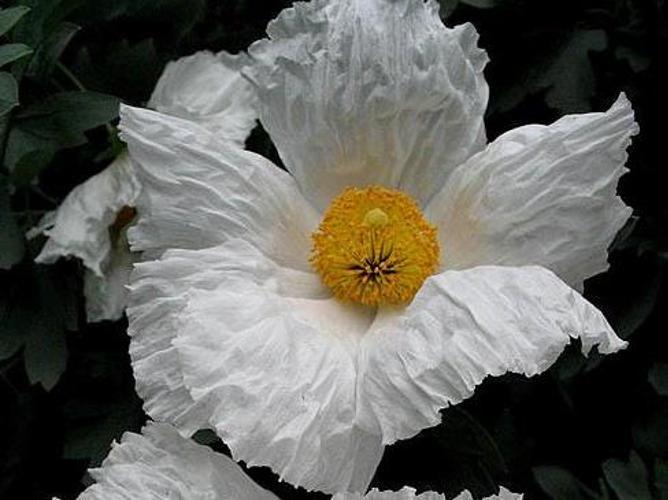
Pincushion
Scabiosa
Charming perennial with distinctive dome-shaped flower heads resembling a pincus...
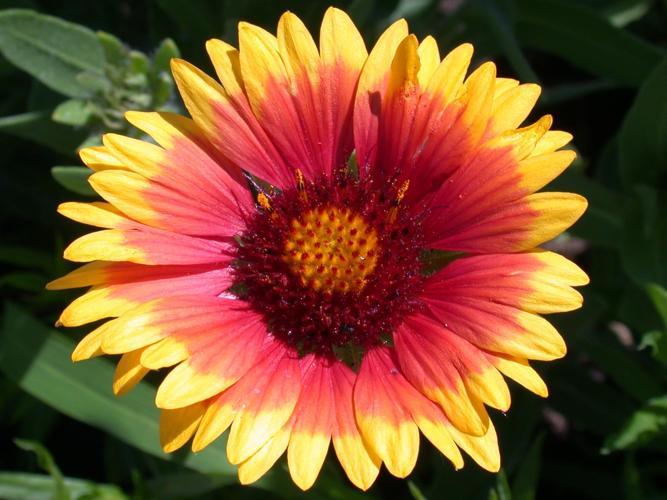
Gaillardia
Gaillardia
Cheerful, sun-loving perennial or annual featuring vibrant daisy-like flowers in...
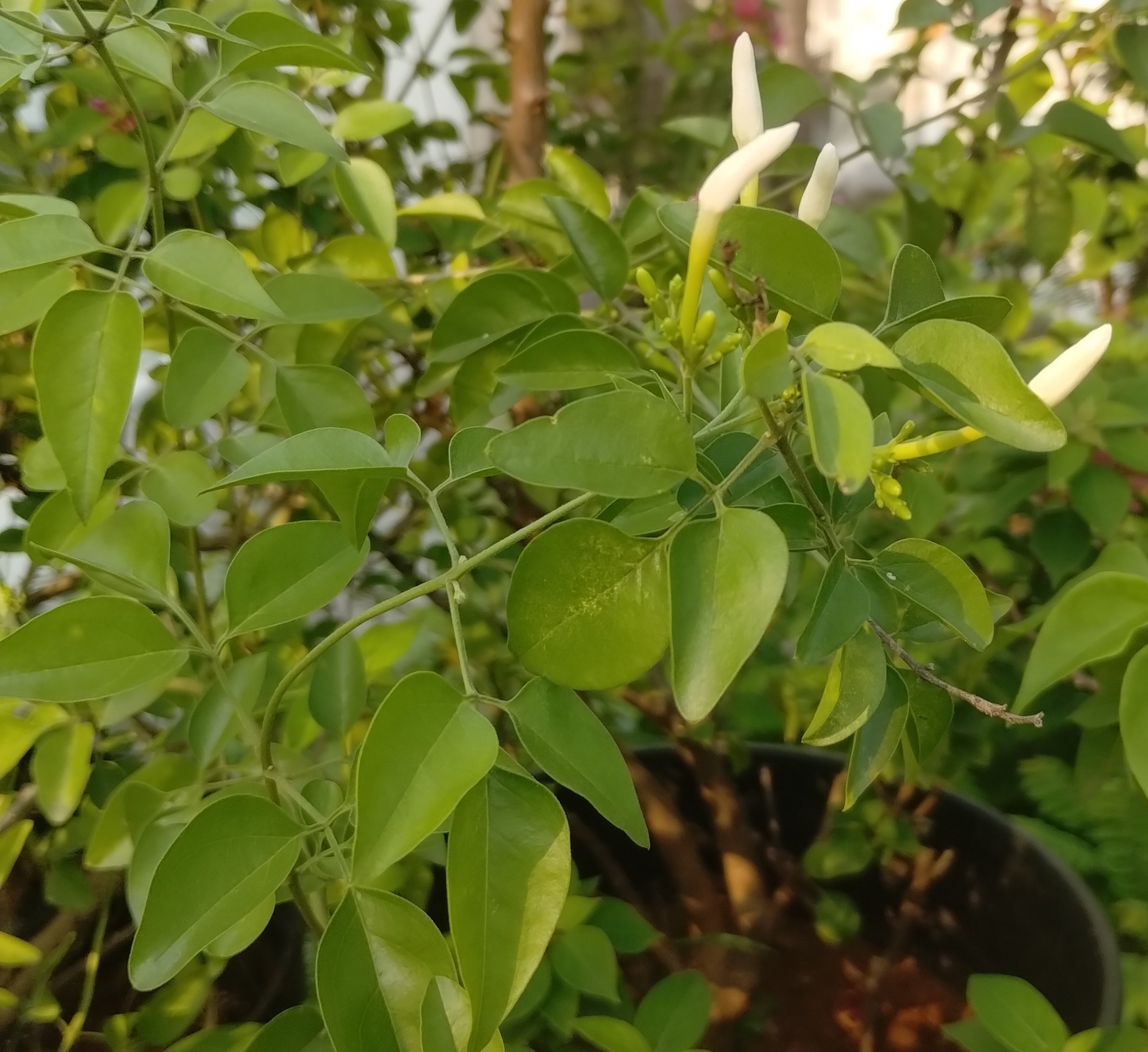
River Jasmine (Fluminense)
Jasminum fluminense
Vigorous evergreen climbing vine producing clusters of small, white, star-shaped...