
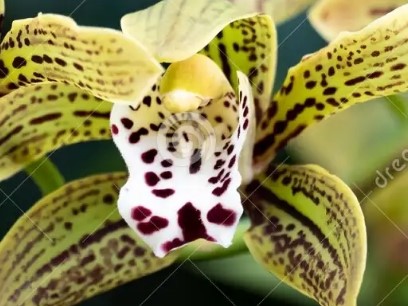
Boat Orchid
Cymbidium
Basic Details
Floral Formula & Features
Bilaterally symmetrical, bisexual, 6 tepals in 2 whorls of 3 (3 sepals + 3 petals with one modified into lip), 1 stamen fused with style forming column, 3 fused carpels with inferior ovary typical of Orchidaceae
- Name 'Cymbidium' derives from Greek 'kymbe' meaning boat, referring to the hollow, boat-shaped lip (labellum) of the flower. Also called 'Boat Orchid' for this distinctive feature
- Flowers have three sepals and three petals with a specialized lip that is boat-shaped and often spotted or striped. Blooms arranged in arching or pendulous sprays of 10-30 flowers, each lasting 8-12 weeks. Many varieties are lightly fragrant
- Sympodial epiphytic or terrestrial perennial that grows from pseudobulbs (swollen stems that store water and nutrients). Blooms winter through spring (December-April). Can be grown outdoors in mild climates or as houseplants
- Height ranges from 12 inches (30 cm) for miniature varieties to 4 feet (120 cm) for standard types. Flower spikes can reach 2-3 feet long. Lifespan of 10-30 years or more with proper care. Propagated by division of pseudobulbs
- Native to tropical and subtropical Asia from the Himalayas through China, Japan, Southeast Asia to Australia. Found growing epiphytically on trees or terrestrially in humus-rich soil at elevations from sea level to 2,000 meters
- Requires bright indirect light with some direct morning sun. Prefers cool nights (50-55°F/10-13°C) and warm days (70-80°F/21-27°C). Needs well-draining orchid mix and regular watering during growth, reduced in winter
- Excellent cut flower used extensively in corsages, bouquets, and floral arrangements. One of the most commercially important orchid genera. Easier to grow than many orchids, making them popular for beginners
Names in Different Languages
What is Floral Formula?
A floral formula is a symbolic representation of a flower's structure using letters, numbers, and special symbols. It provides a concise way to describe the arrangement and number of floral parts.
This formula describes the flower's symmetry, sepals, petals, stamens, and carpels in a standardized format.
Formula Sequence
- Bract: Br or Ebr
- Bracteole: Brl or Ebrl
- Symmetry: % (Radial) or ⊕ (Bilateral)
- Sex: ♀ (Female), ♂ (Male), or ⚥ (Bisexual)
- Calyx/Sepal: K<number> (Free or Fused)
- Corolla/Petal: C<number> (Free or Fused)
- Androecium: A<number> (Free or Fused)
- Gynaecium: G<number> (Superior or Inferior Ovary)
Symbol Meanings
- Numbers: Indicate quantity of parts
- Parentheses (): Parts are fused together
- Plus (+): Parts in different whorls
- Underline: Superior ovary position
- Overline: Inferior ovary position
- ∞: Numerous parts (too many to count)
Understanding floral formulas helps botanists quickly identify and classify flowers based on their structural characteristics.
Similar Flowers
Discover flowers that share botanical characteristics
Same Family
4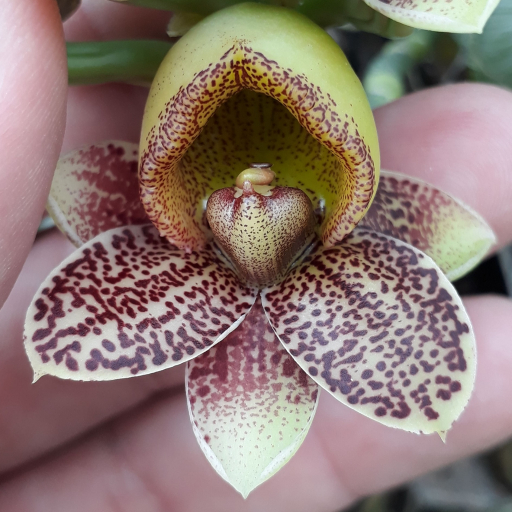
Catasetum Orchid
Catasetum
Remarkable orchid genus famous for extreme sexual dimorphism, producing dramatic...
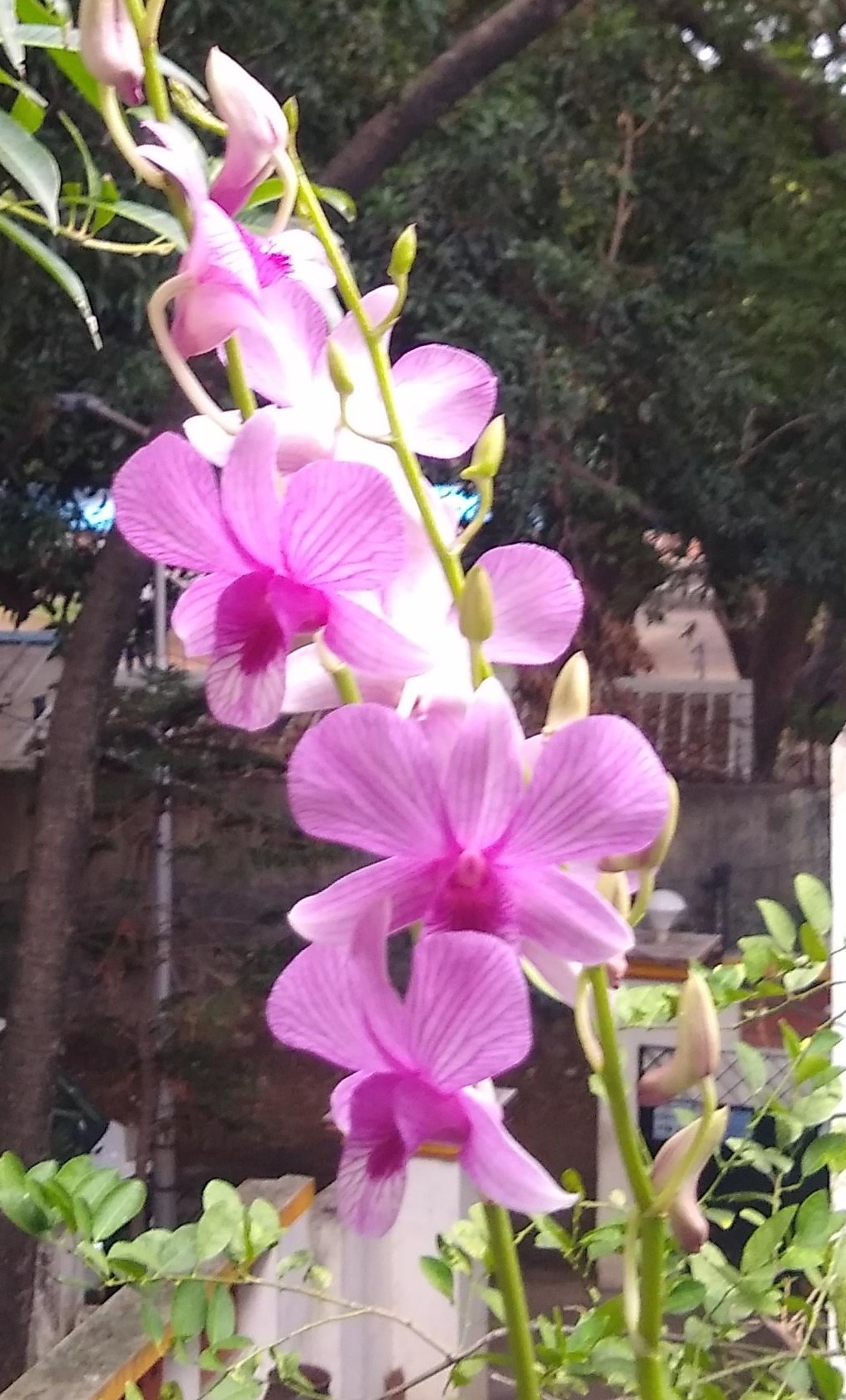
Dendrobium Orchid
Dendrobium
Diverse and popular orchid genus featuring elegant sprays of flowers along cane-...
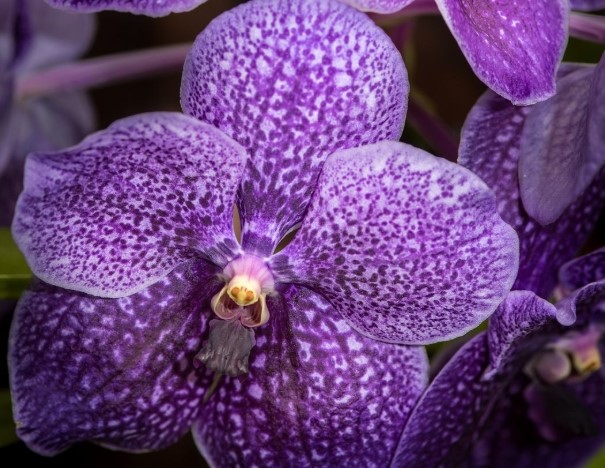
Vanda Orchid
Vanda
Spectacular tropical orchid renowned for large, flat-faced flowers in vibrant sh...
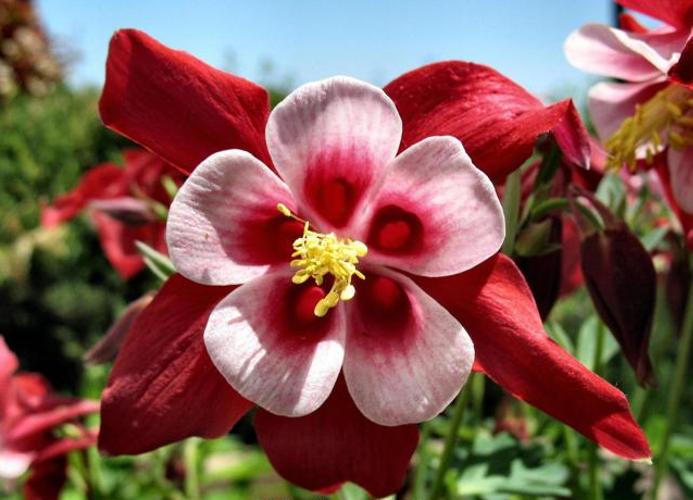
Cattleya orchids
Cattleya
Spectacular epiphytic orchids renowned as 'Queen of Orchids' for their large, sh...
Similar Characteristics
4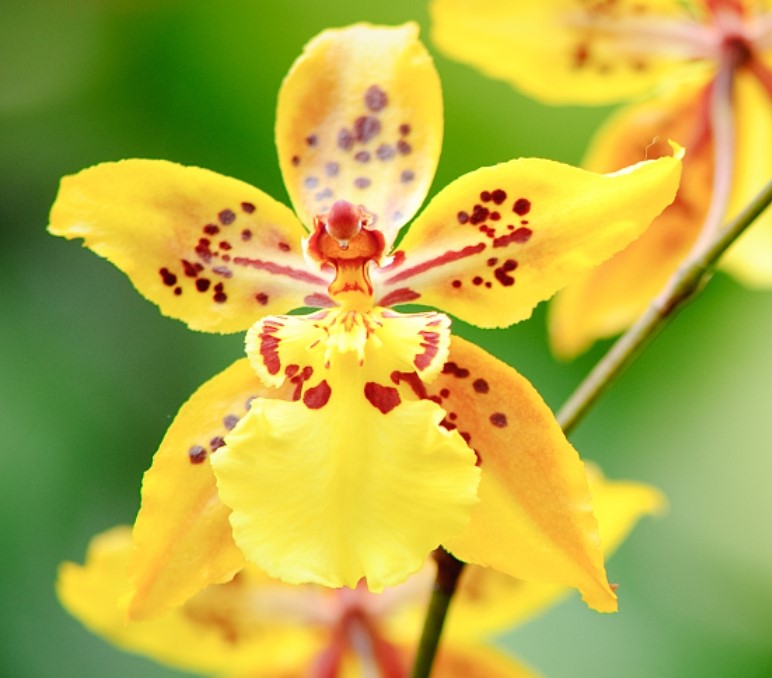
Tolumnia Orchid
Tolumnia
Charming miniature orchid featuring vibrant, intricately patterned flowers that ...
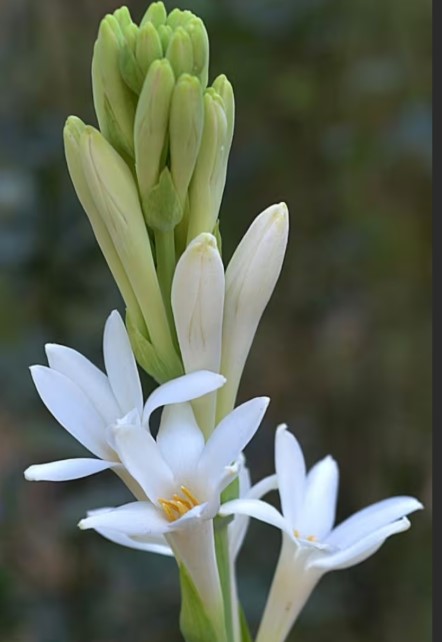
Tuberose Rajinigandha
Polianthes tuberosa
Exquisitely fragrant bulbous perennial producing tall spikes of waxy, cream-whit...
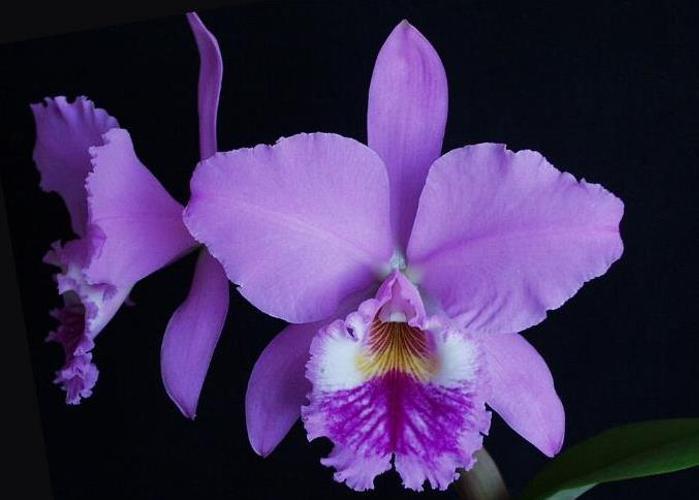
Ruby Lipped Cattleya
Cattleya labiata
Spectacular orchid known as Queen of Orchids with large fragrant blooms and dist...
Orchis Orchid
Orchis
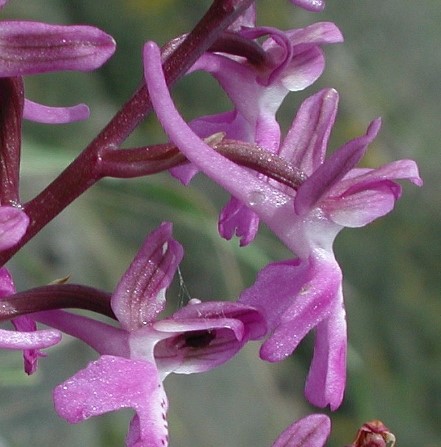
Classic terrestrial orchid featuring dense spikes of hooded flowers in shades of...