
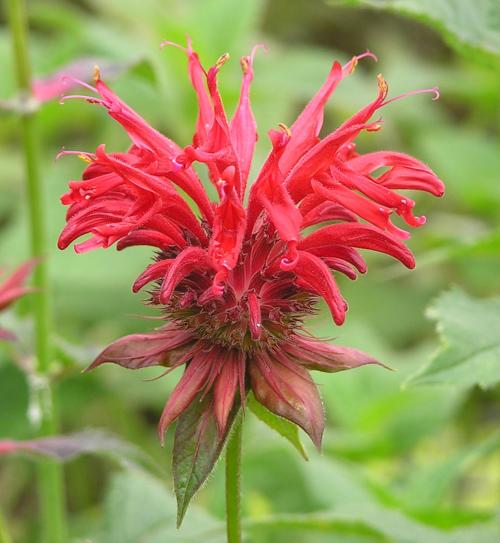
Beebalm
Monarda didyma, Mentha longifolia
Basic Details
Floral Formula & Features
Radially symmetrical (actinomorphic), bisexual, 5 fused sepals, 5 fused petals forming two-lipped corolla, 4 stamens arranged in two whorls of 2 (didynamous), 2 fused carpels with superior ovary
- Name 'Bee Balm' reflects the plant's strong attraction to bees and historical use in treating bee stings. 'Monarda' honors Spanish botanist Nicolas Monardes. 'Oswego Tea' refers to Native American use by Oswego people who brewed leaves as tea substitute during Boston Tea Party era
- Tubular flowers arranged in dense, spherical clusters (2-4 inches across) with spiky, two-lipped blooms that flare open. Flowers surrounded by colorful bracts. Blooms attract long-tongued pollinators like hummingbirds and butterflies
- Herbaceous perennial in mint family with characteristic square stems. Blooms mid to late summer (June-September). Spreads by rhizomes to form colonies. Some varieties prone to powdery mildew in humid conditions
- Grows 2-4 feet (60-120 cm) tall with 2-3 foot (60-90 cm) spread. Lifespan of 3-5 years before division recommended. Propagated by division in spring or fall, or from seed (blooms second year from seed)
- Native to eastern North America from Ontario to Georgia, west to Minnesota and Missouri. Found in moist meadows, woodland edges, and along streams. Now naturalized in many temperate regions
- Thrives in full sun to partial shade with at least 6 hours of sunlight. Prefers moist, well-drained soil rich in organic matter. More sun tolerant with consistent moisture. Good air circulation reduces mildew
- Leaves and flowers edible, used in teas, salads, and as garnish. Contains thymol, an antiseptic compound. Traditional medicine for digestive issues and colds. Excellent cut flower. Dried leaves retain fragrance for potpourri
Names in Different Languages
What is Floral Formula?
A floral formula is a symbolic representation of a flower's structure using letters, numbers, and special symbols. It provides a concise way to describe the arrangement and number of floral parts.
This formula describes the flower's symmetry, sepals, petals, stamens, and carpels in a standardized format.
Formula Sequence
- Bract: Br or Ebr
- Bracteole: Brl or Ebrl
- Symmetry: % (Radial) or ⊕ (Bilateral)
- Sex: ♀ (Female), ♂ (Male), or ⚥ (Bisexual)
- Calyx/Sepal: K<number> (Free or Fused)
- Corolla/Petal: C<number> (Free or Fused)
- Androecium: A<number> (Free or Fused)
- Gynaecium: G<number> (Superior or Inferior Ovary)
Symbol Meanings
- Numbers: Indicate quantity of parts
- Parentheses (): Parts are fused together
- Plus (+): Parts in different whorls
- Underline: Superior ovary position
- Overline: Inferior ovary position
- ∞: Numerous parts (too many to count)
Understanding floral formulas helps botanists quickly identify and classify flowers based on their structural characteristics.
Similar Flowers
Discover flowers that share botanical characteristics
Same Family
4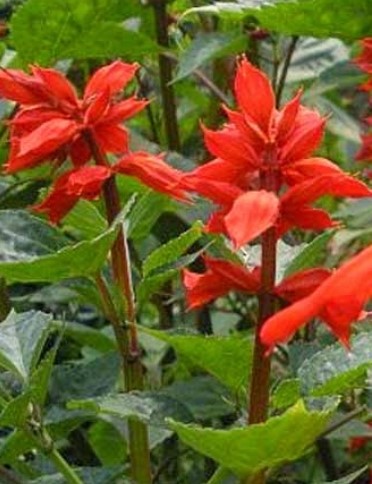
Salvia
Salvia
Diverse and valuable genus featuring tubular flowers in vibrant shades of blue, ...
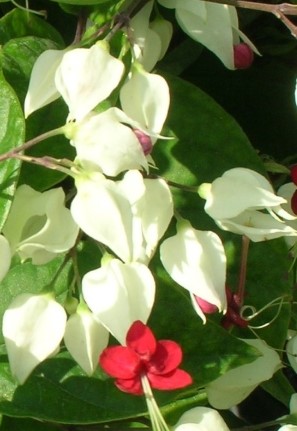
Bleeding Heart Vine
Clerodendrum thomsoniae
The plant is a creeper/climber and produces numerous clusters of flowers that a...
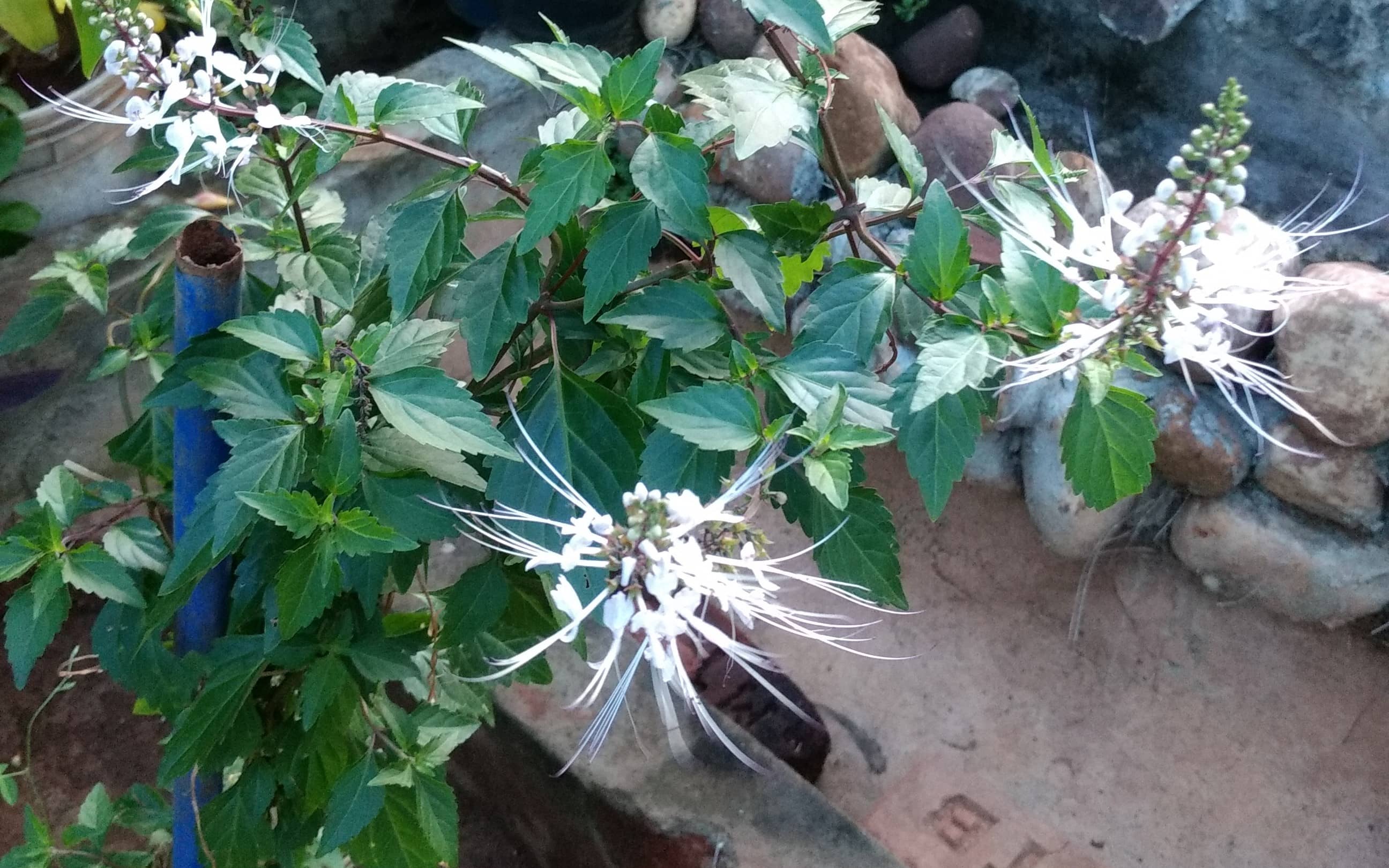
Cat's whiskers
Orthosiphon aristatus
Distinctive medicinal herb featuring delicate white or pale purple flowers with ...
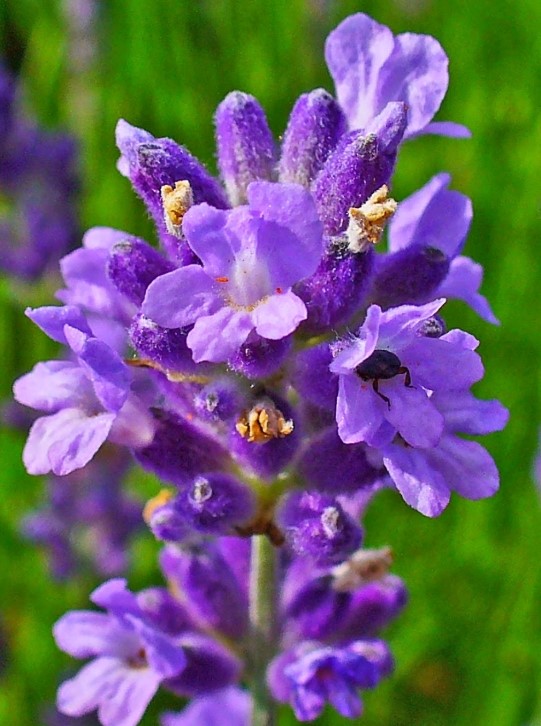
Lavender
Lavandula angustifolia
Iconic aromatic herb featuring slender spikes of small, intensely fragrant flowe...
Similar Characteristics
4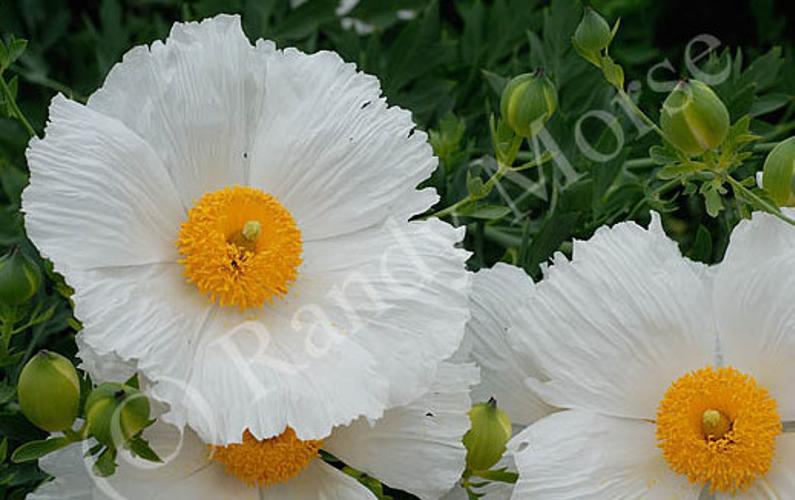
Tree Poppy
Dendromecon
Rare California native evergreen shrub producing abundant satiny, golden-yellow ...
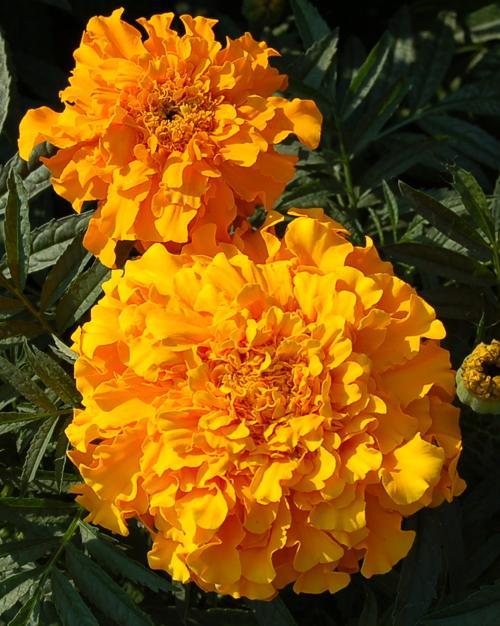
Marigold
Tagetes erecta
Cheerful annual producing masses of vibrant flowers in yellow, orange, gold, mah...
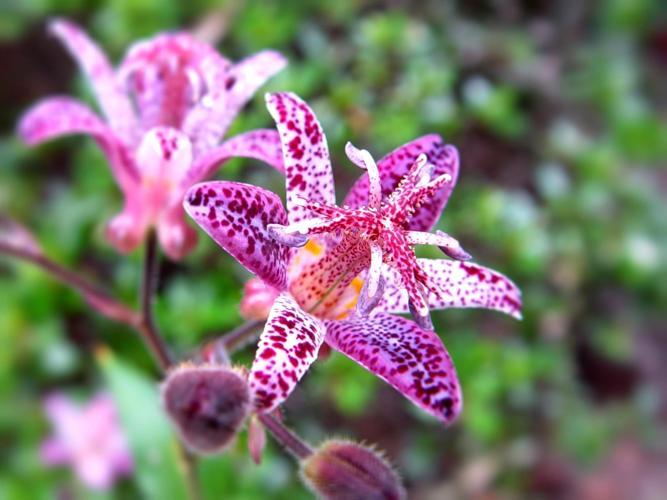
Toad Lily
Tricyrtis
Exotic shade-loving perennial featuring intricate, orchid-like flowers covered i...
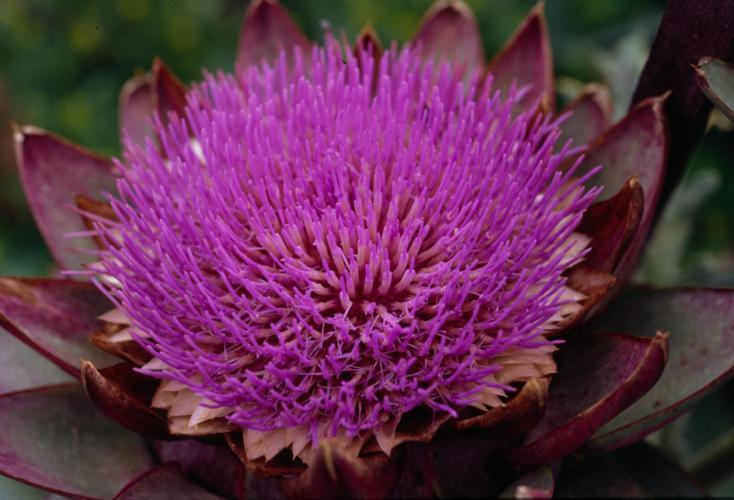
Artichoke
Cynara scolymus
Dramatic architectural plant grown primarily for its edible flower buds, which a...