
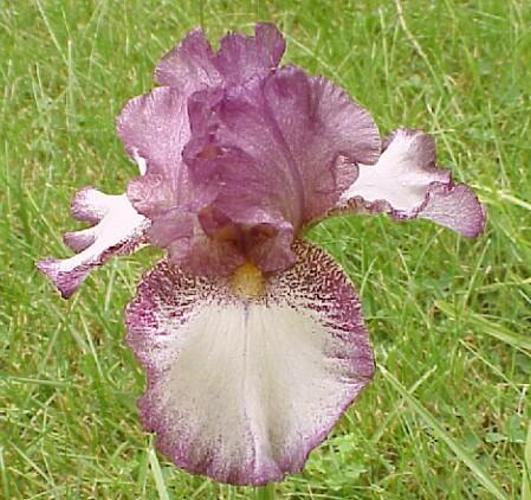
Bearded Iris
Iris germanica
Basic Details
Floral Formula & Features
Bilaterally symmetrical, bisexual, 6 tepals in 2 whorls of 3 (perianth - no distinction between sepals and petals), 3 free stamens, 3 fused carpels with inferior ovary
- Name 'Iris' comes from Greek goddess of the rainbow, reflecting the flower's diverse color palette. 'Bearded' refers to the fuzzy, hair-like appendages (beards) on the falls that guide pollinators to nectar. 'Germanica' is misleading as the species likely originated in Mediterranean region
- Unique flower structure with three upright standards and three drooping falls, each fall decorated with a prominent fuzzy beard. Flowers measure 3-6 inches across and bloom in succession along tall stalks. Some varieties are fragrant with scents ranging from grape to chocolate
- Herbaceous perennial growing from thick, fleshy rhizomes that spread horizontally at soil surface. Blooms in late spring to early summer (April-June), with some reblooming varieties flowering again in fall. Sword-shaped leaves remain attractive after blooming
- Height varies by classification: Miniature Dwarf (8 inches/20 cm), Standard Dwarf (8-15 inches/20-38 cm), Intermediate (15-28 inches/38-70 cm), Tall Bearded (28+ inches/70+ cm). Lifespan of 3-5 years before division needed. Propagated by rhizome division in late summer
- Native to Mediterranean region, particularly southern Europe, North Africa, and Middle East. Ancient flower cultivated since at least 1500 BCE in Egypt and Crete. Now grown worldwide in temperate zones
- Requires full sun (6-8 hours daily) for best blooming. Thrives in well-drained, slightly alkaline soil. Drought tolerant once established. Rhizomes must be planted at or slightly above soil surface to prevent rot. Tolerates poor soil
- Excellent cut flowers lasting 5-7 days in vase. Attracts hummingbirds and butterflies. Deer and rabbit resistant. Rhizomes contain iridin, toxic if ingested. Used in perfumery (orris root). Some varieties have edible flowers used in salads
Names in Different Languages
What is Floral Formula?
A floral formula is a symbolic representation of a flower's structure using letters, numbers, and special symbols. It provides a concise way to describe the arrangement and number of floral parts.
This formula describes the flower's symmetry, sepals, petals, stamens, and carpels in a standardized format.
Formula Sequence
- Bract: Br or Ebr
- Bracteole: Brl or Ebrl
- Symmetry: % (Radial) or ⊕ (Bilateral)
- Sex: ♀ (Female), ♂ (Male), or ⚥ (Bisexual)
- Calyx/Sepal: K<number> (Free or Fused)
- Corolla/Petal: C<number> (Free or Fused)
- Androecium: A<number> (Free or Fused)
- Gynaecium: G<number> (Superior or Inferior Ovary)
Symbol Meanings
- Numbers: Indicate quantity of parts
- Parentheses (): Parts are fused together
- Plus (+): Parts in different whorls
- Underline: Superior ovary position
- Overline: Inferior ovary position
- ∞: Numerous parts (too many to count)
Understanding floral formulas helps botanists quickly identify and classify flowers based on their structural characteristics.
Similar Flowers
Discover flowers that share botanical characteristics
Same Genus
2
Same Family
3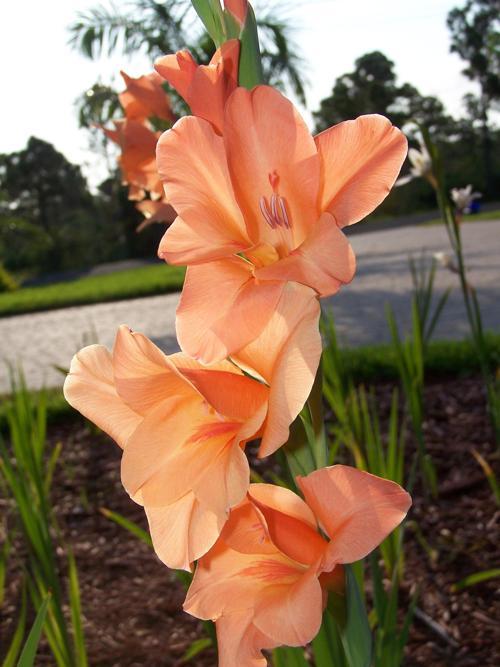
Sword Lily
Gladiolus
Slender flower spikes with numerous funnel-shaped blooms in a wide range of vibr...
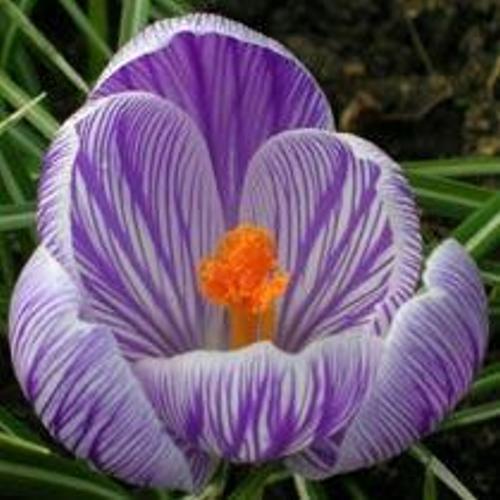
Spring Crocus
Crocus vernus
Cheerful early spring bulb that blooms while snow still on ground. Cup-shaped fl...
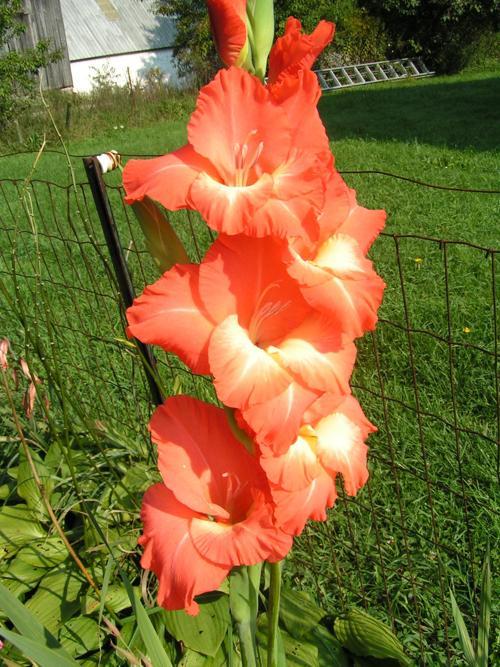
Gladiolus
Gladiolus
Spectacular cormous perennial featuring tall, dramatic spikes of large, funnel-s...
Similar Characteristics
4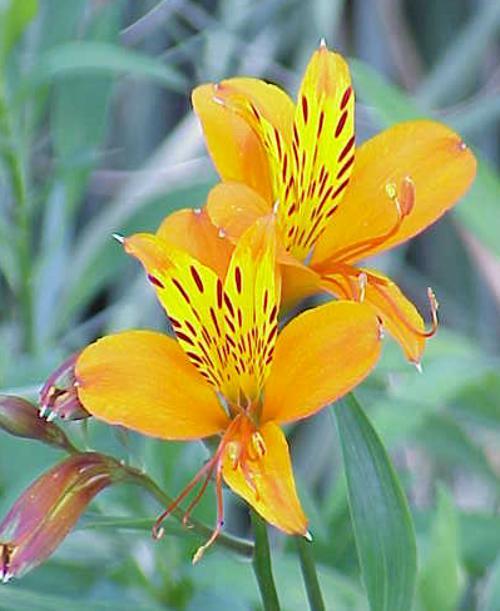
Peruvian Lily
Alstroemeria
Showy lily-like flowers with six petals covered in distinctive speckles, stripes...
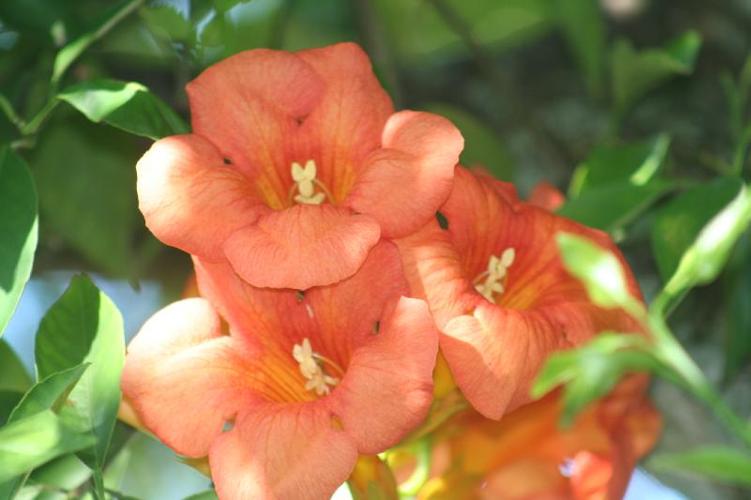
Trumpet Vine
Campsis radicans
Vigorous deciduous woody vine renowned for its spectacular clusters of trumpet-s...
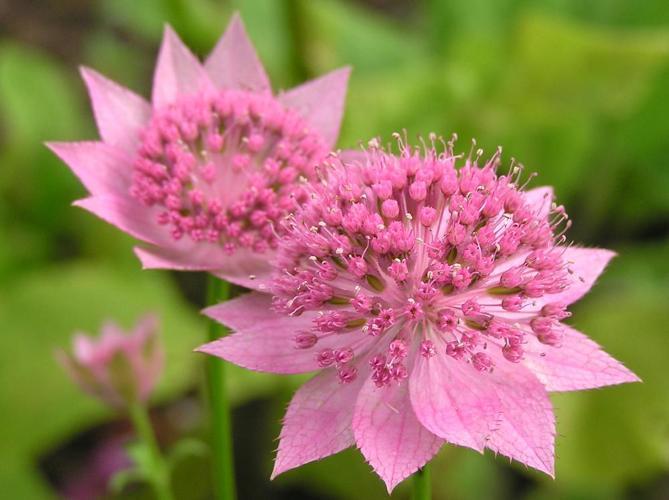
Masterwort
Astrantia
Distinctive perennial with star-shaped flower heads composed of tiny florets sur...
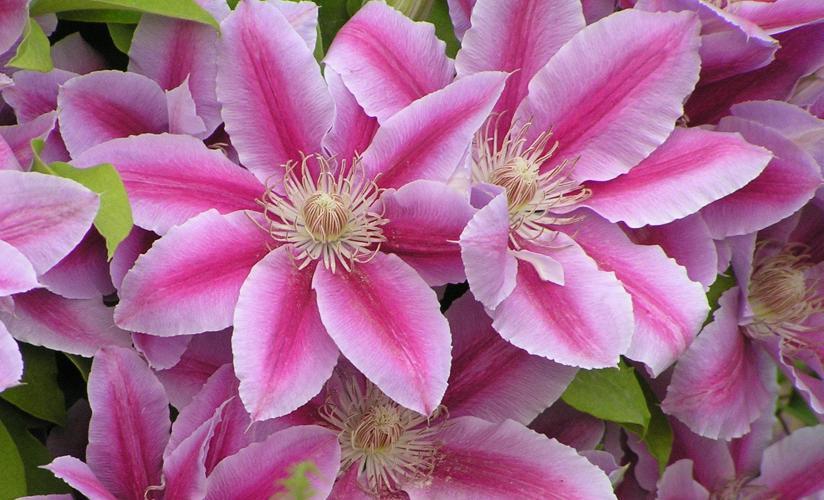
Clematis
Clematis
Spectacular flowering vine featuring large, showy blooms in star or bell shapes ...