
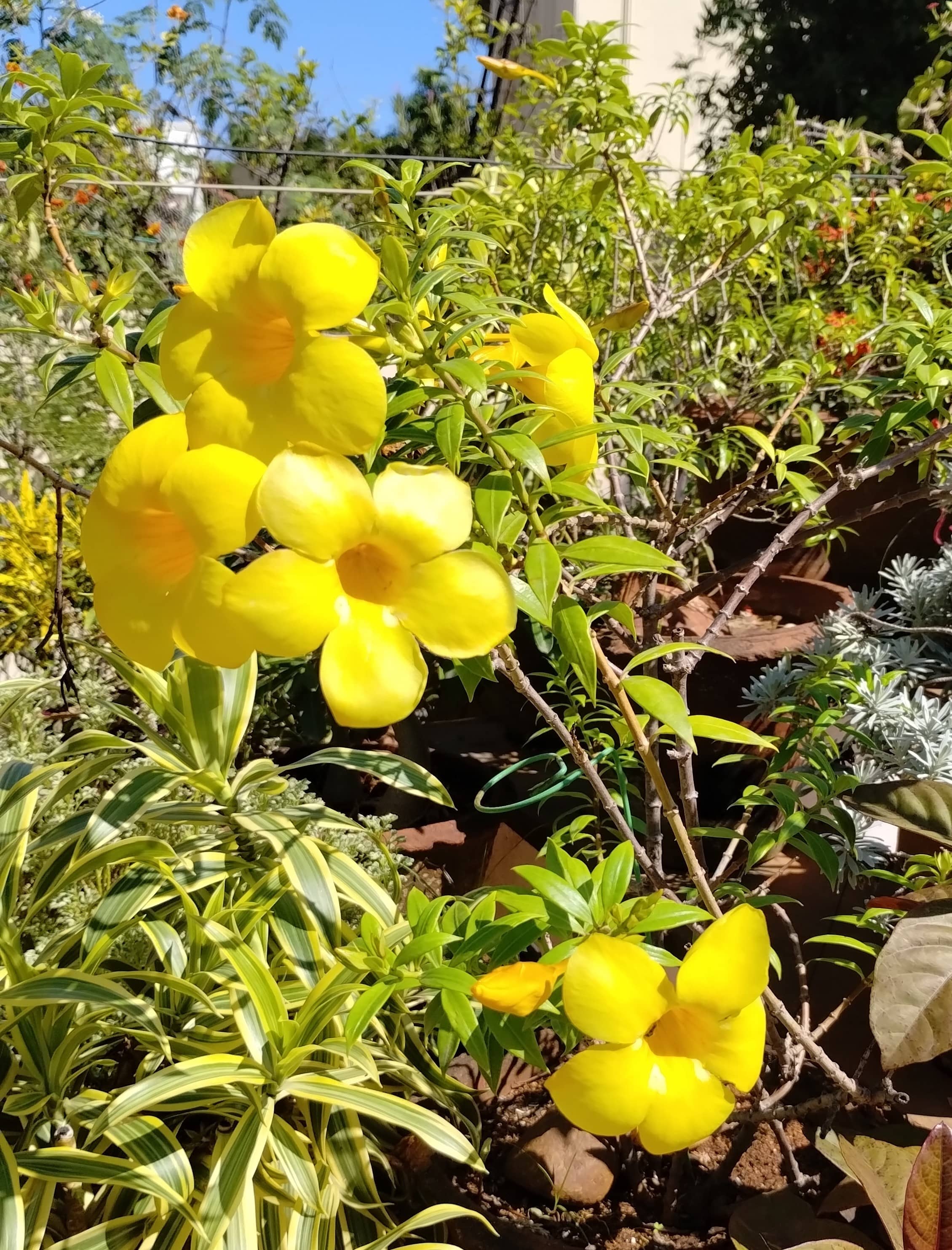
Allamanda
Allamanda cathartica
Basic Details
Floral Formula & Features
Radially symmetrical, bisexual flower with 5 fused sepals forming a small calyx, 5 fused petals creating the trumpet shape, 5 free stamens, and 2 fused carpels with superior ovary typical of Apocynaceae
- Named after Swiss botanist Frédéric-Louis Allamand who sent specimens to Carl Linnaeus in the 18th century. The species name 'cathartica' refers to its purgative properties in traditional medicine
- Large trumpet or funnel-shaped flowers with 5 broad, overlapping petals that flare outward from a narrow tube. Blooms continuously in tropical conditions, with peak flowering in warm months
- Evergreen perennial that can be grown as a compact shrub (3-5 feet) or trained as a vigorous climbing vine reaching 10-20 feet. Contains milky latex sap that is toxic if ingested
- Grows 3-5 feet as a shrub or climbs 10-20 feet as a vine with support. Lifespan of 10-15 years with proper care. Propagated easily from stem cuttings or layering
- Native to tropical regions of Brazil and northern South America. Now widely cultivated throughout tropical and subtropical zones worldwide including India, Southeast Asia, and southern United States
- Thrives in full sun with at least 6-8 hours of direct sunlight daily. Requires well-drained soil and regular watering during growing season. Heat and humidity tolerant but sensitive to frost
- Attracts butterflies, bees, and hummingbirds. All parts are toxic to humans and pets due to alkaloid compounds. Used in traditional medicine but requires expert knowledge due to toxicity
Names in Different Languages
What is Floral Formula?
A floral formula is a symbolic representation of a flower's structure using letters, numbers, and special symbols. It provides a concise way to describe the arrangement and number of floral parts.
This formula describes the flower's symmetry, sepals, petals, stamens, and carpels in a standardized format.
Formula Sequence
- Bract: Br or Ebr
- Bracteole: Brl or Ebrl
- Symmetry: % (Radial) or ⊕ (Bilateral)
- Sex: ♀ (Female), ♂ (Male), or ⚥ (Bisexual)
- Calyx/Sepal: K<number> (Free or Fused)
- Corolla/Petal: C<number> (Free or Fused)
- Androecium: A<number> (Free or Fused)
- Gynaecium: G<number> (Superior or Inferior Ovary)
Symbol Meanings
- Numbers: Indicate quantity of parts
- Parentheses (): Parts are fused together
- Plus (+): Parts in different whorls
- Underline: Superior ovary position
- Overline: Inferior ovary position
- ∞: Numerous parts (too many to count)
Understanding floral formulas helps botanists quickly identify and classify flowers based on their structural characteristics.
Similar Flowers
Discover flowers that share botanical characteristics
Same Family
4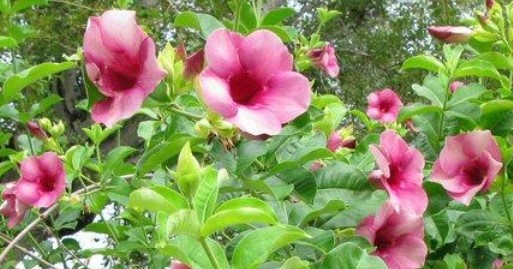
Mandevilla
Mandevilla
Spectacular tropical climbing vine renowned for its large, showy, trumpet-shaped...
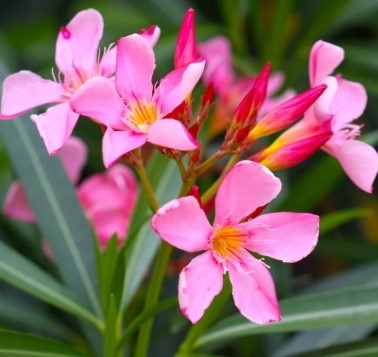
Oleander
Nerium oleander
Evergreen shrub with clusters of showy flowers in pink, white, red, yellow, or p...
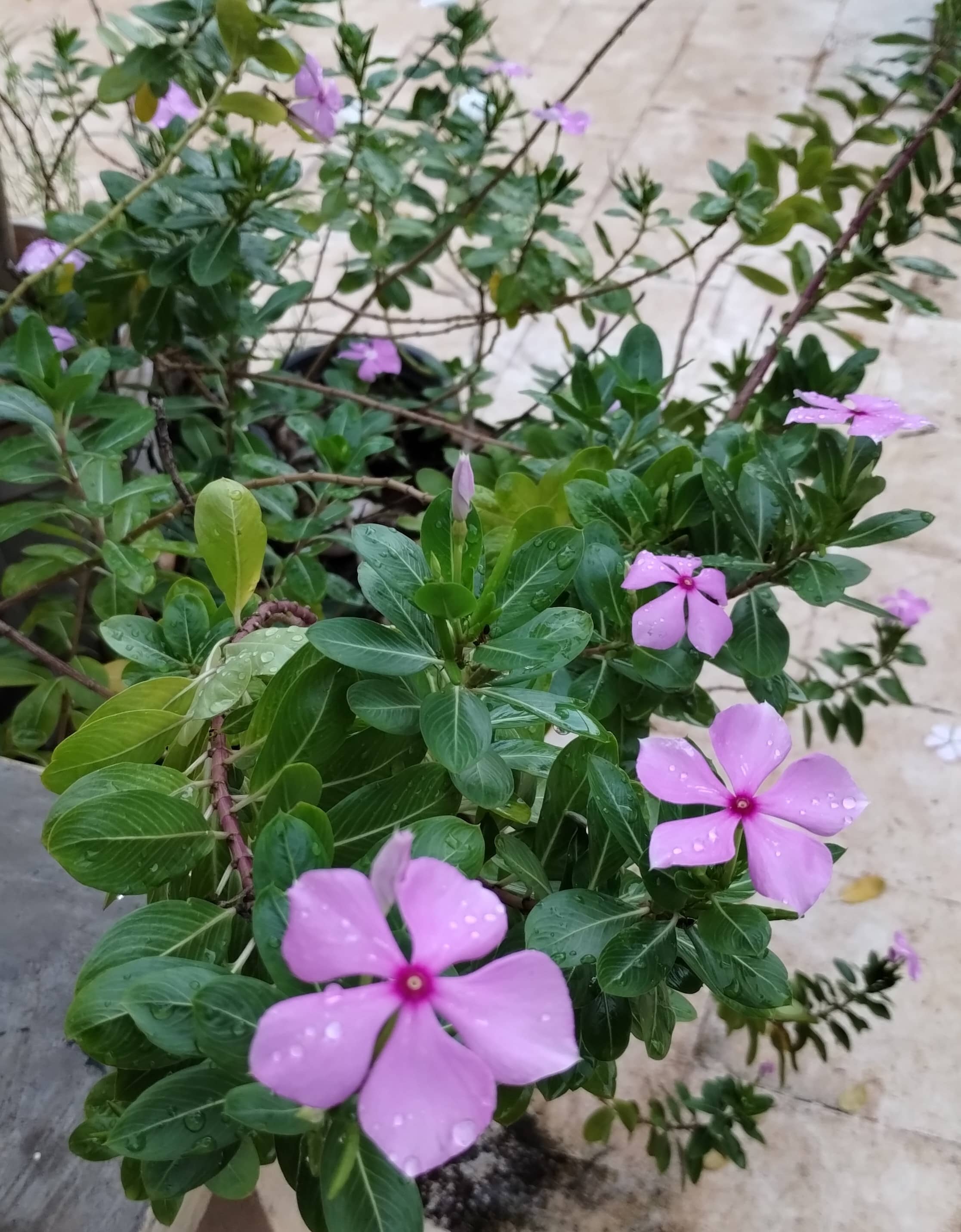
Vinca Rosea
Catharanthus roseus
Highly significant medicinal plant native to Madagascar, renowned as the source ...
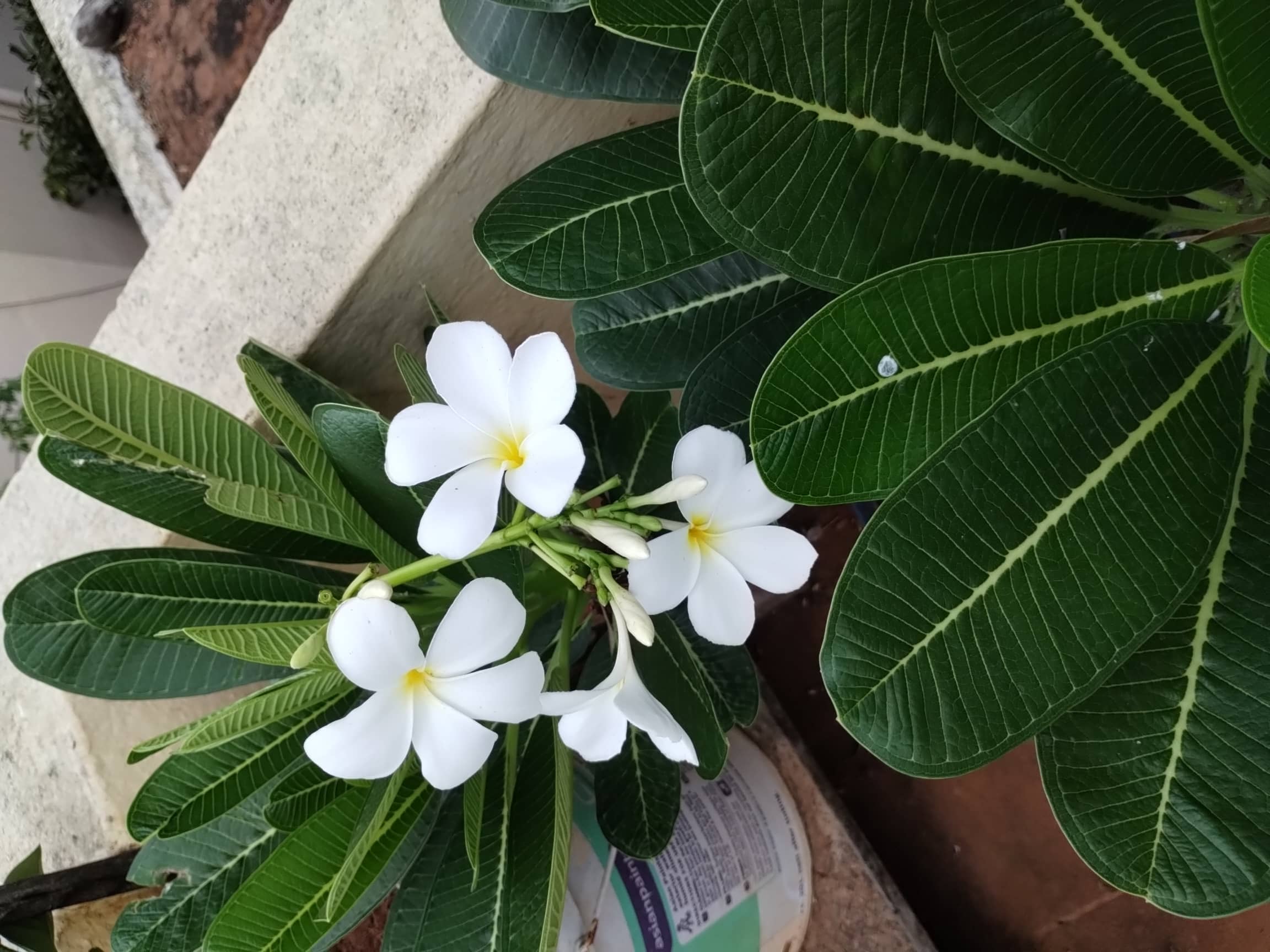
Plumeria
Plumeria Rubra
Iconic tropical tree with intensely fragrant waxy flowers in white, pink, red, y...
Similar Characteristics
4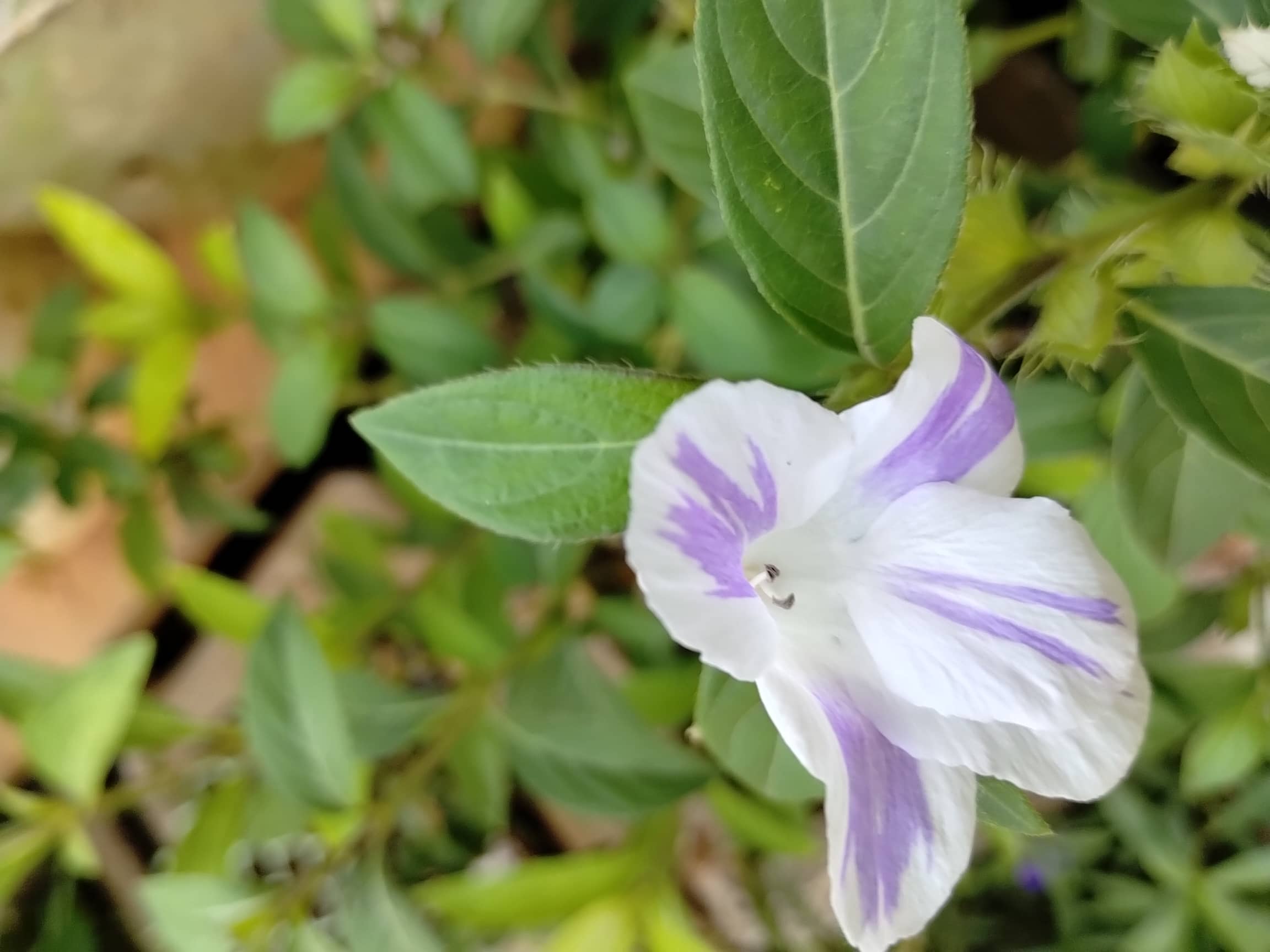
December
Barleria Cristata,Barleria prioniti
Attractive evergreen shrub featuring tubular flowers with distinctive crested or...
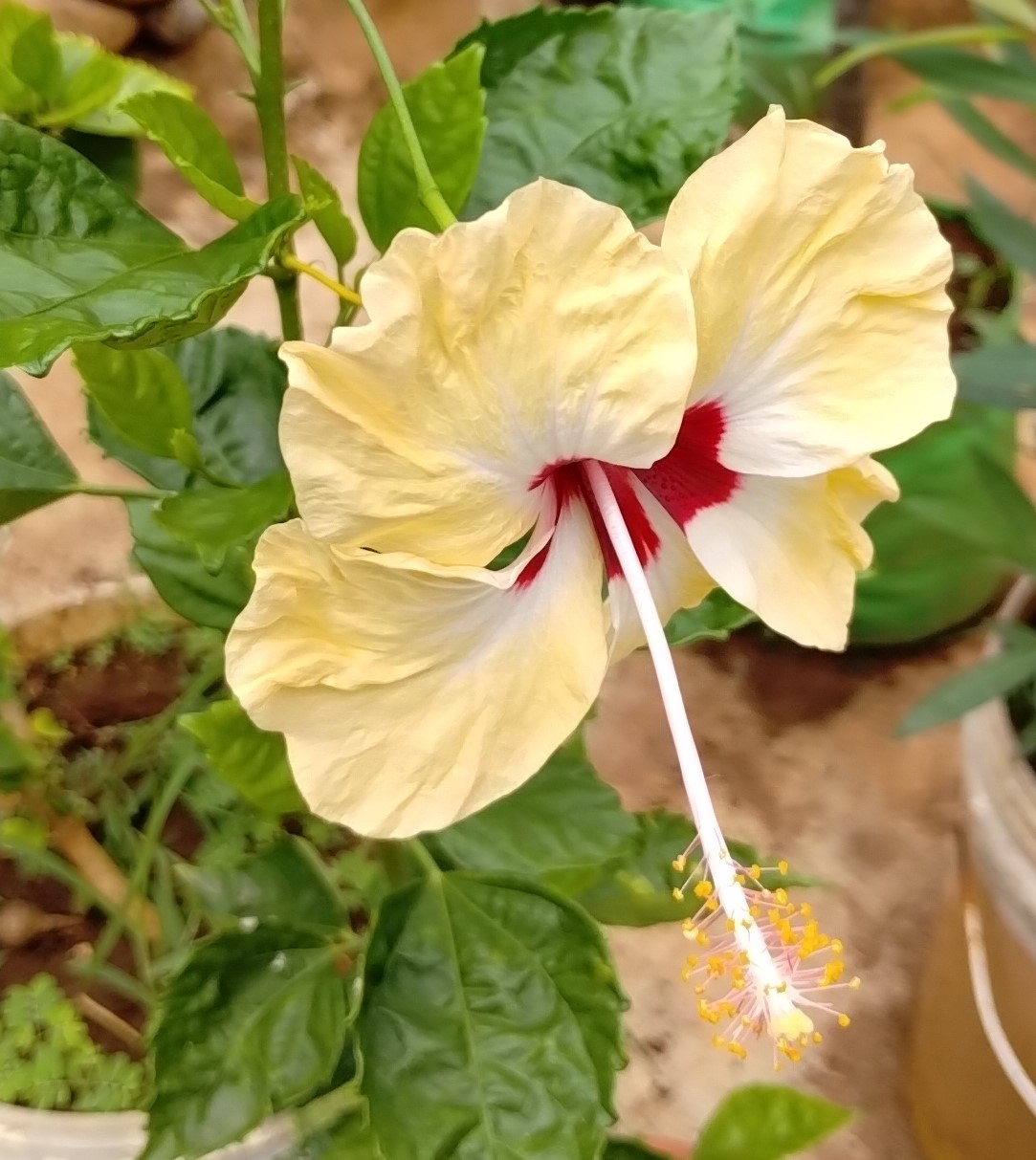
Hibiscus
Hibiscus rosa-sinensis
Spectacular tropical shrub featuring enormous, trumpet-shaped flowers with five ...
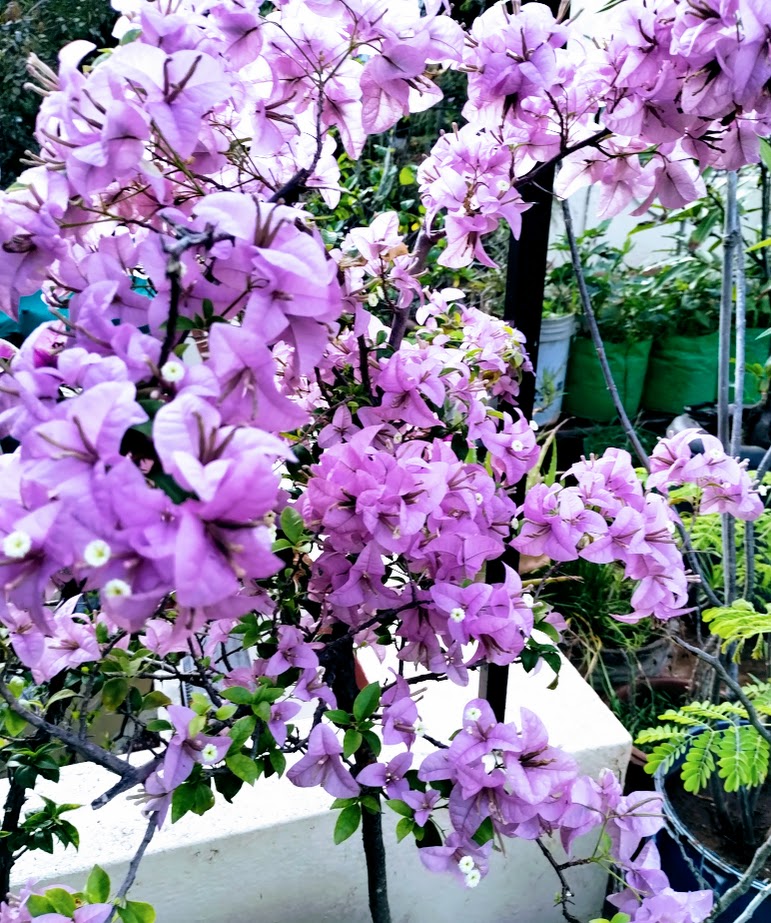
Bougainvillea
Bougainvillea spectabilis
Spectacular tropical vine renowned for its brilliant papery bracts in magenta, p...
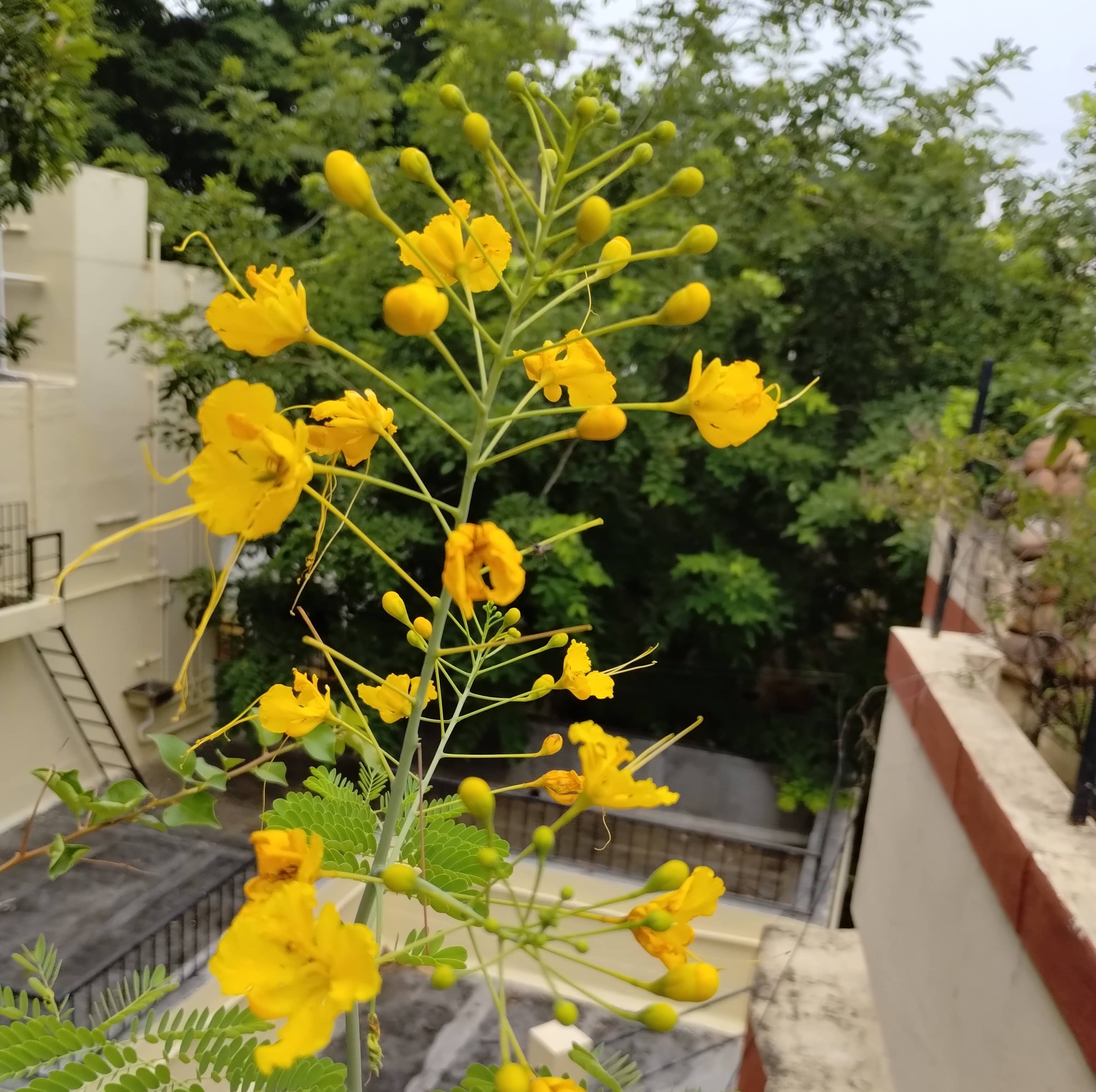
Caesalpinia
Caesalpinia pulcherrima
Spectacular tropical shrub featuring brilliant flame-colored flower clusters wit...