
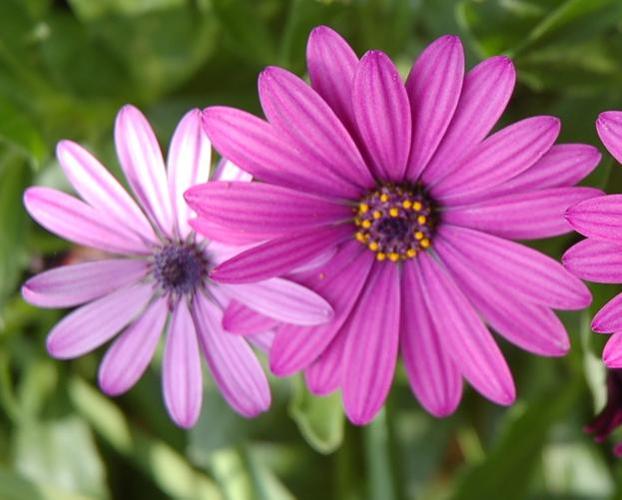
African Daisy
Dimorphotheca ecklonis
Basic Details
Floral Formula & Features
Ebracteate (no bracts), Actinomorphic (radially symmetrical), bisexual, no true sepals (modified to pappus), 5 fused petals, 5 fused stamens, 2 fused carpels with inferior ovary
- The genus name 'Osteospermum' comes from Greek words 'osteon' (bone) and 'sperma' (seed), referring to its hard, bone-like seeds
- Composite flower heads with ray florets (petals) surrounding disc florets at the center, characteristic of the Asteraceae family
- Perennial flowering plant that blooms from spring through fall (March-November) in suitable climates
- Grows to 1-3 feet (30-90 cm) in height with 1-2 feet (30-60 cm) spread. Lifespan of 2-3 years. Easily propagated from cuttings
- Native to South Africa, particularly the Cape region. Now cultivated worldwide in temperate and subtropical zones
- Thrives in full sun requiring 6-8 hours of direct sunlight daily. Drought-tolerant once established, needs moderate watering
- Flowers close at night and on cloudy days, opening fully in bright sunlight. Attracts butterflies and bees
Names in Different Languages
What is Floral Formula?
A floral formula is a symbolic representation of a flower's structure using letters, numbers, and special symbols. It provides a concise way to describe the arrangement and number of floral parts.
This formula describes the flower's symmetry, sepals, petals, stamens, and carpels in a standardized format.
Formula Sequence
- Bract: Br or Ebr
- Bracteole: Brl or Ebrl
- Symmetry: % (Radial) or ⊕ (Bilateral)
- Sex: ♀ (Female), ♂ (Male), or ⚥ (Bisexual)
- Calyx/Sepal: K<number> (Free or Fused)
- Corolla/Petal: C<number> (Free or Fused)
- Androecium: A<number> (Free or Fused)
- Gynaecium: G<number> (Superior or Inferior Ovary)
Symbol Meanings
- Numbers: Indicate quantity of parts
- Parentheses (): Parts are fused together
- Plus (+): Parts in different whorls
- Underline: Superior ovary position
- Overline: Inferior ovary position
- ∞: Numerous parts (too many to count)
Understanding floral formulas helps botanists quickly identify and classify flowers based on their structural characteristics.
Similar Flowers
Discover flowers that share botanical characteristics
Same Family
4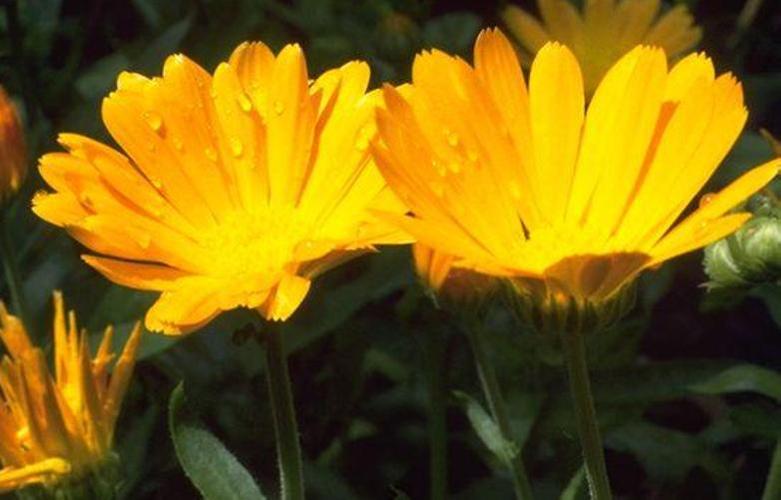
English Marigolds
Calendula officinalis
Cheerful annual featuring bright orange or yellow daisy-like flowers with a dist...
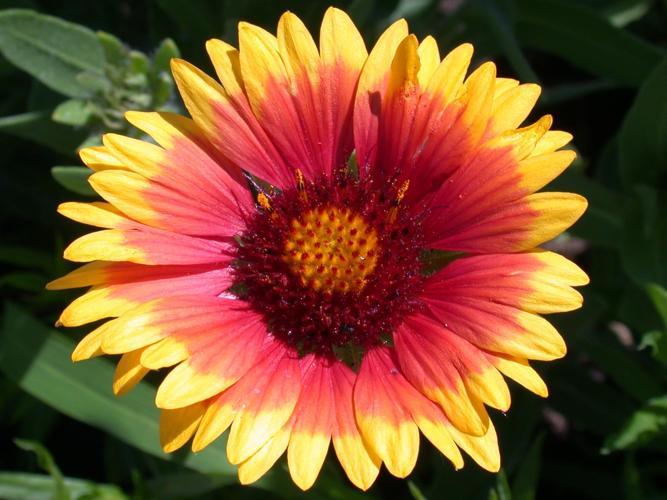
Gaillardia
Gaillardia
Cheerful, sun-loving perennial or annual featuring vibrant daisy-like flowers in...
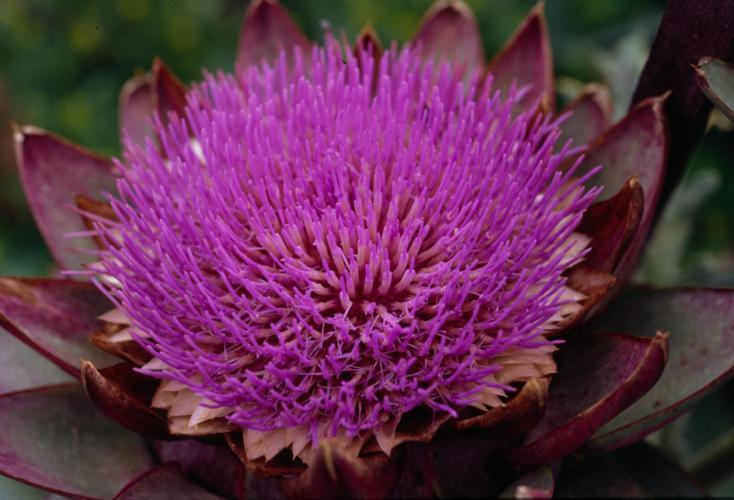
Artichoke
Cynara scolymus
Dramatic architectural plant grown primarily for its edible flower buds, which a...
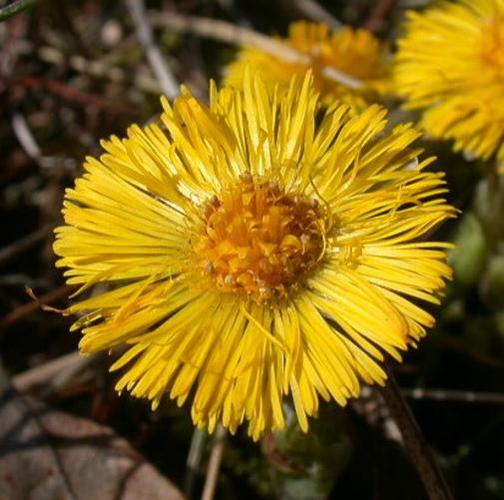
Coltsfoot
Tussilago farfara
Early spring wildflower featuring bright yellow, dandelion-like blooms that appe...
Similar Characteristics
4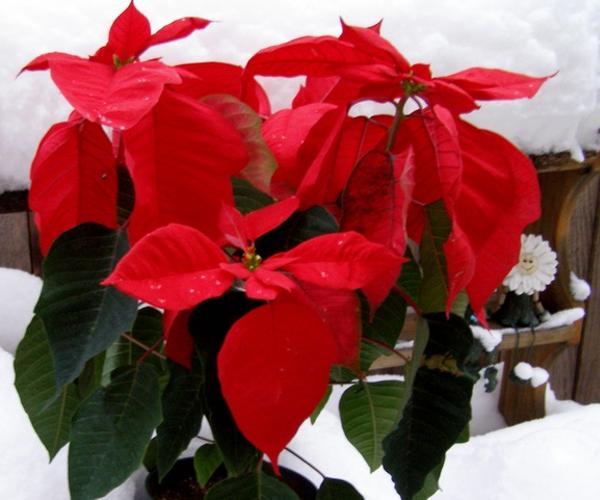
Poinsettia
Euphorbia pulcherrima
Iconic Christmas plant with showy red, pink, or white leaf-like bracts surroundi...
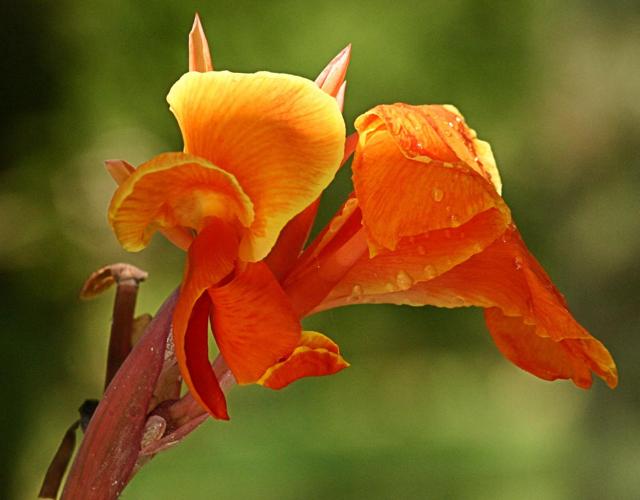
Canna lily
Canna indica
Bold tropical perennial featuring large, paddle-shaped leaves reminiscent of ban...
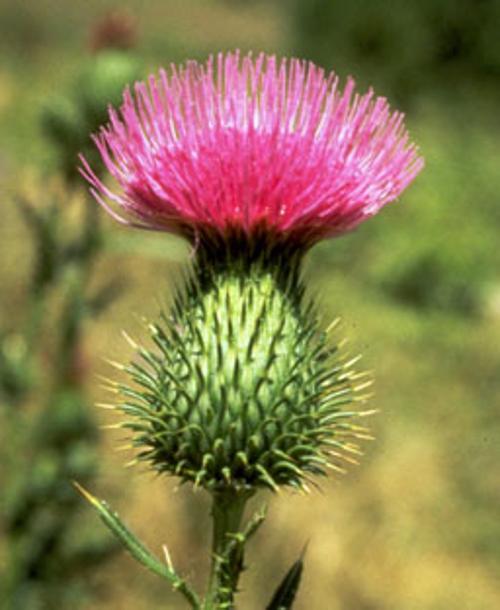
Spear Thistle (Bull Thistle)
Cirsium vulgare
Tall biennial with distinctive purple pom-pom flowers surrounded by spiny bracts...
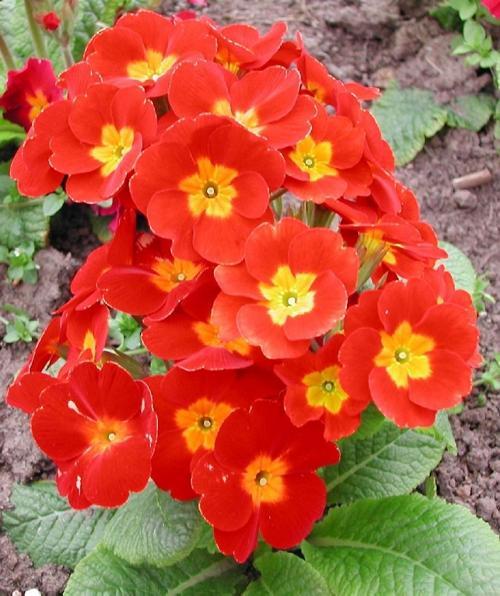
Primula (Common Primrose)
Primula vulgaris
Classic spring flower with pale yellow to cream blooms nestled in rosettes of wr...