 Actual Plant Specimen
Are Boat Orchids (Cymbidium) Safe for Cats & Dogs? Non-Toxic Orchid & Potting Bark Guide
Cymbidium spp. • Also called: Cymbidium Orchid, Corsage Cymbidium
All botanical parts of Boat Orchid (Cymbidium spp.) are verified non-toxic and safe around both cats and dogs.
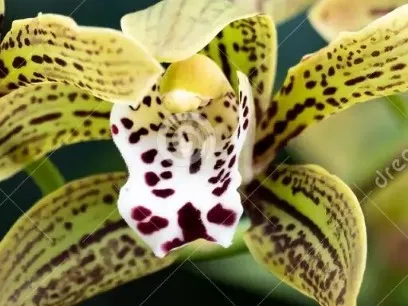
- Tall, arching flower spikes bearing 10–30 waxy blooms with a boat-shaped labellum (lip) speckled in burgundy, cream, yellow, or pink
- Long, narrow, arching strap-like green leaves emerging from plump ovoid green pseudobulbs at the base of the pot
- Pollen is fused into solid waxy pollinia caps inside the central column — never loose orange-brown powdery pollen on long stamens like lethal True Lilies (Lilium)
- Potted in chunky fir bark, perlite, and sphagnum moss rather than dense garden soil
Boat Orchid Plant-Part Identification & Toxicity Map
Every part of Boat Orchid (Cymbidium spp.) marked out as Toxic, Mild Irritant, or Non-Toxic for cats and dogs.
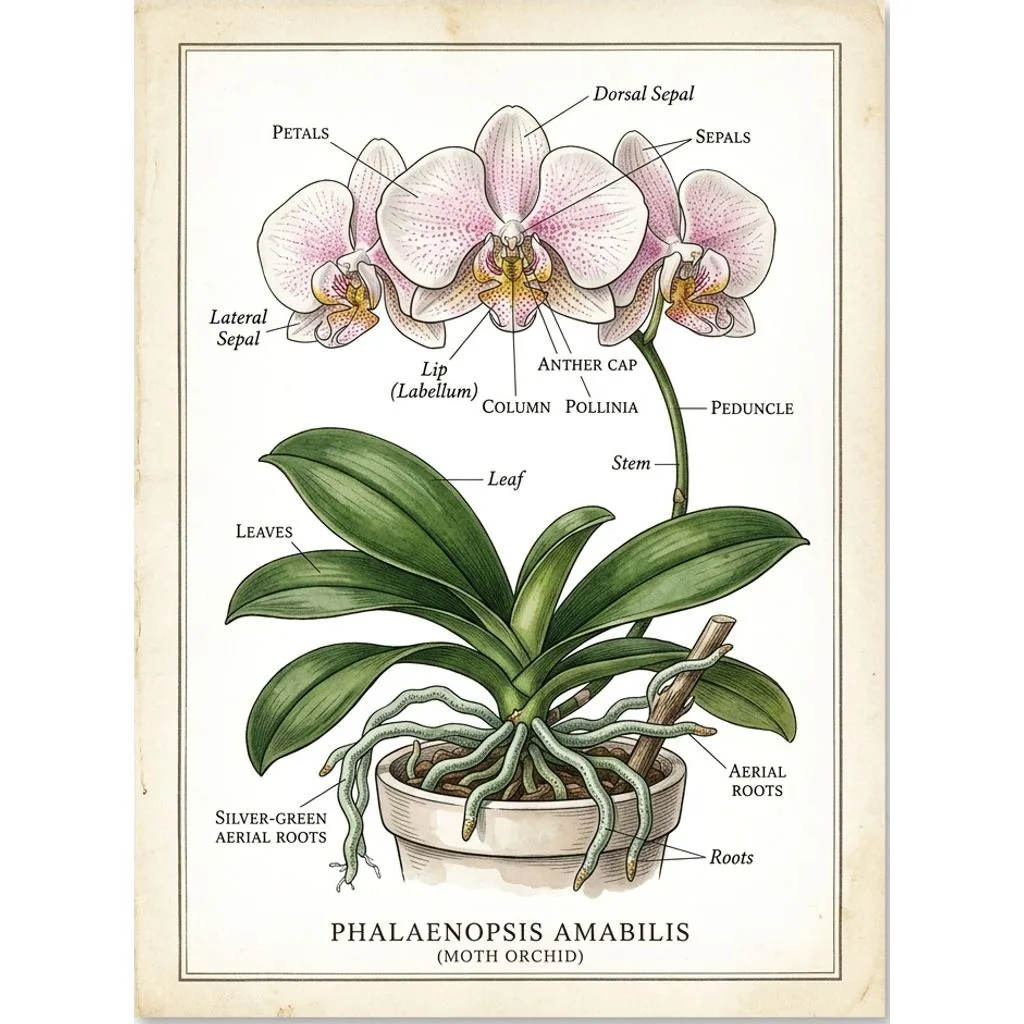
Waxy Boat-Shaped Flowers & Labellum Lip
100% non-toxic to cats and dogs. Fallen Cymbidium blooms contain no renal or cardiac toxins and have zero powdery lily pollen.
Long Arching Strap-Like Leaves
Chemically non-toxic; however, cats love batting the long grass-like blades, and swallowing long fibrous ribbons can trigger a single hairball-like regurgitation.
Plump Basal Pseudobulbs & Fleshy Roots
Non-toxic storage organs; unlike true bulbs (Tulip, Daffodil, Hyacinth), orchid pseudobulbs contain no lycorine or tuliposide.
Chunky Fir-Bark Potting Media & Orchid Fertilizer
PRIMARY HAZARD: Swallowing rigid fir-bark nuggets, charcoal chunks, or blue water-soluble orchid food can cause vomiting or intestinal obstruction in dogs.
Which Boat Orchid Species Do You Have? (Separate Visual Guide)
Different plants called or confused with Boat Orchid have vastly different toxicity levels. Compare the separate species images and anatomical markers below:
EnlargeBoat Orchid / Cymbidium Orchid
Cymbidium spp.
- Multi-flowered spikes with boat-shaped lips rising from plump pseudobulbs and long strap-like leaves.
- Botanical Classification: Cymbidium spp.
 Enlarge
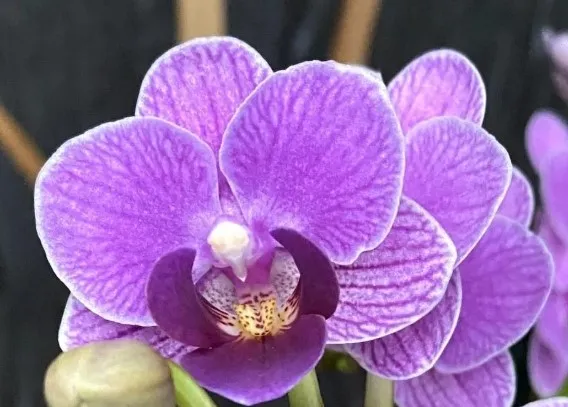
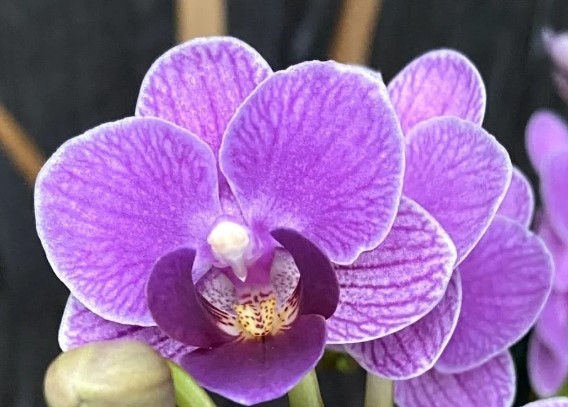
Moth Orchid / Phalaenopsis (Safe Houseplant Orchid)
Phalaenopsis spp.
- Broad, flat moth-shaped blooms above a basal rosette of wide, thick leathery oval leaves.
- Botanical Classification: Phalaenopsis spp.
 Enlarge
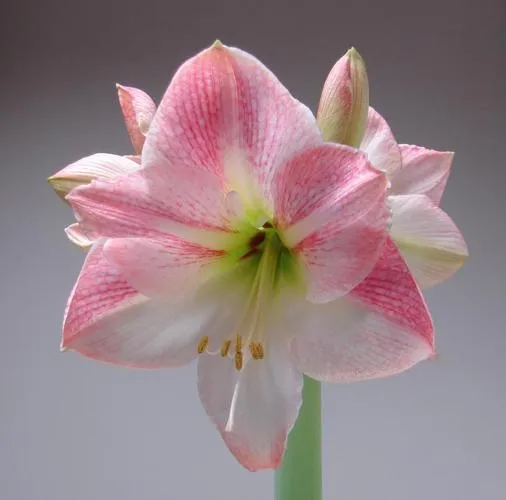
True Lily / Stargazer & Easter Lily (Lethal Bouquet Trap)
Lilium spp.
- 6-tepaled trumpet flowers with 6 long stamens covered in loose rust-orange pollen on a leafy stem.
- Botanical Classification: Lilium spp.
Non-Toxic Plant Owner’s Practical Guide (Boat Orchid)
Why Did My Cat Still Vomit After Eating Boat Orchid?
Even though Boat Orchid contains zero chemical toxins, cats and dogs lack the cellulase enzyme needed to digest raw plant fibers. Swallowing whole leaves or fibrous stems often triggers a harmless, one-time mechanical regurgitation (just like eating lawn grass).
Hidden Nursery Hazards: Pesticides, Fertilizers & Potting Soil
Newly purchased store pots often contain slow-release fertilizer beads (Osmocote), perlite, or systemic neonicotinoid insecticides. Never let pets chew potting soil or drink water from drainage saucers.
Post-Ingestion Timeline
Veterinary Contraindication Warning — What NOT To Do
🚫 NEVER give hydrogen peroxide, salt, or home emetics to induce vomiting in a cat—3% hydrogen peroxide causes severe, potentially fatal stomach and esophageal ulceration in felines. Only a veterinarian can safely administer feline emetics.
Home Care & First Aid Protocol
Non-toxic to cats. If they eat large fibrous amounts, monitor for mild self-limiting vomiting.
When to still call a vet: If your pet swallowed a large woody stem/root ball (choking or foreign body risk), ingested potting soil fertilizer, or if you suspect the plant matches one of the toxic look-alike species shown above.
In-Depth Botanical & Veterinary Safety Analysis
Scientific evaluation and toxicological breakdown of Boat Orchid (Cymbidium spp.)
Global Names & Multilingual Search
Specific Pet Safety FAQs for Boat Orchid
Is Boat Orchid toxic to cats?
No, the Boat Orchid (Cymbidium) is completely non-toxic and safe for cats, making it an excellent decorative houseplant.
Is Boat Orchid toxic to dogs?
No, Boat Orchids are 100% safe and non-toxic to dogs of all sizes and breeds.
Are any parts of the Boat Orchid plant toxic?
None. The beautiful waxy petals, long strappy leaves, stems, and pseudobulbs are all completely free of harmful toxins.
What should I do if my pet eats a Boat Orchid leaf?
No emergency treatment is needed since the plant is non-toxic. If your cat vomits up fibrous leaf matter, offer fresh water and let their stomach rest.
20 Dangerous Garden Plants: Cat Toxicity & Safety Guide
Felines are highly sensitive to houseplants and flowers. Learn which 20 common species cause severe or fatal reactions in cats, including lilies, and discover safe, cat-friendly garden alternatives.
🛡️ Discover Related Plant Safety Guides
Explore visually similar or related plants and their pet safety profiles: