
Sindhu vs Alphonso
Compare Sindhu and Alphonso mangoes. The seedless Vengurla hybrid vs the premium coastal King. Learn about seed, taste, and price differences.
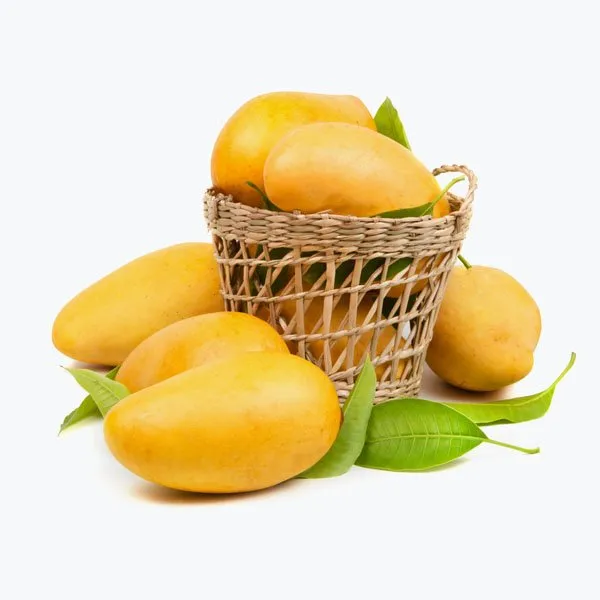
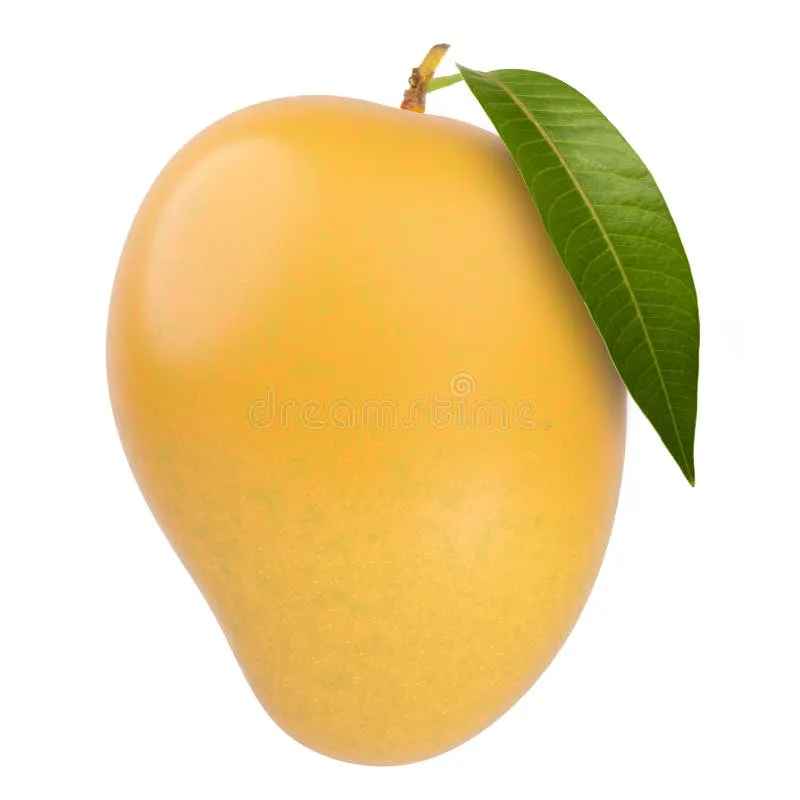
Key Differences: Sindhu vs Alphonso
Sindhu and Alphonso represent a fascinating breeding achievement. Sindhu (developed at Vengurla, Maharashtra, as an Alphonso x Ratna hybrid) is marketed as a 'seedless' mango because it has an extremely thin, flat, and light seed (representing only 3% of the fruit weight). It inherits its parent's sweet flavor and golden skin, but with a higher pulp yield. Alphonso, the coastal king, has a standard stone seed, but is widely considered superior in its buttery-rich texture and room-filling tropical aroma.
Botanical & Cultivar Comparison Table
| Feature | Sindhu | Alphonso |
|---|---|---|
| Shape | Medium-sized, roundish-oval | Roundish-oval, plump |
| Ripe Color | Golden-yellow with smooth texture | Vibrant golden-orange yellow |
| Taste Profile | Very sweet, high pulp-to-seed ratio | Rich, buttery, mildly acidic-sweet balance |
| Texture | Velvety, fiberless, seedless mouthfeel | Extremely smooth, melt-in-the-mouth, buttery |
| Size Category | Medium | Medium |
| Weight (Single Fruit) | 220g - 260g | 250g - 350g |
| Harvest Season | Mid-Late (June) J F M A M J J A S O N D | Early (April to mid-May) J F M A M J J A S O N D |
| Average Price | Mid-Premium (Rs 300 - 600 per dozen) | Ultra-Premium (Rs 800 - 1500 per dozen) |
| State of Origin | Vengurla, Maharashtra (Alphonso x Ratna hybrid) | Konkan region, Maharashtra |
| GI Tag Protected | No (Commercial hybrid) | Yes (Devgad/Ratnagiri Hapus) |
| Best Use Case | Easy slicing, seedless pulp eating, gourmet desserts | Fresh table fruit, luxury desserts, premium gifting |
| Adulteration Risk | Medium (Ripened naturally or with Ethylene) | High (Premature harvest & Calcium Carbide ripening) |
| Vulnerable Pests/Diseases | Vulnerable to Anthracnose and fruit fly | Highly vulnerable to Anthracnose and Spongy Tissue |
🛡️ Chemical Ripening & Adulteration Guide
Artificial ripening using Calcium Carbide and Ethylene is common in commercial mango trades. Use our Food Guard tool to check for chemical traces, verify natural ripening signs, and protect your family's health.
Which is Better For...?
Alphonso is the standard for corporate gifting. Sindhu is a popular choice for sharing with family due to its seedless nature.
Sindhu yields a large volume of pulp due to its tiny seed, while Alphonso adds a beautiful orange color.
Both are exceptional. Alphonso has a richer, buttery mouthfeel. Sindhu is sweet and extremely satisfying to eat due to its high pulp ratio.
Alphonso dominates global exports, while Sindhu is consumed locally.
How to Spot the Differences (Visual Spotting Guide)
Examine these visual markers and close-up identification features to tell them apart:
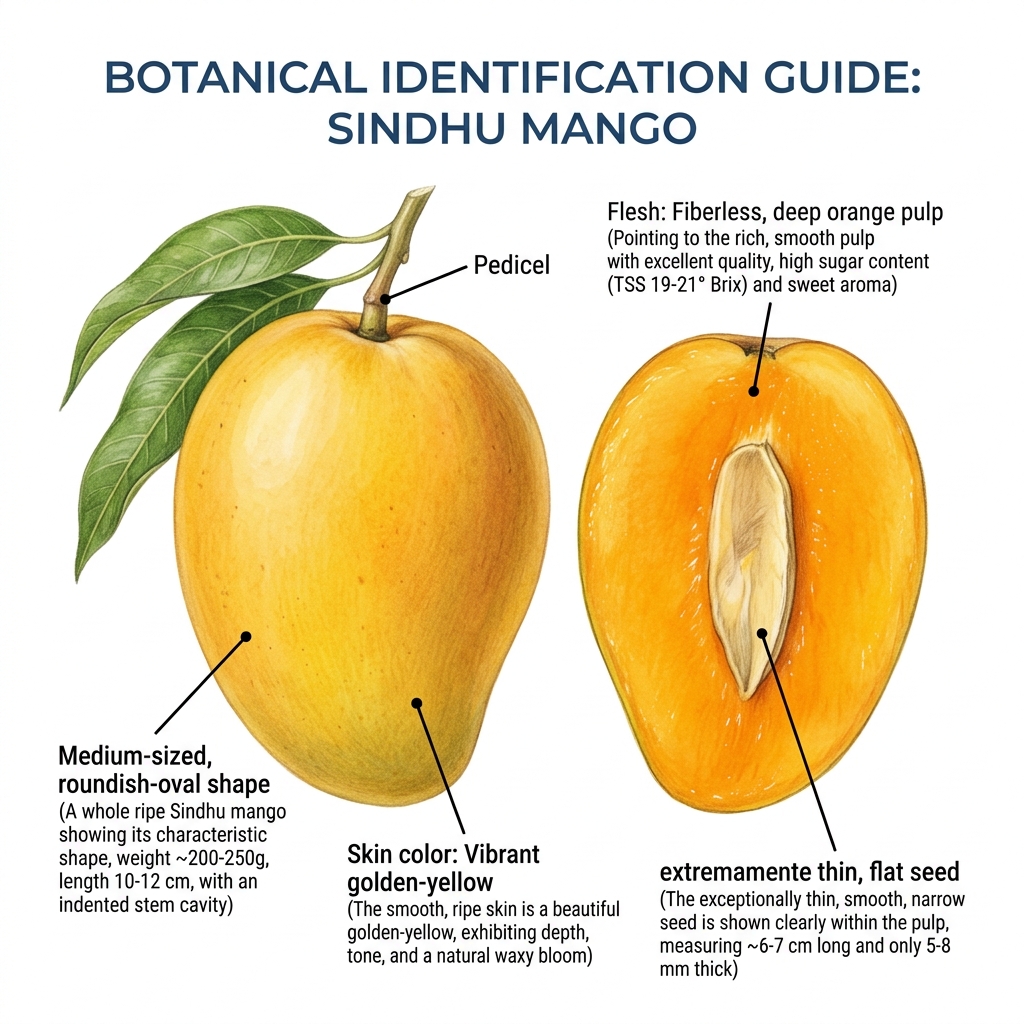 Sindhu Guide
- Medium roundish-oval shape: Symmetrical shape inheriting Alphonso's ovoid base.
- Golden-yellow skin: Turns a uniform, bright yellow color when fully ripe.
- Seedless appearance: Cut fruit reveals an extremely thin, flat seed (almost seedless).
- Maharashtra origin: Sourced mainly from Vengurla research orchards.
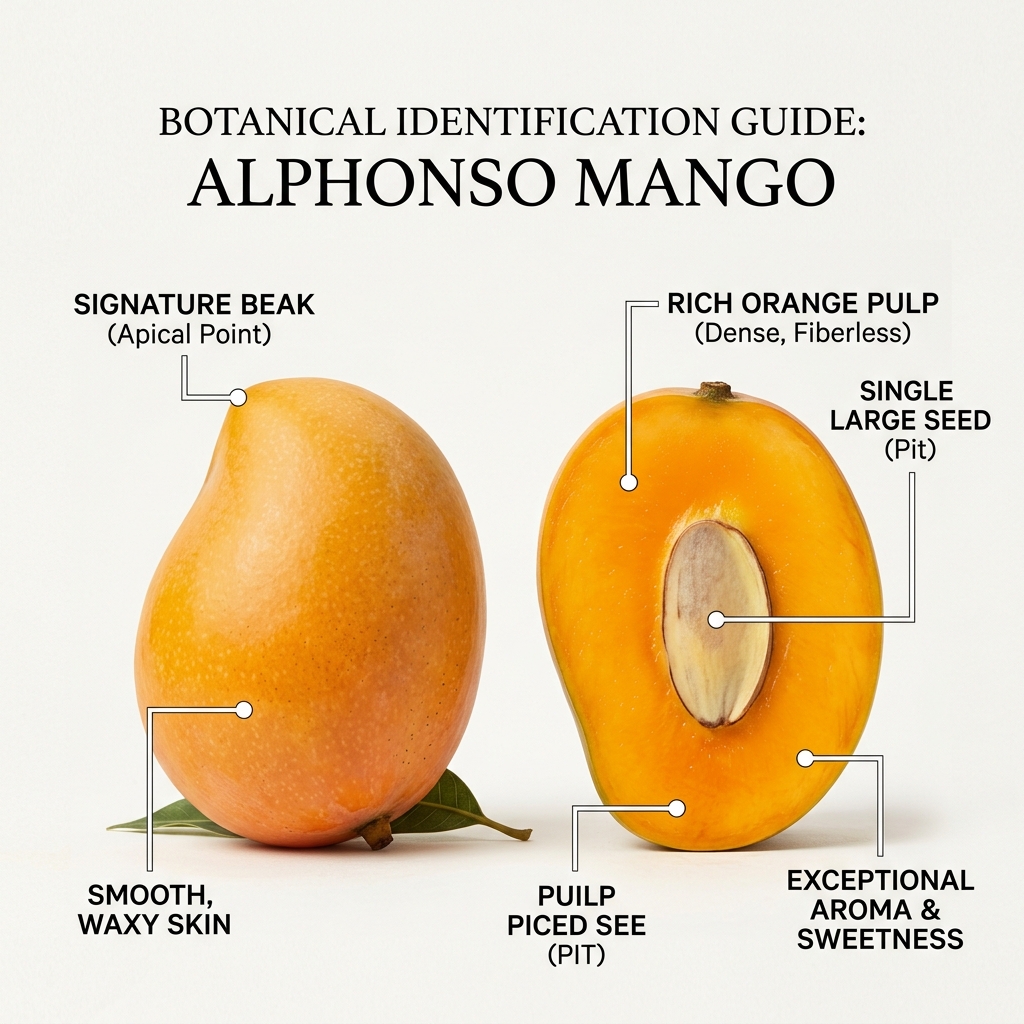 Alphonso Guide
- Roundish-oval base: Plump, roundish base with a tiny beak.
- Vibrant golden-orange skin: Ripe skin is a uniform, rich golden-yellow color.
- Saffron-orange pulp: Deep orange color, buttery and fiberless.
- Konkan coast origin: Sourced from Devgad and Ratnagiri districts.
Detailed Attribute Breakdown
👅 Flavor Comparison
Alphonso has a complex buttery sweetness with a delicate acidity. Sindhu has a sweet, simple flavor profile that is pleasant and refreshing.
👃 Aroma Profile
Alphonso has a very strong, sweet tropical perfume. Sindhu has a mild, sweet, fruity scent.
📦 Shelf Life & Storage
Sindhu has a good shelf life due to its firm skin, lasting 5-7 days. Alphonso is delicate.
🛒 Market Availability
Alphonso peaks in April/May. Sindhu is available in June.
Which Should You Choose?
- Choose Alphonso if you want the absolute richest, most luxurious eating experience in spring and love a heavy tropical aroma.
- Choose Sindhu if you want a seedless, high-yield mango with sweet pulp and great value.