
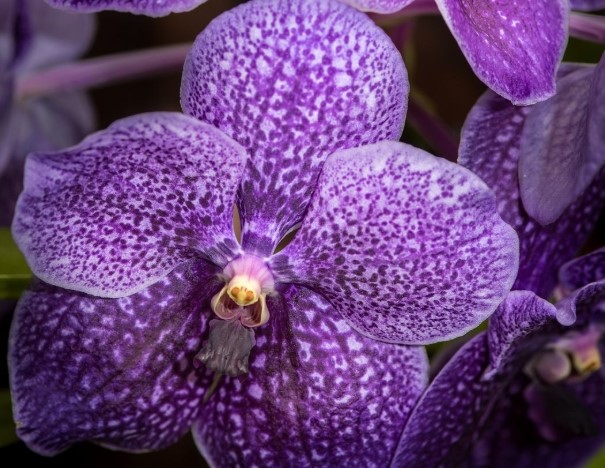
Vanda Orchid
Vanda
Basic Details
Floral Formula & Features
Bilaterally symmetrical, bisexual, 6 tepals in 2 whorls of 3 (3 sepals + 3 petals with one modified into lip), 1 stamen fused with style forming column, 3 fused carpels with inferior ovary typical of Orchidaceae
- Name 'Vanda' comes from Sanskrit word for the species Vanda tessellata. Vanda Miss Joaquim, a natural hybrid, is Singapore's national flower. Genus includes about 80 species native to tropical Asia
- Large, showy flowers with five spreading petals and sepals arranged in a flat, rounded form. Many species feature tessellated (checkered) patterns in contrasting colors. Flowers measure 2-5 inches across and appear in sprays of 6-15 blooms
- Monopodial epiphytic perennial that grows continuously upward from a single stem, producing thick, silvery-green aerial roots. Blooms 2-3 times yearly in ideal conditions. Three leaf types: strap-leaved (flat), terete (cylindrical), and semi-terete (intermediate)
- Height ranges from 1-4 feet (30-120 cm) depending on age and species. Flower sprays extend 6-18 inches. Lifespan of 10-20 years or more with proper care. Propagated by stem cuttings or keikis (offshoots)
- Native to tropical Asia including India, Thailand, Philippines, Indonesia, and northern Australia. Found growing on trees in warm, humid forests from sea level to 1,500 meters elevation
- Requires very bright light (50-70% full sun) and warm temperatures (65-95°F/18-35°C). Needs high humidity (60-80%) and excellent air circulation. Best grown in slatted baskets with exposed roots, watered daily in warm weather
- Excellent cut flowers lasting 2-4 weeks in water. Widely used in tropical leis, corsages, and floral arrangements. Many species are fragrant. Important commercial crop in Thailand, Singapore, and Hawaii
Names in Different Languages
What is Floral Formula?
A floral formula is a symbolic representation of a flower's structure using letters, numbers, and special symbols. It provides a concise way to describe the arrangement and number of floral parts.
This formula describes the flower's symmetry, sepals, petals, stamens, and carpels in a standardized format.
Formula Sequence
- Bract: Br or Ebr
- Bracteole: Brl or Ebrl
- Symmetry: % (Radial) or ⊕ (Bilateral)
- Sex: ♀ (Female), ♂ (Male), or ⚥ (Bisexual)
- Calyx/Sepal: K<number> (Free or Fused)
- Corolla/Petal: C<number> (Free or Fused)
- Androecium: A<number> (Free or Fused)
- Gynaecium: G<number> (Superior or Inferior Ovary)
Symbol Meanings
- Numbers: Indicate quantity of parts
- Parentheses (): Parts are fused together
- Plus (+): Parts in different whorls
- Underline: Superior ovary position
- Overline: Inferior ovary position
- ∞: Numerous parts (too many to count)
Understanding floral formulas helps botanists quickly identify and classify flowers based on their structural characteristics.
Similar Flowers
Discover flowers that share botanical characteristics
Same Family
4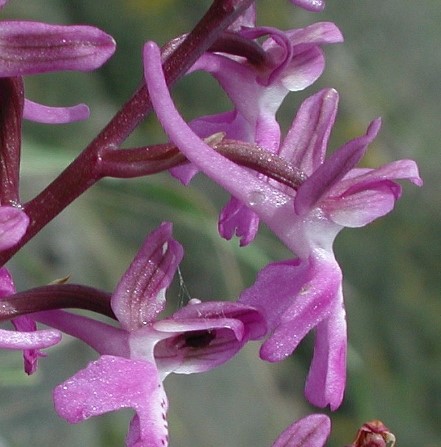
Orchis Orchid
Orchis
Classic terrestrial orchid featuring dense spikes of hooded flowers in shades of...
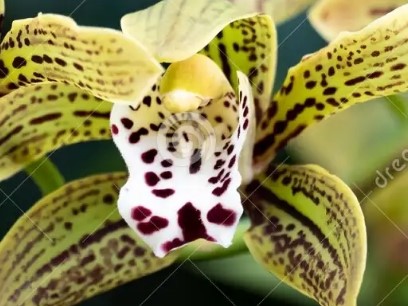
Boat Orchid
Cymbidium
Elegant orchid featuring graceful arching sprays of waxy flowers with distinctiv...
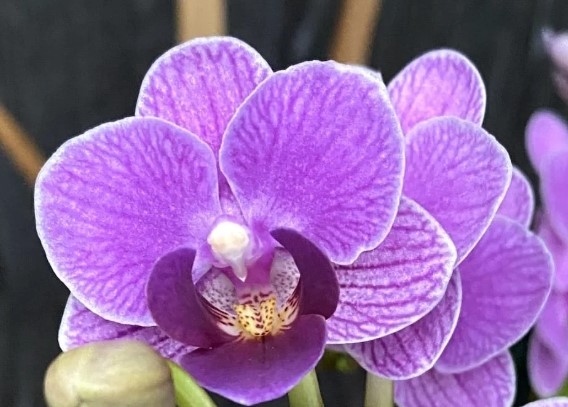
Phalaenopsis Orchid
Phalaenopsis
Popular and easy-to-grow orchid with elegant, moth-like flowers on gracefully ar...
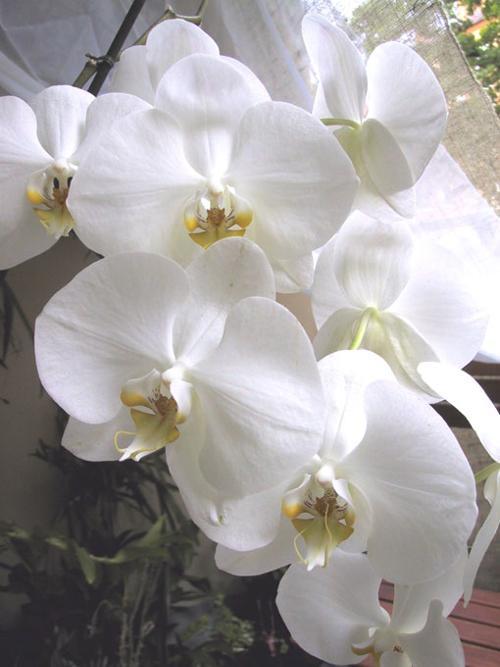
Moon Orchid
Phalaenopsis amabilis
Elegant epiphytic orchid with graceful arching sprays of pristine white moth-lik...
Similar Characteristics
4
Cattleya orchids
Cattleya
Spectacular epiphytic orchids renowned as 'Queen of Orchids' for their large, sh...
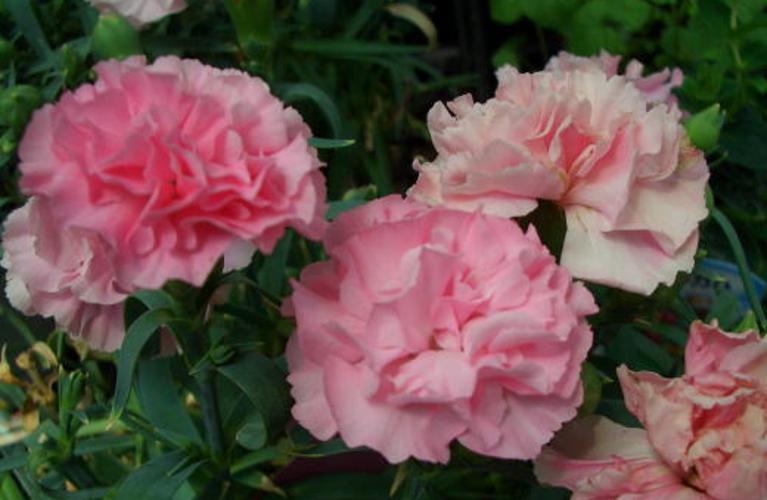
Carnation flower
Dianthus caryophyllus
Classic florist flower featuring densely ruffled, fringed petals with distinctiv...
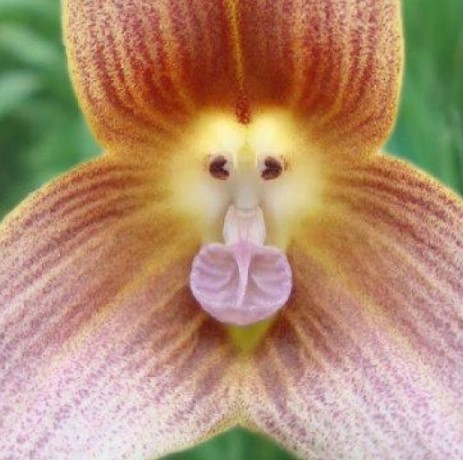
Monkey Orchid
Dracula simia
Extraordinary orchid featuring flowers with an uncanny resemblance to a monkey's...
Orchis Orchid
Orchis
Classic terrestrial orchid featuring dense spikes of hooded flowers in shades of...