
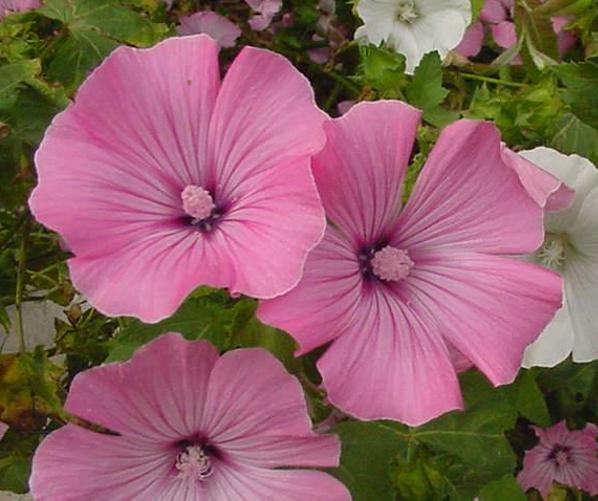
Tree Mallow
Malva arborea
Basic Details
Floral Formula & Features
Ebracteate (no bracts), Epicalyx present with 3 segments, Actinomorphic (radially symmetrical), bisexual, 5 fused sepals, 5 free petals, numerous stamens fused into column (monadelphous), numerous fused carpels arranged in ring with superior ovary typical of Malvaceae
- Name 'Mallow' derives from Latin 'malva,' an ancient name used since Roman times. 'Lavatera' honors Swiss naturalist brothers Johann Heinrich Lavater and Johann Caspar Lavater. 'Arborea' means tree-like in Latin, referring to its woody, shrubby growth habit
- Large, funnel-shaped flowers 2-3 inches (5-8 cm) across with five broad, overlapping petals. Blooms display soft pink to purple-pink color with distinctive dark purple veins radiating from deep magenta center. Flowers arranged in clusters along stems, blooming continuously from late spring through summer
- Biennial or short-lived perennial that forms woody-based shrub. First year produces vegetative growth, second year blooms profusely (May-September) then often dies, though may persist 2-3 years in mild climates. Self-seeds readily, ensuring continuous presence in garden
- Grows 3-8 feet (90-240 cm) tall with 3-5 foot (90-150 cm) spread, forming large, bushy shrub. Lifespan of 1-3 years (biennial to short-lived perennial). Propagated easily from seed or semi-hardwood cuttings. Fast-growing, reaching full size in one season
- Native to Mediterranean region and Atlantic coasts of Western Europe, including coastal areas of Britain, Spain, Portugal, France, Italy, Greece, and North Africa. Grows naturally on rocky cliffs, coastal scrub, and disturbed ground near the sea
- Thrives in full sun with 6-8 hours of direct sunlight. Highly salt-tolerant, making it ideal for coastal gardens. Drought-tolerant once established. Prefers well-drained soil but adapts to poor, sandy, or rocky soils. Tolerates wind and salt spray
- Attracts bees, butterflies, and other pollinators. Deer resistant. Excellent for cottage gardens, coastal plantings, and Mediterranean-style landscapes. Flowers close at night and on cloudy days. Self-seeds readily but not invasively
- Fast-growing screen or hedge plant. Tolerates pruning to maintain size and shape. May need staking in windy locations. Short-lived but self-perpetuating through seed. Performs poorly in humid, hot summers preferring cool coastal climates
Names in Different Languages
What is Floral Formula?
A floral formula is a symbolic representation of a flower's structure using letters, numbers, and special symbols. It provides a concise way to describe the arrangement and number of floral parts.
This formula describes the flower's symmetry, sepals, petals, stamens, and carpels in a standardized format.
Formula Sequence
- Bract: Br or Ebr
- Bracteole: Brl or Ebrl
- Symmetry: % (Radial) or ⊕ (Bilateral)
- Sex: ♀ (Female), ♂ (Male), or ⚥ (Bisexual)
- Calyx/Sepal: K<number> (Free or Fused)
- Corolla/Petal: C<number> (Free or Fused)
- Androecium: A<number> (Free or Fused)
- Gynaecium: G<number> (Superior or Inferior Ovary)
Symbol Meanings
- Numbers: Indicate quantity of parts
- Parentheses (): Parts are fused together
- Plus (+): Parts in different whorls
- Underline: Superior ovary position
- Overline: Inferior ovary position
- ∞: Numerous parts (too many to count)
Understanding floral formulas helps botanists quickly identify and classify flowers based on their structural characteristics.
Similar Flowers
Discover flowers that share botanical characteristics
Same Genus
1
Same Family
2
Similar Characteristics
4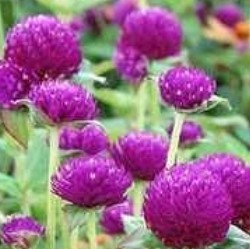
Globe Amaranth
Gomphrena globosa
Cheerful annual featuring distinctive globe-shaped flower heads resembling color...
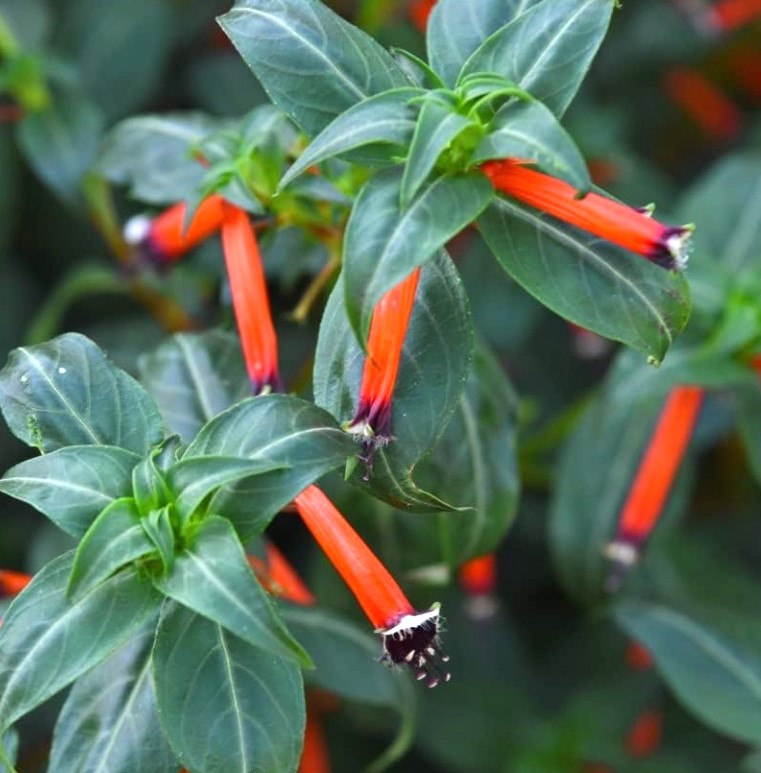
Cuphea Cigar
Cuphea ignea
Charming compact shrub featuring unique tubular flowers that resemble tiny lit c...
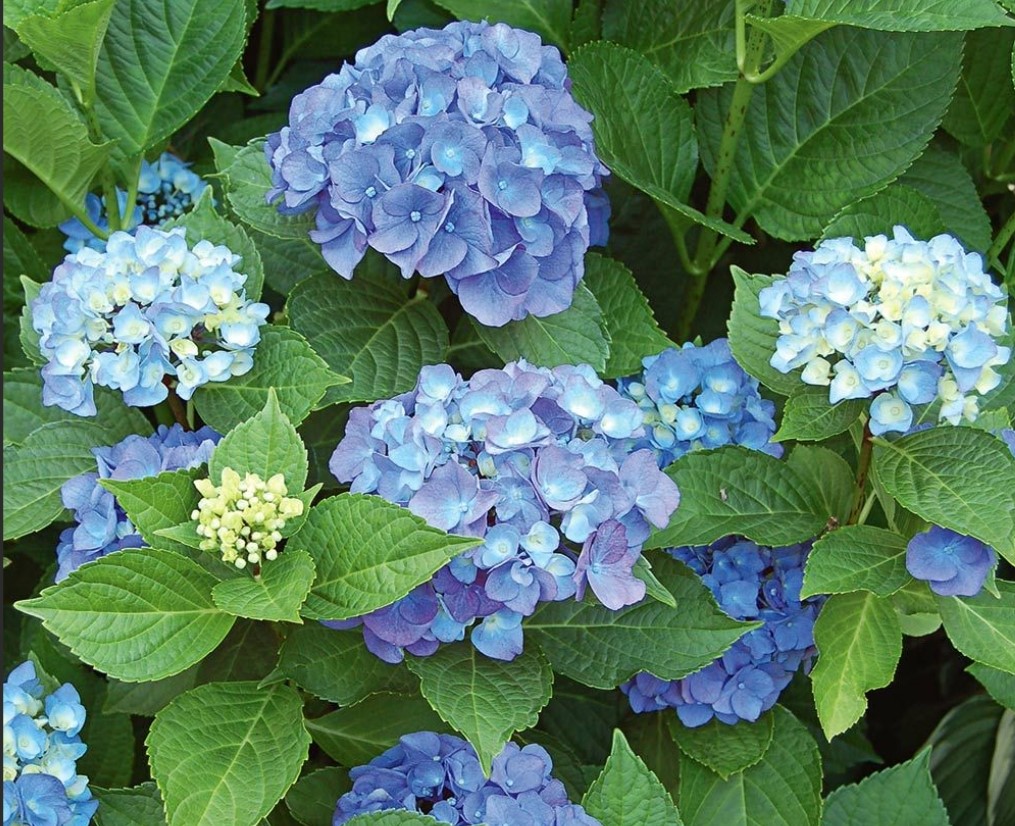
Hydrangea
Hydrangea
Beloved flowering shrub producing spectacular large, rounded or conical clusters...
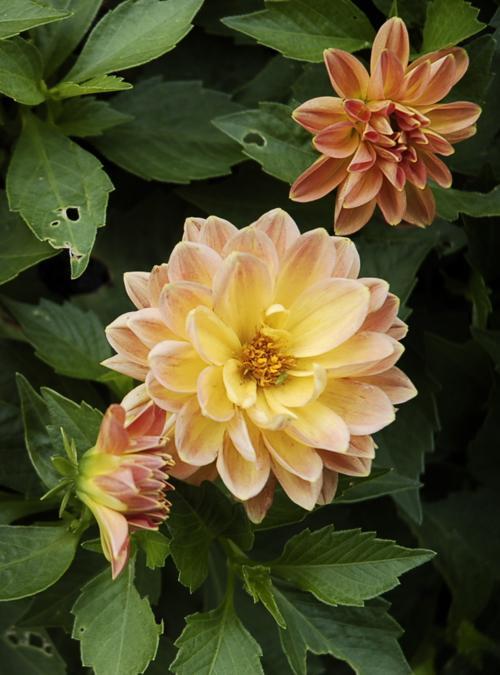
Pink Dahlia
Dahlia
Stunning tuberous perennial with layered pink blooms ranging from soft blush to ...