
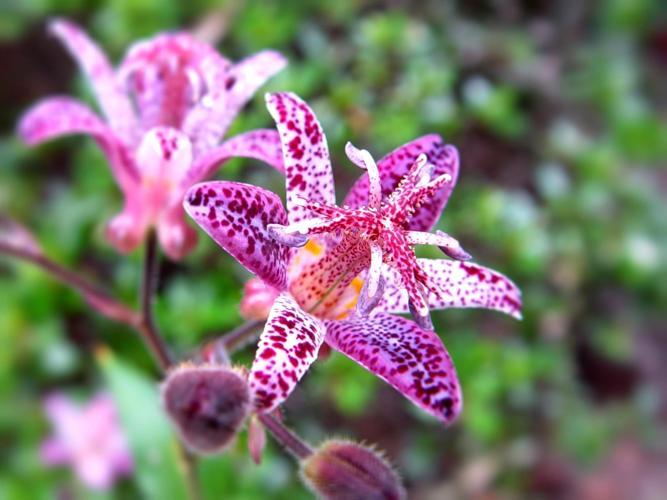
Toad Lily
Tricyrtis
Basic Details
Floral Formula & Features
Ebracteate (no bracts), Actinomorphic (radially symmetrical), bisexual, 6 free tepals in 2 whorls of 3 (perianth - no distinction between sepals and petals), 6 free stamens in 2 whorls of 3, 3 fused carpels with superior ovary
- Name 'Toad Lily' refers to the spotted, speckled flowers that resemble a toad's skin. 'Tricyrtis' comes from Greek 'tri' (three) and 'kyrtos' (curved), referring to the three outer petals with nectar-producing sacs at their base. 'Hirta' means hairy in Latin, describing the fuzzy stems and leaves
- Intricate star-shaped flowers 1-2 inches (2.5-5 cm) across with six tepals covered in purple, maroon, or pink spots and speckles on white or pale purple background. Complex flower structure with upright pistil and prominent stamens creates orchid-like appearance. Flowers appear in clusters along upper stems
- Herbaceous perennial that blooms late summer through fall (August-October), filling the shade garden when most plants have finished flowering. Dies back to ground in winter, re-emerging in spring from rhizomes. Arching stems create graceful, fountain-like form
- Grows 1-3 feet (30-90 cm) tall with 1-2 foot (30-60 cm) spread. Lifespan of 10-15 years or more with minimal care. Propagated by division in spring or from seed (blooms in 2-3 years from seed). Slowly spreads by rhizomes to form clumps
- Native to moist woodlands and stream banks of eastern Asia, including Japan, China, Taiwan, Korea, and Himalayas. Different species native to specific regions - T. hirta from Japan, T. formosana from Taiwan. Now cultivated in shade gardens worldwide
- Thrives in partial to full shade with 2-4 hours of dappled sunlight or morning sun. Requires consistently moist, well-drained soil rich in organic matter. Performs best with cool, humid conditions. Mulch helps retain moisture and keep roots cool
- Attracts hummingbirds and butterflies despite blooming late in season. Deer and rabbit resistant. Excellent cut flower with vase life of 5-7 days. Combines well with ferns, hostas, and other shade perennials in woodland gardens
- Low maintenance once established. Rarely bothered by pests or diseases. Slow to establish but long-lived. Flowers may be damaged by early frost in northern regions. Best planted in groups of 3-5 for visual impact
Names in Different Languages
What is Floral Formula?
A floral formula is a symbolic representation of a flower's structure using letters, numbers, and special symbols. It provides a concise way to describe the arrangement and number of floral parts.
This formula describes the flower's symmetry, sepals, petals, stamens, and carpels in a standardized format.
Formula Sequence
- Bract: Br or Ebr
- Bracteole: Brl or Ebrl
- Symmetry: % (Radial) or ⊕ (Bilateral)
- Sex: ♀ (Female), ♂ (Male), or ⚥ (Bisexual)
- Calyx/Sepal: K<number> (Free or Fused)
- Corolla/Petal: C<number> (Free or Fused)
- Androecium: A<number> (Free or Fused)
- Gynaecium: G<number> (Superior or Inferior Ovary)
Symbol Meanings
- Numbers: Indicate quantity of parts
- Parentheses (): Parts are fused together
- Plus (+): Parts in different whorls
- Underline: Superior ovary position
- Overline: Inferior ovary position
- ∞: Numerous parts (too many to count)
Understanding floral formulas helps botanists quickly identify and classify flowers based on their structural characteristics.
Similar Flowers
Discover flowers that share botanical characteristics
Same Family
4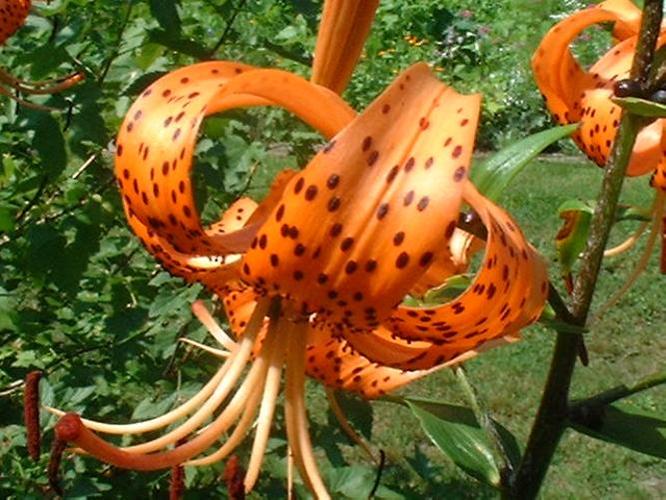
Tiger Lily
Lilium lancifolium
Spectacular summer-blooming bulb featuring vibrant orange flowers adorned with d...
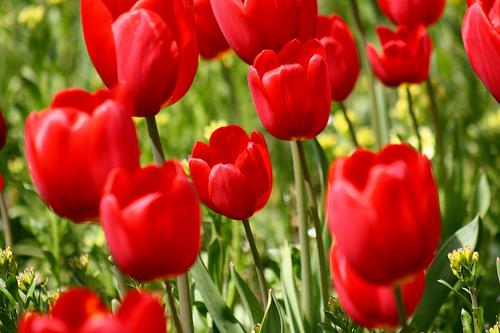
Tulip
Tulipa
Iconic spring-blooming bulb celebrated for its elegant cup-shaped flowers in nea...
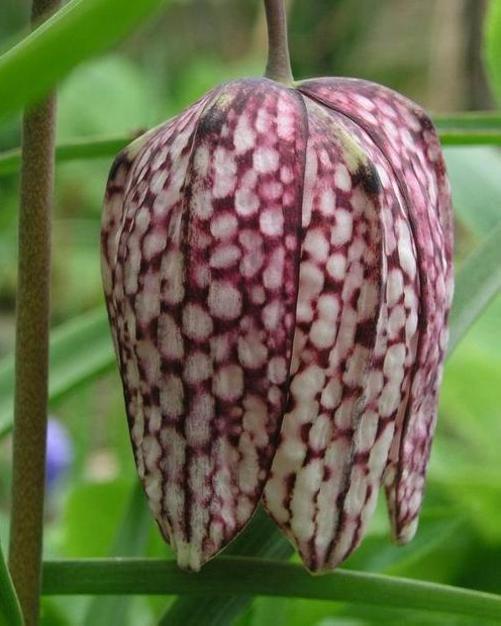
Fritillaria
Fritillaria
Elegant spring bulb featuring distinctive nodding, bell-shaped flowers, many wit...
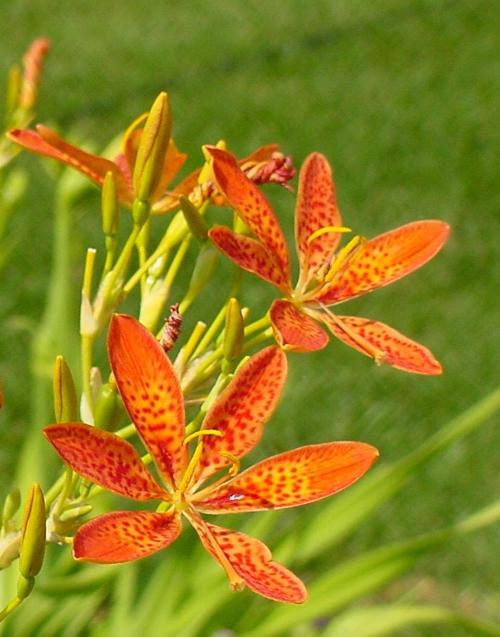
Leopard Lily
Iris domestica (syn. Belamcanda chinensis)
Striking perennial featuring exotic, star-shaped flowers in brilliant orange-red...
Similar Characteristics
4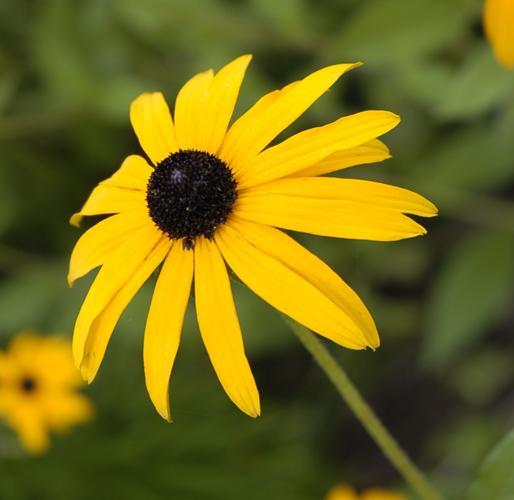
Black eyed Susan
Rudbeckia hirta
Cheerful native wildflower featuring bright golden-yellow ray petals surrounding...
Fritillaria
Fritillaria
Elegant spring bulb featuring distinctive nodding, bell-shaped flowers, many wit...
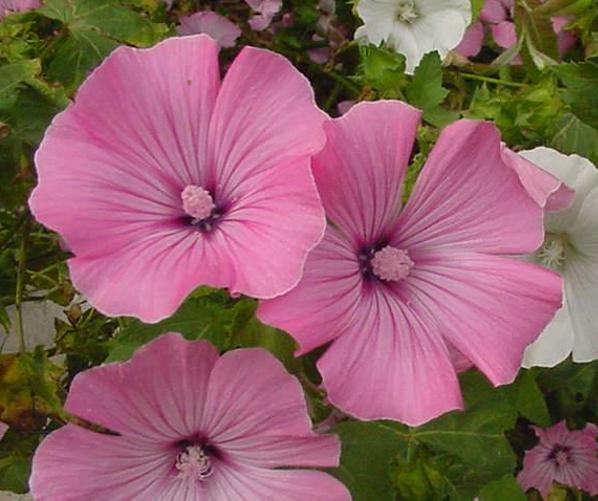
Tree Mallow
Malva arborea
Robust biennial or short-lived perennial forming a woody-based shrub covered in ...
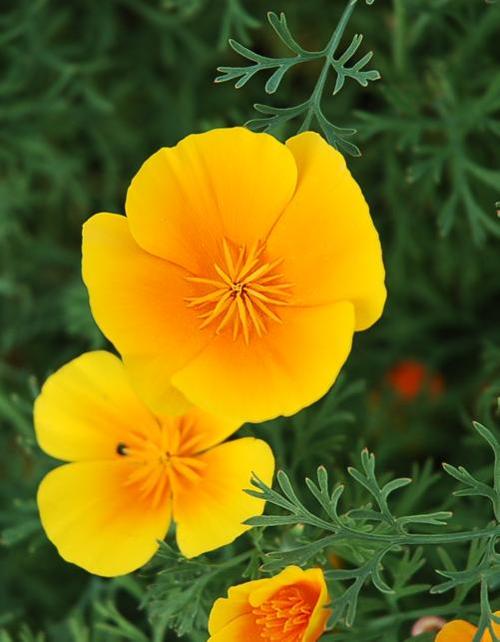
California poppy
Eschscholzia californica
Cheerful native wildflower featuring silky, satin-textured blooms in brilliant s...