
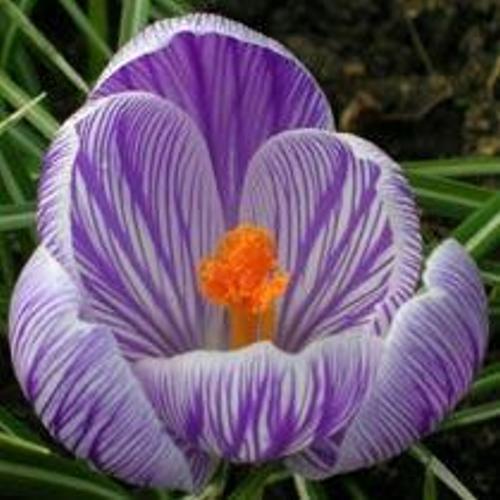
Spring Crocus
Crocus vernus
Basic Details
Floral Formula & Features
Ebracteate, radially symmetrical (actinomorphic), bisexual, perianth of 6 tepals in 2 whorls (3+3, all petal-like), 3 stamens, 3 fused carpels with inferior ovary. Typical of Iridaceae family
- Name 'Crocus' from Greek 'krokos' (saffron). About 90 Crocus species. C. vernus (spring crocus) most common garden type. Related to C. sativus (saffron crocus) but doesn't produce saffron spice. Dutch Crocus are larger hybrids. Called 'harbinger of spring' - blooms earliest. Squirrels usually ignore (unlike tulips)
- Flowers 2-4 inches (5-10 cm) tall, cup or goblet-shaped. 6 petals (actually tepals) in purple, lavender, yellow, white, or striped. Orange stigmas in center. Blooms late winter-early spring (February-April) depending on climate. Each corm produces 1-3 flowers. Flowers close at night and on cloudy days, open in sun
- Herbaceous perennial growing from corms (swollen underground stems, not true bulbs). Narrow grass-like leaves 4-6 inches long with white stripe down center. Leaves appear with or after flowers. Foliage dies back by early summer. Dormant summer-fall. Multiplies by producing new corms (cormlets)
- Grows 3-6 inches (8-15 cm) tall in bloom. Spread 2-3 inches per corm. Lifespan 3-5 years per corm, but multiplies to form colonies lasting decades. Propagated by cormlets (separate and replant) or seed. Plant corms 3-4 inches deep in fall. Naturalizes easily
- Native to central and southern Europe - Alps, Pyrenees, Balkans. Found in mountain meadows, woodlands at 3,000-6,000 feet elevation. Now cultivated worldwide in temperate zones. Thrives in cool climates. Naturalized in parts of North America
- Requires full sun to partial shade (4-6 hours sun). Needs well-drained soil - corms rot if too wet. Plant in fall (September-November) for spring bloom. Cold hardy - needs winter chill to bloom. Hardy zones 3-8. Tolerates poor soil. Very low maintenance once established
- Excellent for naturalizing in lawns (can mow after foliage yellows), rock gardens, under deciduous trees, borders, containers. One of earliest nectar sources for bees. Deer and squirrel resistant (bitter taste). Chipmunks may dig corms. Provides cheerful color when little else blooming. Symbolizes youthful gladness, cheerfulness
- Plant corms 3-4 inches deep, pointed end up, in fall. Space 3-4 inches apart or plant in drifts for natural look. Allow foliage to die back naturally (feeds corm for next year). Fertilize lightly in fall. Divide overcrowded clumps every 3-4 years. Very easy - plant and forget. Multiplies freely
Names in Different Languages
What is Floral Formula?
A floral formula is a symbolic representation of a flower's structure using letters, numbers, and special symbols. It provides a concise way to describe the arrangement and number of floral parts.
This formula describes the flower's symmetry, sepals, petals, stamens, and carpels in a standardized format.
Formula Sequence
- Bract: Br or Ebr
- Bracteole: Brl or Ebrl
- Symmetry: % (Radial) or ⊕ (Bilateral)
- Sex: ♀ (Female), ♂ (Male), or ⚥ (Bisexual)
- Calyx/Sepal: K<number> (Free or Fused)
- Corolla/Petal: C<number> (Free or Fused)
- Androecium: A<number> (Free or Fused)
- Gynaecium: G<number> (Superior or Inferior Ovary)
Symbol Meanings
- Numbers: Indicate quantity of parts
- Parentheses (): Parts are fused together
- Plus (+): Parts in different whorls
- Underline: Superior ovary position
- Overline: Inferior ovary position
- ∞: Numerous parts (too many to count)
Understanding floral formulas helps botanists quickly identify and classify flowers based on their structural characteristics.
Similar Flowers
Discover flowers that share botanical characteristics
Same Family
4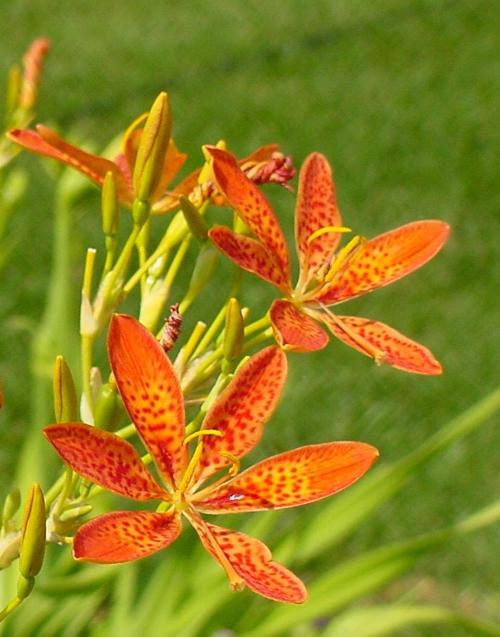
Leopard Lily
Iris domestica (syn. Belamcanda chinensis)
Striking perennial featuring exotic, star-shaped flowers in brilliant orange-red...
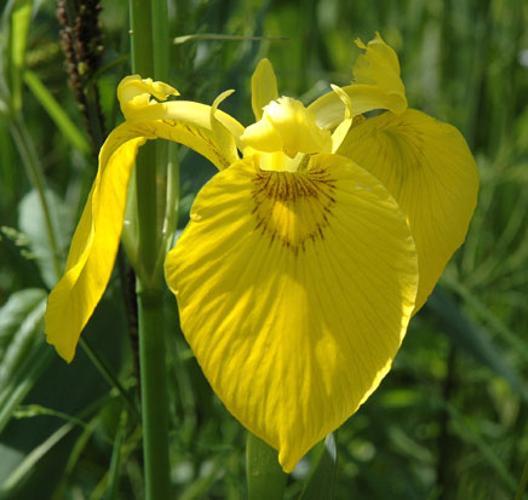
Yellow Iris
Iris pseudacorus
Striking wetland perennial native to Europe with bright golden-yellow flowers an...
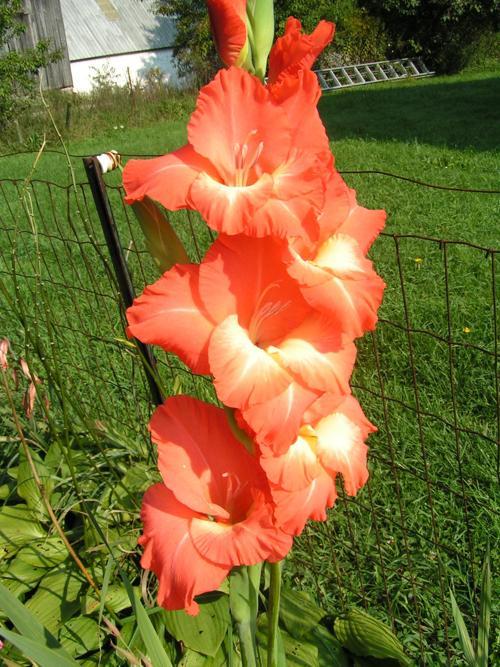
Gladiolus
Gladiolus
Spectacular cormous perennial featuring tall, dramatic spikes of large, funnel-s...
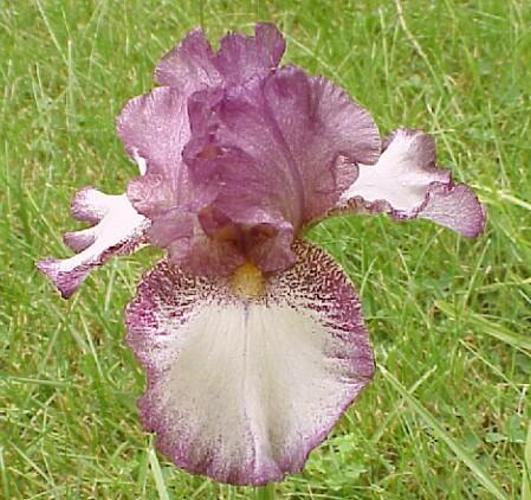
Bearded Iris
Iris germanica
Elegant perennial featuring distinctive flowers with three upright petals (stand...
Similar Characteristics
4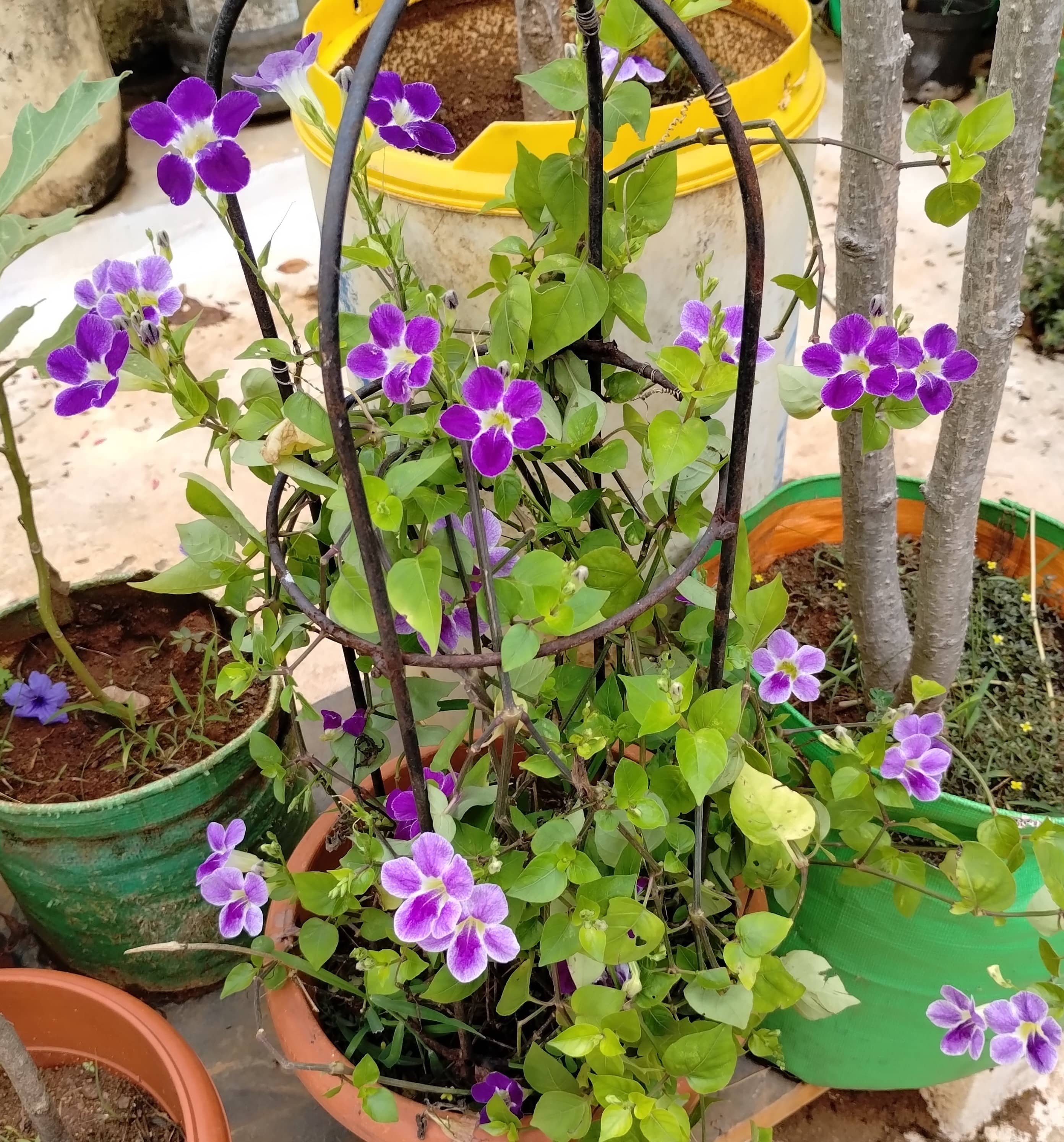
Thunbergia Bush Clock Vine
Thunbergia erecta
Versatile tropical plant producing stunning trumpet-shaped flowers in shades of ...
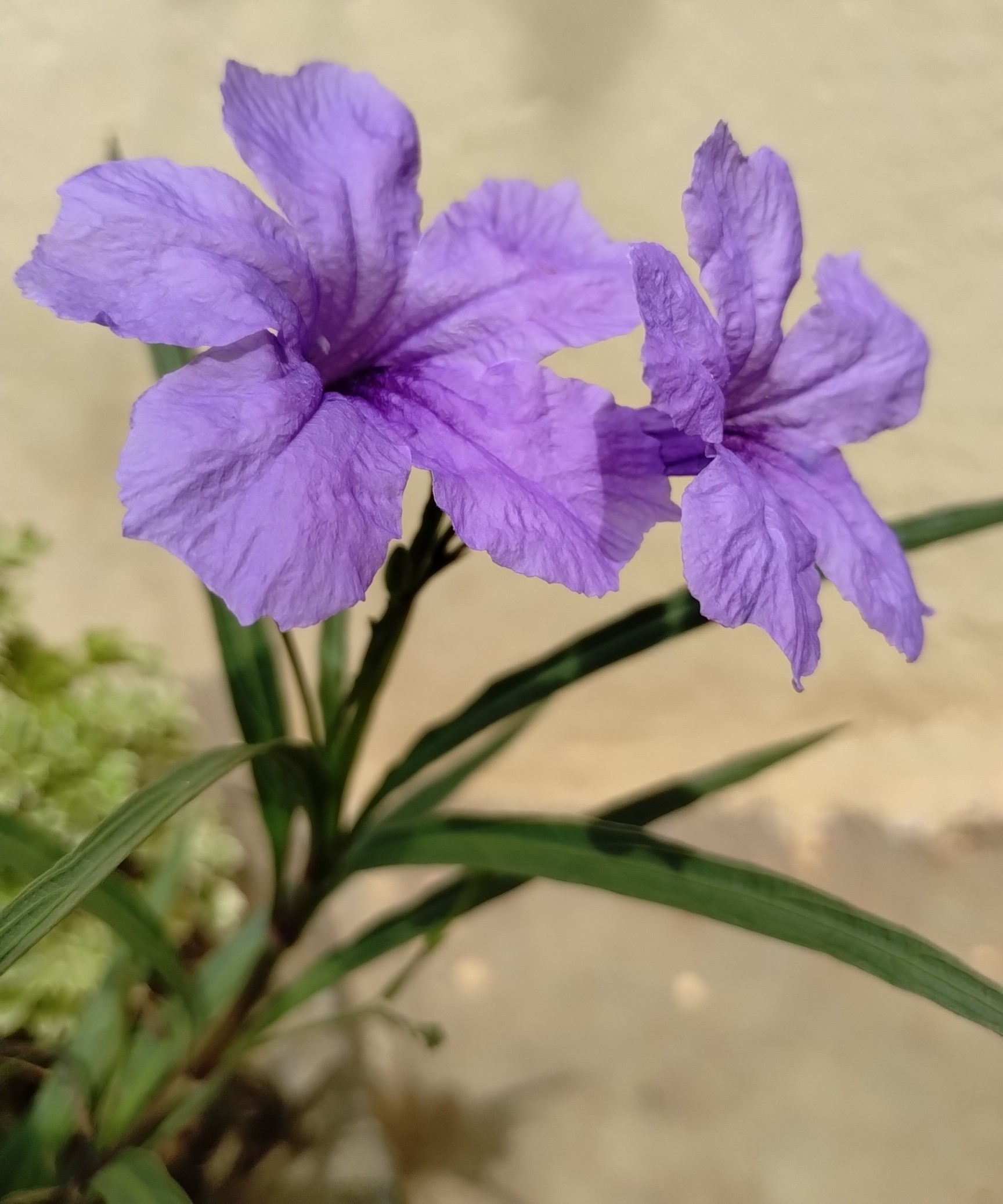
Mexican Petunia
Ruellia simplex
Vigorous perennial producing trumpet-shaped flowers resembling petunias in shade...
Gladiolus
Gladiolus
Spectacular cormous perennial featuring tall, dramatic spikes of large, funnel-s...
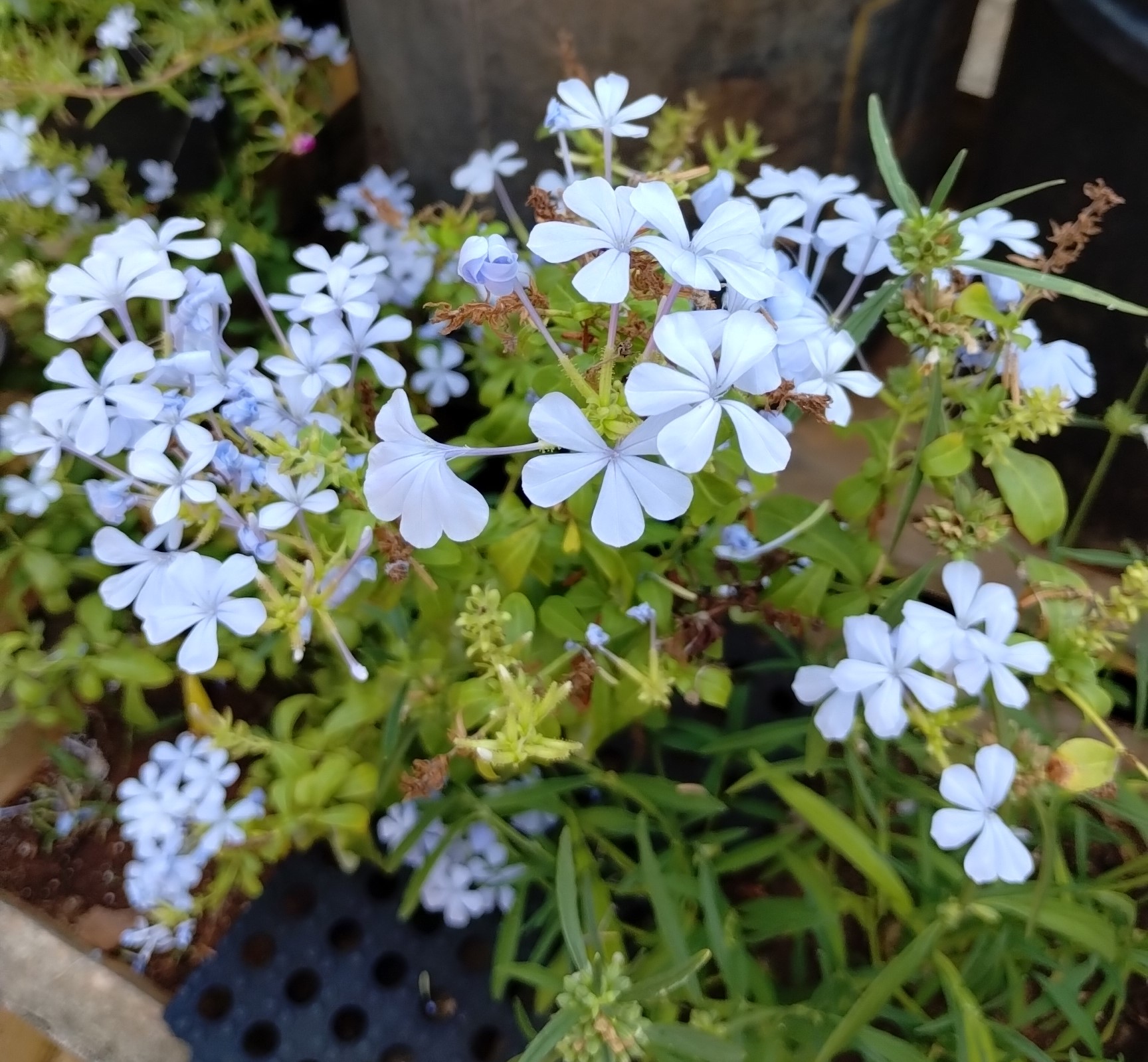
Leadwort
Plumbago auriculata
Vigorous evergreen to semi-evergreen shrub featuring abundant clusters of delica...