
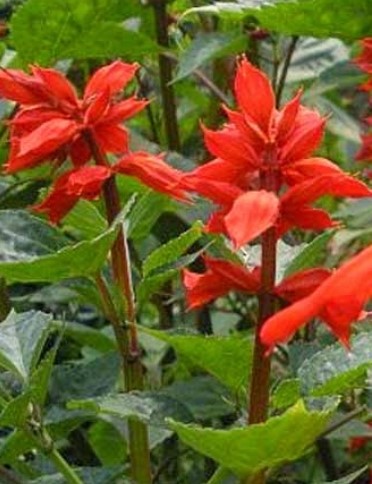
Salvia
Salvia
Basic Details
Floral Formula & Features
Bilaterally symmetrical, bisexual, 5 fused sepals forming calyx, 5 fused petals forming two-lipped corolla, 4 stamens in 2 pairs (didynamous - 2 long, 2 short), 2 fused carpels with superior ovary typical of Lamiaceae
- Name 'Salvia' derives from Latin 'salvare' meaning 'to save' or 'to heal,' referring to medicinal properties. Common sage (S. officinalis) has been used medicinally for thousands of years. Largest genus in mint family with nearly 1,000 species
- Distinctive two-lipped tubular flowers arranged in whorls along square stems. Upper lip forms a hood; lower lip serves as landing platform for pollinators. Flowers have specialized mechanism where stamens swing down to deposit pollen on visiting insects
- Growth habits vary: herbaceous perennials (die back in winter), woody perennials (retain stems), and tender perennials grown as annuals in cold climates. Blooms spring through fall depending on species. Most have aromatic foliage
- Height ranges from 1-6 feet (30-180 cm) depending on species. Dwarf varieties stay under 18 inches; large species reach 6 feet. Lifespan of 3-10 years for perennials. Propagated by seed, cuttings, or division
- Native to temperate and tropical regions worldwide, with major centers of diversity in Mediterranean region, Central/South America, and western North America. Found in diverse habitats from dry hillsides to moist meadows
- Most species prefer full sun (6-8 hours daily) and well-drained soil. Many are drought-tolerant once established. Mediterranean types need dry conditions; tropical species prefer more moisture. Generally hardy and low-maintenance
- Culinary sage (S. officinalis) used in cooking for savory dishes. Many species used in herbal medicine for memory, digestion, and antimicrobial properties. Excellent cut and dried flowers. Essential oils used in aromatherapy and cosmetics
Names in Different Languages
What is Floral Formula?
A floral formula is a symbolic representation of a flower's structure using letters, numbers, and special symbols. It provides a concise way to describe the arrangement and number of floral parts.
This formula describes the flower's symmetry, sepals, petals, stamens, and carpels in a standardized format.
Formula Sequence
- Bract: Br or Ebr
- Bracteole: Brl or Ebrl
- Symmetry: % (Radial) or ⊕ (Bilateral)
- Sex: ♀ (Female), ♂ (Male), or ⚥ (Bisexual)
- Calyx/Sepal: K<number> (Free or Fused)
- Corolla/Petal: C<number> (Free or Fused)
- Androecium: A<number> (Free or Fused)
- Gynaecium: G<number> (Superior or Inferior Ovary)
Symbol Meanings
- Numbers: Indicate quantity of parts
- Parentheses (): Parts are fused together
- Plus (+): Parts in different whorls
- Underline: Superior ovary position
- Overline: Inferior ovary position
- ∞: Numerous parts (too many to count)
Understanding floral formulas helps botanists quickly identify and classify flowers based on their structural characteristics.
Similar Flowers
Discover flowers that share botanical characteristics
Same Family
4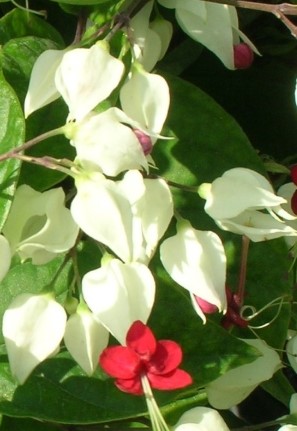
Bleeding Heart Vine
Clerodendrum thomsoniae
The plant is a creeper/climber and produces numerous clusters of flowers that a...
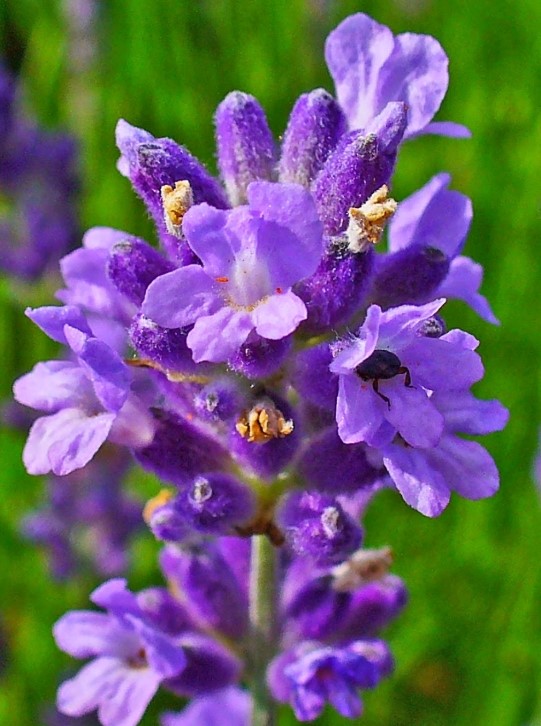
Lavender
Lavandula angustifolia
Iconic aromatic herb featuring slender spikes of small, intensely fragrant flowe...
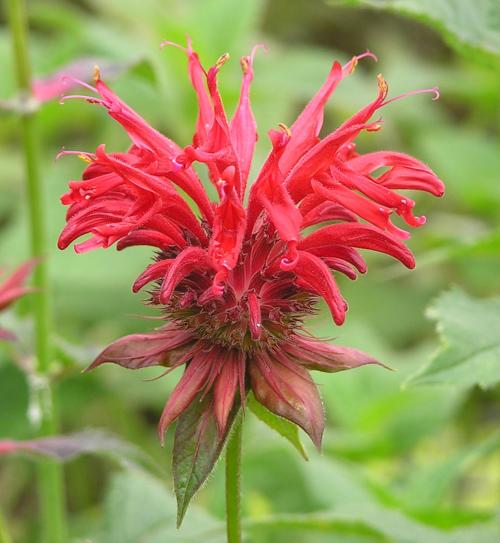
Beebalm
Monarda didyma, Mentha longifolia
Showy perennial herb featuring dense, pom-pom-like clusters of tubular flowers i...
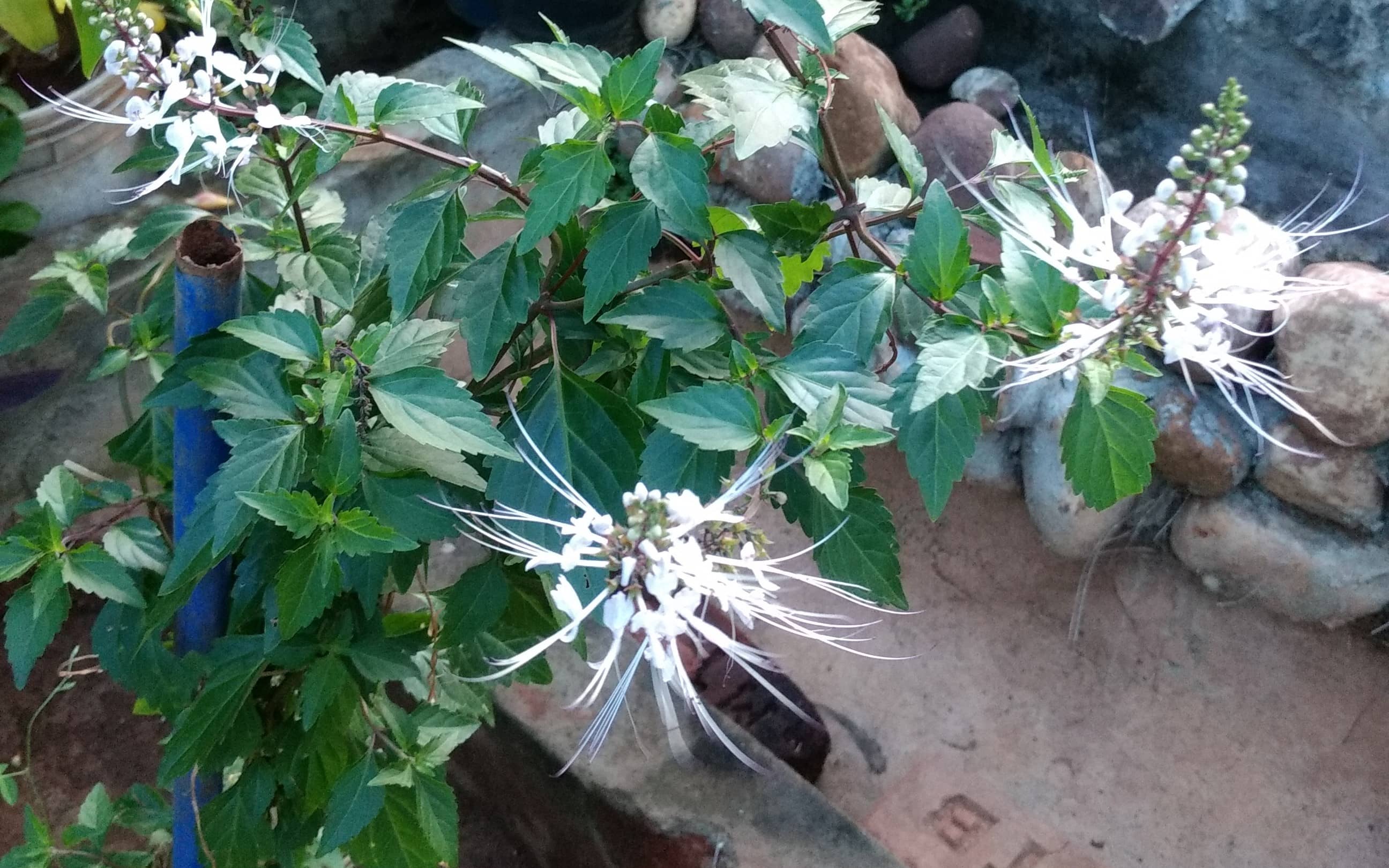
Cat's whiskers
Orthosiphon aristatus
Distinctive medicinal herb featuring delicate white or pale purple flowers with ...
Similar Characteristics
4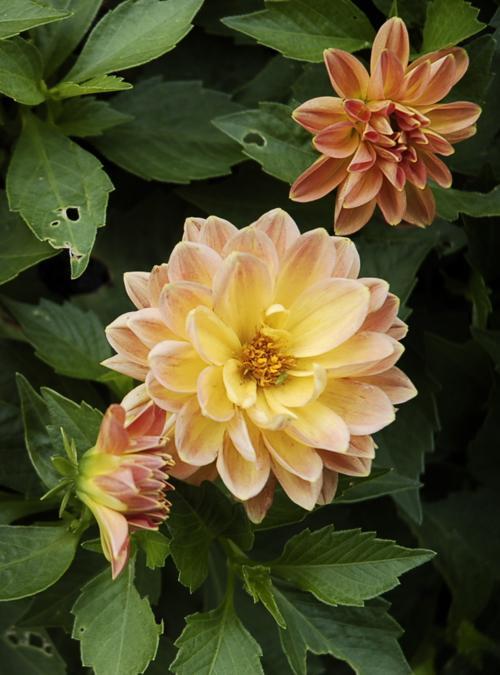
Pink Dahlia
Dahlia
Stunning tuberous perennial with layered pink blooms ranging from soft blush to ...
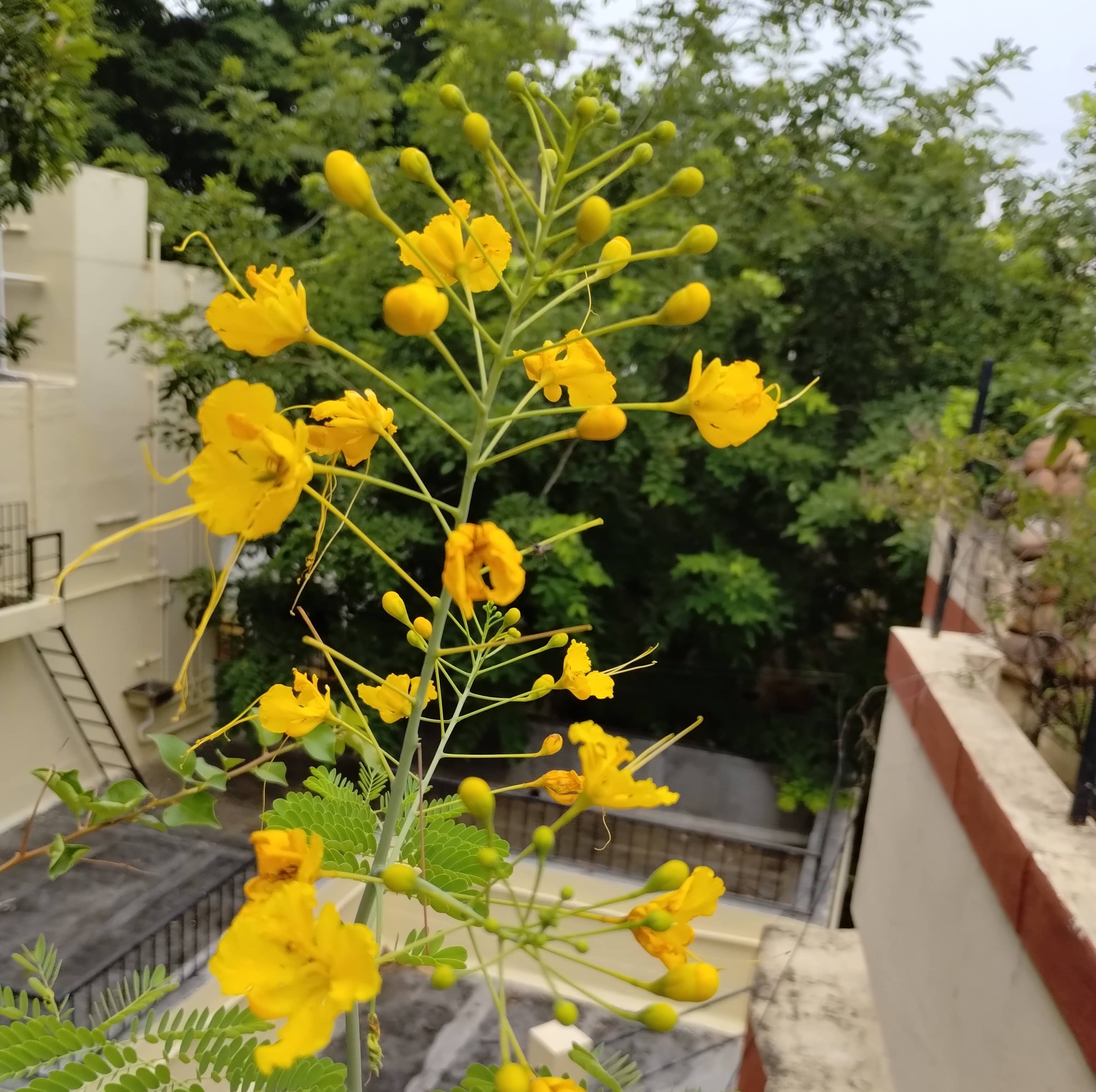
Caesalpinia
Caesalpinia pulcherrima
Spectacular tropical shrub featuring brilliant flame-colored flower clusters wit...
Lavender
Lavandula angustifolia
Iconic aromatic herb featuring slender spikes of small, intensely fragrant flowe...
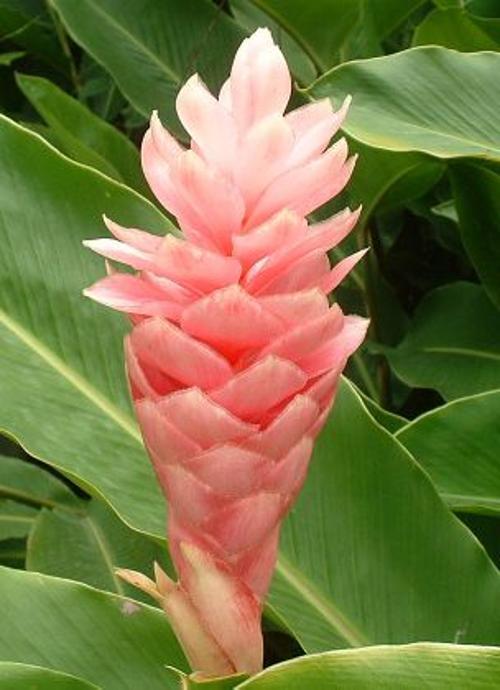
Red Ginger (Ostrich Plume)
Alpinia purpurata
Stunning tropical plant with brilliant red or pink cone-shaped flower spikes res...