
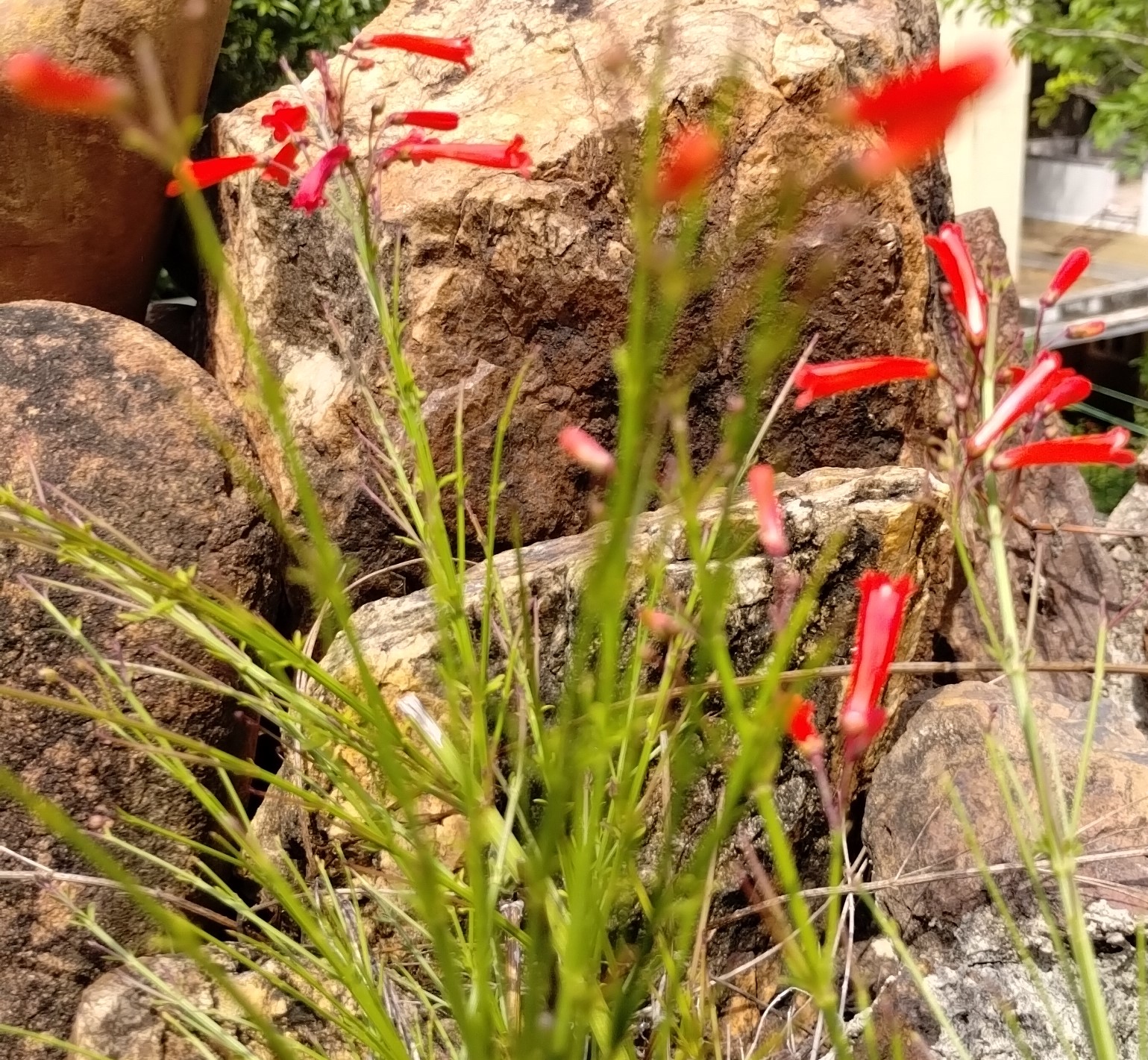
Russelia
Russelia equisetiformis
Basic Details
Floral Formula & Features
Zygomorphic (bilaterally symmetrical), bisexual, 5 fused sepals, 5 fused petals forming tube, 4 stamens (didynamous), 2 fused carpels with superior ovary typical of Plantaginaceae
- Name 'Russelia' honors Alexander Russell, Scottish naturalist and physician. 'Equisetiformis' from Latin 'equus' (horse) and 'saeta' (bristle), meaning 'horsetail-like', referring to rush-like stems. 'Firecracker Plant' describes explosive flower display.
- Flowers tubular, 1 inch (2.5 cm) long, resembling miniature firecrackers. Colors: coral-red, scarlet (most common), also orange, pink, yellow, white varieties. Arranged in drooping terminal clusters. Blooms late spring to fall (year-round in warm climates). Profuse flowering.
- Stems slender, four-angled, rush-like, bright green, arching or weeping habit. Leaves small, needle-like, inconspicuous, blending with stems. Creates fountain or waterfall effect. Semi-evergreen to deciduous depending on climate.
- Size: 2-5 feet (0.6-1.5 m) tall, spreads 3-6 feet (0.9-1.8 m) wide. Multi-branched subshrub. Lifespan 5+ years as perennial. Propagated by cuttings, seeds, division. Fast-growing. Zones 9-11 as perennial, annual elsewhere.
- Native to Mexico and Guatemala. Widely cultivated in tropical and subtropical regions worldwide. Naturalized in warm climates. Thrives in zones 9-11, grown as annual in cooler zones.
- Requires full sun (6+ hours) for best flowering. Tolerates partial shade. Prefers average, well-drained soil (sandy, rocky, or loamy). Drought-tolerant once established. Moderate salt tolerance. Heat-tolerant to 100°F+ (38°C+). Not frost-hardy.
- Attracts hummingbirds, butterflies, bees with nectar-rich flowers. Used in hanging baskets, containers, raised beds, trailing over walls, rock gardens. Deer and rabbit resistant. Low allergen. Excellent for hot, dry locations. Provides year-round interest.
- Minimal fertilizer needed (monthly during growing season). Water moderately, allow soil to dry between waterings. Prune in late winter/early spring to maintain shape. Deadheading not required. Watch for aphids, whiteflies. Very low-maintenance, pest-resistant.
Names in Different Languages
What is Floral Formula?
A floral formula is a symbolic representation of a flower's structure using letters, numbers, and special symbols. It provides a concise way to describe the arrangement and number of floral parts.
This formula describes the flower's symmetry, sepals, petals, stamens, and carpels in a standardized format.
Formula Sequence
- Bract: Br or Ebr
- Bracteole: Brl or Ebrl
- Symmetry: % (Radial) or ⊕ (Bilateral)
- Sex: ♀ (Female), ♂ (Male), or ⚥ (Bisexual)
- Calyx/Sepal: K<number> (Free or Fused)
- Corolla/Petal: C<number> (Free or Fused)
- Androecium: A<number> (Free or Fused)
- Gynaecium: G<number> (Superior or Inferior Ovary)
Symbol Meanings
- Numbers: Indicate quantity of parts
- Parentheses (): Parts are fused together
- Plus (+): Parts in different whorls
- Underline: Superior ovary position
- Overline: Inferior ovary position
- ∞: Numerous parts (too many to count)
Understanding floral formulas helps botanists quickly identify and classify flowers based on their structural characteristics.
Similar Flowers
Discover flowers that share botanical characteristics
Same Family
3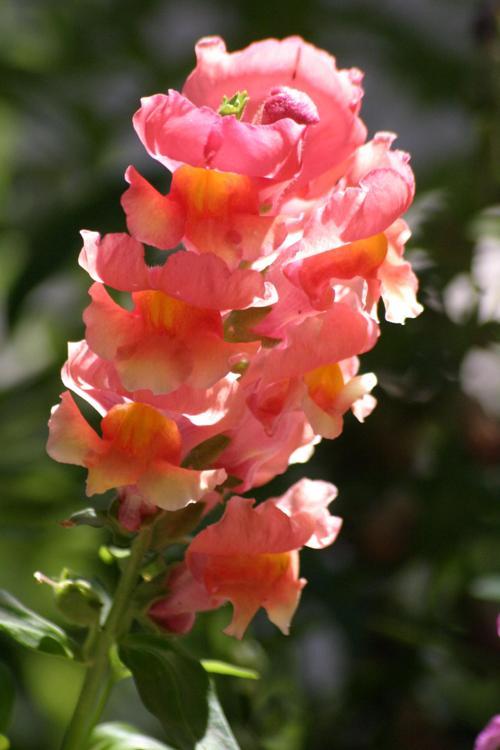
Antirrhinum
Antirrhinum
Charming cottage garden favorite with distinctive two-lipped flowers that open a...
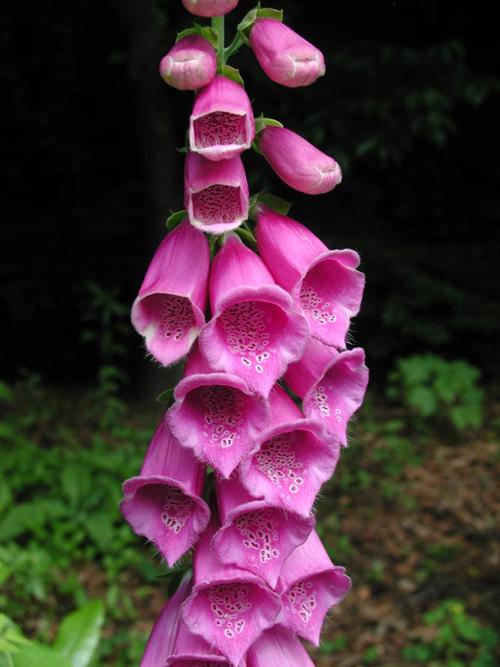
Foxglove
Digitalis purpurea
Majestic biennial featuring tall, elegant spikes of tubular, bell-shaped flowers...
Crossandra Firecracker
Crossandra infundibuliformis
Attractive evergreen shrub featuring distinctive fan-shaped flowers in vibrant s...
Similar Characteristics
4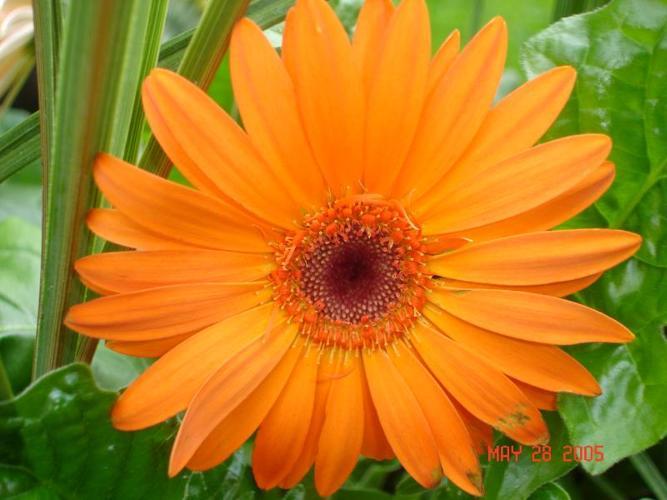
Barberton Daisy
Gerbera jamesonii
Cheerful composite flower featuring large, daisy-like blooms with vibrant ray pe...
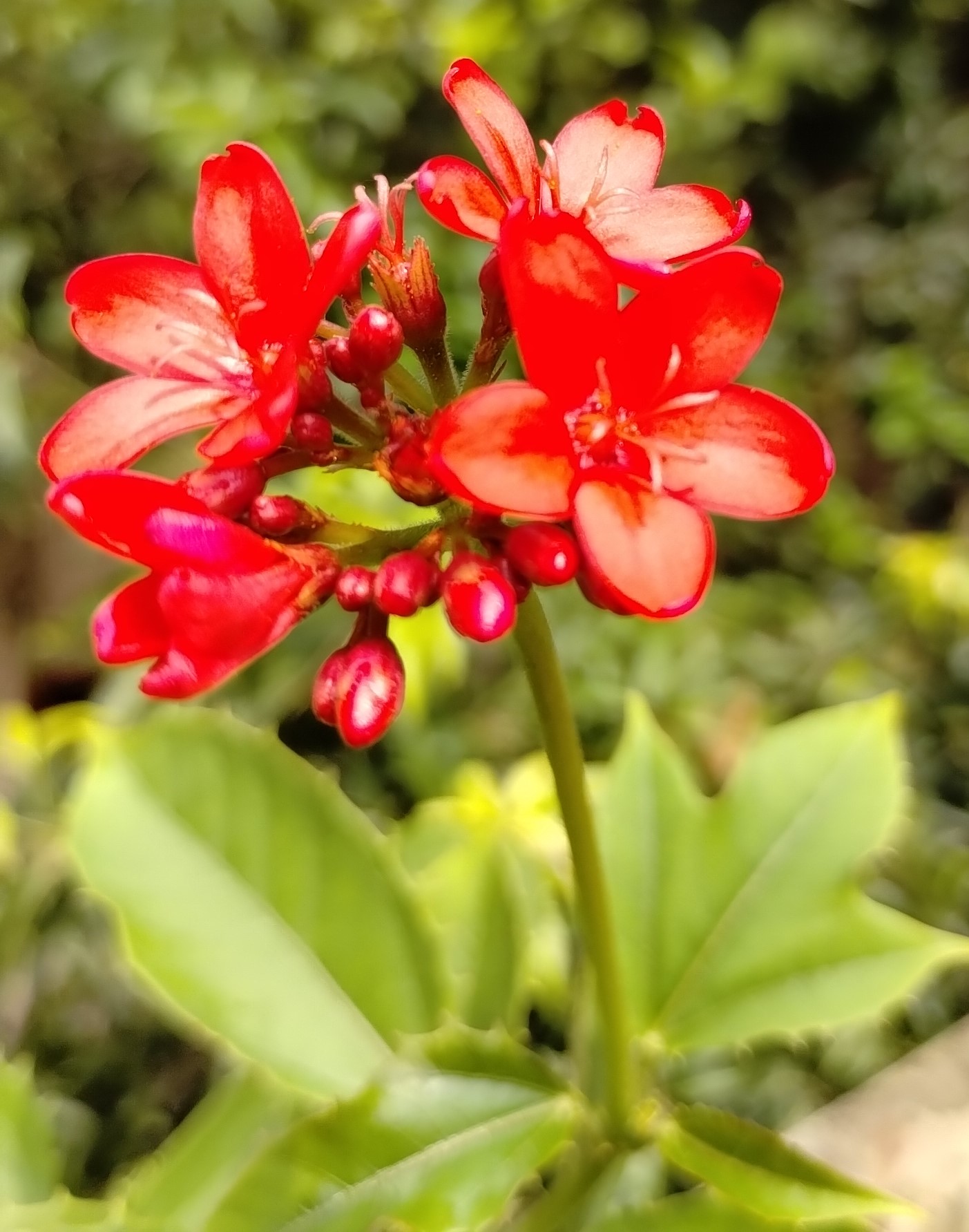
Jatropha
Jatropha Curcas
Versatile tropical shrub featuring clusters of small, star-shaped flowers in vib...
Windflower
Anemone
Graceful perennial named for delicate blooms that dance and sway in slightest br...
Oleander
Nerium oleander
Evergreen shrub with clusters of showy flowers in pink, white, red, yellow, or p...