
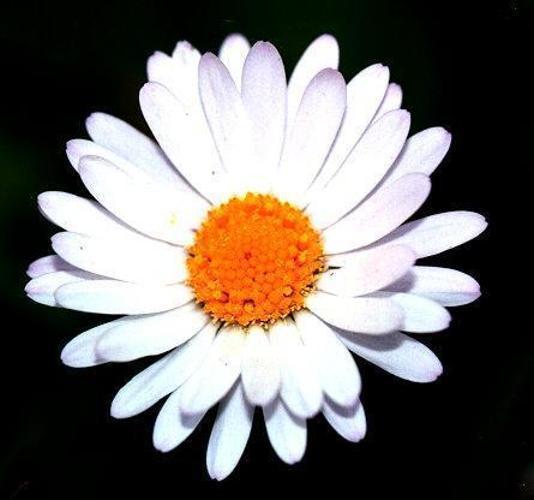
Oxeye Daisy
Leucanthemum vulgare
Basic Details
Floral Formula & Features
Ebracteate, radially symmetrical, bisexual, calyx modified to pappus or absent, 5 fused petals (ray florets white, disc florets yellow), 5 stamens fused into tube, 2 fused carpels with inferior ovary. Composite flower head
- Name 'Oxeye' from large, flat yellow disc resembling ox's eye. Traditional flower for 'loves me, loves me not' petal-plucking game. About 70 Leucanthemum species. Considered invasive weed in North America, Australia
- Flowers 1-2 inches (2.5-5 cm) across. 20-30 white ray petals around flat yellow disc. Solitary blooms on stems. Blooms late spring through summer (May-September). Each flower lasts 5-7 days
- Herbaceous perennial. Basal rosette of dark green, spoon-shaped leaves. Flowering stems erect, unbranched. Spreads by rhizomes and seeds. Self-sows readily. Can form dense colonies. Considered noxious weed in some areas
- Grows 6-32 inches (15-80 cm) tall. Spread 12-18 inches. Lifespan 2+ years as perennial. Propagated from seed or division. Germinates easily. Fast-spreading once established
- Native to Europe and temperate Asia. Now naturalized worldwide in temperate regions including North America, Australia, New Zealand, South Africa. Found in meadows, pastures, roadsides, disturbed areas
- Requires full sun (6-8 hours). Thrives in poor to average, well-drained soil. Drought tolerant once established. Low maintenance. Hardy zones 3-9. Can become invasive - check local regulations
- Attracts bees, butterflies, beneficial insects. Good cut flower. Young leaves edible in salads. Used in herbal medicine for wounds, skin conditions. Deer resistant
- Symbolizes innocence, purity, new beginnings. Popular in wildflower meadows and cottage gardens. Easy for beginners. WARNING: Invasive in many regions - can crowd out native plants. Banned in some areas
Names in Different Languages
What is Floral Formula?
A floral formula is a symbolic representation of a flower's structure using letters, numbers, and special symbols. It provides a concise way to describe the arrangement and number of floral parts.
This formula describes the flower's symmetry, sepals, petals, stamens, and carpels in a standardized format.
Formula Sequence
- Bract: Br or Ebr
- Bracteole: Brl or Ebrl
- Symmetry: % (Radial) or ⊕ (Bilateral)
- Sex: ♀ (Female), ♂ (Male), or ⚥ (Bisexual)
- Calyx/Sepal: K<number> (Free or Fused)
- Corolla/Petal: C<number> (Free or Fused)
- Androecium: A<number> (Free or Fused)
- Gynaecium: G<number> (Superior or Inferior Ovary)
Symbol Meanings
- Numbers: Indicate quantity of parts
- Parentheses (): Parts are fused together
- Plus (+): Parts in different whorls
- Underline: Superior ovary position
- Overline: Inferior ovary position
- ∞: Numerous parts (too many to count)
Understanding floral formulas helps botanists quickly identify and classify flowers based on their structural characteristics.
Similar Flowers
Discover flowers that share botanical characteristics
Same Family
4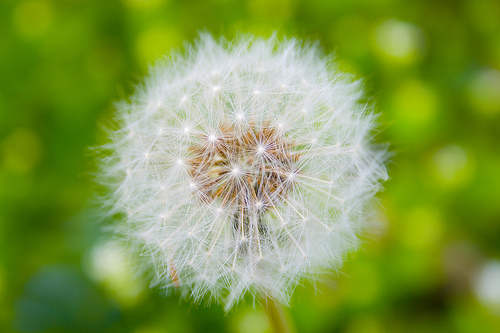
Dandelion
Taraxacum officinale
Ubiquitous perennial featuring bright golden-yellow composite flowers that trans...
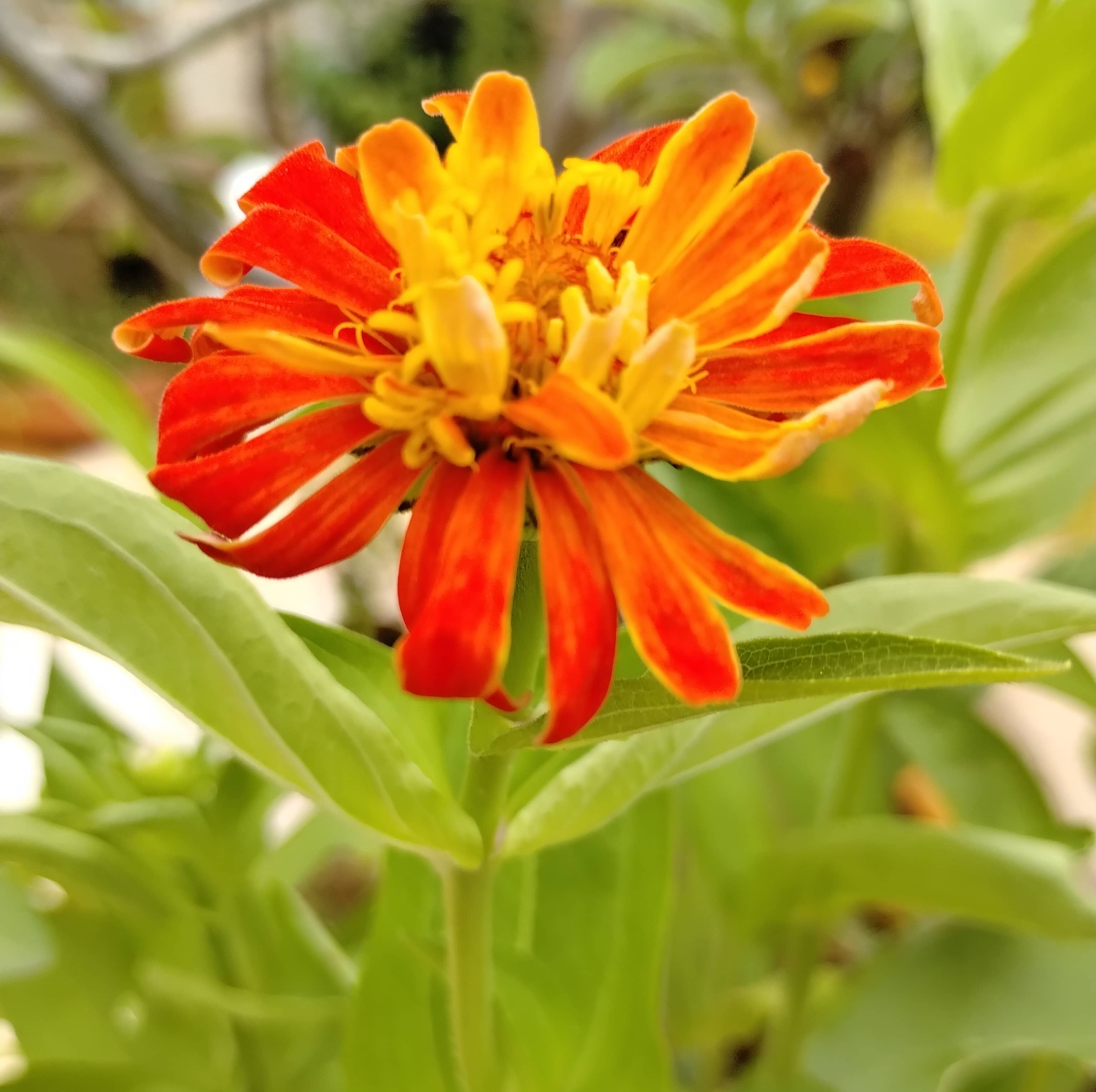
Zinnia
Zinnia
They belong to the same family as Daisy. Zinnia have a stunning range of shapes ...
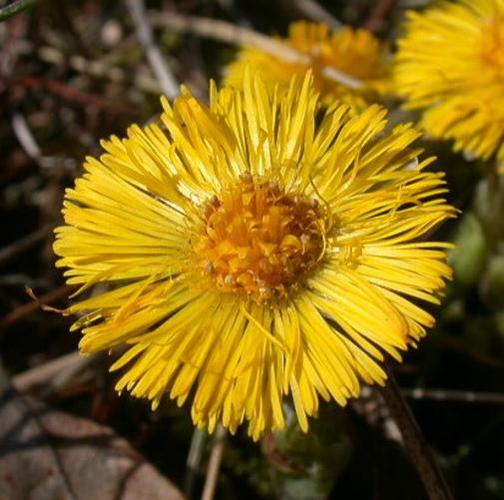
Coltsfoot
Tussilago farfara
Early spring wildflower featuring bright yellow, dandelion-like blooms that appe...
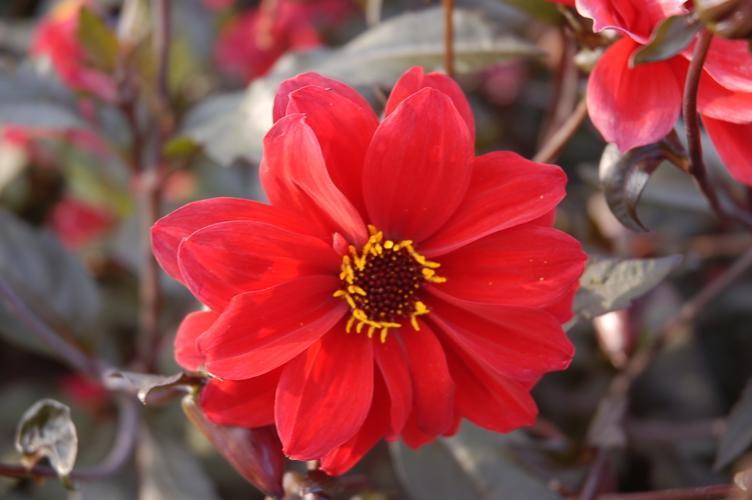
Dahlia
Dahlia
Spectacular tuberous perennial renowned for extraordinarily diverse flower forms...
Similar Characteristics
4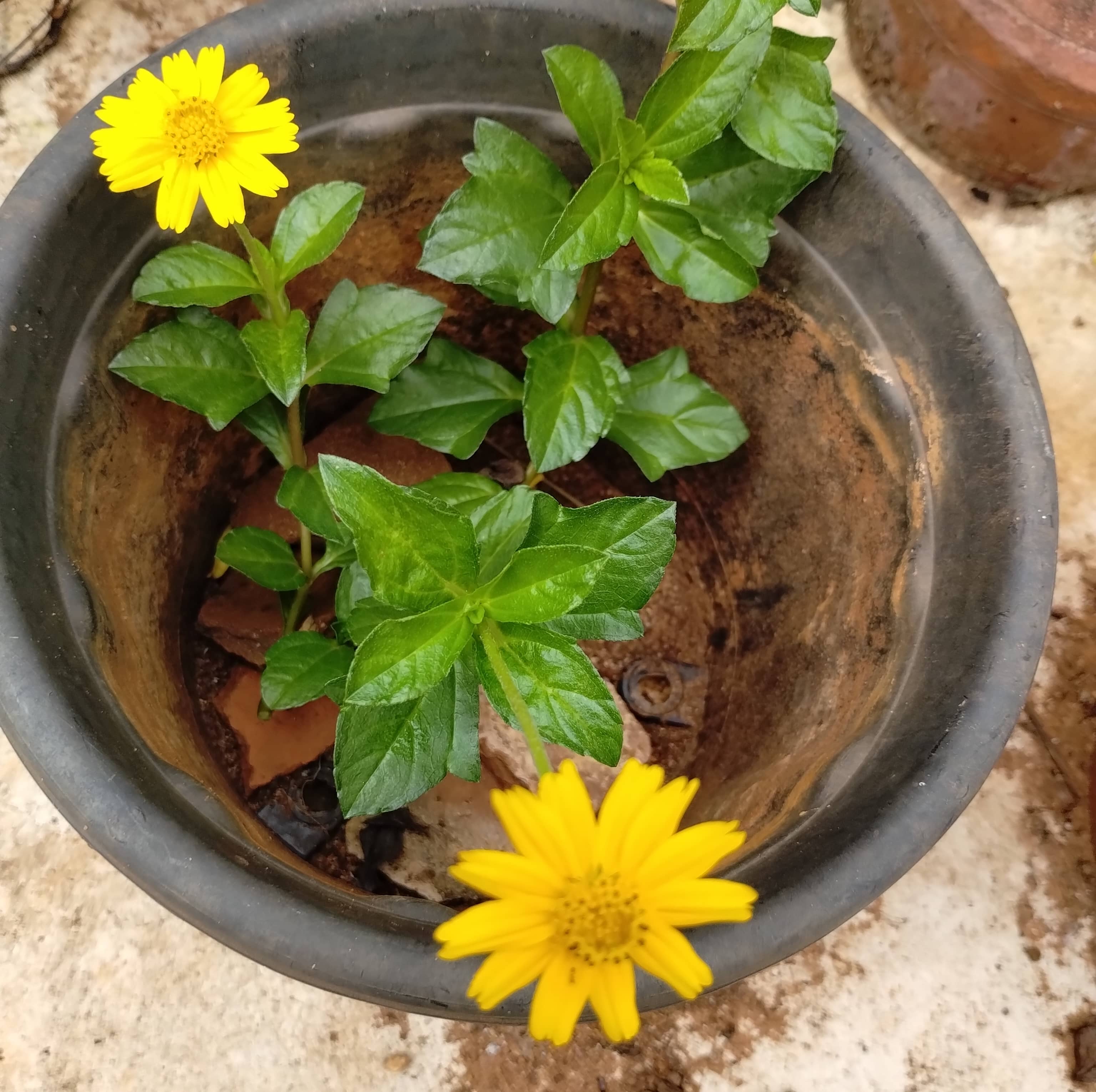
Wedelia Trilobata
Sphagneticola trilobata
Highly invasive mat-forming perennial groundcover with bright yellow daisy-like ...
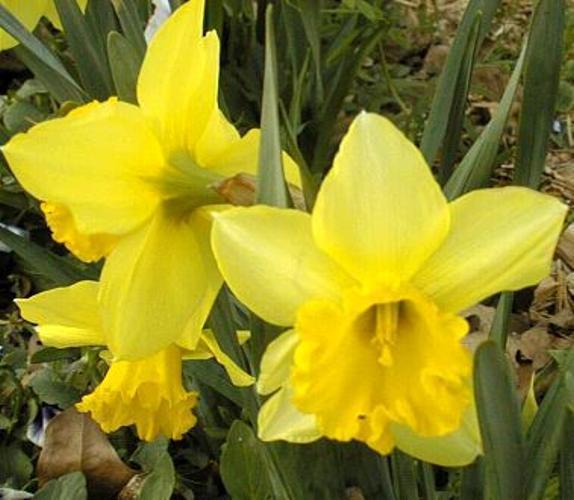
Daffodil
Narcissus pseudonarcissus
Beloved spring bulb featuring cheerful blooms with six petal-like tepals surroun...
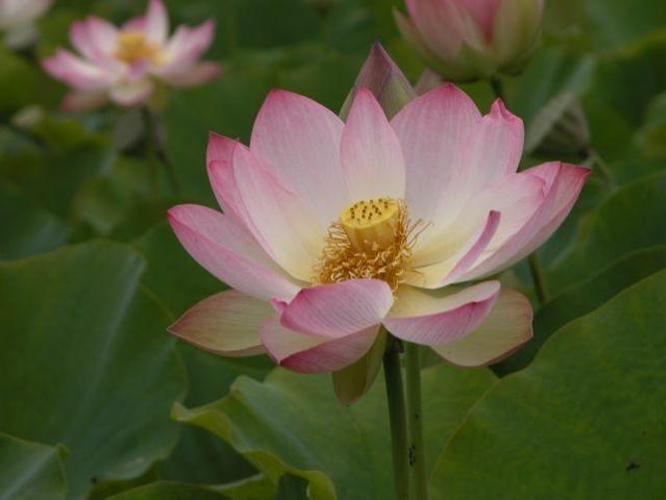
Lotus
Nelumbo nucifera
Sacred aquatic plant producing spectacular fragrant flowers that rise above the ...
Dandelion
Taraxacum officinale
Ubiquitous perennial featuring bright golden-yellow composite flowers that trans...