
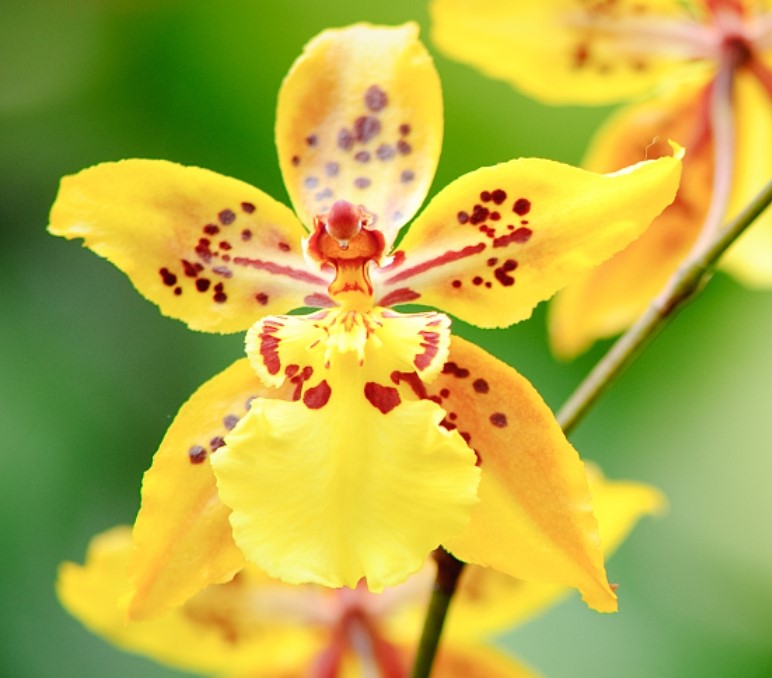
Tolumnia Orchid
Tolumnia
Basic Details
Floral Formula & Features
Bilaterally symmetrical, bisexual, 6 tepals in 2 whorls of 3 (3 sepals + 3 petals with one modified into lip), 1 stamen fused with style forming column, 3 fused carpels with inferior ovary typical of Orchidaceae
- Name 'Tolumnia' honors French botanist Louis-Marie Aubert du Petit-Thouars. Formerly classified as Oncidium section Equitantia, now recognized as separate genus. Common name 'Dancing Lady' refers to flower shape resembling a woman in a full skirt
- Flowers feature three sepals and three petals with a large, often frilly lip that dominates the bloom. Individual flowers measure 0.5-2 inches across, appearing in sprays of 5-20 blooms. Colors are vibrant with intricate spotting, barring, or splashing in contrasting hues
- Epiphytic perennial with equitant (fan-shaped, overlapping) leaves that lack pseudobulbs for water storage. Blooms primarily spring through summer but can flower multiple times yearly. Each inflorescence blooms sequentially, extending flowering period
- Compact plants grow 3-6 inches (7-15 cm) tall with flower spikes reaching 6-12 inches. Individual fans spread 2-4 inches wide. Lifespan of 5-10 years with proper care. Propagated by division of fans or from seed (keiki production rare)
- Native to Caribbean islands including Jamaica, Cuba, Hispaniola, Puerto Rico, and the Bahamas. Found growing on trees and rocks in warm, humid coastal forests and dry scrublands from sea level to 1,000 meters elevation
- Requires bright light with some direct sun (morning or filtered). Prefers warm temperatures (65-85°F/18-29°C) and high humidity (50-70%). Best grown mounted on bark or tree fern with daily misting, as they have no water-storage organs
- Ideal for small spaces, windowsills, and terrariums due to compact size. Flowers last 3-4 weeks on plant. Popular among apartment dwellers and orchid beginners for manageable size and relatively easy care despite lack of pseudobulbs
Names in Different Languages
What is Floral Formula?
A floral formula is a symbolic representation of a flower's structure using letters, numbers, and special symbols. It provides a concise way to describe the arrangement and number of floral parts.
This formula describes the flower's symmetry, sepals, petals, stamens, and carpels in a standardized format.
Formula Sequence
- Bract: Br or Ebr
- Bracteole: Brl or Ebrl
- Symmetry: % (Radial) or ⊕ (Bilateral)
- Sex: ♀ (Female), ♂ (Male), or ⚥ (Bisexual)
- Calyx/Sepal: K<number> (Free or Fused)
- Corolla/Petal: C<number> (Free or Fused)
- Androecium: A<number> (Free or Fused)
- Gynaecium: G<number> (Superior or Inferior Ovary)
Symbol Meanings
- Numbers: Indicate quantity of parts
- Parentheses (): Parts are fused together
- Plus (+): Parts in different whorls
- Underline: Superior ovary position
- Overline: Inferior ovary position
- ∞: Numerous parts (too many to count)
Understanding floral formulas helps botanists quickly identify and classify flowers based on their structural characteristics.
Similar Flowers
Discover flowers that share botanical characteristics
Same Family
4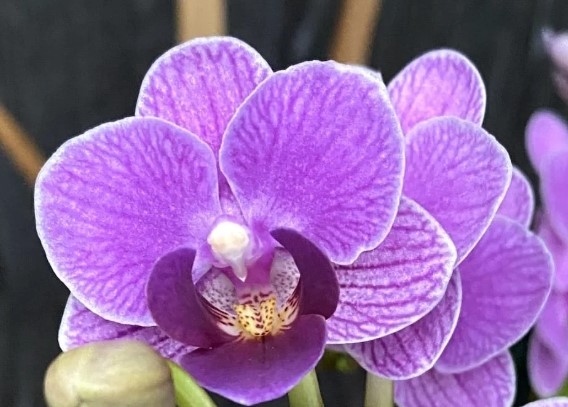
Phalaenopsis Orchid
Phalaenopsis
Popular and easy-to-grow orchid with elegant, moth-like flowers on gracefully ar...
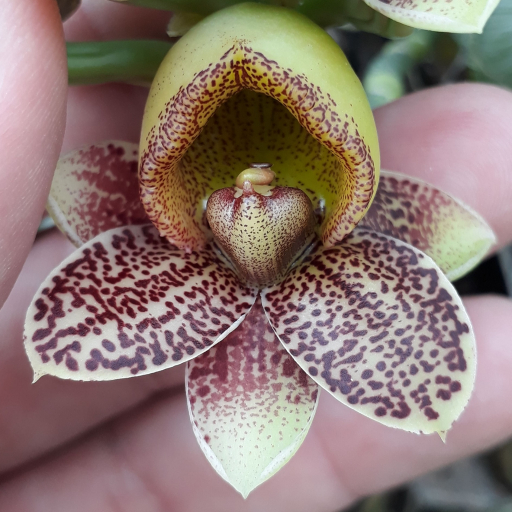
Catasetum Orchid
Catasetum
Remarkable orchid genus famous for extreme sexual dimorphism, producing dramatic...
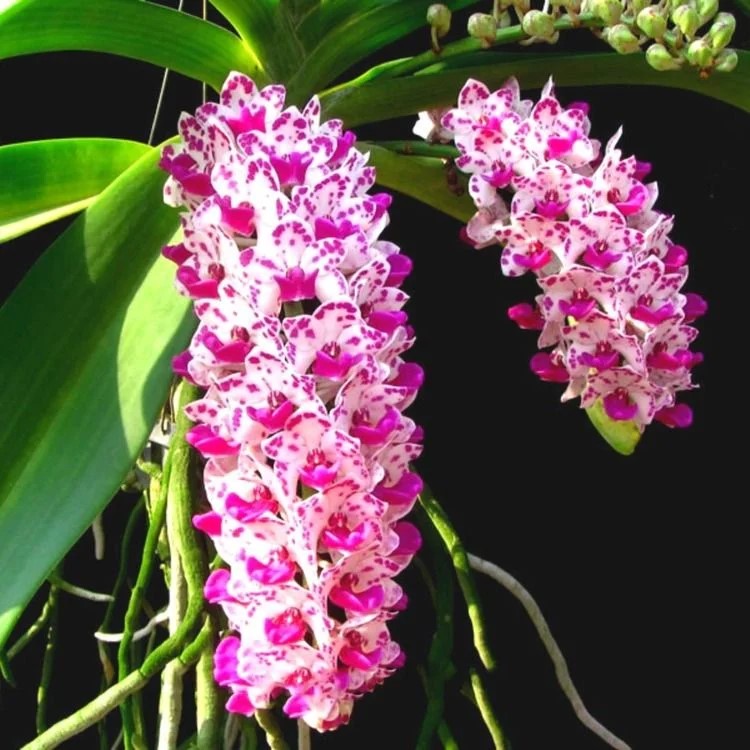
Fox Tail Orchid
Rhynchostylis
Striking epiphytic orchid with dense, cylindrical flower spikes resembling a fox...
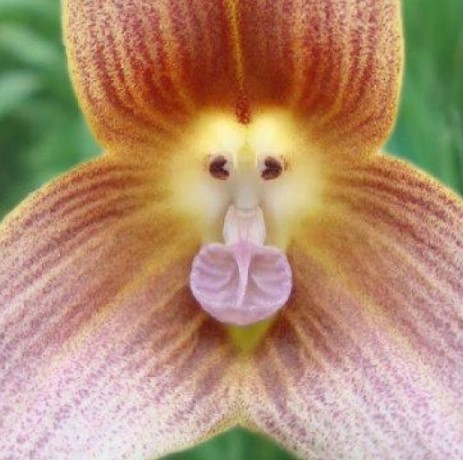
Monkey Orchid
Dracula simia
Extraordinary orchid featuring flowers with an uncanny resemblance to a monkey's...
Similar Characteristics
4Fox Tail Orchid
Rhynchostylis
Striking epiphytic orchid with dense, cylindrical flower spikes resembling a fox...
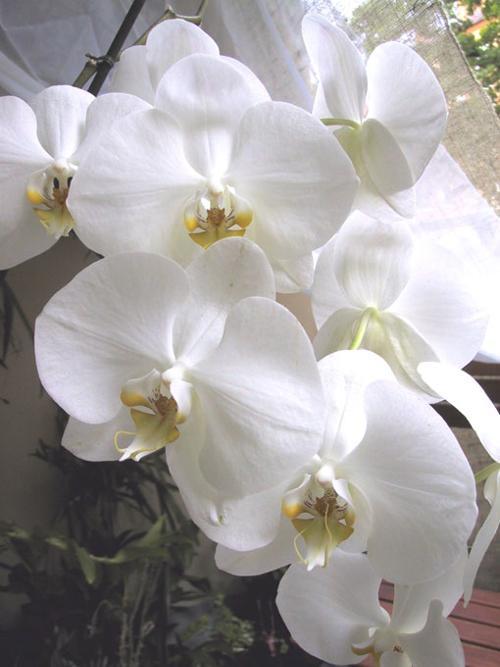
Moon Orchid
Phalaenopsis amabilis
Elegant epiphytic orchid with graceful arching sprays of pristine white moth-lik...
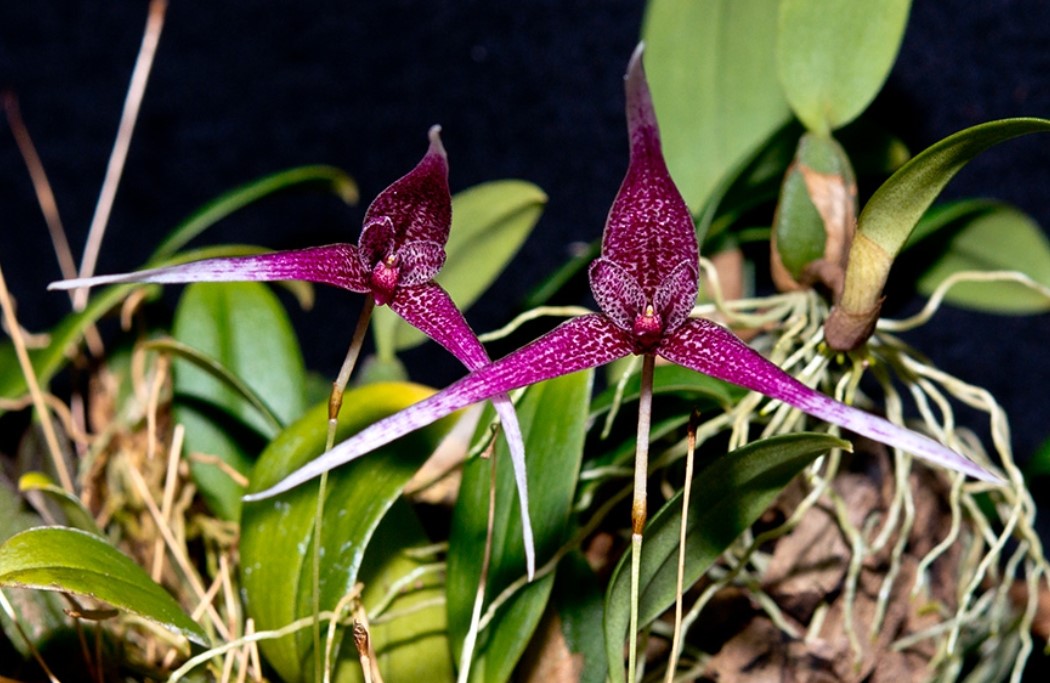
Bulbophyllum Orchid
Bulbophyllum
Fascinating and highly diverse orchid genus featuring some of the most bizarre a...
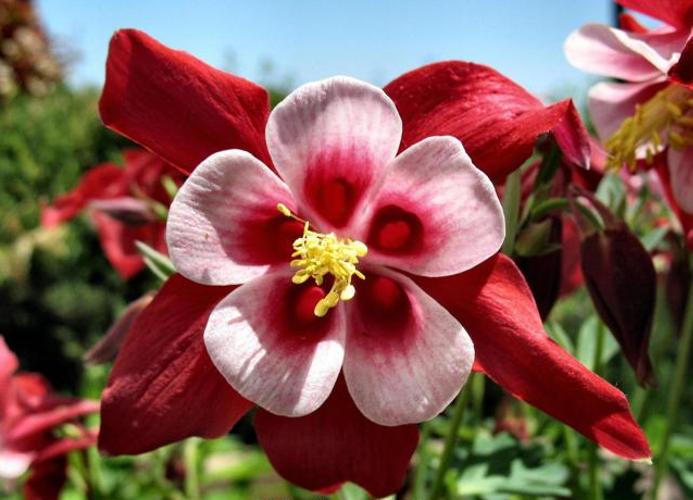
Cattleya orchids
Cattleya
Spectacular epiphytic orchids renowned as 'Queen of Orchids' for their large, sh...