
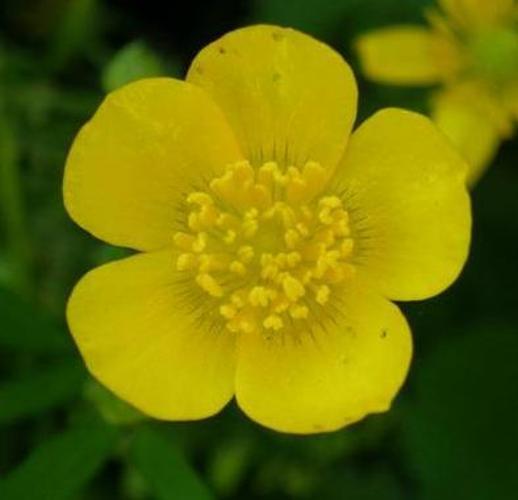
Meadow Buttercup
Ranunculus acris
Basic Details
Floral Formula & Features
Ebracteate, radially symmetrical (actinomorphic), bisexual, 5 free sepals (often reflexed), 5 free glossy petals with nectary at base, numerous free stamens arranged spirally, numerous free carpels (apocarpous) forming head of achenes, superior ovaries. Typical Ranunculaceae structure
- Name 'Buttercup' from bright yellow cup-shaped petals. 'Acris' means sharp or acrid, referring to caustic sap. Folklore says holding flower under chin shows yellow reflection if you like butter. About 600 Ranunculus species worldwide. Contains ranunculin that converts to toxic protoanemonin when plant is damaged
- Flowers 0.75-1 inch (2-2.5 cm) across with 5 glossy, shiny yellow petals that reflect light. Petals have waxy coating creating mirror-like shine. Yellow center with numerous stamens. Blooms late spring through summer (May-September). Each flower lasts 5-7 days. Grows in clusters on branching stems
- Herbaceous perennial with erect, hairy stems. Basal leaves deeply divided into 3-7 lobes with toothed edges. Dark green, glossy foliage. Fibrous root system. Dies back in winter, regrows from roots in spring. Spreads by seeds and creeping roots. Can form dense colonies in favorable conditions
- Grows 1-3 feet (30-90 cm) tall with 1-2 foot spread. Lifespan of 5+ years as perennial. Propagated from seed or root division. Seeds germinate in 14-21 days. Self-sows readily. Fast-growing once established. Can become weedy in lawns and pastures
- Native to Europe, western Asia, and North Africa. Now naturalized throughout North America, Australia, New Zealand, and temperate regions worldwide. Found in meadows, pastures, roadsides, ditches, wet grasslands. Thrives in moist, fertile soils. Common from lowlands to mountains
- Requires full sun to partial shade (6+ hours sun preferred). Prefers moist, well-drained soil rich in organic matter. Tolerates wet conditions better than drought. Hardy zones 3-7. Considered invasive weed in some regions. Difficult to eradicate once established due to persistent roots
- TOXIC to humans and livestock - causes mouth blistering, stomach pain, diarrhea if ingested. Toxic to horses, cattle, sheep, goats. Acrid taste usually prevents animals from eating fresh plants. Toxicity decreases when dried in hay. Sap causes skin irritation and blisters on contact. No medicinal or culinary uses due to toxicity
- Important early nectar source for bees, flies, and beetles. Attracts pollinators in spring. Avoided by grazing animals due to toxicity. Common in children's folklore and games. Symbolizes childishness and ingratitude in Victorian flower language. Indicator of moist, fertile meadows. Considered noxious weed in pastures
Names in Different Languages
What is Floral Formula?
A floral formula is a symbolic representation of a flower's structure using letters, numbers, and special symbols. It provides a concise way to describe the arrangement and number of floral parts.
This formula describes the flower's symmetry, sepals, petals, stamens, and carpels in a standardized format.
Formula Sequence
- Bract: Br or Ebr
- Bracteole: Brl or Ebrl
- Symmetry: % (Radial) or ⊕ (Bilateral)
- Sex: ♀ (Female), ♂ (Male), or ⚥ (Bisexual)
- Calyx/Sepal: K<number> (Free or Fused)
- Corolla/Petal: C<number> (Free or Fused)
- Androecium: A<number> (Free or Fused)
- Gynaecium: G<number> (Superior or Inferior Ovary)
Symbol Meanings
- Numbers: Indicate quantity of parts
- Parentheses (): Parts are fused together
- Plus (+): Parts in different whorls
- Underline: Superior ovary position
- Overline: Inferior ovary position
- ∞: Numerous parts (too many to count)
Understanding floral formulas helps botanists quickly identify and classify flowers based on their structural characteristics.
Similar Flowers
Discover flowers that share botanical characteristics
Same Family
4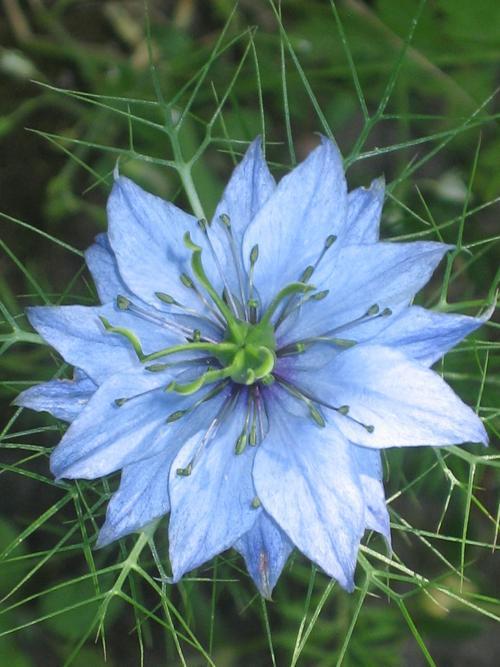
Love in a mist
Nigella damascena
Charming cottage garden annual featuring delicate jewel-like flowers in shades o...
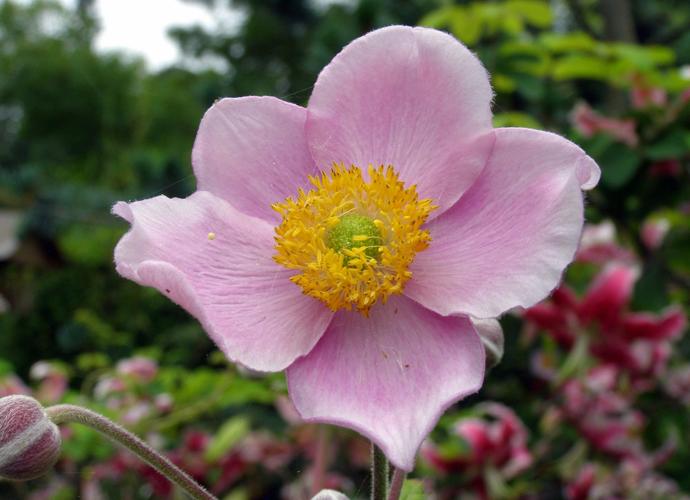
Japanese anemone
Anemone hupehensis, Anemone hybrida
Elegant late-season perennial featuring graceful, saucer-shaped flowers on tall,...
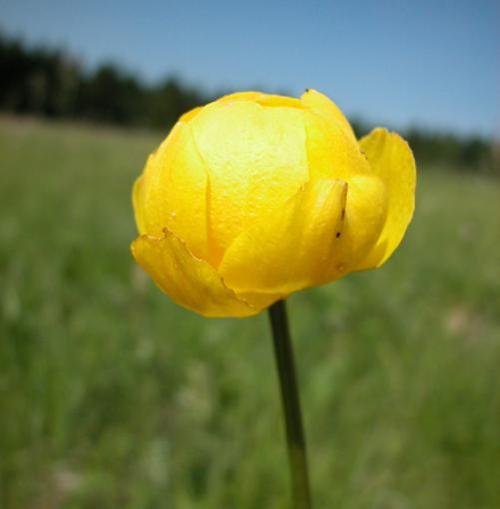
Globe flower
Trollius
Charming perennial featuring perfectly spherical, globe-shaped flowers resemblin...
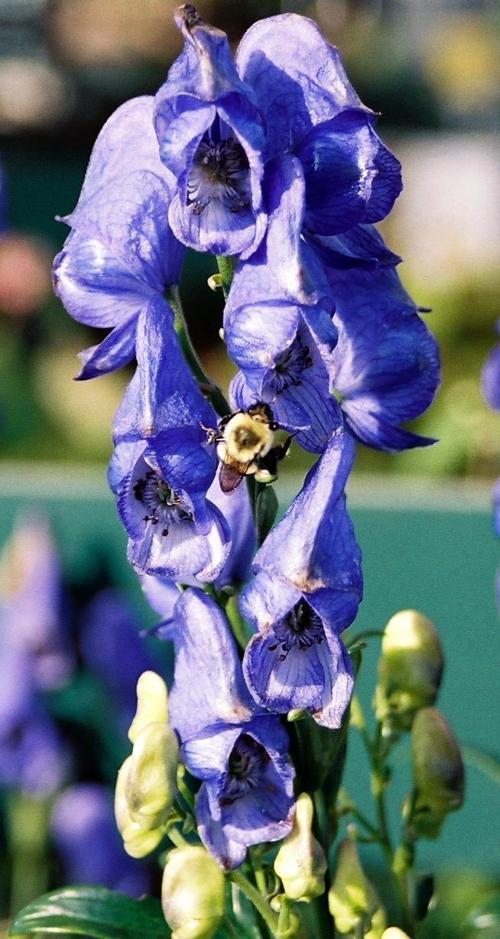
Monkshood
Aconitum napellus
Strikingly beautiful but DEADLY POISONOUS perennial with distinctive helmet or h...
Similar Characteristics
4Monkshood
Aconitum napellus
Strikingly beautiful but DEADLY POISONOUS perennial with distinctive helmet or h...
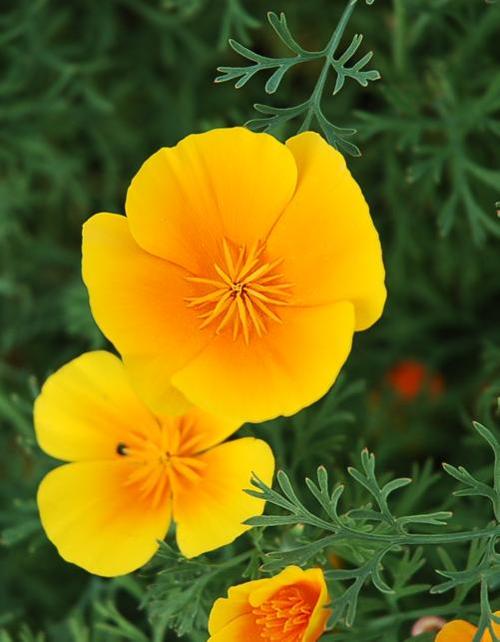
California poppy
Eschscholzia californica
Cheerful native wildflower featuring silky, satin-textured blooms in brilliant s...
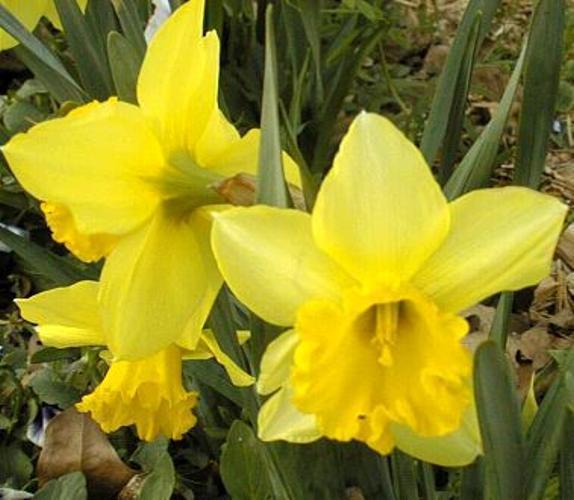
Daffodil
Narcissus pseudonarcissus
Beloved spring bulb featuring cheerful blooms with six petal-like tepals surroun...
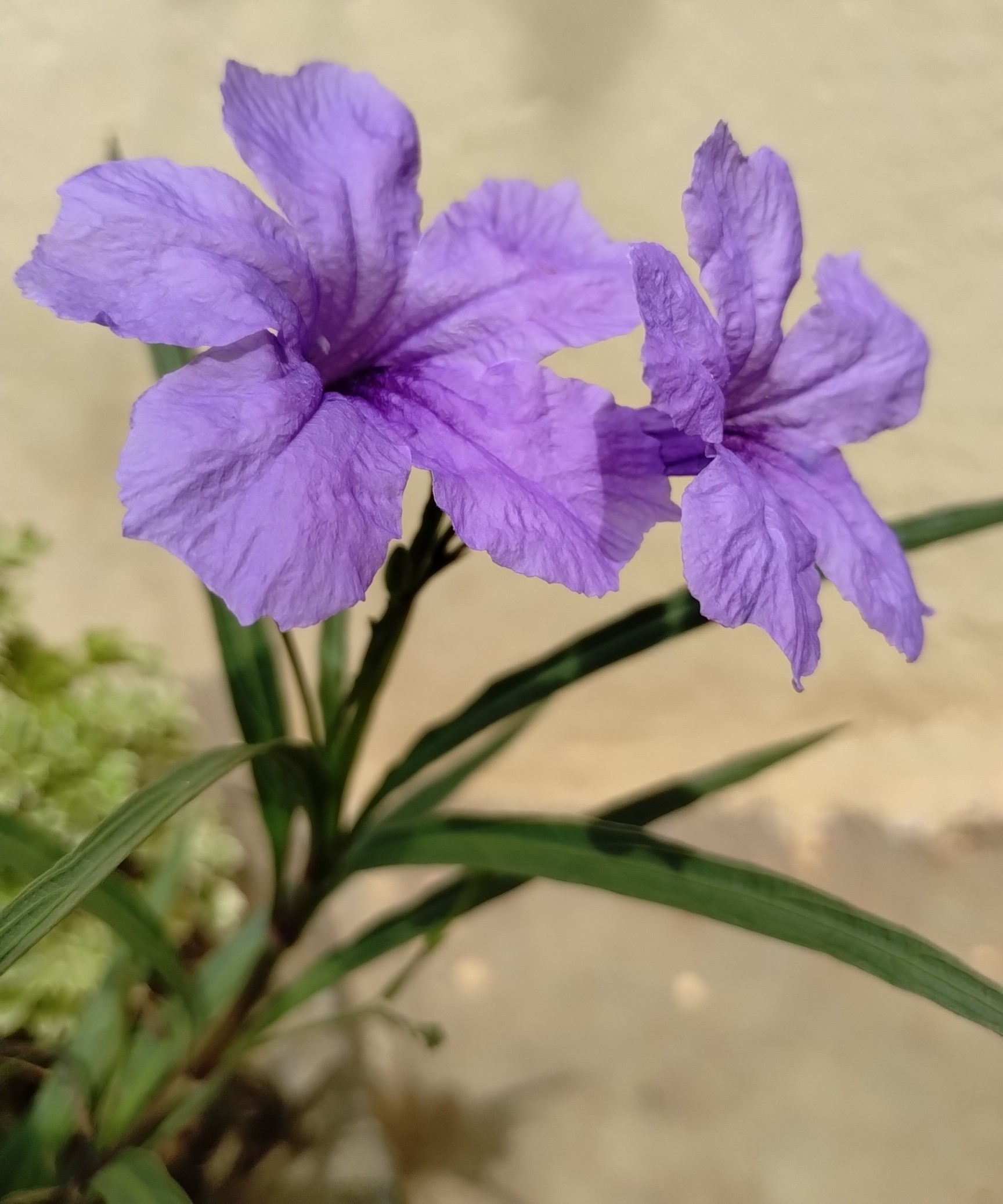
Mexican Petunia
Ruellia simplex
Vigorous perennial producing trumpet-shaped flowers resembling petunias in shade...