
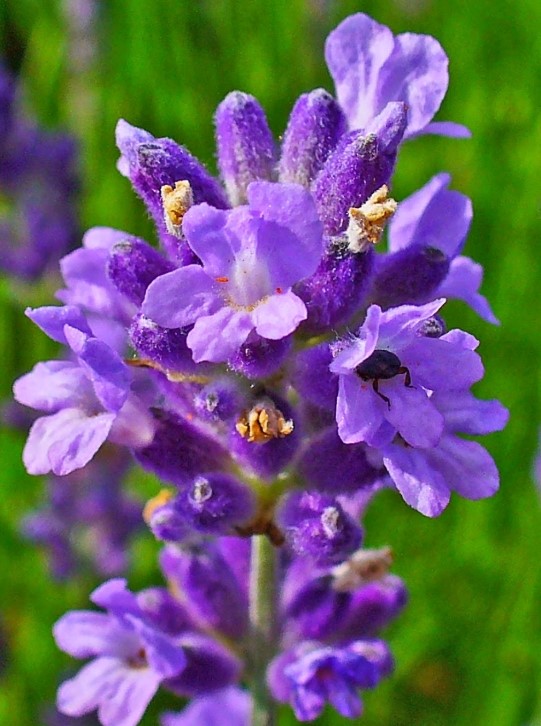
Lavender
Lavandula angustifolia
Basic Details
Floral Formula & Features
Bilaterally symmetrical (slightly zygomorphic), bisexual, 5 fused sepals forming tubular calyx, 5 fused petals forming two-lipped corolla (upper lip 2-lobed, lower lip 3-lobed), 4 stamens (didynamous - 2 long, 2 short), 2 fused carpels with superior ovary, characteristic of Lamiaceae
- Name 'Lavender' from Latin 'lavare' (to wash), as Romans added lavender to bathwater for its fragrance and antiseptic properties. 'Lavandula' also from this root. About 47 species, with L. angustifolia (English lavender) most widely cultivated. Ancient herb used for over 2,500 years
- Small tubular flowers 0.25-0.5 inches (6-12 mm) long arranged in whorls along slender spikes 2-8 inches tall. Flowers typically purple-blue, also violet, pink, white depending on variety. Blooms summer (June-August). Flowers and foliage highly aromatic, releasing fragrance when touched or brushed
- Evergreen woody perennial forming compact, mounded shrubs. Square stems characteristic of mint family. Silver-gray to gray-green narrow leaves retain color year-round. Blooms on current season's growth. Requires periodic pruning to maintain shape and vigor
- Grows 1-3 feet (30-90 cm) tall with 2-4 foot (60-120 cm) spread depending on variety. Dwarf types 12-18 inches. Lifespan of 10-20 years with proper care and pruning. Propagated from semi-hardwood cuttings (root in 3-4 weeks) or seed (slow, variable)
- Native to Mediterranean region, particularly southern France (Provence), Spain, Italy, and North Africa. L. angustifolia from mountainous areas. Now cultivated worldwide in temperate zones with Mediterranean-type climates. Major commercial production in France, Bulgaria, England, and United States
- Requires full sun (6-8 hours daily) for best flowering and oil production. Thrives in poor to moderately fertile, well-drained, alkaline to neutral soil (pH 6.5-7.5). Extremely drought tolerant once established. Dislikes humidity, wet soil, and rich soil. Hardy zones 5-9 depending on species
- Essential oil extracted from flowers used in perfumes, cosmetics, soaps, aromatherapy, and medicine. Oil has calming, antiseptic, and anti-inflammatory properties. Used for anxiety, insomnia, headaches, and minor burns. Flowers used in cooking (herbes de Provence), teas, and baking. Dried flowers for sachets and potpourri
- Excellent for attracting bees, butterflies, and beneficial insects. Deer and rabbit resistant. Natural insect repellent (moths, mosquitoes). Ideal for xeriscaping, Mediterranean gardens, and low-water landscapes. Symbolizes devotion, purity, and serenity. One of most economically important aromatic plants globally
Names in Different Languages
What is Floral Formula?
A floral formula is a symbolic representation of a flower's structure using letters, numbers, and special symbols. It provides a concise way to describe the arrangement and number of floral parts.
This formula describes the flower's symmetry, sepals, petals, stamens, and carpels in a standardized format.
Formula Sequence
- Bract: Br or Ebr
- Bracteole: Brl or Ebrl
- Symmetry: % (Radial) or ⊕ (Bilateral)
- Sex: ♀ (Female), ♂ (Male), or ⚥ (Bisexual)
- Calyx/Sepal: K<number> (Free or Fused)
- Corolla/Petal: C<number> (Free or Fused)
- Androecium: A<number> (Free or Fused)
- Gynaecium: G<number> (Superior or Inferior Ovary)
Symbol Meanings
- Numbers: Indicate quantity of parts
- Parentheses (): Parts are fused together
- Plus (+): Parts in different whorls
- Underline: Superior ovary position
- Overline: Inferior ovary position
- ∞: Numerous parts (too many to count)
Understanding floral formulas helps botanists quickly identify and classify flowers based on their structural characteristics.
Similar Flowers
Discover flowers that share botanical characteristics
Same Family
4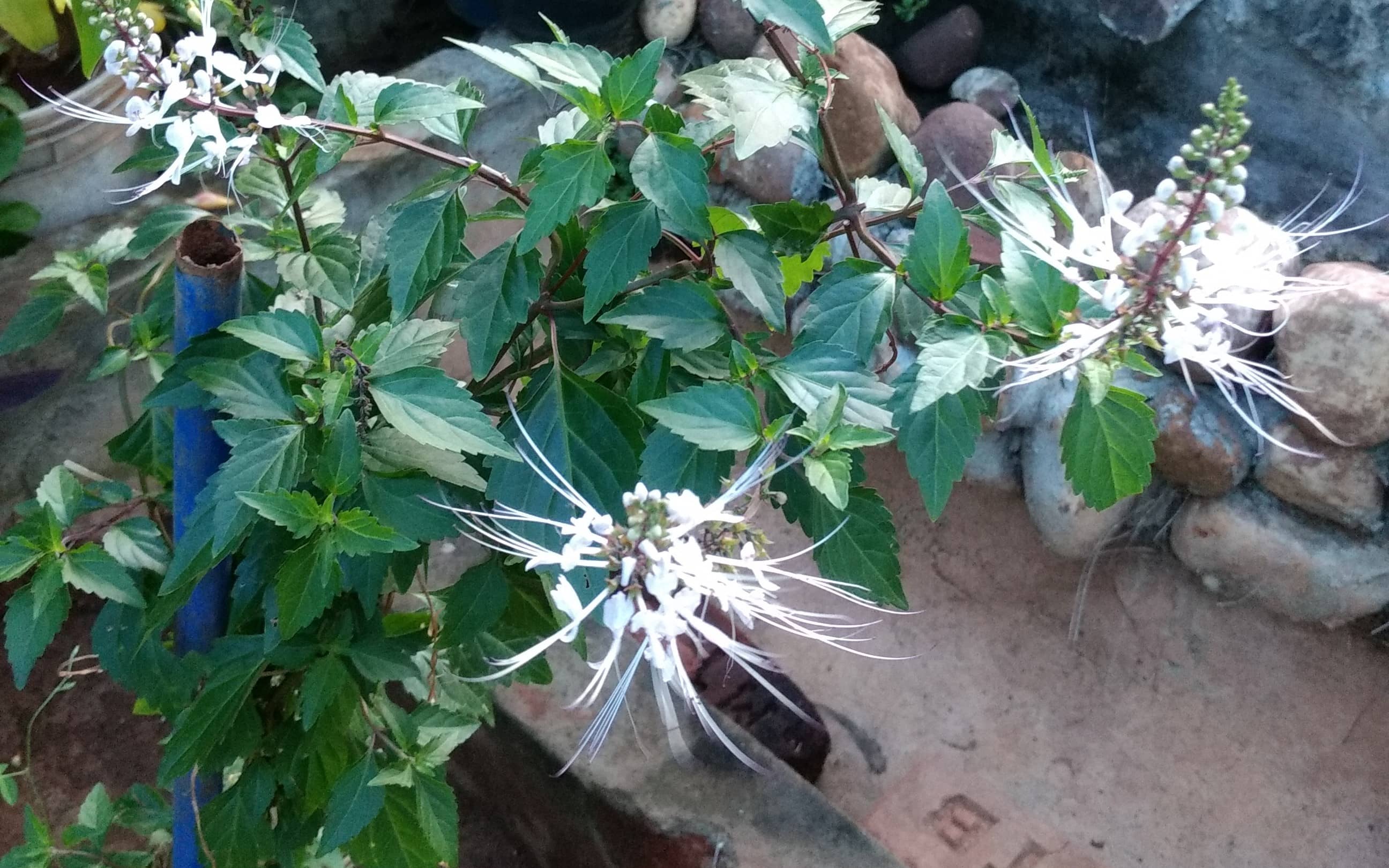
Cat's whiskers
Orthosiphon aristatus
Distinctive medicinal herb featuring delicate white or pale purple flowers with ...
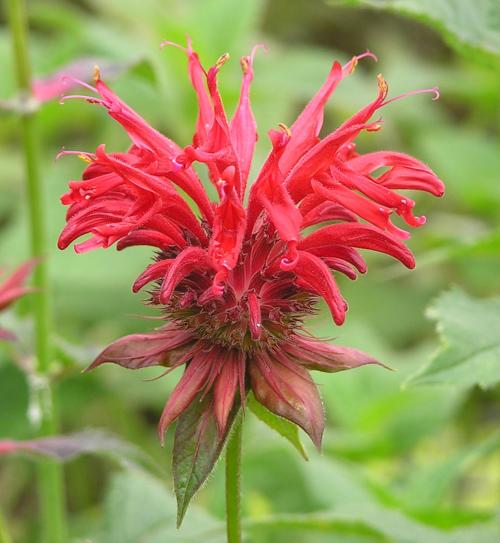
Beebalm
Monarda didyma, Mentha longifolia
Showy perennial herb featuring dense, pom-pom-like clusters of tubular flowers i...
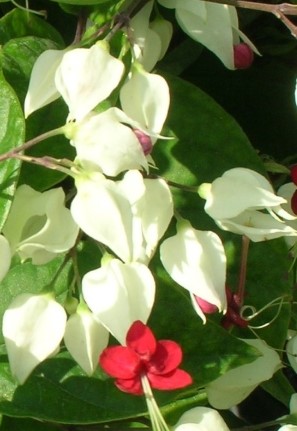
Bleeding Heart Vine
Clerodendrum thomsoniae
The plant is a creeper/climber and produces numerous clusters of flowers that a...
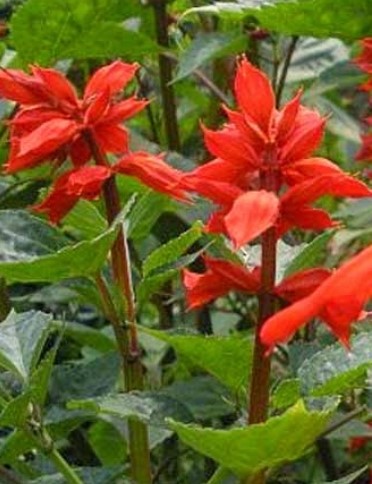
Salvia
Salvia
Diverse and valuable genus featuring tubular flowers in vibrant shades of blue, ...
Similar Characteristics
4Cat's whiskers
Orthosiphon aristatus
Distinctive medicinal herb featuring delicate white or pale purple flowers with ...
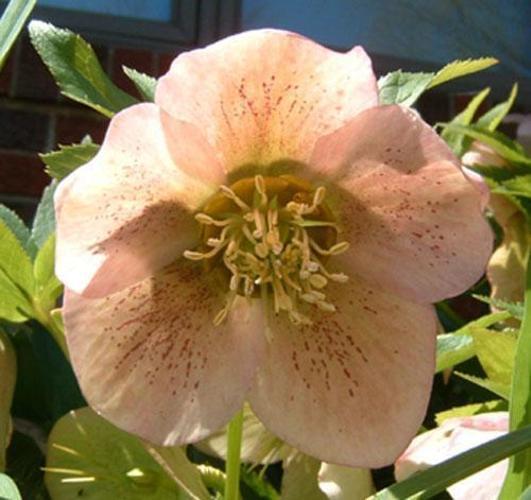
Lenten rose
Helleborus orientalis
Elegant shade-loving perennial featuring nodding, cup or saucer-shaped flowers i...
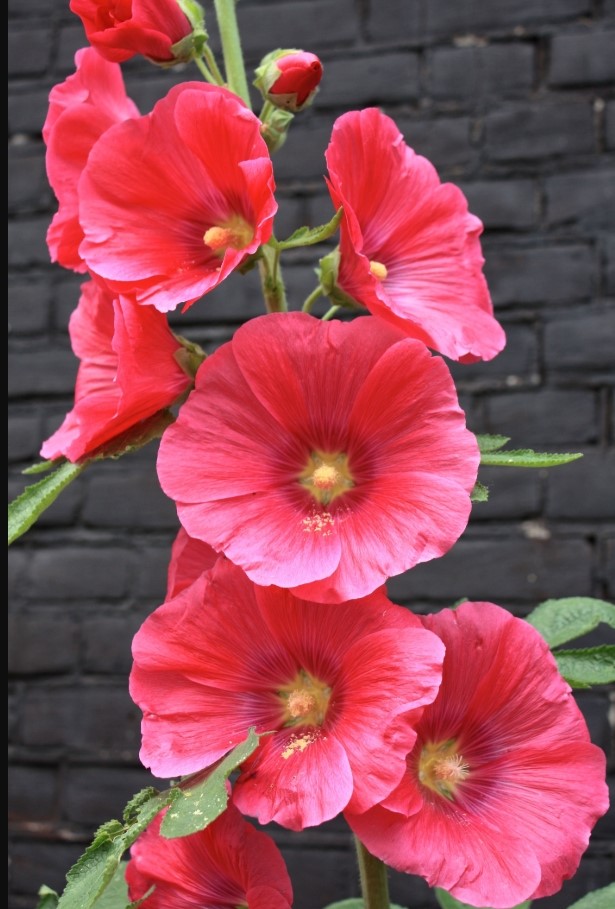
Hollyhock
Alcea rosea
Majestic cottage garden classic featuring towering flower spikes 5-8 feet tall a...
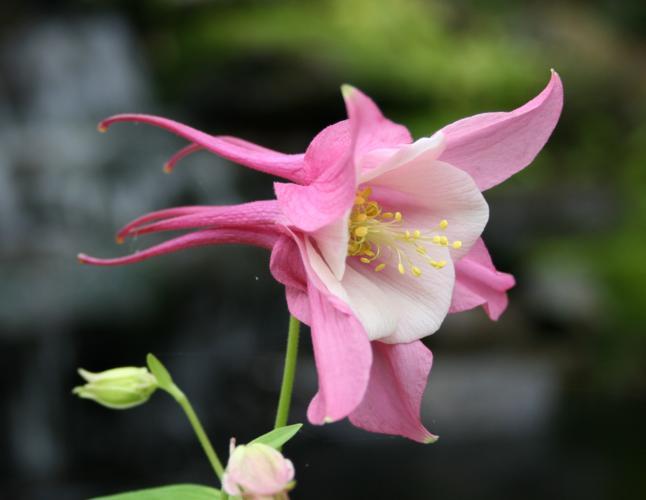
Columbine
Aquilegia
Graceful woodland perennial featuring unique nodding flowers with five petal-lik...