
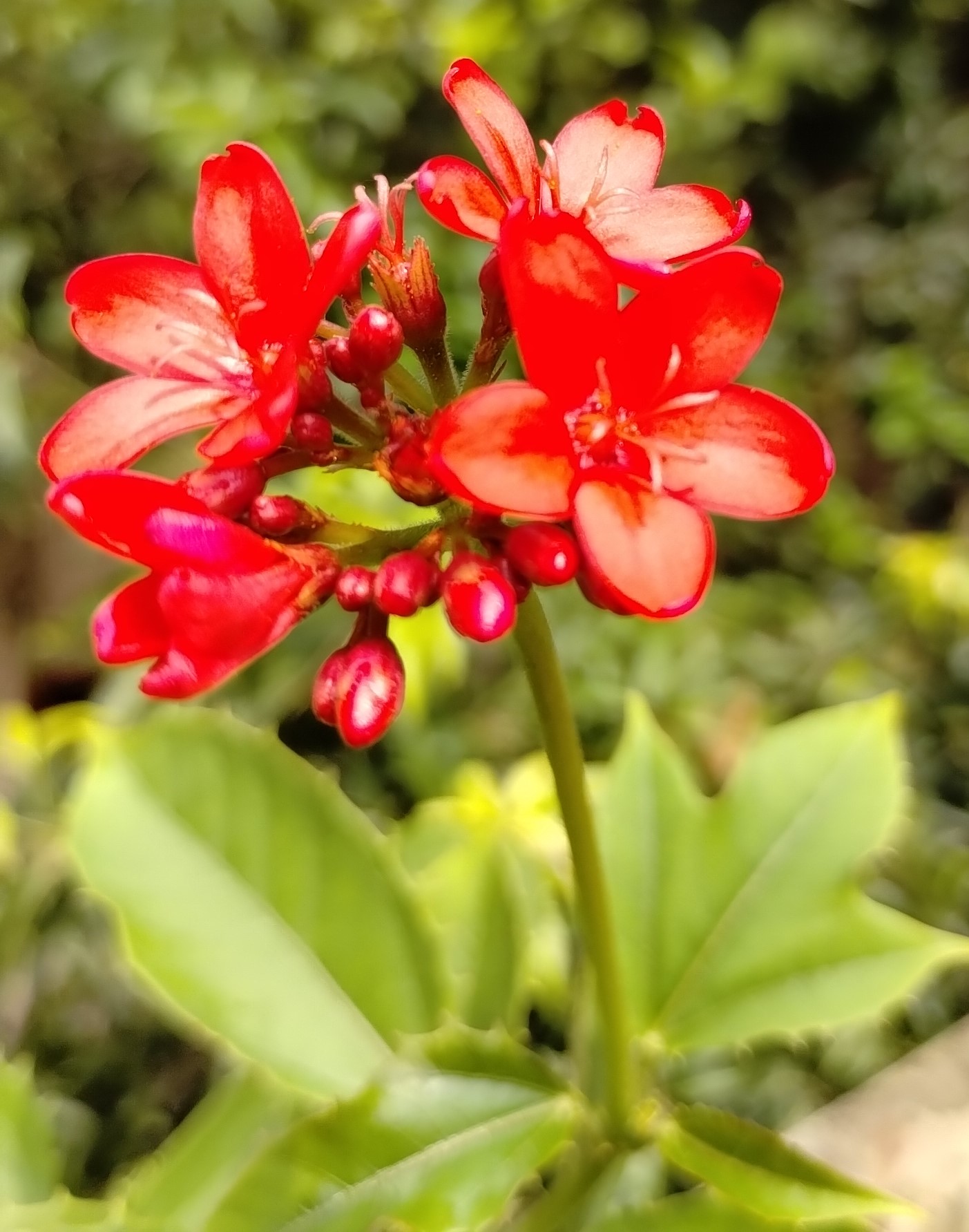
Jatropha
Jatropha Curcas
Basic Details
Floral Formula & Features
Monoecious (separate male and female flowers on same plant). Ebracteate, radially symmetrical. Male flowers - 5 free sepals, 5 free petals, 10 stamens fused in 2 whorls. Female flowers - 5 free sepals, 5 free petals, no stamens, 3 fused carpels with superior ovary
- Name 'Jatropha' from Greek 'iatros' (physician) and 'trophe' (food/nutrition), referencing medicinal uses despite toxicity. J. integerrima called 'Peregrina' (wanderer) or 'Spicy Jatropha.' J. curcas called 'Purging Nut' for purgative properties. About 170 Jatropha species. J. curcas important biofuel crop
- Flowers 0.5-1 inch (1-2.5 cm) across, small star-shaped blooms with 5 petals. J. integerrima has vibrant red, coral, or pink flowers; J. curcas has greenish-yellow flowers. Arranged in terminal clusters. Blooms nearly year-round in warm climates, primarily spring through fall elsewhere. Monoecious (male and female flowers on same plant)
- Evergreen shrub or small tree that blooms continuously in tropical conditions. Fast-growing, reaching mature size in 2-3 years. J. integerrima grown for ornamental flowers; J. curcas for biofuel from toxic seeds. Drought tolerant once established. Thrives in heat
- Grows 6-15 feet (2-4.5 m) tall, J. integerrima typically 6-8 feet, J. curcas 10-15 feet. Spread of 4-8 feet. Lifespan of 25-50+ years. Propagated from semi-hardwood cuttings (root easily in 3-4 weeks), seeds, or air layering
- J. integerrima native to Cuba and Caribbean. J. curcas native to Mexico and Central America. Both now widely cultivated in tropical and subtropical regions worldwide, especially Asia, Africa, and Americas. Found in disturbed areas, roadsides, and cultivated lands
- Requires full sun (6-8 hours). Adapts to most well-drained soils, even poor soil. Extremely drought and heat tolerant once established. Water moderately. Minimal fertilizer needed. Prune to shape. Frost tender (damaged below 32°F/0°C). Zones 10-11 outdoors
- J. integerrima excellent ornamental for hedges, borders, and containers. J. curcas important biofuel crop (oil from seeds). All parts toxic—seeds especially poisonous, causing severe vomiting, diarrhea. Milky sap irritates skin. Used in traditional medicine with caution. Deer resistant. Low maintenance. Attracts butterflies. Symbolizes protection
Names in Different Languages
What is Floral Formula?
A floral formula is a symbolic representation of a flower's structure using letters, numbers, and special symbols. It provides a concise way to describe the arrangement and number of floral parts.
This formula describes the flower's symmetry, sepals, petals, stamens, and carpels in a standardized format.
Formula Sequence
- Bract: Br or Ebr
- Bracteole: Brl or Ebrl
- Symmetry: % (Radial) or ⊕ (Bilateral)
- Sex: ♀ (Female), ♂ (Male), or ⚥ (Bisexual)
- Calyx/Sepal: K<number> (Free or Fused)
- Corolla/Petal: C<number> (Free or Fused)
- Androecium: A<number> (Free or Fused)
- Gynaecium: G<number> (Superior or Inferior Ovary)
Symbol Meanings
- Numbers: Indicate quantity of parts
- Parentheses (): Parts are fused together
- Plus (+): Parts in different whorls
- Underline: Superior ovary position
- Overline: Inferior ovary position
- ∞: Numerous parts (too many to count)
Understanding floral formulas helps botanists quickly identify and classify flowers based on their structural characteristics.
Similar Flowers
Discover flowers that share botanical characteristics
Same Family
3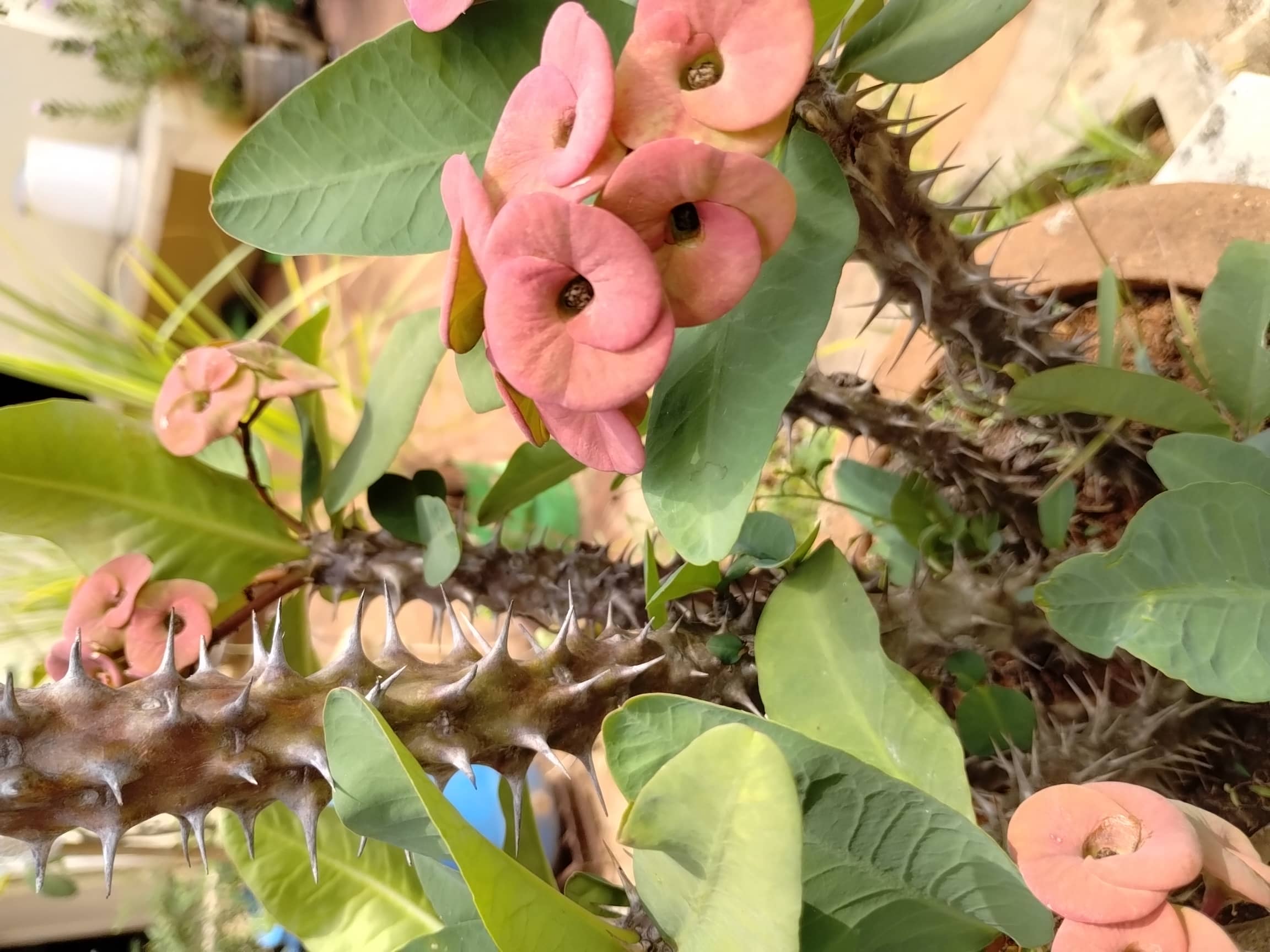
Euphorbia
Euphorbia Mili
Spiny succulent shrub featuring thorny stems and small, colorful petal-like brac...
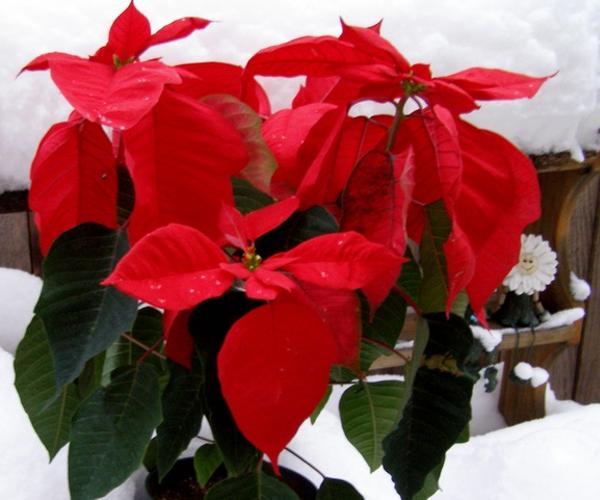
Poinsettia
Euphorbia pulcherrima
Iconic Christmas plant with showy red, pink, or white leaf-like bracts surroundi...
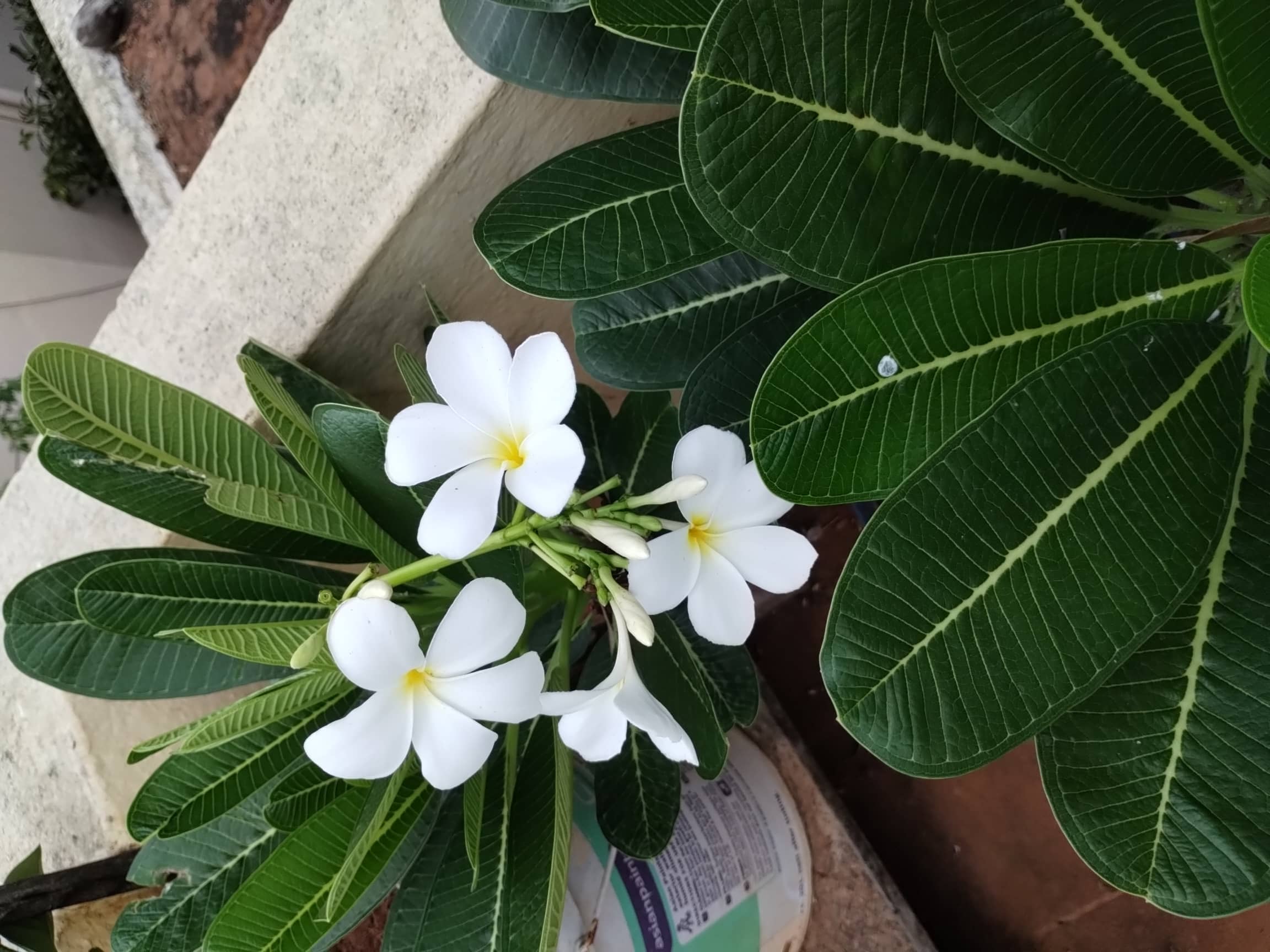
Plumeria
Plumeria Rubra
Iconic tropical tree with intensely fragrant waxy flowers in white, pink, red, y...
Similar Characteristics
4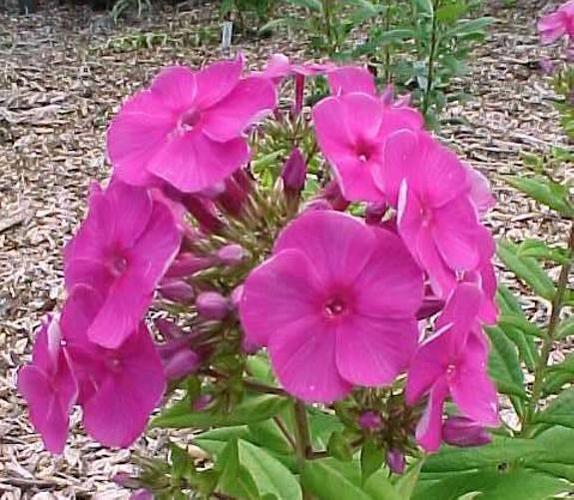
Phlox
Phlox paniculata
Fragrant flowers in dense clusters ranging from creeping ground covers to tall b...
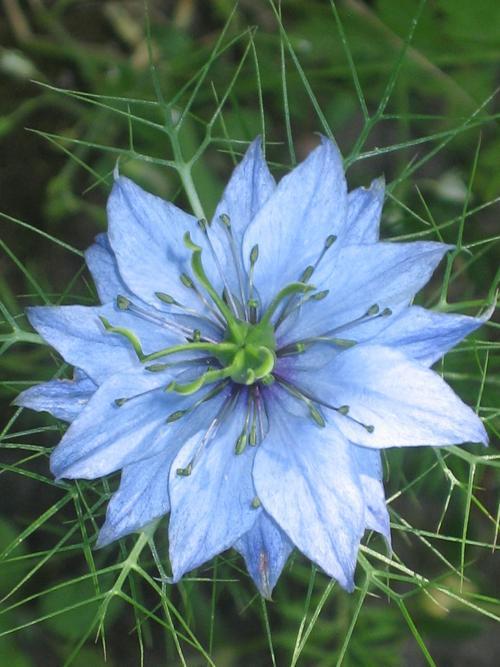
Love in a mist
Nigella damascena
Charming cottage garden annual featuring delicate jewel-like flowers in shades o...
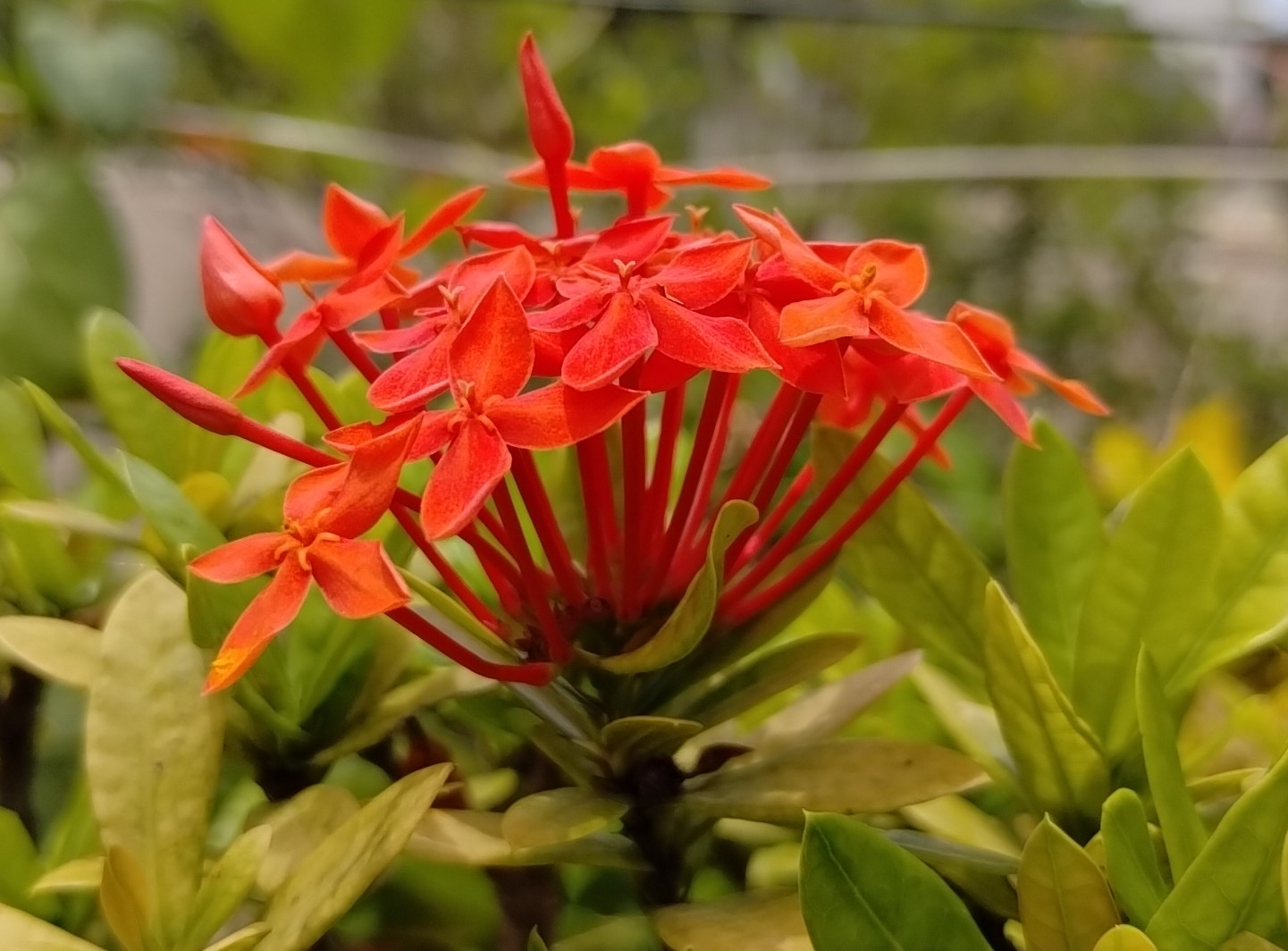
Ixora
Ixora coccinea
Vibrant tropical shrub featuring dense, rounded clusters of small, tubular flowe...
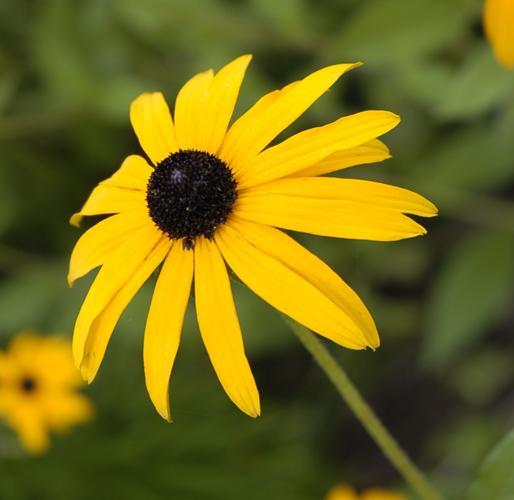
Black eyed Susan
Rudbeckia hirta
Cheerful native wildflower featuring bright golden-yellow ray petals surrounding...