
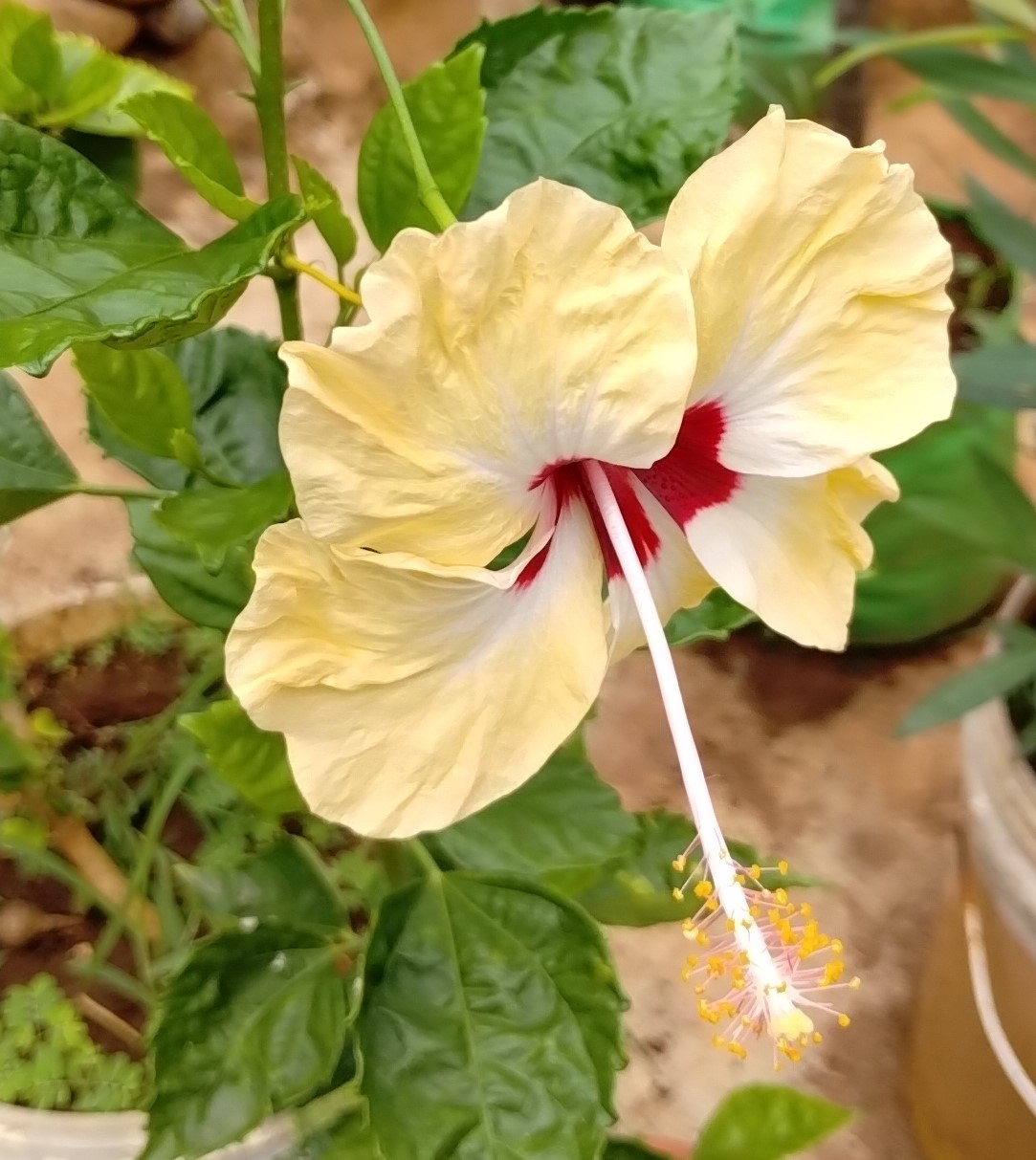
Hibiscus
Hibiscus rosa-sinensis
Basic Details
Floral Formula & Features
Bracteate (epicalyx of 5-8 bracts), radially symmetrical (actinomorphic), bisexual, 5 fused sepals, 5 free petals, numerous stamens fused into staminal column surrounding style, 5 fused carpels with superior ovary
- Name 'Hibiscus' from Greek 'hibiskos,' ancient name for mallow. 'Rosa-sinensis' means 'rose of China.' 'Shoe Flower' from use of petals to polish shoes in India. State flower of Hawaii. National flower of Malaysia and South Korea. About 300 Hibiscus species. Thousands of cultivars developed
- Flowers 4-8 inches (10-20 cm) across, some cultivars up to 10 inches. Five broad, overlapping petals forming trumpet shape. Prominent staminal column (fused stamens) extends 2-3 inches beyond petals. Colors include red, pink, orange, yellow, white, purple, and multicolors. Single or double forms. Blooms year-round in tropics
- Evergreen shrub or small tree in tropics; deciduous in cooler climates. Blooms continuously in warm conditions. Individual flowers last one day but constantly replaced. Fast-growing, reaching mature size in 2-3 years. Can be pruned as hedge or trained as standard (tree form)
- Grows 4-10 feet (1.2-3 m) tall and wide, some varieties to 15 feet. Dwarf varieties 2-3 feet. Lifespan of 10-25+ years. Propagated from semi-hardwood cuttings (root easily in 4-6 weeks), air layering, or grafting. Seed-grown plants variable
- Native to tropical Asia, particularly southern China and Southeast Asia. Exact origin uncertain due to ancient cultivation. Now grown throughout tropics and subtropics worldwide. Popular in Hawaii, Florida, California, Caribbean, Mediterranean, Southeast Asia, Pacific Islands
- Requires full sun (6-8 hours) for best blooming. Needs well-drained, fertile soil. Water regularly; keep soil evenly moist. Feed monthly during growing season. Prune to shape. Frost tender (damaged below 32°F/0°C); bring indoors in cold climates. Zones 9-11 outdoors
- Premier tropical ornamental for hedges, screens, specimens, and containers. Excellent houseplant in bright light. Attracts hummingbirds and butterflies. Flowers used in leis, hair adornments. Edible flowers used in salads, teas (hibiscus tea from H. sabdariffa). Used in traditional medicine. Symbolizes delicate beauty. Easy to grow with spectacular results
Names in Different Languages
What is Floral Formula?
A floral formula is a symbolic representation of a flower's structure using letters, numbers, and special symbols. It provides a concise way to describe the arrangement and number of floral parts.
This formula describes the flower's symmetry, sepals, petals, stamens, and carpels in a standardized format.
Formula Sequence
- Bract: Br or Ebr
- Bracteole: Brl or Ebrl
- Symmetry: % (Radial) or ⊕ (Bilateral)
- Sex: ♀ (Female), ♂ (Male), or ⚥ (Bisexual)
- Calyx/Sepal: K<number> (Free or Fused)
- Corolla/Petal: C<number> (Free or Fused)
- Androecium: A<number> (Free or Fused)
- Gynaecium: G<number> (Superior or Inferior Ovary)
Symbol Meanings
- Numbers: Indicate quantity of parts
- Parentheses (): Parts are fused together
- Plus (+): Parts in different whorls
- Underline: Superior ovary position
- Overline: Inferior ovary position
- ∞: Numerous parts (too many to count)
Understanding floral formulas helps botanists quickly identify and classify flowers based on their structural characteristics.
Similar Flowers
Discover flowers that share botanical characteristics
Same Family
3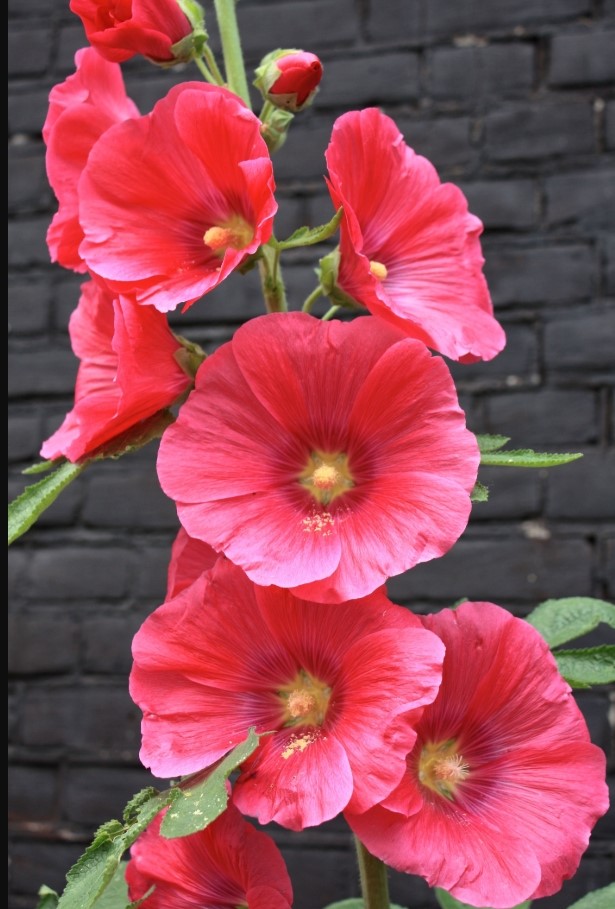
Hollyhock
Alcea rosea
Majestic cottage garden classic featuring towering flower spikes 5-8 feet tall a...
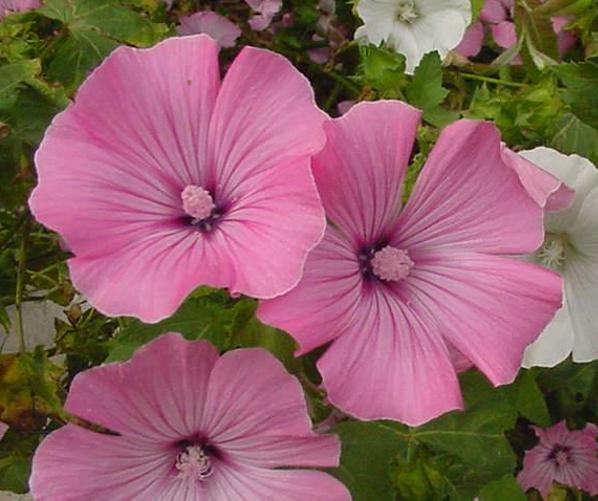
Tree Mallow
Malva arborea
Robust biennial or short-lived perennial forming a woody-based shrub covered in ...
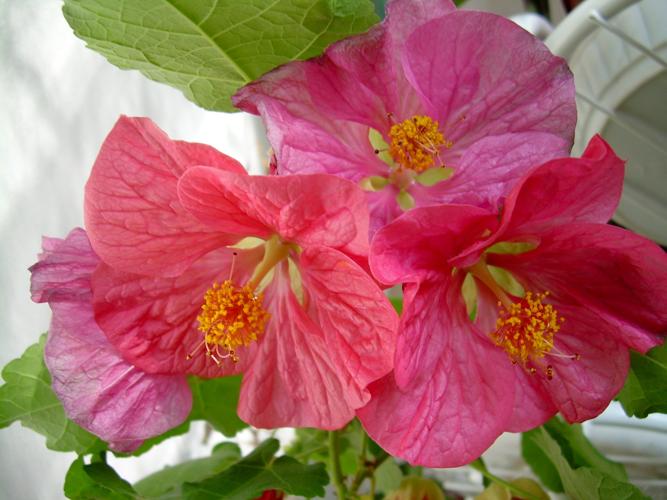
Mallow
Malva
Versatile medicinal herb with delicate cup-shaped flowers in pink, purple, or wh...
Similar Characteristics
4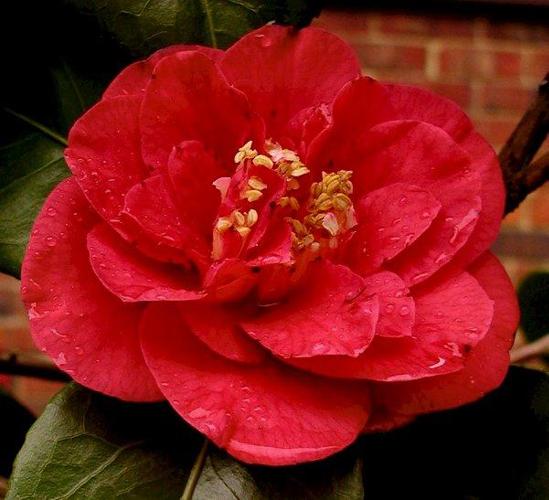
Camellia
Camellia japonica
Elegant evergreen shrub prized for exquisite rose-like blooms that appear when f...
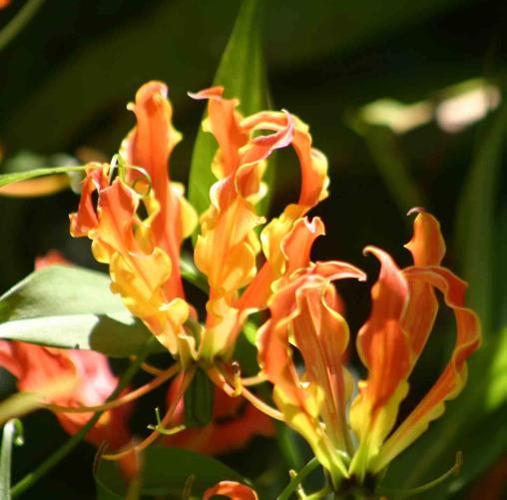
Fire Lily
Gloriosa superba
Spectacular climbing lily featuring exotic, flame-like flowers with dramatically...
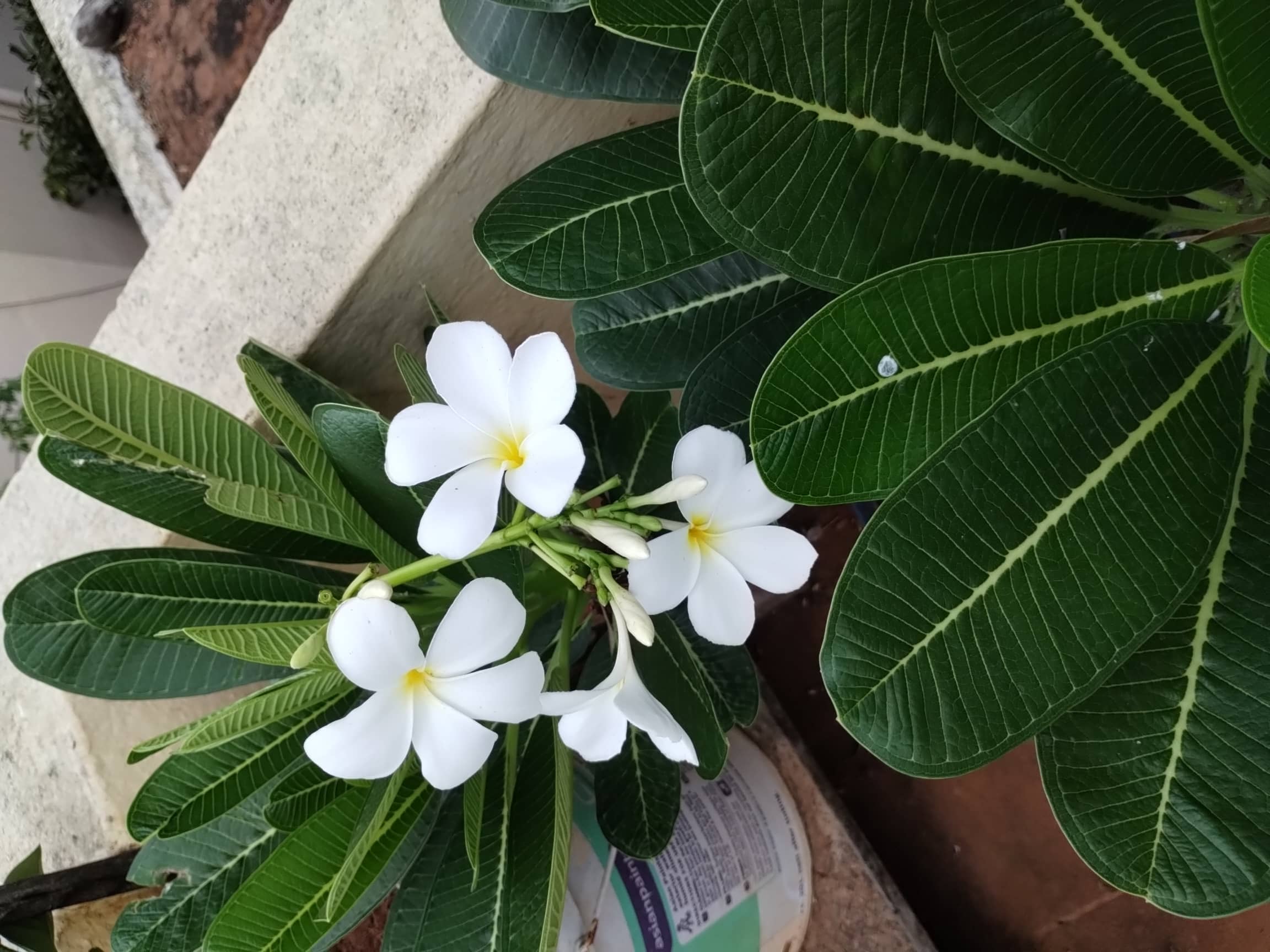
Plumeria
Plumeria Rubra
Iconic tropical tree with intensely fragrant waxy flowers in white, pink, red, y...
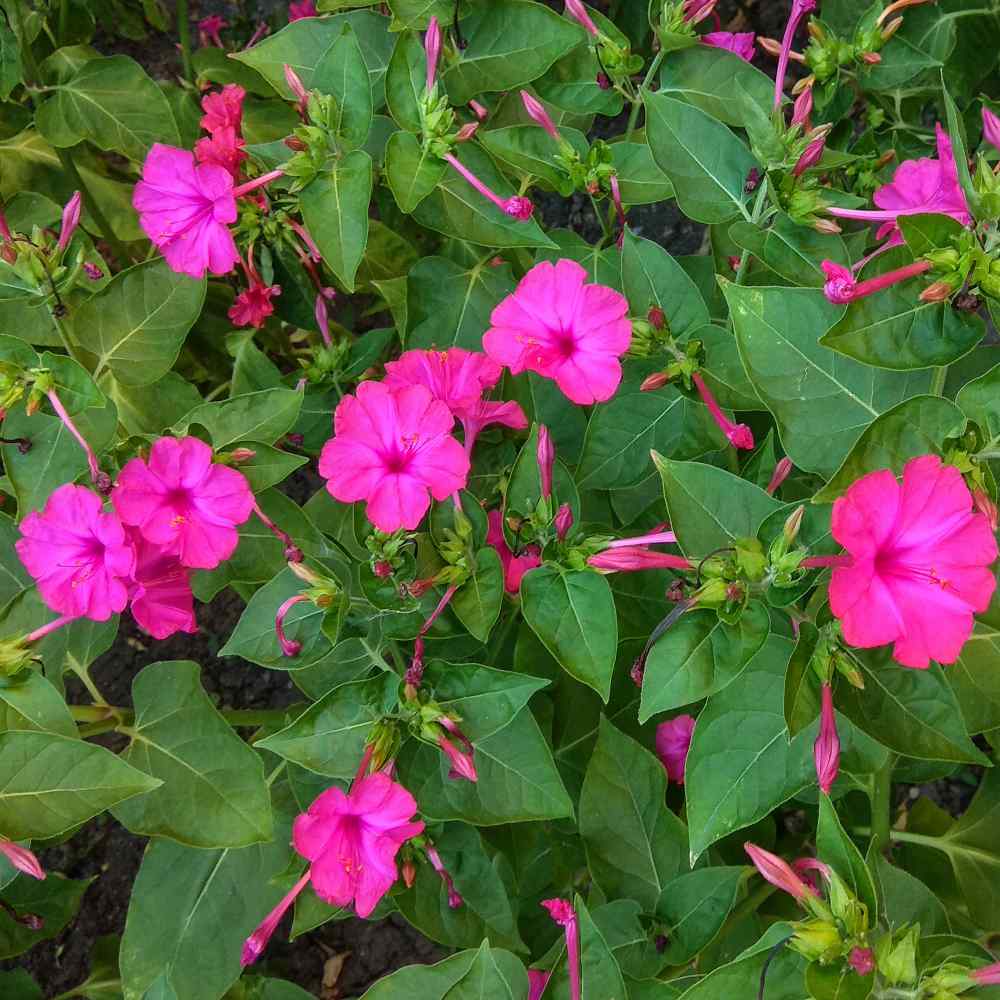
Four o'clock
Mirabilis jalapa
Charming bushy perennial named for flowers that open in late afternoon (typicall...