
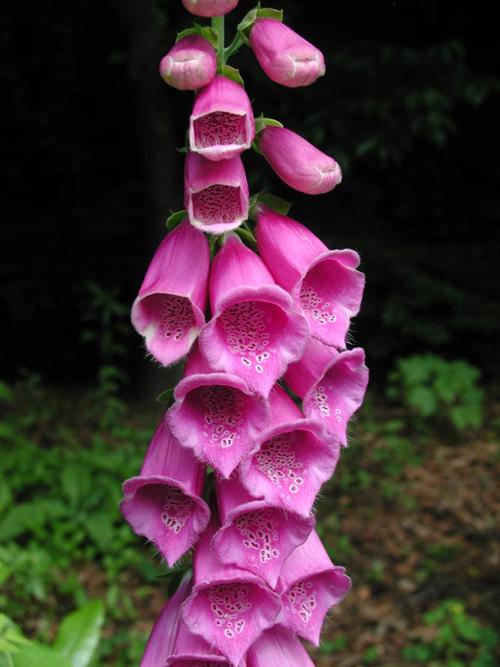
Foxglove
Digitalis purpurea
Basic Details
Floral Formula & Features
Ebracteate (no bracts), bilaterally symmetrical (zygomorphic), bisexual, 5 fused sepals, 5 fused petals forming tubular bell with 4 lobes (upper 2 fused), 4 stamens in 2 pairs (didynamous), 2 fused carpels with superior ovary
- Name 'Foxglove' possibly from 'folks' glove' (fairy folk) or flowers resembling glove fingers. 'Digitalis' from Latin 'digitus' (finger) for finger-like flowers. 'Purpurea' means purple. Folk names include 'Fairy Bells,' 'Witches Gloves,' 'Dead Men's Bells' (warning of toxicity). About 20 Digitalis species
- Flowers 2-3 inches (5-7.5 cm) long, tubular bells with 4-5 lobes. Colors include purple, pink, rose, white, yellow, and apricot, typically with spotted throats (nectar guides for bees). Arranged in tall, one-sided spikes 2-5 feet tall with 20-80 blooms per spike. Blooms late spring to midsummer (May-July)
- Biennial (occasionally short-lived perennial). First year produces rosette of large, fuzzy leaves; second year sends up flowering spike, then dies after setting seed. Self-seeds prolifically for continuous presence. Flowers open sequentially from bottom to top of spike over 2-3 weeks
- Grows 2-6 feet (60-180 cm) tall in bloom, dwarf varieties 2-3 feet. Basal rosette 12-18 inches across. Lifespan of 2 years (biennial). Propagated from seed (sow on surface in spring or fall, needs light to germinate, blooms second year). Self-sows readily
- Native to western and southwestern Europe, particularly British Isles, western Mediterranean. Naturalized in North America, Australia, New Zealand. Found in woodland edges, hedgerows, disturbed areas, and mountainsides. Prefers cool, temperate climates
- Prefers partial shade to full shade (tolerates sun in cool climates). Thrives in moist, well-drained, acidic soil rich in organic matter. Water regularly; doesn't tolerate drought. Deadhead spent spikes to prolong blooming (though prevents self-seeding). Hardy zones 4-9
- Source of digitalis (digitoxin, digoxin) for treating heart conditions since 1785. All parts extremely toxic—causes nausea, vomiting, irregular heartbeat, death if ingested. Never consume. Wear gloves when handling. Attracts bumblebees (specialized pollinators). Deer and rabbit resistant (toxic). Excellent for shade gardens and woodland settings. Symbolizes insincerity and healing
Names in Different Languages
What is Floral Formula?
A floral formula is a symbolic representation of a flower's structure using letters, numbers, and special symbols. It provides a concise way to describe the arrangement and number of floral parts.
This formula describes the flower's symmetry, sepals, petals, stamens, and carpels in a standardized format.
Formula Sequence
- Bract: Br or Ebr
- Bracteole: Brl or Ebrl
- Symmetry: % (Radial) or ⊕ (Bilateral)
- Sex: ♀ (Female), ♂ (Male), or ⚥ (Bisexual)
- Calyx/Sepal: K<number> (Free or Fused)
- Corolla/Petal: C<number> (Free or Fused)
- Androecium: A<number> (Free or Fused)
- Gynaecium: G<number> (Superior or Inferior Ovary)
Symbol Meanings
- Numbers: Indicate quantity of parts
- Parentheses (): Parts are fused together
- Plus (+): Parts in different whorls
- Underline: Superior ovary position
- Overline: Inferior ovary position
- ∞: Numerous parts (too many to count)
Understanding floral formulas helps botanists quickly identify and classify flowers based on their structural characteristics.
Similar Flowers
Discover flowers that share botanical characteristics
Same Family
3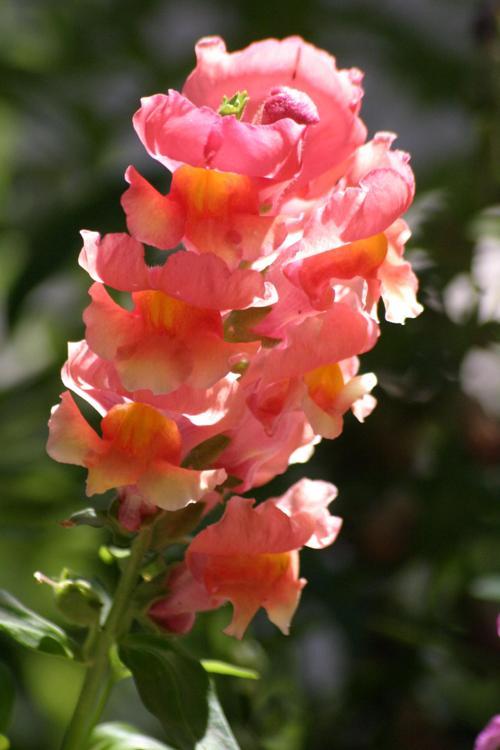
Antirrhinum
Antirrhinum
Charming cottage garden favorite with distinctive two-lipped flowers that open a...
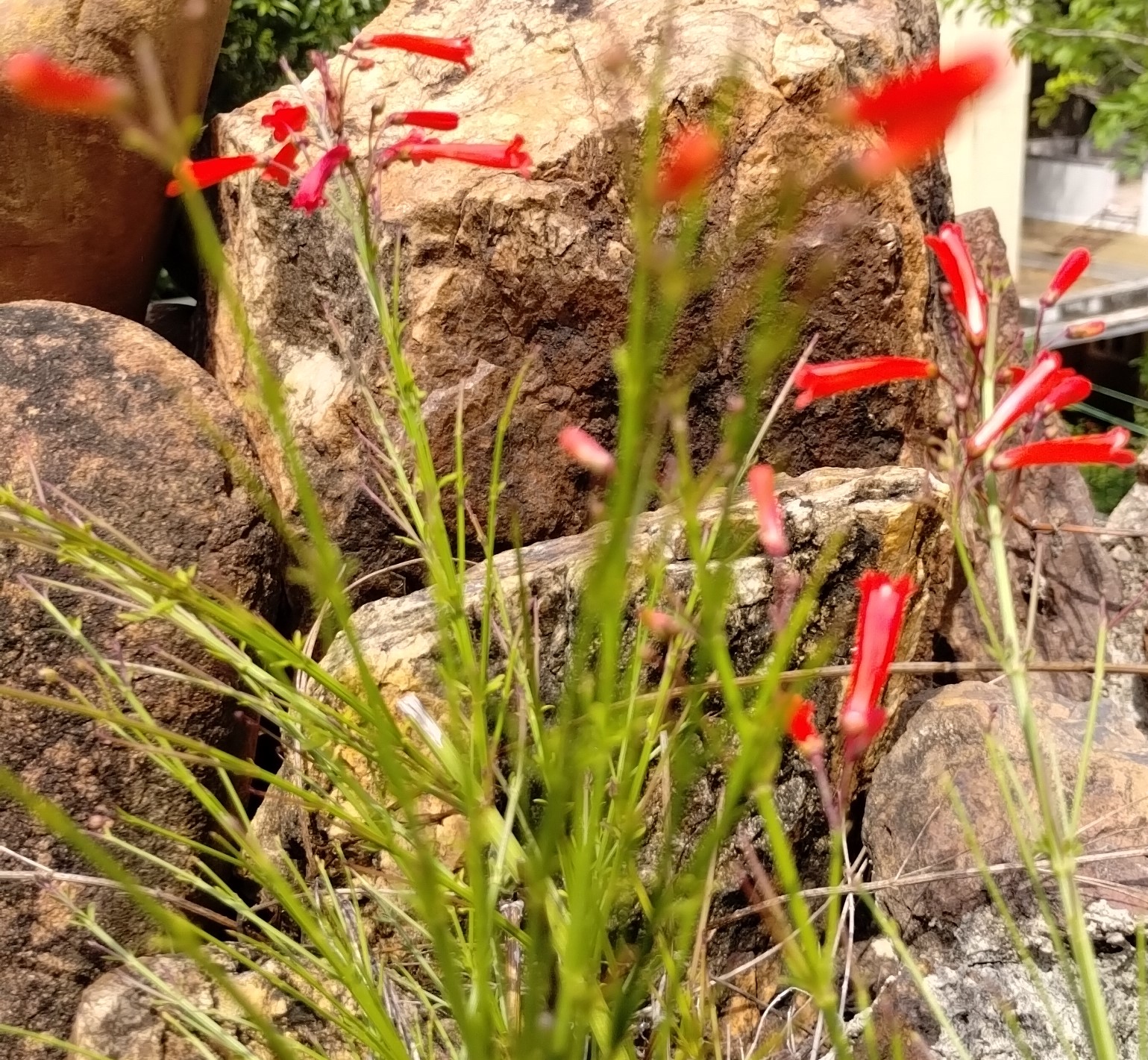
Russelia
Russelia equisetiformis
Spectacular tropical subshrub renowned for its graceful, cascading habit and pro...
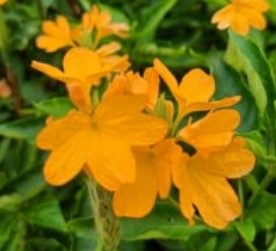
Crossandra Firecracker
Crossandra infundibuliformis
Attractive evergreen shrub featuring distinctive fan-shaped flowers in vibrant s...
Similar Characteristics
4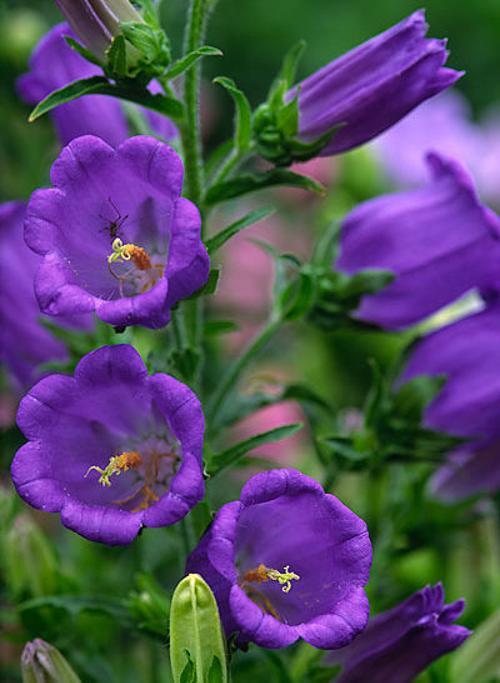
Canterbury bells
Campanula medium
Charming biennial featuring large, showy bell-shaped flowers in shades of blue, ...
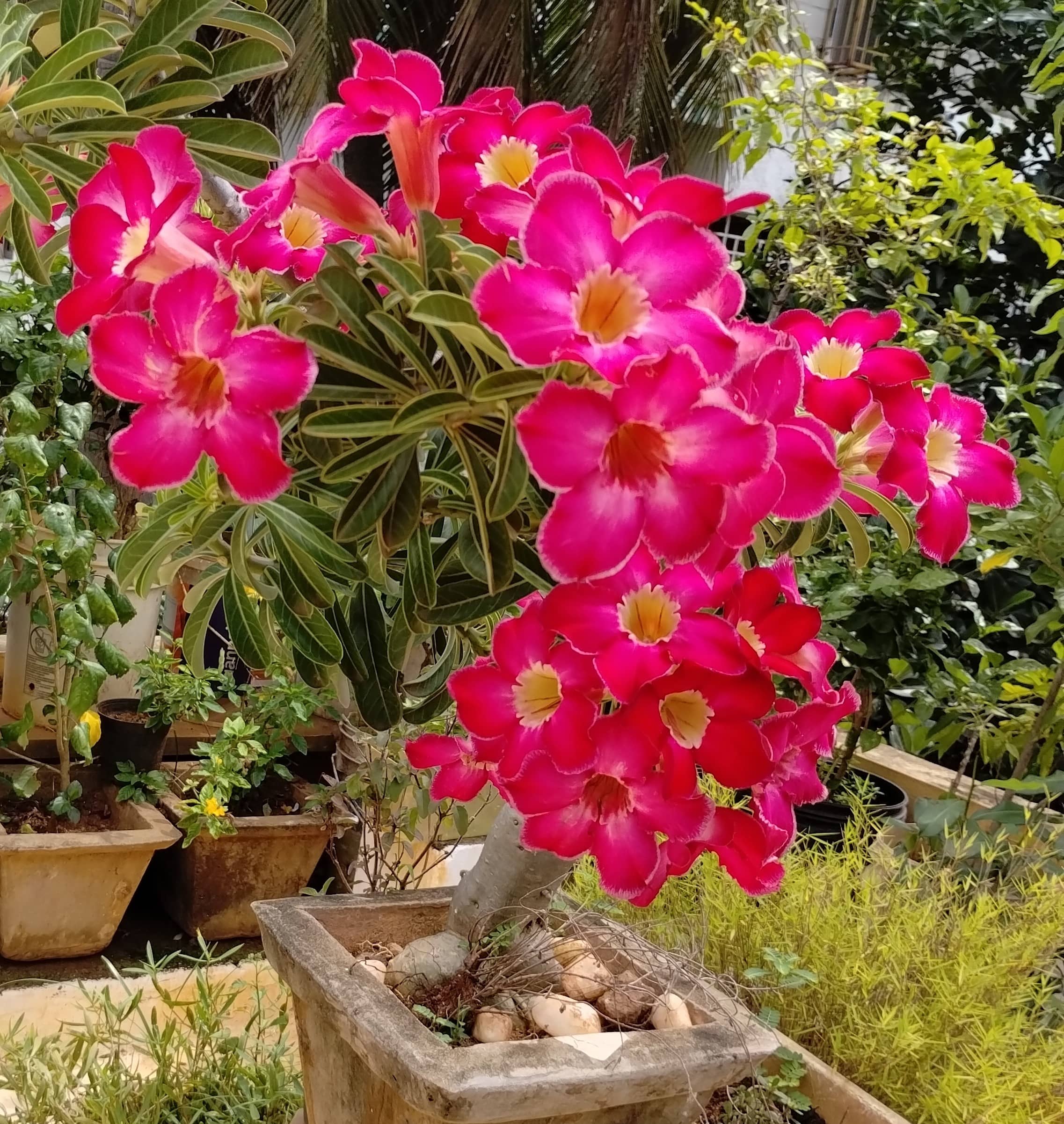
Desert rose
Adenium obesum
Striking succulent shrub featuring a dramatically swollen trunk (caudex) that st...
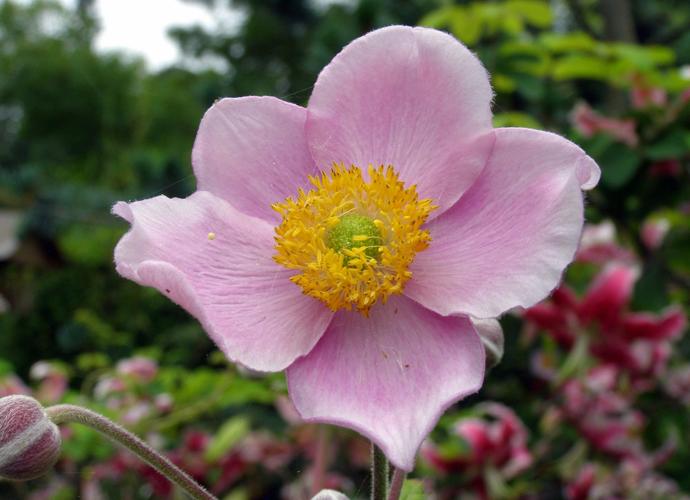
Japanese anemone
Anemone hupehensis, Anemone hybrida
Elegant late-season perennial featuring graceful, saucer-shaped flowers on tall,...
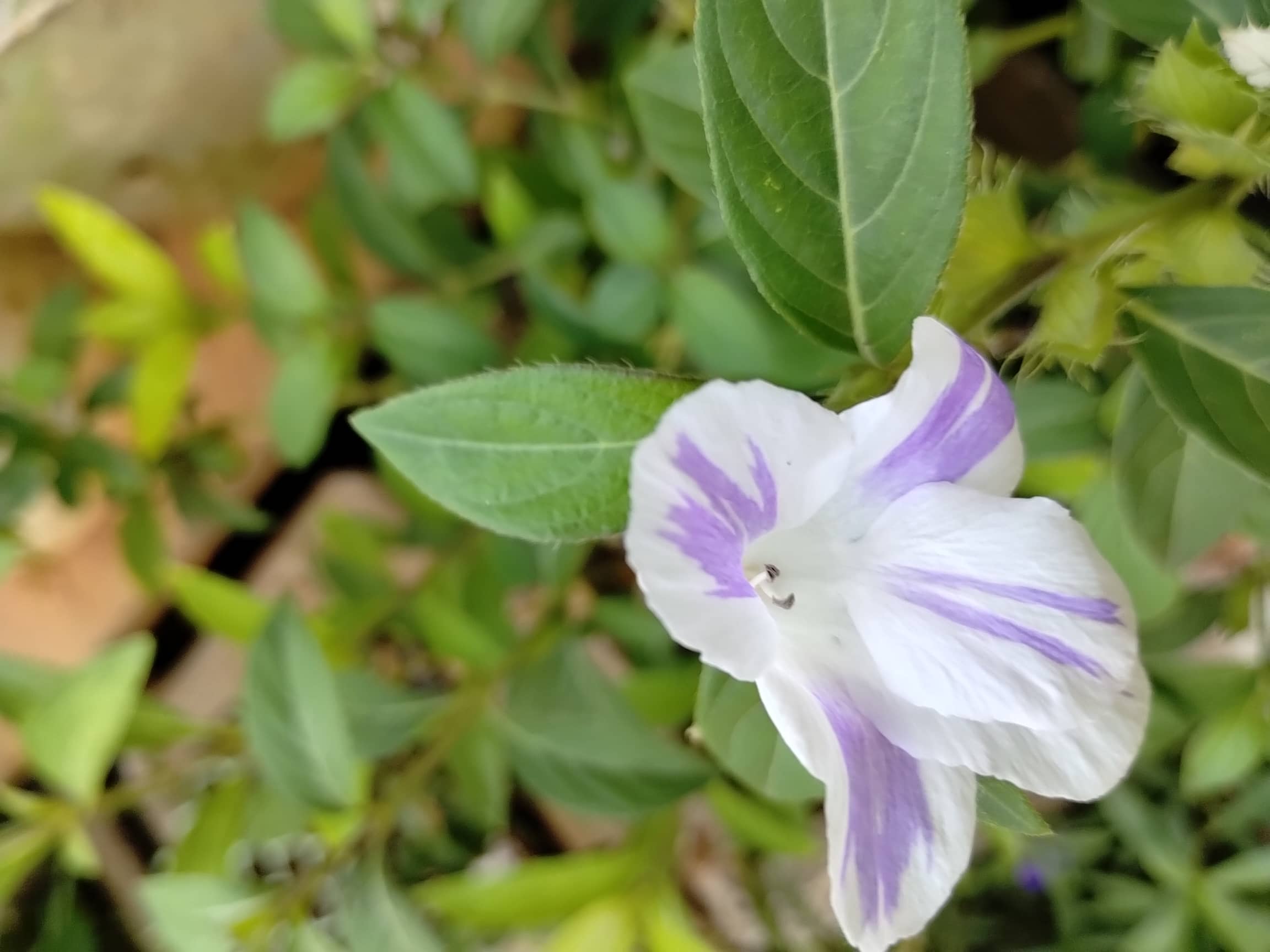
December
Barleria Cristata,Barleria prioniti
Attractive evergreen shrub featuring tubular flowers with distinctive crested or...