
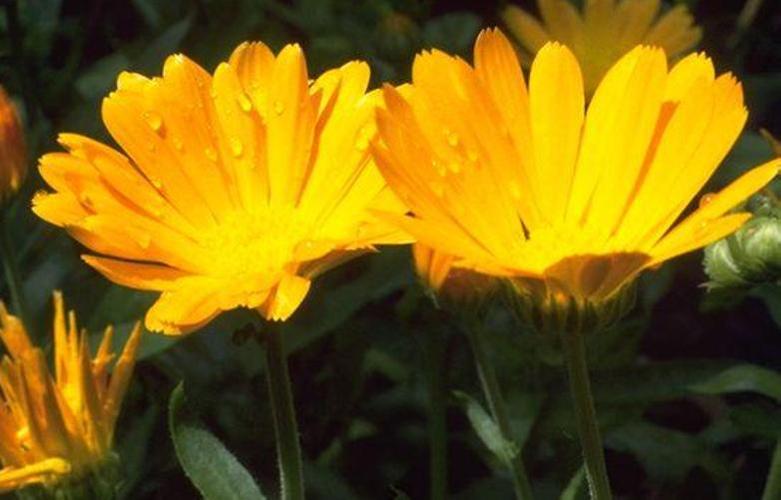
English Marigolds
Calendula officinalis
Basic Details
Floral Formula & Features
Composite flower head (capitulum). Ray florets - Bracteate, bilaterally symmetrical, female, no sepals (modified to pappus or absent), numerous fused petals forming strap-shaped ray, no stamens, 2 fused carpels with inferior ovary. Disk florets - Bracteate, radially symmetrical, bisexual, no sepals, 5 fused petals forming tube, 5 fused stamens, 2 fused carpels with inferior ovary
- Name 'Calendula' from Latin 'calendae' (first day of month) as plant blooms nearly every month in mild climates. 'Officinalis' means 'of the workshop/pharmacy,' indicating medicinal use. 'Pot Marigold' from use in cooking pots. 'English Marigold' distinguishes from Mexican marigolds (Tagetes). Cultivated since ancient times
- Flowers 2-4 inches (5-10 cm) across, composite heads with numerous ray florets surrounding disc florets. Colors range from pale yellow to deep orange, some with darker centers. Single forms have one row of petals; doubles have multiple rows creating full, pom-pom appearance. Resinous, slightly musky scent
- Annual that blooms spring through fall in cool climates (March-November), winter through spring in warm climates. Prefers cool weather, struggles in heat. Flowers close at night and on cloudy days. Self-seeds prolifically. Deadheading prolongs blooming
- Grows 12-24 inches (30-60 cm) tall, dwarf varieties 8-12 inches. Bushy growth habit. Lifespan of one growing season (annual). Propagated from seed (sow direct in fall or early spring, germinates in 7-14 days). Self-sows readily
- Native to southern Europe and Mediterranean region. Cultivated since ancient Egypt, Greece, and Rome. Now naturalized in temperate regions worldwide. Found in gardens, fields, and disturbed areas. Prefers cool, temperate climates
- Prefers full sun to partial shade. Thrives in cool weather (50-70°F/10-21°C). Adapts to most well-drained soils, even poor soil. Water moderately. Deadhead regularly to prolong blooming. May go dormant or die in extreme heat. Tolerates light frost. Zones 2-11 as annual
- Petals edible—used in salads, soups, teas, and as saffron substitute (color food). Extensively used in herbal medicine for skin healing, anti-inflammatory, and antiseptic properties. Flowers made into salves, creams, and tinctures for wounds, burns, rashes. Attracts beneficial insects. Companion plant repelling pests. Deer resistant. Symbolizes joy and remembrance
Names in Different Languages
What is Floral Formula?
A floral formula is a symbolic representation of a flower's structure using letters, numbers, and special symbols. It provides a concise way to describe the arrangement and number of floral parts.
This formula describes the flower's symmetry, sepals, petals, stamens, and carpels in a standardized format.
Formula Sequence
- Bract: Br or Ebr
- Bracteole: Brl or Ebrl
- Symmetry: % (Radial) or ⊕ (Bilateral)
- Sex: ♀ (Female), ♂ (Male), or ⚥ (Bisexual)
- Calyx/Sepal: K<number> (Free or Fused)
- Corolla/Petal: C<number> (Free or Fused)
- Androecium: A<number> (Free or Fused)
- Gynaecium: G<number> (Superior or Inferior Ovary)
Symbol Meanings
- Numbers: Indicate quantity of parts
- Parentheses (): Parts are fused together
- Plus (+): Parts in different whorls
- Underline: Superior ovary position
- Overline: Inferior ovary position
- ∞: Numerous parts (too many to count)
Understanding floral formulas helps botanists quickly identify and classify flowers based on their structural characteristics.
Similar Flowers
Discover flowers that share botanical characteristics
Same Family
4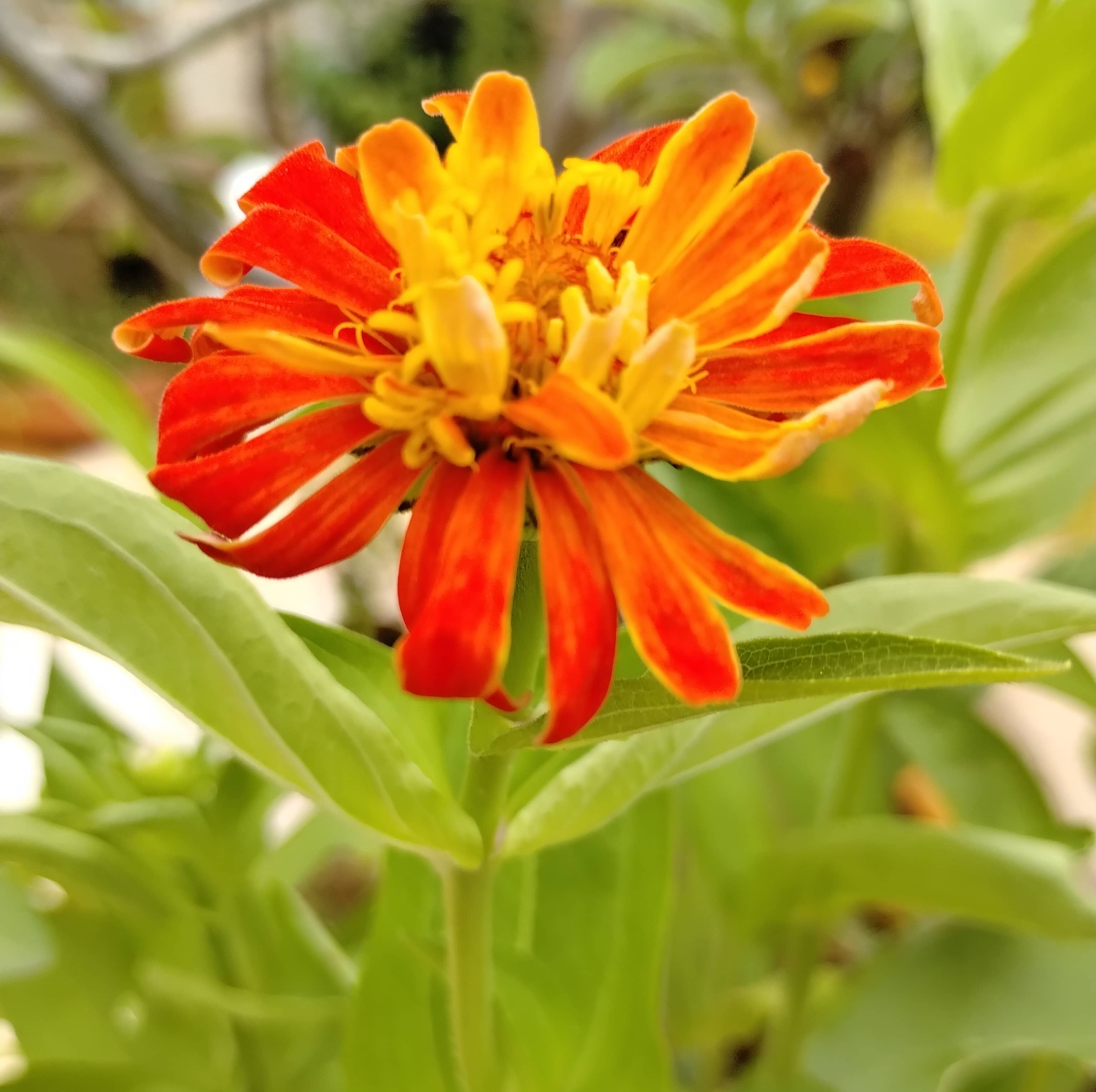
Zinnia
Zinnia
They belong to the same family as Daisy. Zinnia have a stunning range of shapes ...
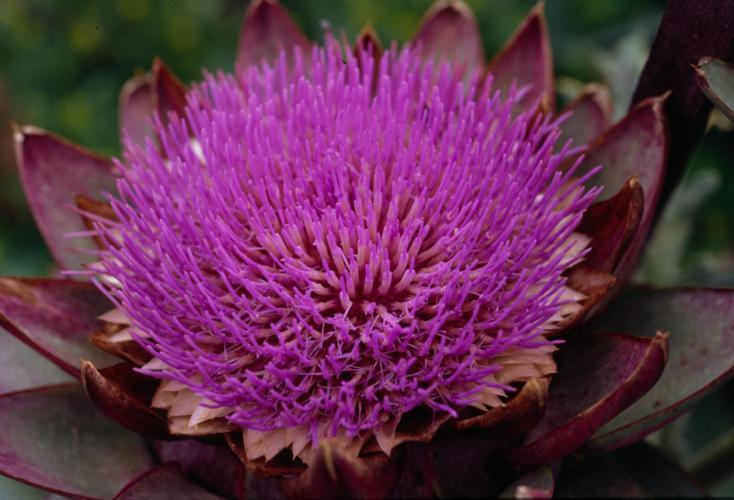
Artichoke
Cynara scolymus
Dramatic architectural plant grown primarily for its edible flower buds, which a...
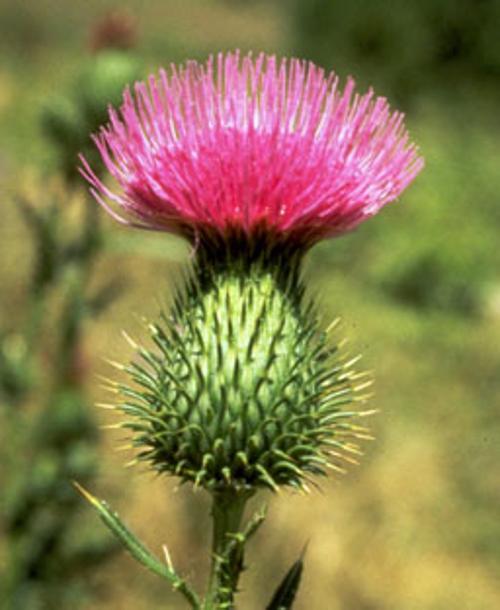
Spear Thistle (Bull Thistle)
Cirsium vulgare
Tall biennial with distinctive purple pom-pom flowers surrounded by spiny bracts...
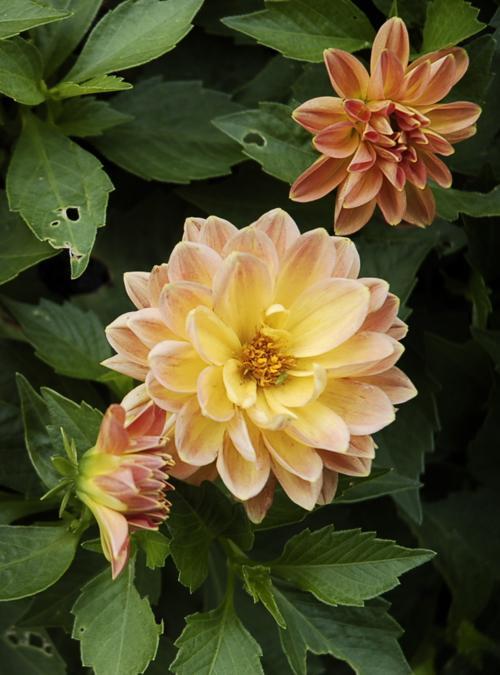
Pink Dahlia
Dahlia
Stunning tuberous perennial with layered pink blooms ranging from soft blush to ...
Similar Characteristics
4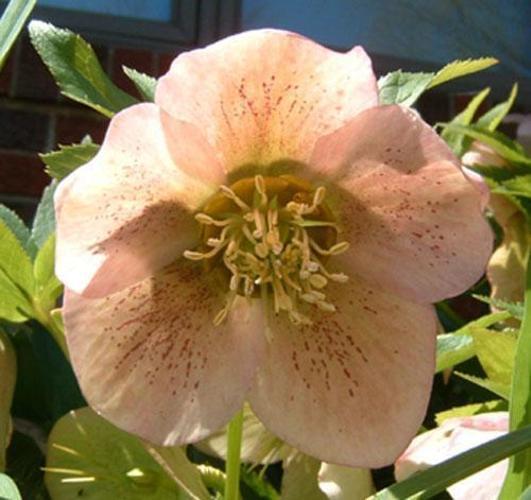
Lenten rose
Helleborus orientalis
Elegant shade-loving perennial featuring nodding, cup or saucer-shaped flowers i...
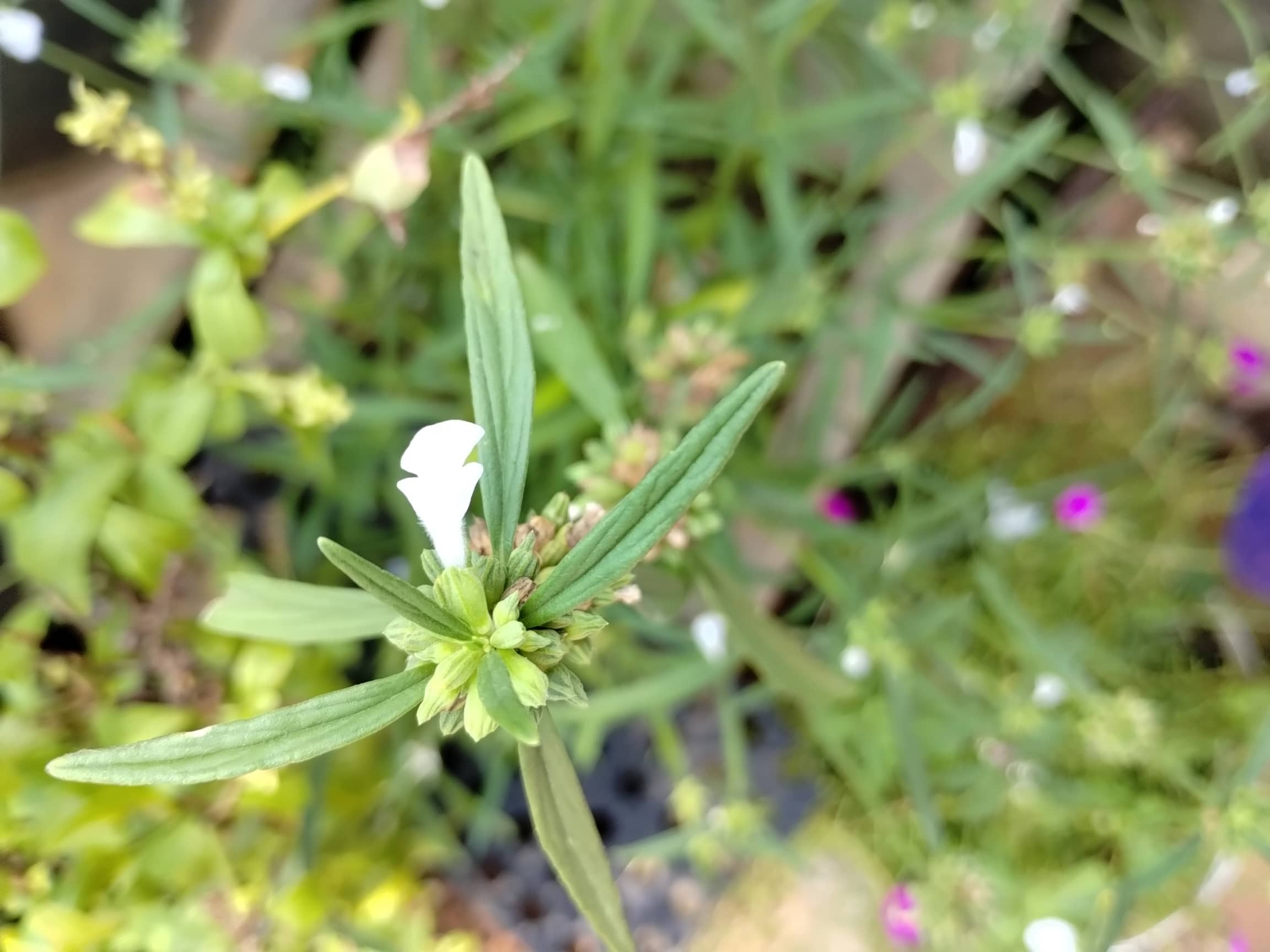
Leucas Aspera
Leucas aspera
Common medicinal herb featuring dense whorls of small, white, two-lipped flowers...
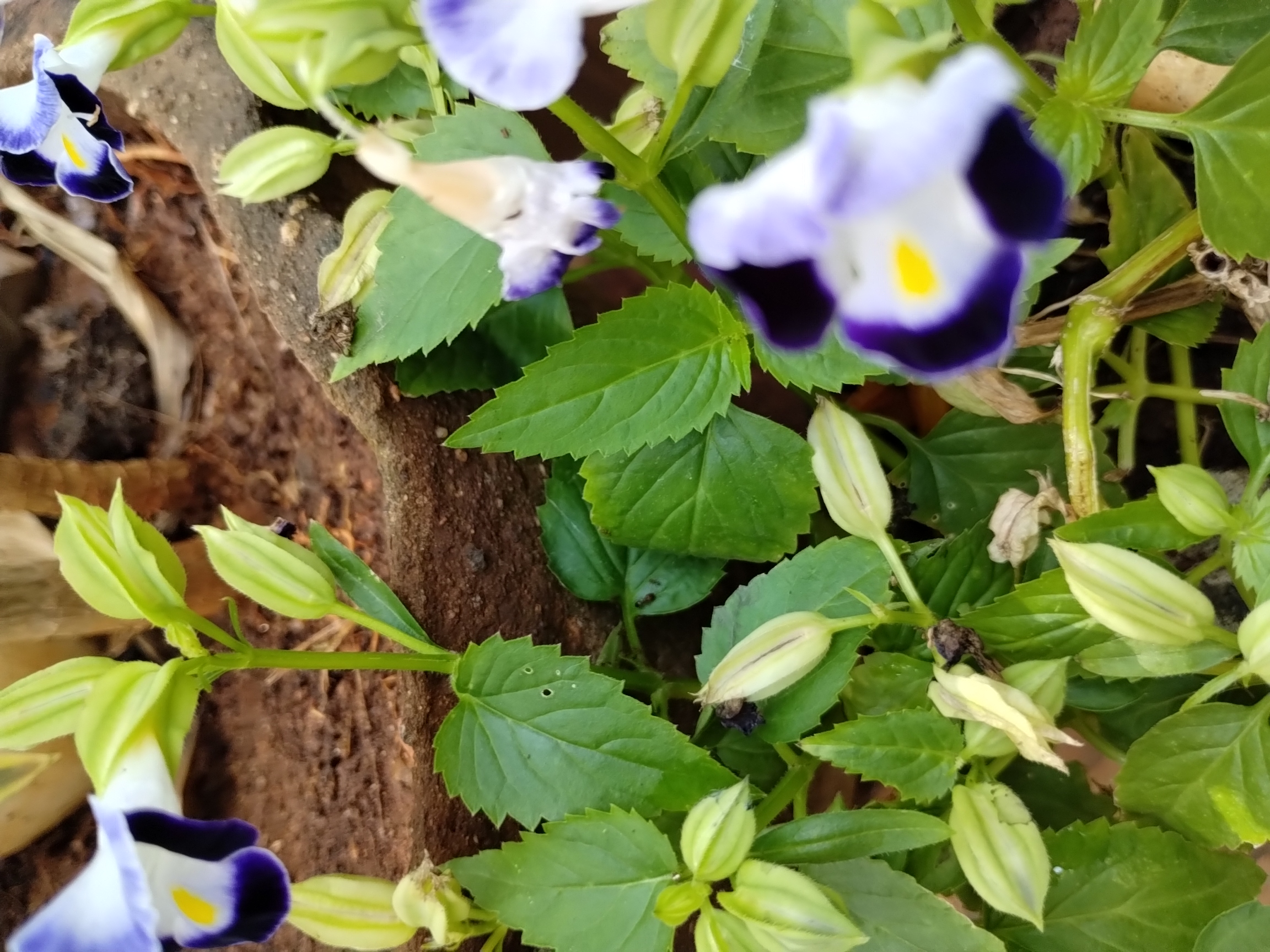
Bluewings
Torenia fournieri
Charming shade-loving annual featuring small trumpet-shaped flowers with distinc...
Spear Thistle (Bull Thistle)
Cirsium vulgare
Tall biennial with distinctive purple pom-pom flowers surrounded by spiny bracts...