
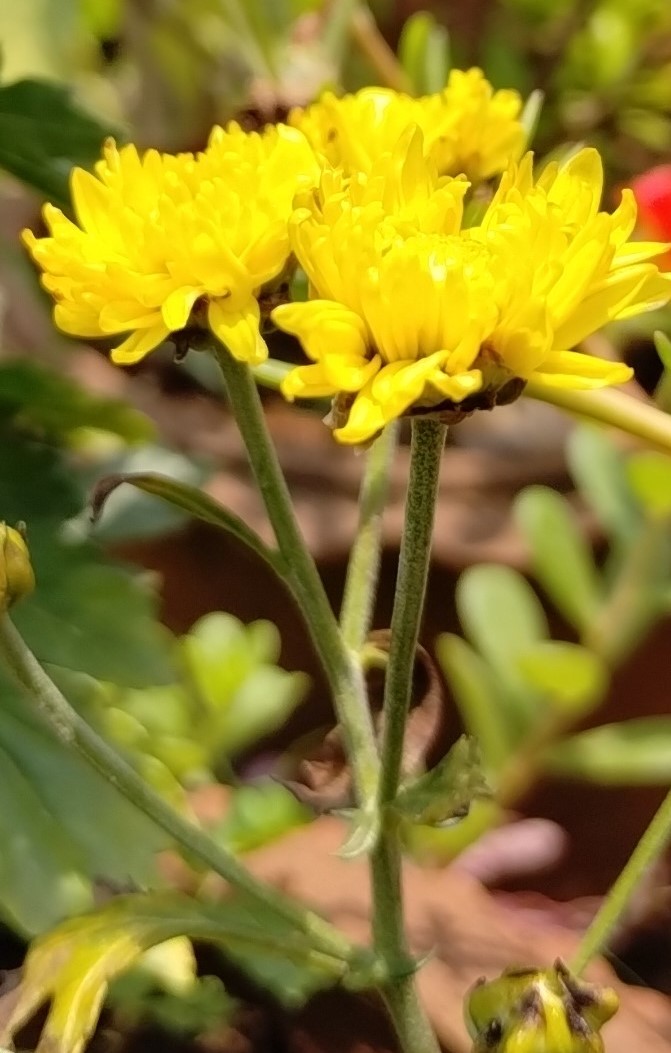
Chrysanthemum
Chrysanthemum
Basic Details
Floral Formula & Features
Ebracteate (no bracts), Actinomorphic (radially symmetrical), bisexual, no calyx (pappus may be present), 5 fused petals (ray or disc florets), 5 stamens with fused anthers forming tube around style (syngenesious), 2 fused carpels with inferior ovary typical of Asteraceae
- Name 'Chrysanthemum' from Greek 'chrysos' (gold) and 'anthemon' (flower), meaning golden flower. 'Morifolium' means mulberry-leaved. In China called 'ju hua', one of Four Gentlemen in Chinese art symbolizing nobility
- Composite flower heads 1-6 inches (2.5-15 cm) across made of ray florets (petal-like) surrounding disc florets (center). Forms include pompon (ball-shaped), spider (thin petals), decorative (broad petals), anemone (cushion center), and single (daisy-like)
- Herbaceous perennial blooming late summer through fall (August-November) until frost. Short-day plant - flowers when days are 12 hours or less. Pinching stems until mid-July encourages bushier growth. Dies back in winter, re-emerges in spring
- Grows 1-3 feet (30-90 cm) tall and wide forming bushy clumps. Lifespan of 3-5 years, divide every 2-3 years for vigor. Propagated by division in spring or cuttings. Deeply lobed, aromatic dark green leaves
- Native to China and East Asia where cultivated for over 3,000 years. Introduced to Japan in 8th century, became imperial symbol. Spread to Europe in 17th century, North America in 18th century. Now cultivated worldwide
- Requires full sun (5-6 hours minimum) for best flowering. Prefers fertile, well-drained soil pH 6.5-7.0. Needs consistent moisture. Hardy zones 5-9, though hardiness varies by cultivar. Many sold as annuals
- November birth flower symbolizing loyalty and honesty. In Asia represents longevity, joy, nobility. Part of Japanese emperor's crest. Edible flowers used in teas. Attracts bees and butterflies providing late-season nectar
- Toxic to dogs, cats, horses if ingested. Excellent cut flowers lasting 7-14 days. Deadhead spent blooms. Mulch over winter in cold climates. Shallow roots require frequent watering. Water at base to prevent fungal diseases
Names in Different Languages
What is Floral Formula?
A floral formula is a symbolic representation of a flower's structure using letters, numbers, and special symbols. It provides a concise way to describe the arrangement and number of floral parts.
This formula describes the flower's symmetry, sepals, petals, stamens, and carpels in a standardized format.
Formula Sequence
- Bract: Br or Ebr
- Bracteole: Brl or Ebrl
- Symmetry: % (Radial) or ⊕ (Bilateral)
- Sex: ♀ (Female), ♂ (Male), or ⚥ (Bisexual)
- Calyx/Sepal: K<number> (Free or Fused)
- Corolla/Petal: C<number> (Free or Fused)
- Androecium: A<number> (Free or Fused)
- Gynaecium: G<number> (Superior or Inferior Ovary)
Symbol Meanings
- Numbers: Indicate quantity of parts
- Parentheses (): Parts are fused together
- Plus (+): Parts in different whorls
- Underline: Superior ovary position
- Overline: Inferior ovary position
- ∞: Numerous parts (too many to count)
Understanding floral formulas helps botanists quickly identify and classify flowers based on their structural characteristics.
Similar Flowers
Discover flowers that share botanical characteristics
Same Family
4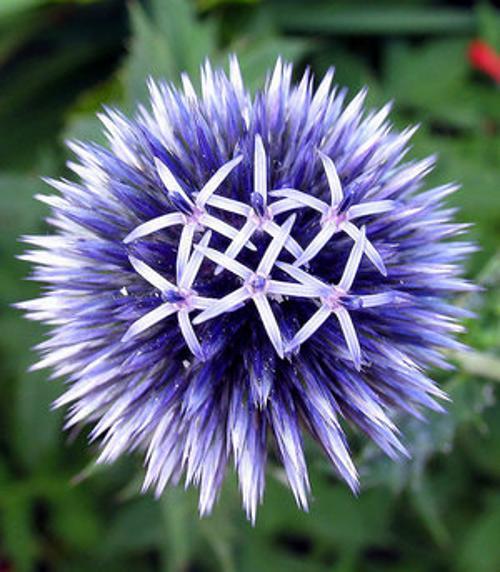
Globe Thistle
Echinops
Striking architectural perennial featuring perfectly spherical, spiky flower hea...
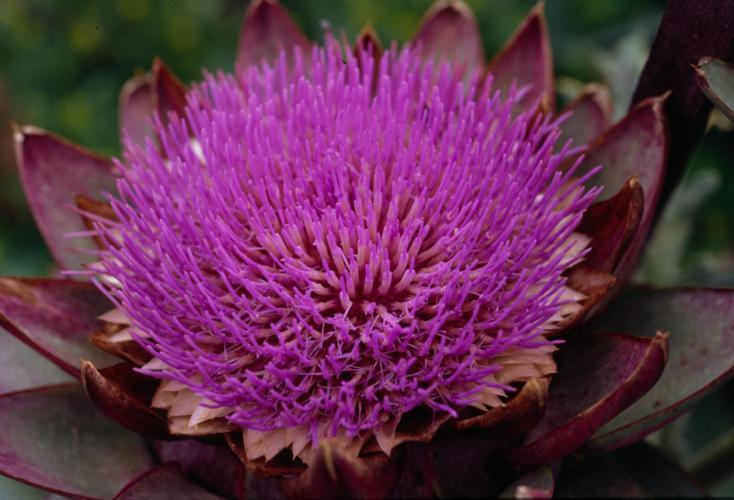
Artichoke
Cynara scolymus
Dramatic architectural plant grown primarily for its edible flower buds, which a...
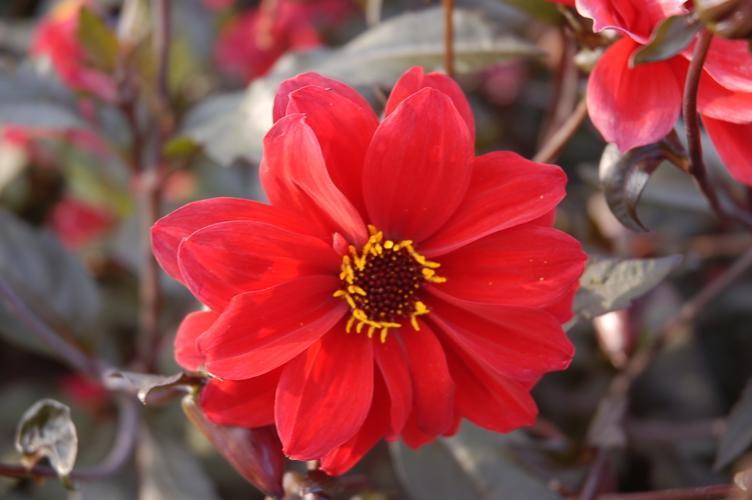
Dahlia
Dahlia
Spectacular tuberous perennial renowned for extraordinarily diverse flower forms...
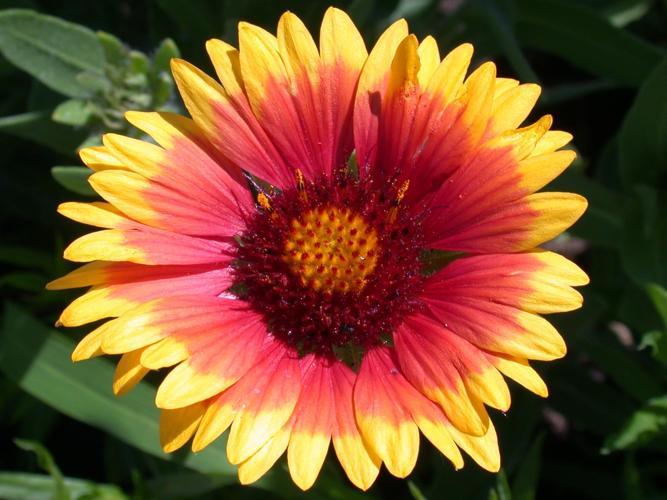
Gaillardia
Gaillardia
Cheerful, sun-loving perennial or annual featuring vibrant daisy-like flowers in...
Similar Characteristics
4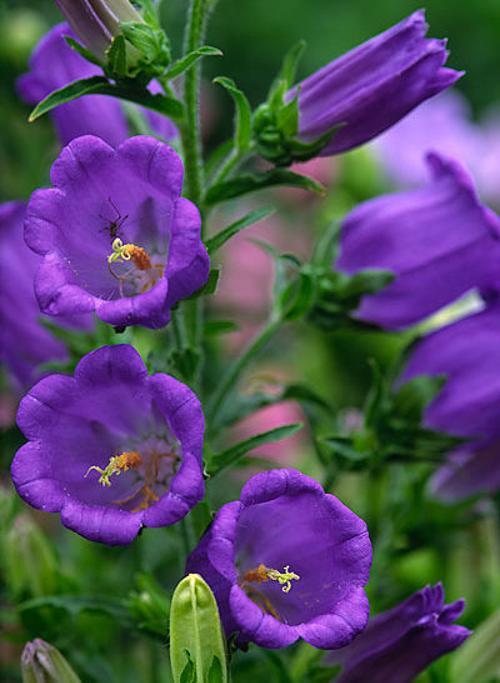
Canterbury bells
Campanula medium
Charming biennial featuring large, showy bell-shaped flowers in shades of blue, ...
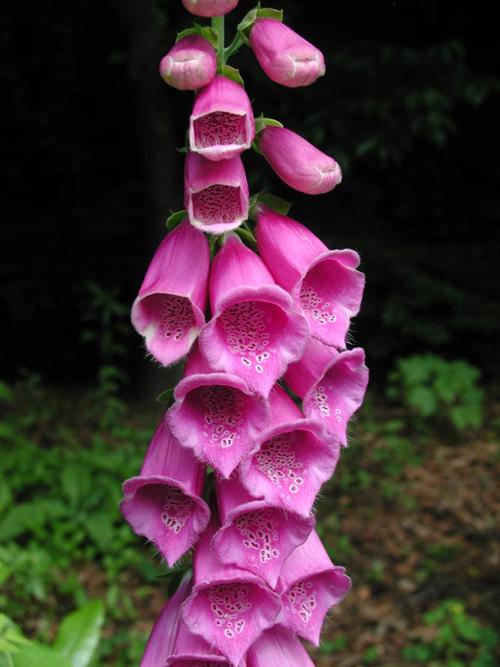
Foxglove
Digitalis purpurea
Majestic biennial featuring tall, elegant spikes of tubular, bell-shaped flowers...
Gaillardia
Gaillardia
Cheerful, sun-loving perennial or annual featuring vibrant daisy-like flowers in...
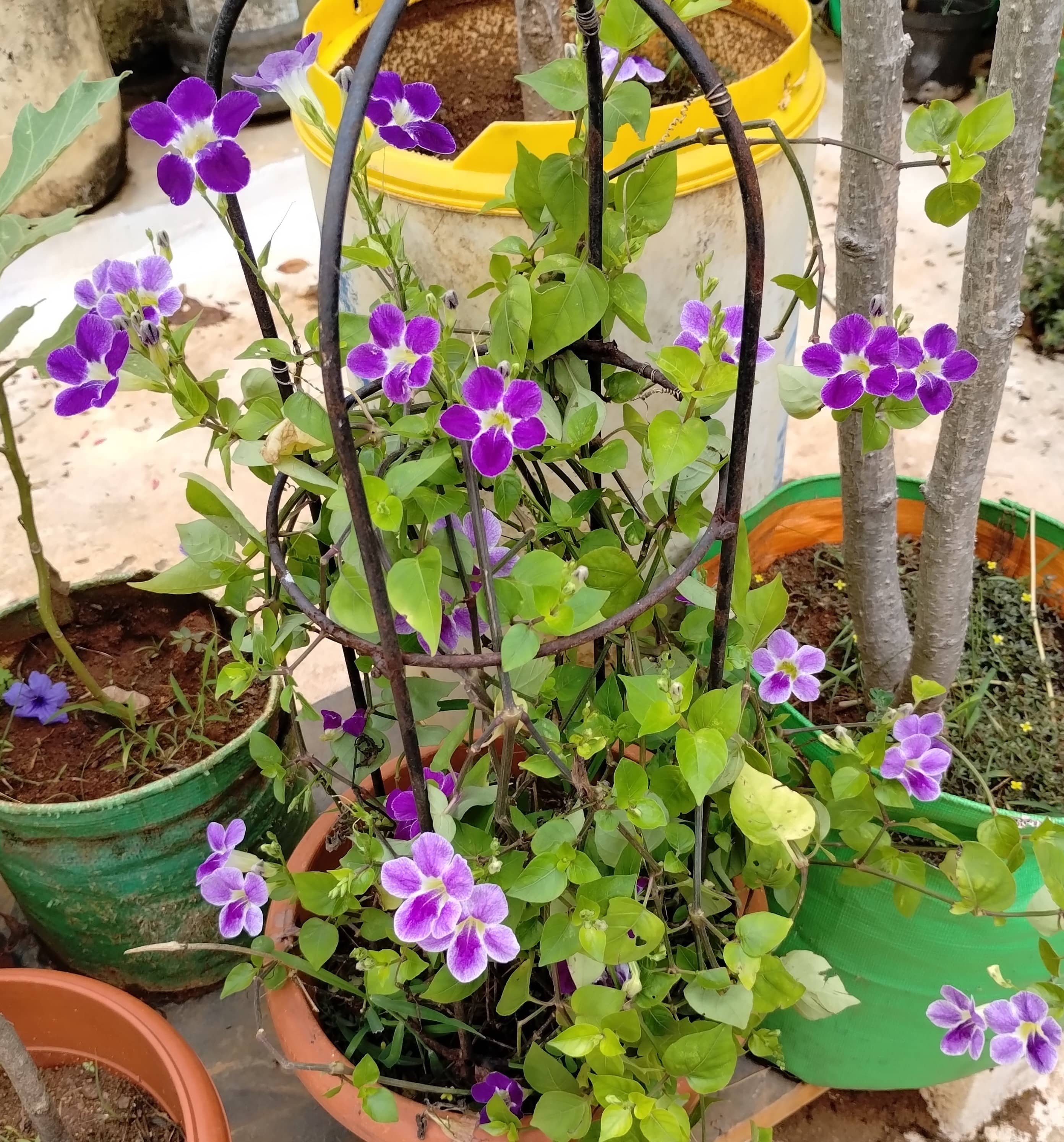
Thunbergia Bush Clock Vine
Thunbergia erecta
Versatile tropical plant producing stunning trumpet-shaped flowers in shades of ...