
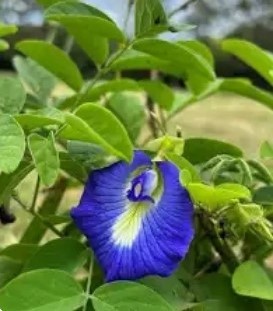
Butterfly pea
Clitoria ternatea
Basic Details
Floral Formula & Features
Ebracteate (no bracts), bilaterally symmetrical (zygomorphic), bisexual, 5 fused sepals forming calyx tube, 5 free petals (1 standard, 2 wings, 2 keel petals fused), 10 stamens with 9 fused in tube and 1 free (diadelphous), 1 free carpel with superior ovary
- Name 'Clitoria' derives from the flower's resemblance to female anatomy. 'Butterfly Pea' refers to wing-like petals resembling a butterfly. 'Aparajita' means 'unconquered' in Sanskrit, symbolizing invincibility in Hindu tradition
- Solitary pea-like flowers 1.5-2 inches (4-5 cm) long with five petals in characteristic legume arrangement. Vivid deep blue is most common, also white, pink, and double-flowered cultivars. Flowers contain anthocyanins that create pH-sensitive color changes
- Perennial climbing vine that blooms year-round in tropical climates, summer through fall (June-October) in temperate zones. Twining vine requires support structure. Produces flat seed pods 2-3 inches long containing 6-10 edible seeds
- Climbs 6-15 feet (2-4.5 m) with support, spreading 3-6 feet (90-180 cm). Lifespan of 2-3 years as perennial in tropics, grown as annual in cooler climates. Propagated from scarified seeds (germinate in 6-21 days) or semi-hardwood cuttings
- Native to tropical equatorial Asia including Indonesia (possibly Ternate island), Thailand, Vietnam, and India. Now naturalized throughout tropical and subtropical regions of Africa, Australia, Americas, and Pacific islands
- Thrives in full sun requiring 6-8 hours of direct sunlight daily. Prefers warm temperatures (70-85°F/21-29°C) and consistently moist, well-drained soil. Drought tolerant once established. Frost sensitive
- Flowers produce natural blue dye for beverages, desserts, and rice dishes. Used in Ayurvedic and traditional Chinese medicine for cognitive enhancement and stress relief. Attracts butterflies and hummingbirds. Legume that fixes nitrogen, improving soil fertility
Names in Different Languages
What is Floral Formula?
A floral formula is a symbolic representation of a flower's structure using letters, numbers, and special symbols. It provides a concise way to describe the arrangement and number of floral parts.
This formula describes the flower's symmetry, sepals, petals, stamens, and carpels in a standardized format.
Formula Sequence
- Bract: Br or Ebr
- Bracteole: Brl or Ebrl
- Symmetry: % (Radial) or ⊕ (Bilateral)
- Sex: ♀ (Female), ♂ (Male), or ⚥ (Bisexual)
- Calyx/Sepal: K<number> (Free or Fused)
- Corolla/Petal: C<number> (Free or Fused)
- Androecium: A<number> (Free or Fused)
- Gynaecium: G<number> (Superior or Inferior Ovary)
Symbol Meanings
- Numbers: Indicate quantity of parts
- Parentheses (): Parts are fused together
- Plus (+): Parts in different whorls
- Underline: Superior ovary position
- Overline: Inferior ovary position
- ∞: Numerous parts (too many to count)
Understanding floral formulas helps botanists quickly identify and classify flowers based on their structural characteristics.
Similar Flowers
Discover flowers that share botanical characteristics
Same Family
4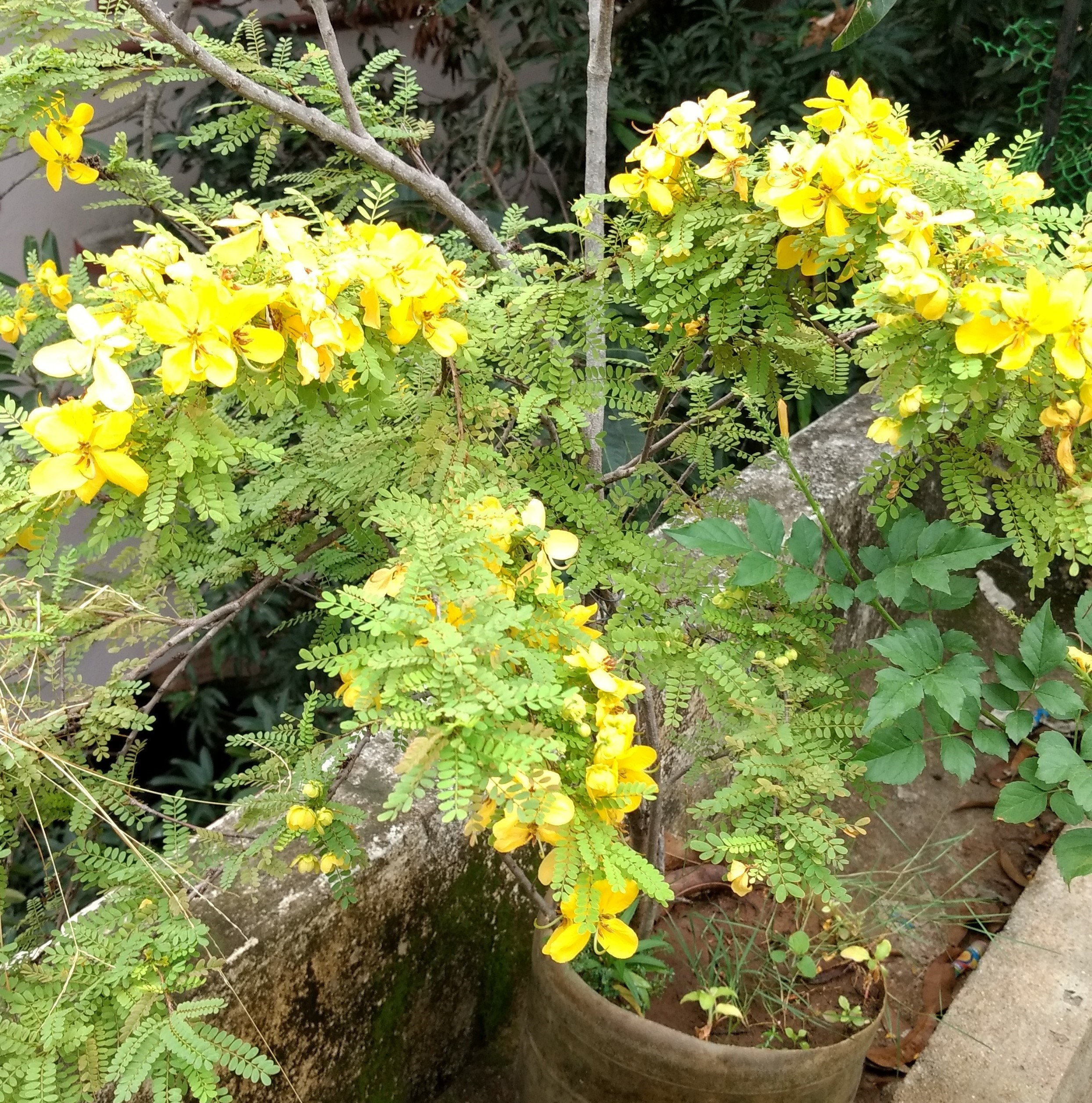
Tanner's Cassia
Senna Auriculata
Yellow color flowering plant with medicinal properties. Its bark contains the ch...
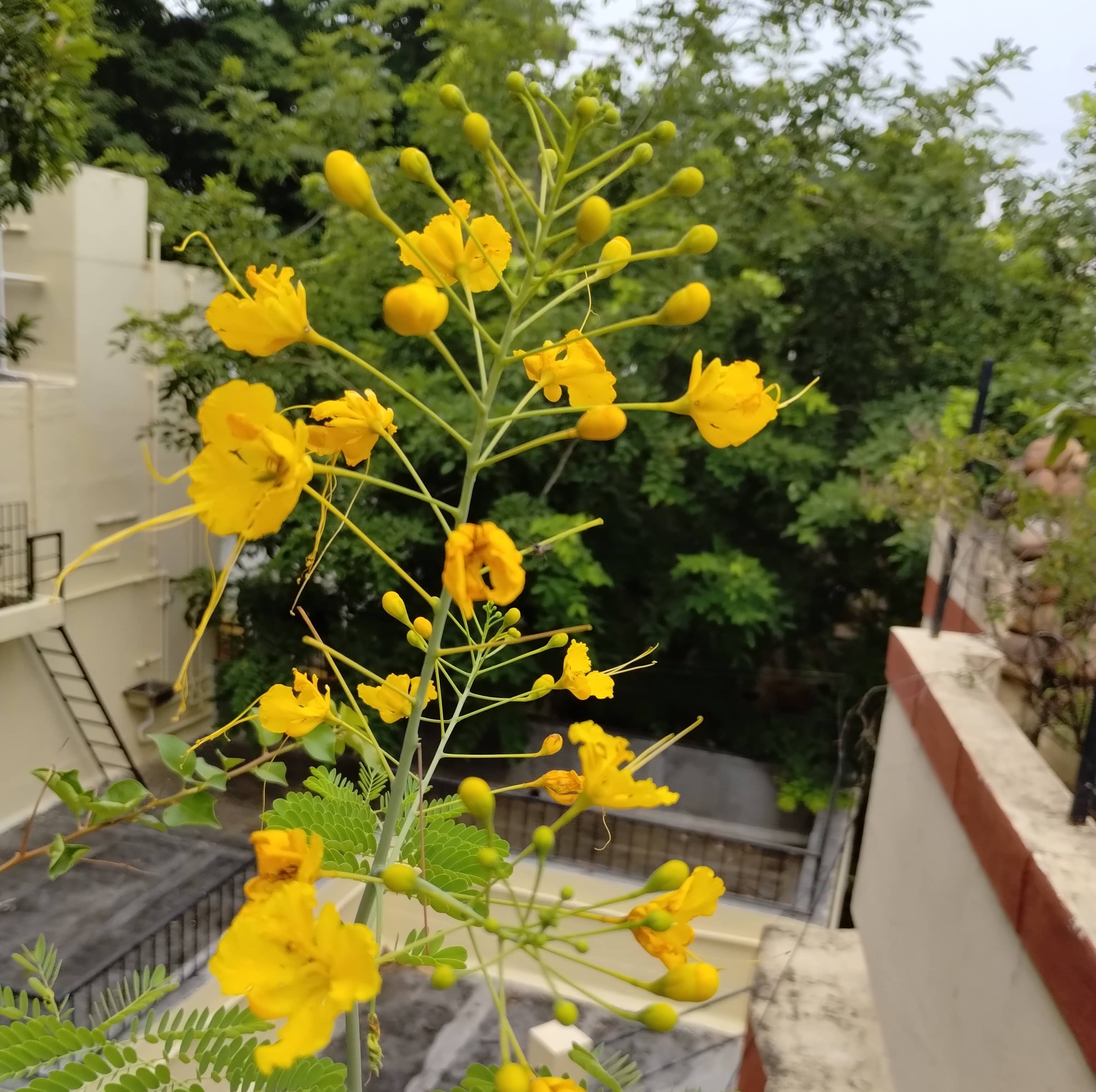
Caesalpinia
Caesalpinia pulcherrima
Spectacular tropical shrub featuring brilliant flame-colored flower clusters wit...
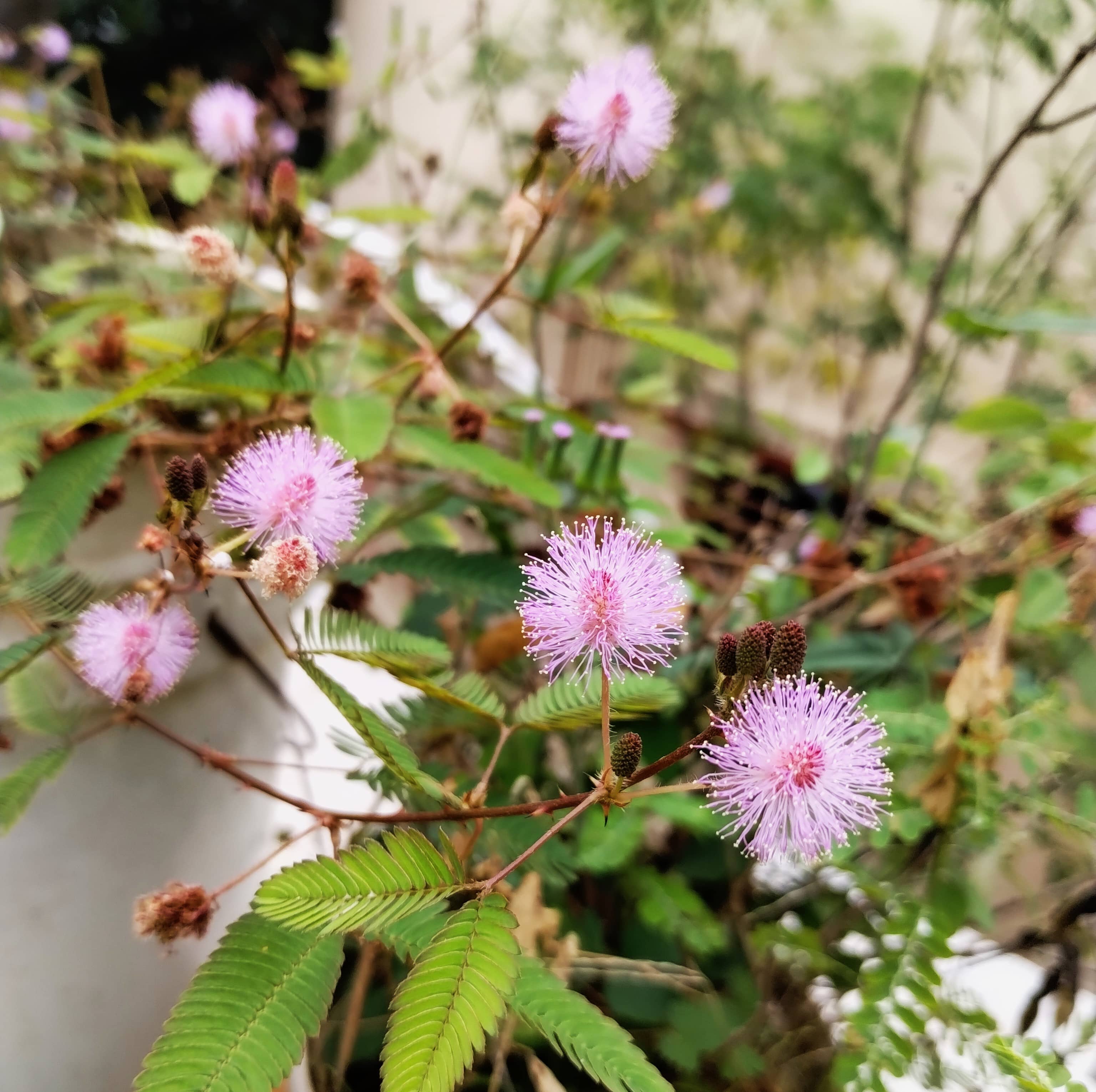
Touch Me Not
Mimosa pudica
Fascinating plant famous for its rapid leaf-folding response when touched, shake...
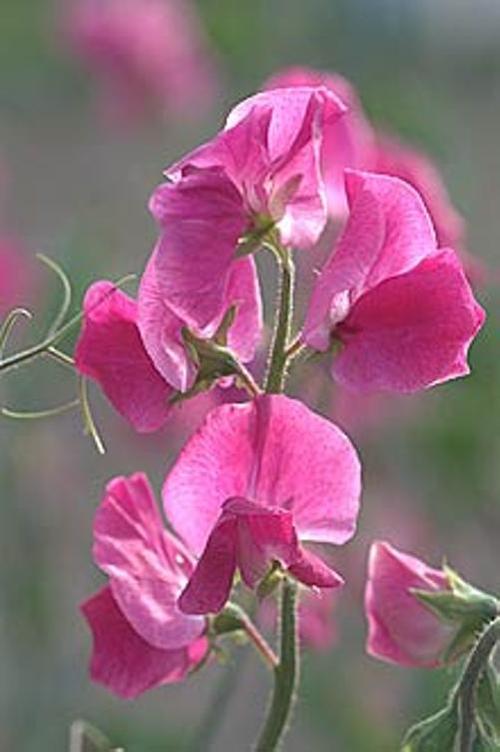
Sweet Pea
Lathyrus odoratus
Beloved fragrant annual vine with butterfly-shaped flowers in rainbow of pastel ...
Similar Characteristics
4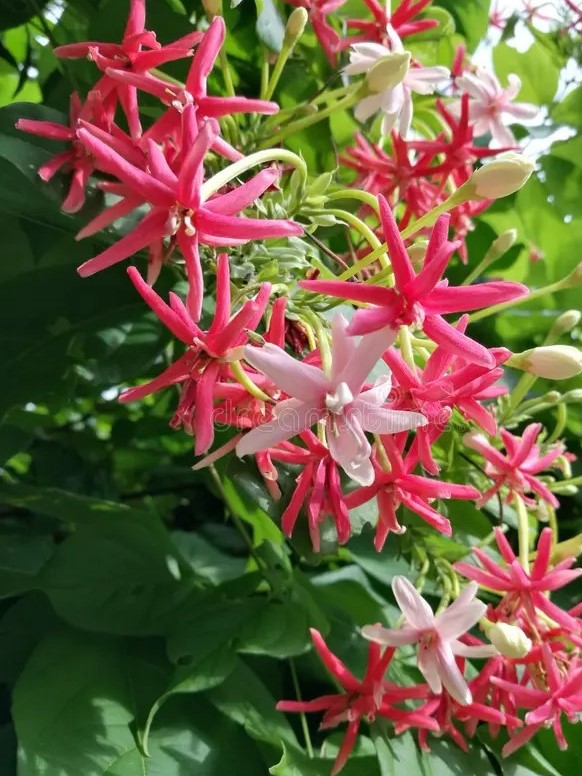
Rangoon creeper
Combretum indicum
Enchanting tropical climbing vine celebrated for its remarkable color-changing f...
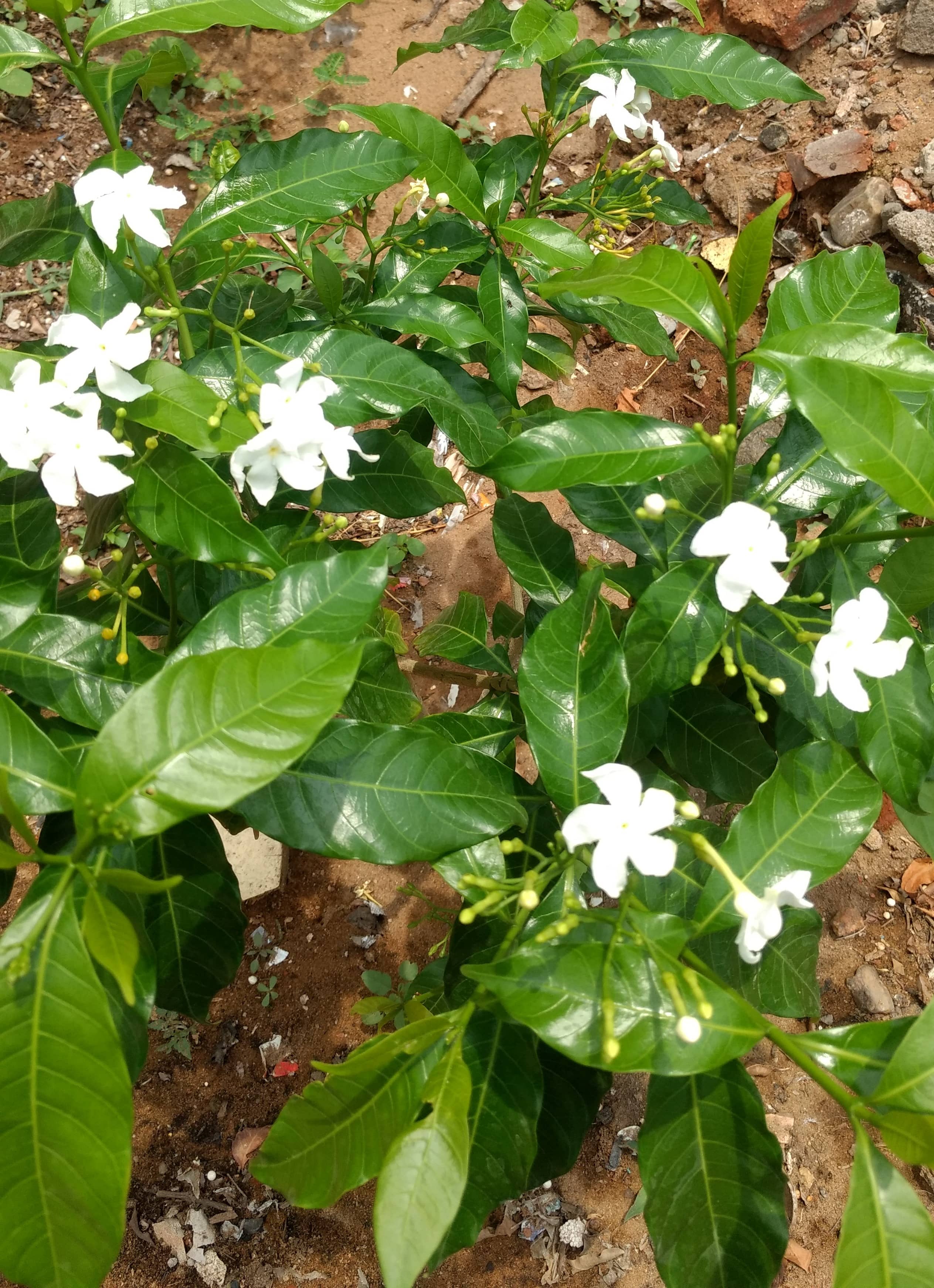
Pinwheel
Tabernaemontana divaricata
Elegant evergreen shrub with distinctive white flowers featuring five waxy petal...
Touch Me Not
Mimosa pudica
Fascinating plant famous for its rapid leaf-folding response when touched, shake...
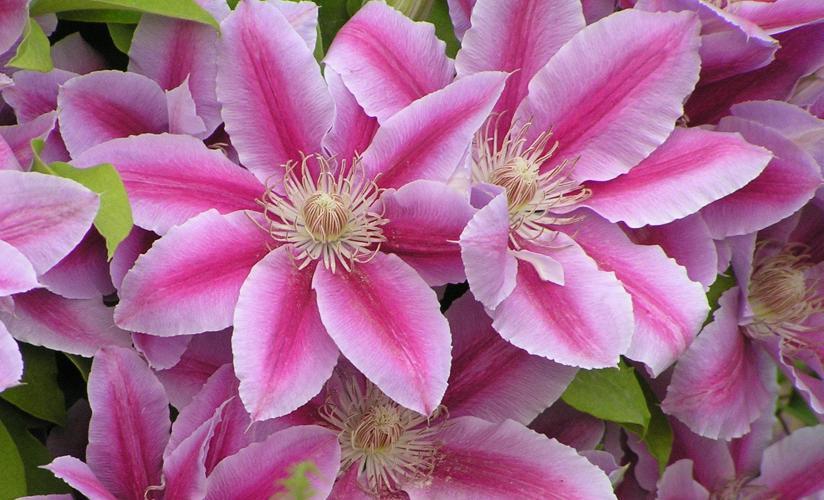
Clematis
Clematis
Spectacular flowering vine featuring large, showy blooms in star or bell shapes ...