
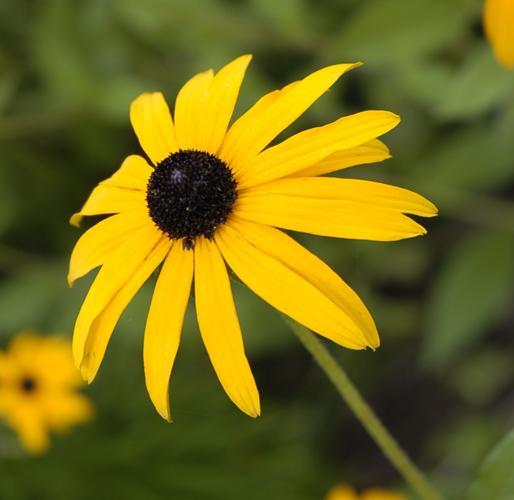
Black eyed Susan
Rudbeckia hirta
Basic Details
Floral Formula & Features
Ray florets - Bract Present, female flower, Bilaterally symmetrical, 0 Pappus (customized sepals), Numerous Petals, no stamens, 1 carpel with inferior ovary. Disk Florets - Bract present, Radially symmetrical, bisexual, 5 fused petals, 5 free stamens, 1 carpel with inferior ovary
- Name 'Black-eyed Susan' refers to the dark chocolate-brown central cone resembling a black eye. 'Rudbeckia' honors Swedish botanists Olof Rudbeck father and son. 'Hirta' means hairy, describing the rough, bristly texture of stems and leaves
- Composite flower head (capitulum) 2-3 inches (5-7 cm) across with 8-21 golden-yellow ray florets surrounding a raised, dome-shaped center of dark brown disc florets. Flowers held on sturdy, hairy stems above foliage
- Short-lived perennial or biennial, often behaving as annual. Blooms from June through October with peak flowering in mid to late summer. Self-seeds readily, naturalizing in meadows and roadsides. Maryland's state flower
- Grows 1-3 feet (30-90 cm) tall with 12-18 inch (30-45 cm) spread. Lifespan of 1-3 years but perpetuates through self-seeding. Propagated easily from seed (germinates in 7-14 days) or division
- Native to eastern and central North America from Nova Scotia to Colorado, south to Florida and Texas. Found in prairies, meadows, open woodlands, and disturbed sites. Now naturalized across much of North America
- Thrives in full sun with at least 6 hours of direct sunlight. Adaptable to various soil types including poor, dry soils. Drought tolerant once established but performs best with moderate moisture. Heat and humidity tolerant
- Excellent cut flower lasting 7-10 days in vase. Attracts bees, butterflies, and other pollinators. Seeds provide food for goldfinches, chickadees, and other songbirds in fall and winter. Deer and rabbit resistant. Used in prairie restoration and wildflower meadows
Names in Different Languages
What is Floral Formula?
A floral formula is a symbolic representation of a flower's structure using letters, numbers, and special symbols. It provides a concise way to describe the arrangement and number of floral parts.
This formula describes the flower's symmetry, sepals, petals, stamens, and carpels in a standardized format.
Formula Sequence
- Bract: Br or Ebr
- Bracteole: Brl or Ebrl
- Symmetry: % (Radial) or ⊕ (Bilateral)
- Sex: ♀ (Female), ♂ (Male), or ⚥ (Bisexual)
- Calyx/Sepal: K<number> (Free or Fused)
- Corolla/Petal: C<number> (Free or Fused)
- Androecium: A<number> (Free or Fused)
- Gynaecium: G<number> (Superior or Inferior Ovary)
Symbol Meanings
- Numbers: Indicate quantity of parts
- Parentheses (): Parts are fused together
- Plus (+): Parts in different whorls
- Underline: Superior ovary position
- Overline: Inferior ovary position
- ∞: Numerous parts (too many to count)
Understanding floral formulas helps botanists quickly identify and classify flowers based on their structural characteristics.
Similar Flowers
Discover flowers that share botanical characteristics
Same Family
4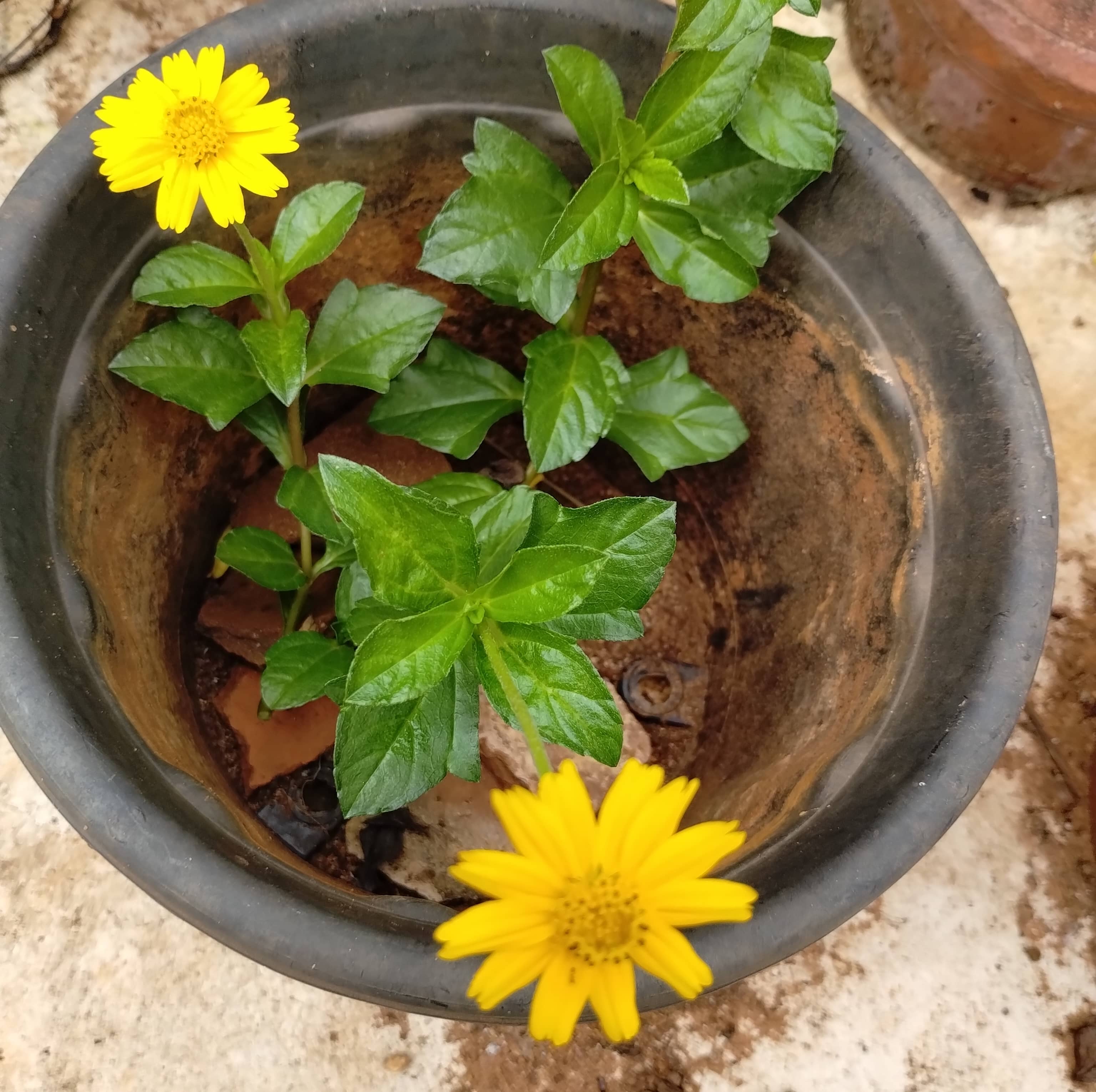
Wedelia Trilobata
Sphagneticola trilobata
Highly invasive mat-forming perennial groundcover with bright yellow daisy-like ...
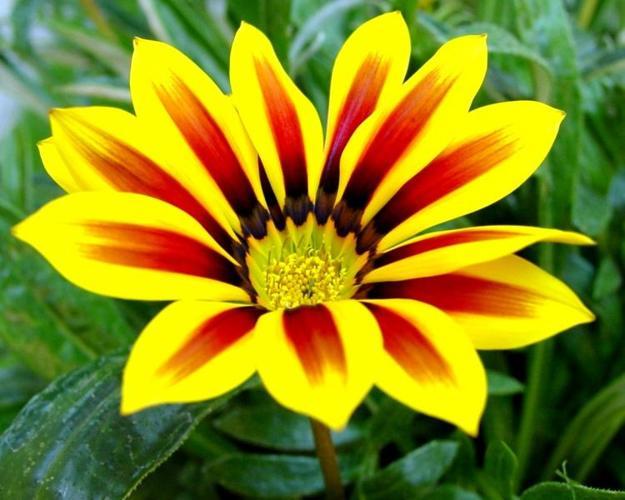
Gazania
Gazania rigens
Vibrant, daisy-like blooms known for their bright colors and ability to thrive i...
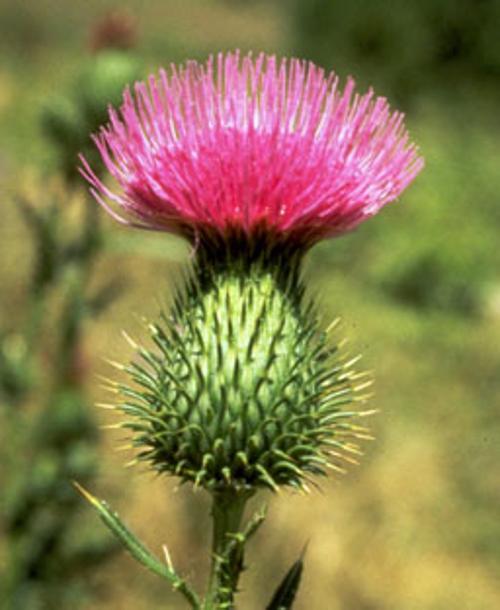
Spear Thistle (Bull Thistle)
Cirsium vulgare
Tall biennial with distinctive purple pom-pom flowers surrounded by spiny bracts...
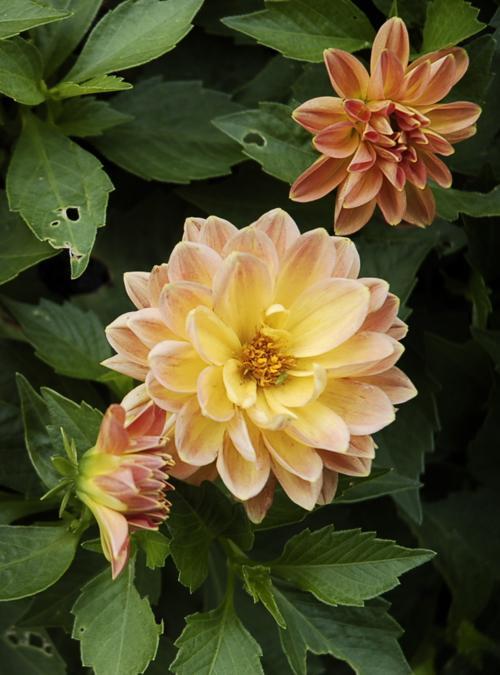
Pink Dahlia
Dahlia
Stunning tuberous perennial with layered pink blooms ranging from soft blush to ...
Similar Characteristics
4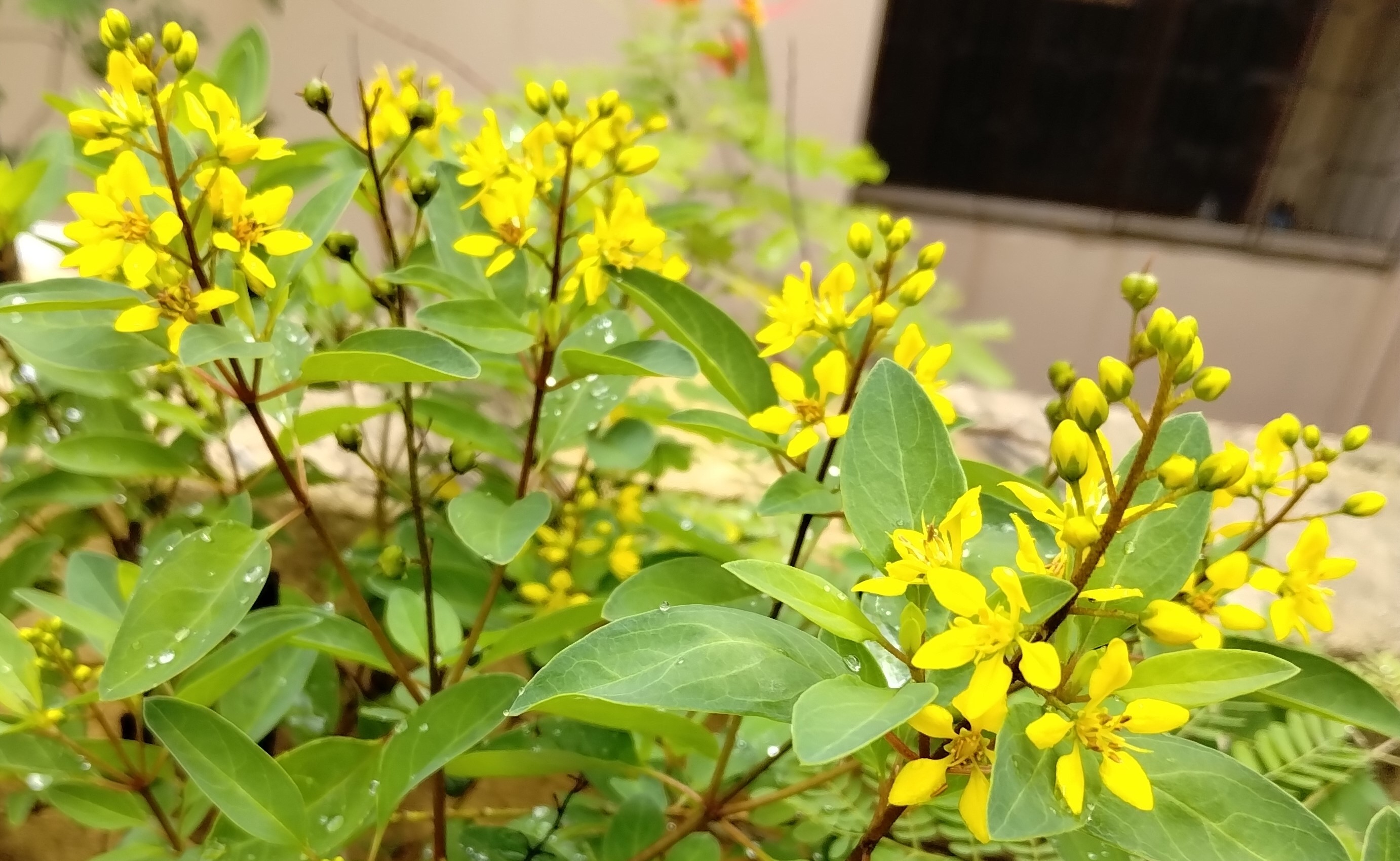
Golden Thryallis
Galphimia gracilis
Delightful evergreen shrub featuring abundant sprays of small, bright golden-yel...
Wild Pansy
Viola Tricolor
Charming European wildflower treasured for its distinctive tricolor blooms combi...
Wedelia Trilobata
Sphagneticola trilobata
Highly invasive mat-forming perennial groundcover with bright yellow daisy-like ...
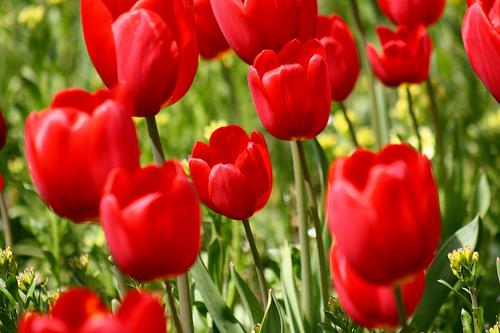
Tulip
Tulipa
Iconic spring-blooming bulb celebrated for its elegant cup-shaped flowers in nea...