
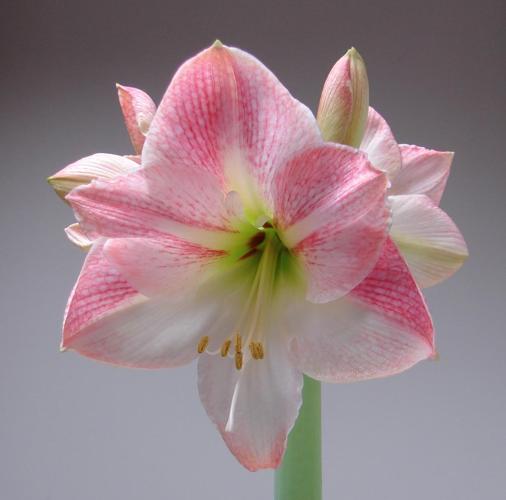
Amaryllis
Hippeastrum
Basic Details
Floral Formula & Features
Bract present at base of flower cluster, radially symmetrical, bisexual, perianth of 6 tepals in 2 whorls of 3 (appearing as petals), 6 stamens in 2 whorls of 3, 3 fused carpels forming inferior ovary
- Name 'Amaryllis' comes from Greek mythology - a shepherdess named Amaryllis who symbolized pride and determination. However, most plants sold as amaryllis belong to genus Hippeastrum (meaning knight's star), while true Amaryllis belladonna is a different South African species
- Massive trumpet or funnel-shaped flowers with 6 broad petals arranged in a star pattern. Each hollow flower stalk (scape) produces 2-6 blooms that open sequentially, with some varieties producing multiple stalks per bulb
- Bulbous perennial that stores energy in large, onion-like bulbs. Can be forced to bloom indoors in winter or grown outdoors in frost-free climates. Bulbs can live and rebloom for decades with proper care
- Flower stalks grow 1-3 feet (30-90 cm) tall, with individual blooms 6-10 inches across. Bulbs range from 2-5 inches in diameter. Can live 50+ years, reblooming annually with proper dormancy period
- Hippeastrum species native to Central and South America, particularly Peru, Brazil, and Caribbean islands. True Amaryllis belladonna originates from South Africa's Cape region
- Prefers bright indirect light when blooming indoors, or partial shade outdoors. Requires well-draining soil and moderate water during growth, with dry dormancy period after flowering. Tolerates 4-6 hours of direct sun
- Bulbs contain toxic alkaloids harmful to pets and humans if ingested. Excellent cut flowers lasting 7-10 days. Can be forced to bloom for specific holidays by controlling planting time and temperature
Names in Different Languages
What is Floral Formula?
A floral formula is a symbolic representation of a flower's structure using letters, numbers, and special symbols. It provides a concise way to describe the arrangement and number of floral parts.
This formula describes the flower's symmetry, sepals, petals, stamens, and carpels in a standardized format.
Formula Sequence
- Bract: Br or Ebr
- Bracteole: Brl or Ebrl
- Symmetry: % (Radial) or ⊕ (Bilateral)
- Sex: ♀ (Female), ♂ (Male), or ⚥ (Bisexual)
- Calyx/Sepal: K<number> (Free or Fused)
- Corolla/Petal: C<number> (Free or Fused)
- Androecium: A<number> (Free or Fused)
- Gynaecium: G<number> (Superior or Inferior Ovary)
Symbol Meanings
- Numbers: Indicate quantity of parts
- Parentheses (): Parts are fused together
- Plus (+): Parts in different whorls
- Underline: Superior ovary position
- Overline: Inferior ovary position
- ∞: Numerous parts (too many to count)
Understanding floral formulas helps botanists quickly identify and classify flowers based on their structural characteristics.
Similar Flowers
Discover flowers that share botanical characteristics
Same Family
3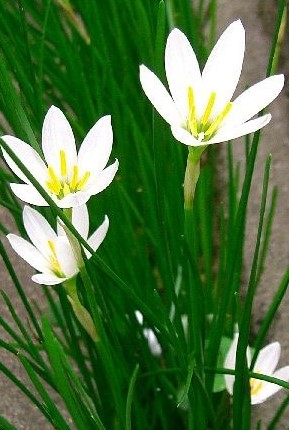
Zephyr Lily
Zephyranthes
They belong to Amaryllis family. All plants from this family grow from bulbs, ha...
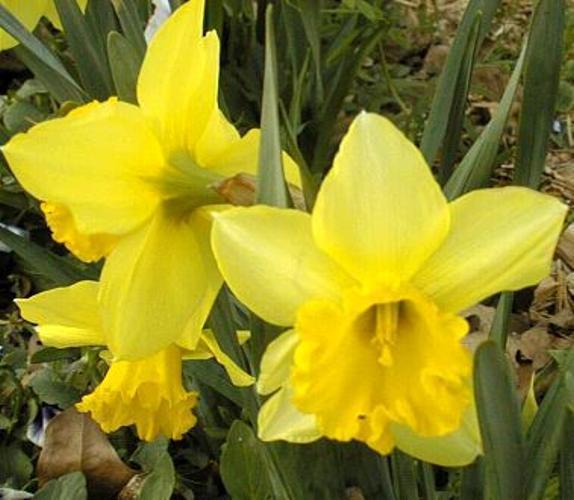
Daffodil
Narcissus pseudonarcissus
Beloved spring bulb featuring cheerful blooms with six petal-like tepals surroun...
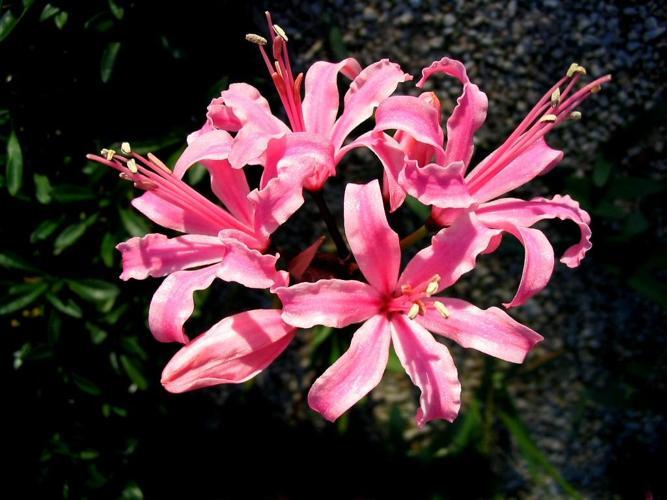
Cape Flower
Lycoris radiata
Dramatic fall-blooming bulb featuring striking spider-like flowers with vivid re...
Similar Characteristics
4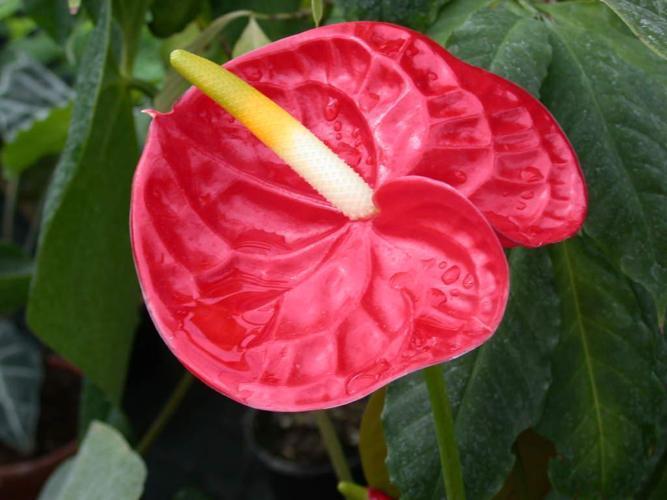
Anthurium
Anthurium andraeanum
Exotic tropical plant featuring a distinctive heart-shaped, glossy spathe (modif...
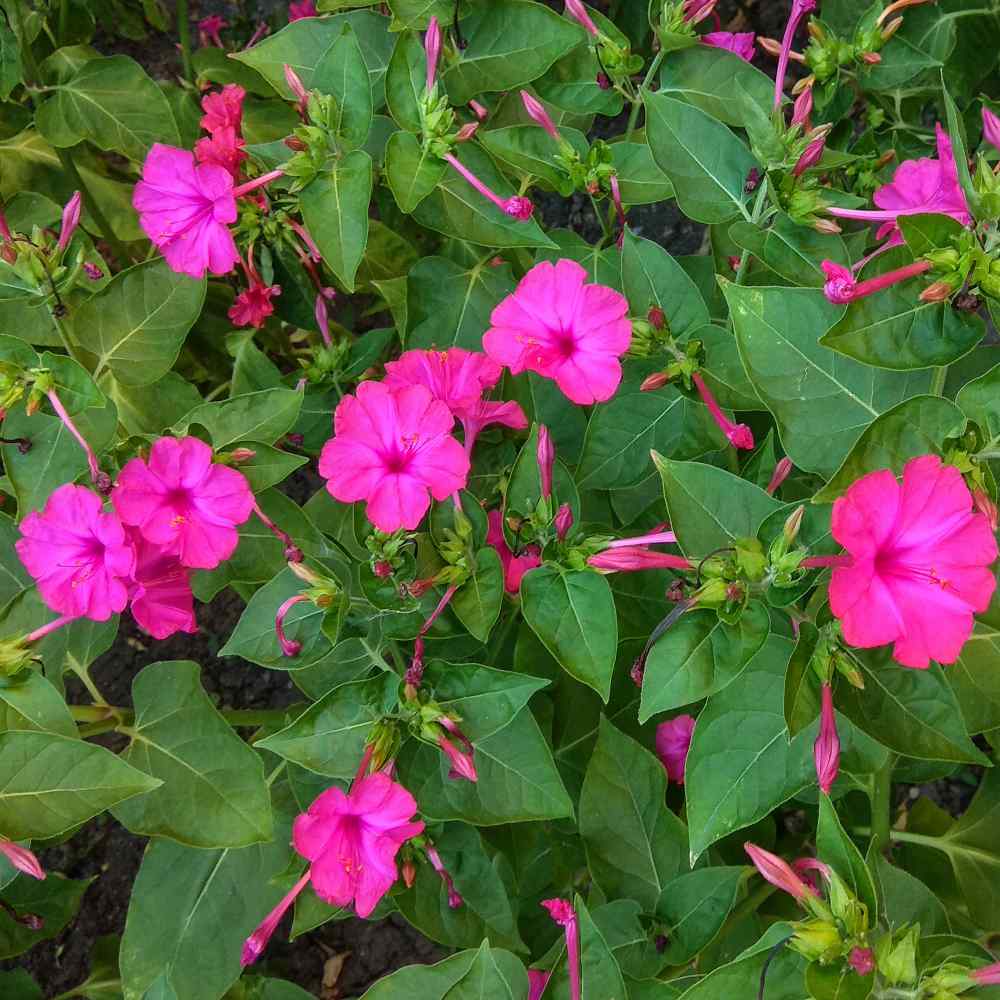
Four o'clock
Mirabilis jalapa
Charming bushy perennial named for flowers that open in late afternoon (typicall...
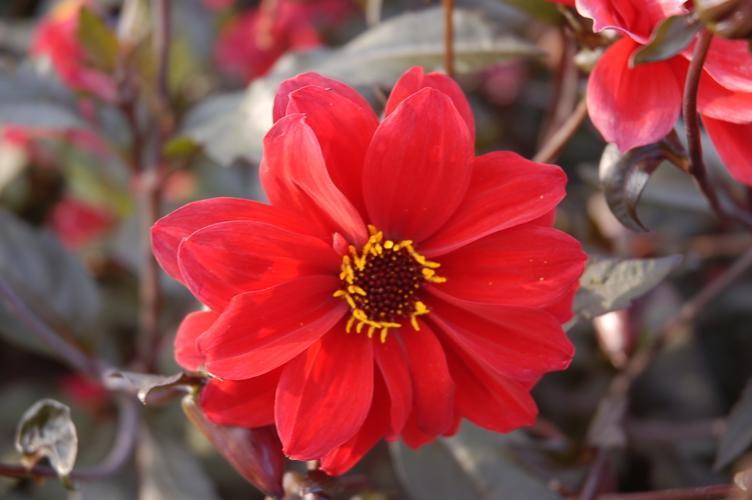
Dahlia
Dahlia
Spectacular tuberous perennial renowned for extraordinarily diverse flower forms...
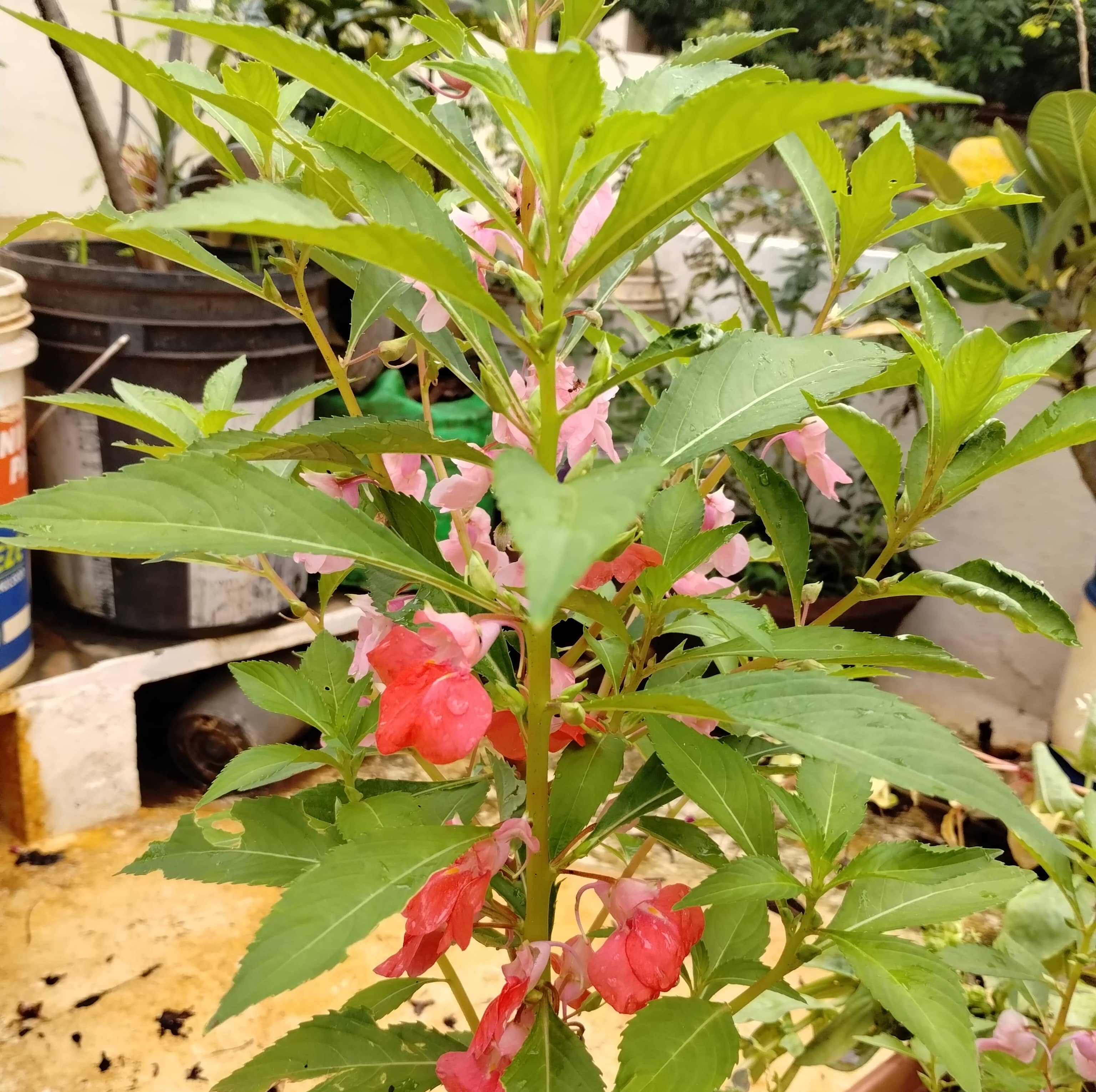
Balsam
Impatiens balsamina
Old-fashioned annual featuring camellia-like double flowers nestled close to the...