
Wood Poppy
Stylophorum diphyllum
Wood Poppy (Stylophorum diphyllum), also known as the Celandine Poppy, is moderately toxic to dogs and cats.
Scan & Verify This Plant Specimen
Snap or upload a photo to verify botanical authenticity and test toxicity for cats, dogs, and birds.
Drop Wood Poppy photo here to verify
or click to browse • Supports JPG, PNG, WEBP • Paste with Ctrl+V
Symptoms to Watch For
Current risk level for cats based on ingestion severity.
Information provided by BioLens Veterinary Database. In case of emergency, always consult a professional.
If your pet ate this plant:
Professional First Aid Summary:
Rinse mouth with fresh water. Monitor for persistent vomiting and contact a vet if symptoms worsen.
In-Depth Botanical Safety Analysis
Scientific evaluation and toxicological breakdown of Wood Poppy
Wood Poppy (Stylophorum diphyllum), also known as the Celandine Poppy, is moderately toxic to dogs and cats. It contains isoquinoline alkaloids, and its yellow sap can act as an irritant. Ingestion of the foliage, stems, or flowers can cause salivation, mild to moderate vomiting, diarrhea, lethargy, and localized skin or oral irritation. While generally not fatal, pets should be kept away from this plant.
Toxic Parts
Recommended Pet-Safe Alternatives
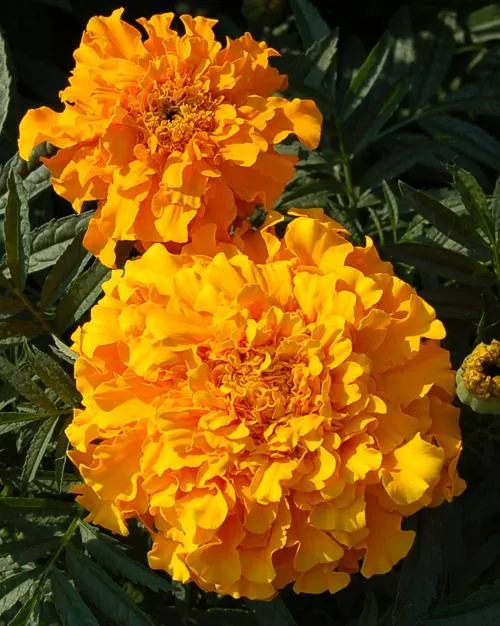 Pet Safe
Global Names & Multilingual Search
Specific Safety FAQs for Wood Poppy
Is Wood Poppy poisonous to pets?
Yes, it contains isoquinoline alkaloids and an irritating yellow sap that cause digestive upset.
What is the difference between Wood Poppy and Celandine?
While closely related and both containing toxic yellow sap, they are different species, but both pose similar pet safety risks.
20 Dangerous Garden Plants: Cat Toxicity & Safety Guide
Felines are highly sensitive to houseplants and flowers. Learn which 20 common species cause severe or fatal reactions in cats, including lilies, and discover safe, cat-friendly garden alternatives.