
Chrysanthemum
Chrysanthemum spp.
Chrysanthemum (Chrysanthemum spp.), commonly known as Mums, are incredibly popular, autumn-blooming herbaceous perennials in the daisy family (Asterac...
Scan & Verify This Plant Specimen
Snap or upload a photo to verify botanical authenticity and test toxicity for cats, dogs, and birds.
Drop Chrysanthemum photo here to verify
or click to browse • Supports JPG, PNG, WEBP • Paste with Ctrl+V
Symptoms to Watch For
Current risk level for cats based on ingestion severity.
Information provided by BioLens Veterinary Database. In case of emergency, always consult a professional.
If your pet ate this plant:
Professional First Aid Summary:
Rinse your cat's mouth with water. Monitor for vomiting, diarrhea, or wobbly movements. The symptoms are typically self-limiting, but contact a veterinarian if gastrointestinal upset or lethargy persists beyond 24 hours.
In-Depth Botanical Safety Analysis
Scientific evaluation and toxicological breakdown of Chrysanthemum
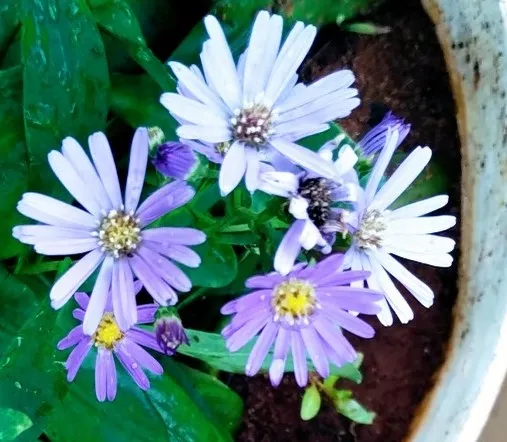
Chrysanthemum (Chrysanthemum spp.), commonly known as Mums, are incredibly popular, autumn-blooming herbaceous perennials in the daisy family (Asteraceae) that are mildly to moderately toxic to both dogs and cats. While celebrated for their spectacular, dome-shaped clusters of vibrant autumn blooms, Chrysanthemums contain several natural defense chemicals, including pyrethrins, sesquiterpene lactones, and triterpenoids. These compounds act as local irritants and mild systemic toxins. Ingestion of the leaves or flowers by curious pets can trigger clinical signs such as excessive drooling, vomiting, diarrhea, lethargy, and temporary incoordination (loss of balance). Furthermore, physical contact with the plant's sap can cause allergic contact dermatitis, leading to red, itchy skin rashes on the pet's muzzle or paws. Fortunately, symptoms are usually mild and self-limiting. For a pet-safe autumn garden, substitute Chrysanthemums with gorgeous non-toxic alternatives like Aster or Sweet Alyssum. To explore their composite flower heads and natural pest-repellent qualities, view our detailed Botanical Profile for Chrysanthemum.
Toxic Parts
Recommended Pet-Safe Alternatives
Global Names & Multilingual Search
Specific Safety FAQs for Chrysanthemum
Is Chrysanthemum toxic to cats?
Yes, Chrysanthemums are toxic to cats. Ingestion of the flowers or leaves triggers excessive drooling, vomiting, diarrhea, depression, and temporary loss of coordination (incoordination).
Is Chrysanthemum toxic to dogs?
Yes, Chrysanthemums are toxic to dogs. They can cause vomiting, diarrhea, drooling, listlessness, and allergic contact dermatitis (skin rashes) from touching the plant's sap.
What active toxins are found in Chrysanthemums?
Chrysanthemums contain pyrethrins (which are natural insecticidal compounds), sesquiterpene lactones, and triterpenoids. These chemical compounds cause mucosal irritation and gastrointestinal upset in animals.
What should I do if my pet touches or eats a Chrysanthemum?
Rinse their mouth with fresh water to remove any lingering toxins. If their skin was exposed to the crushed plant or sap, bathe them with a mild, pet-safe shampoo to avoid contact dermatitis. Monitor for clinical symptoms and contact your veterinarian if they persist.
20 Dangerous Garden Plants: Cat Toxicity & Safety Guide
Felines are highly sensitive to houseplants and flowers. Learn which 20 common species cause severe or fatal reactions in cats, including lilies, and discover safe, cat-friendly garden alternatives.