
Is Dahlia Safe for Dogs and Cats?
Dahlia spp.
Dahlias (Dahlia spp.) are incredibly popular garden tuberous plants cherished for their large, symmetrical, double-blooming flowers.
Scan & Verify This Plant Specimen
Snap or upload a photo to verify botanical authenticity and test toxicity for cats, dogs, and birds.
Drop Dahlia photo here to verify
or click to browse • Supports JPG, PNG, WEBP • Paste with Ctrl+V
Symptoms to Watch For
Current risk level for cats based on ingestion severity.
Information provided by BioLens Veterinary Database. In case of emergency, always consult a professional.
If your pet ate this plant:
Professional First Aid Summary:
Phototoxic compounds. Wash skin if contact occurred. Monitor for mild vomiting. Seek vet care if skin rash is severe.
In-Depth Botanical Safety Analysis
Scientific evaluation and toxicological breakdown of Dahlia
Dahlias (Dahlia spp.) are incredibly popular garden tuberous plants cherished for their large, symmetrical, double-blooming flowers. However, they are mildly toxic to cats and dogs. According to veterinary toxicologists at the ASPCA and the AVMA, Pelargonium species contain phototoxic polyacetylene compounds. These chemical compounds cause localized skin irritation (contact dermatitis) and mild digestive upset. If a pet chews on the leaves, sap, or dug-up tubers, they can suffer from mild vomiting, diarrhea, loss of appetite, and skin rashes. The skin irritation can be worsened when the pet is exposed to sunlight. To explore its botanical features, see our Botanical Profile for Dahlia. Safe alternative bedding flowers include Marigolds or Snapdragons.
Toxic Parts
Recommended Pet-Safe Alternatives
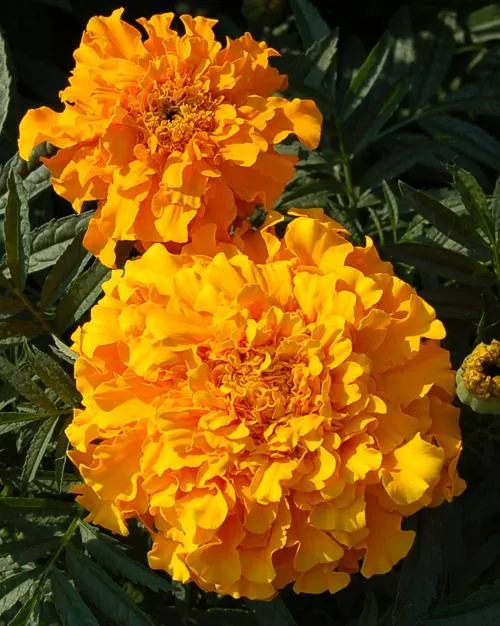 Pet Safe
Global Names & Multilingual Search
Specific Safety FAQs for Dahlia
Is Dahlia toxic to cats?
Yes, Dahlias are mildly toxic to cats. Ingestion of the leaves or contact with the sap causes vomiting and skin irritation.
Is Dahlia toxic to dogs?
Dahlias are mildly toxic to dogs. Chewing on the tubers or leaves can trigger mild gastrointestinal upset and rashes.
What makes Dahlias toxic to pets?
They contain phototoxic polyacetylene compounds that cause skin irritation when exposed to sunlight, along with mild stomach upset.
What is a safe alternative to Dahlia?
Marigolds, Zinnias, and Snapdragons are excellent, colorful summer flowering plants that are completely pet-safe.
20 Dangerous Garden Plants: Cat Toxicity & Safety Guide
Felines are highly sensitive to houseplants and flowers. Learn which 20 common species cause severe or fatal reactions in cats, including lilies, and discover safe, cat-friendly garden alternatives.