
Caladium
Caladium spp.
Caladium (Caladium spp.), popularly known as Elephant Ear or Angel Wings, is a genus of stunning tuberous plants in the arum family (Araceae) that is ...
Scan & Verify This Plant Specimen
Snap or upload a photo to verify botanical authenticity and test toxicity for cats, dogs, and birds.
Drop Caladium photo here to verify
or click to browse • Supports JPG, PNG, WEBP • Paste with Ctrl+V
Symptoms to Watch For
Current risk level for cats based on ingestion severity.
Information provided by BioLens Veterinary Database. In case of emergency, always consult a professional.
If your pet ate this plant:
Professional First Aid Summary:
High toxicity! Act immediately. Flush your cat's mouth with cold water or a small amount of milk to bind free crystals. Monitor closely for laboured breathing or throat swelling, and transport them to an emergency veterinary clinic immediately.
In-Depth Botanical Safety Analysis
Scientific evaluation and toxicological breakdown of Caladium
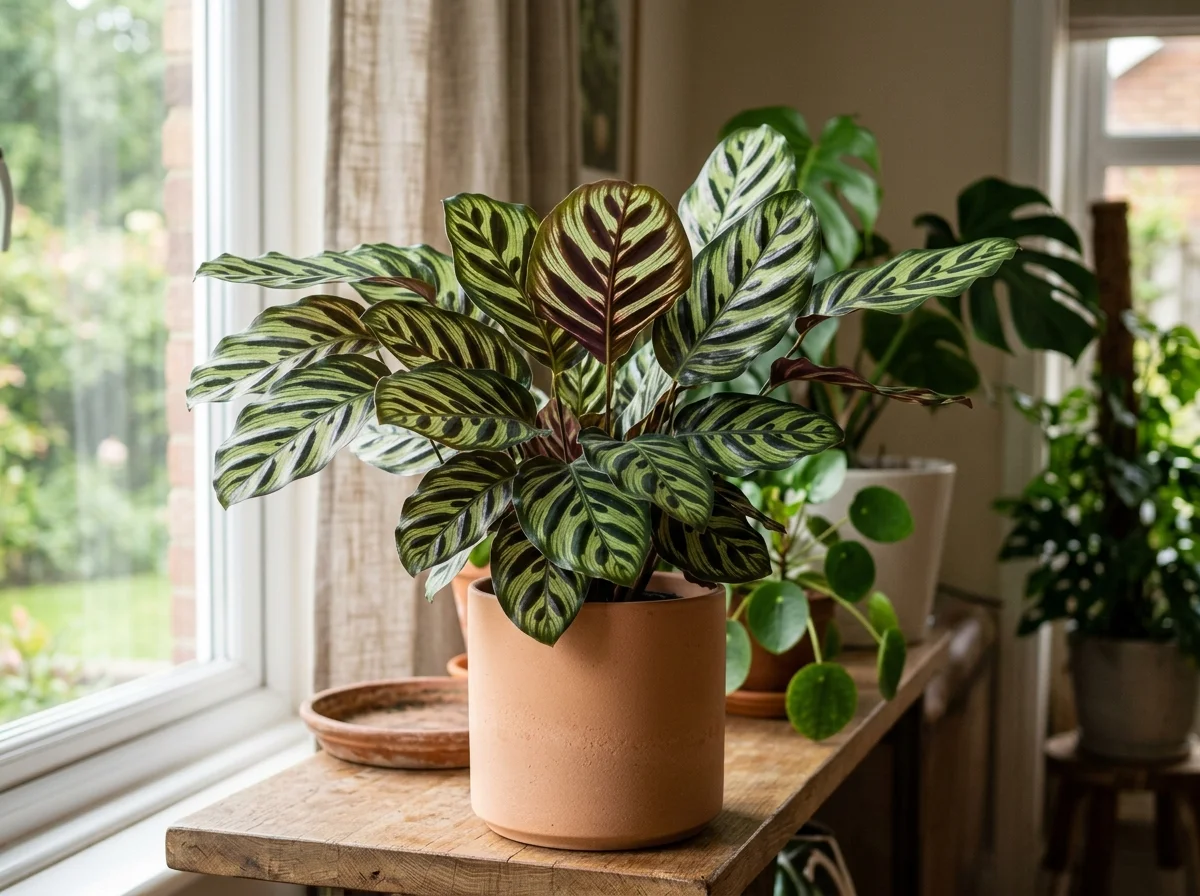
Caladium (Caladium spp.), popularly known as Elephant Ear or Angel Wings, is a genus of stunning tuberous plants in the arum family (Araceae) that is highly toxic and chemically hazardous to dogs and cats. Revered for their spectacular, heart-shaped leaves patterned in translucent pinks, whites, and greens, Caladiums contain high levels of insoluble calcium oxalate crystals and toxic proteins. Chewing or biting any part of the plant forcefully expels these needle-like micro-crystals (raphides) into the oral cavity. This results in immediate, agonizing oral burning, intense swelling of the tongue, lips, and throat, profuse drooling (hypersalivation), severe gagging, and vomiting. In severe cases, throat swelling can lead to airway obstruction and severe breathing distress. Immediate emergency first aid includes rinsing the mouth and offering milk or water to soothe the tissues. For a stunning, completely pet-safe tropical display, substitute Caladium with the beautifully patterned Calathea or the flowering Sweet Alyssum.
To explore more information on pet safety and garden safety, browse our profiles on ZZ Plant, Wisteria, and Great Blue Lobelia.
Toxic Parts
Recommended Pet-Safe Alternatives
Global Names & Multilingual Search
Specific Safety FAQs for Caladium
Is Caladium toxic to cats?
Yes, Caladium is highly toxic to cats. Chewing on its striking leaves releases sharp, microscopic calcium oxalate crystals, triggering intense oral irritation, throat swelling, and swallowing difficulties.
Is Caladium toxic to dogs?
Yes, Caladium is highly toxic to dogs. Ingesting any portion causes immediate mouth burning, heavy salivation (drooling), continuous head shaking, vomiting, and potential respiratory distress from throat swelling.
Why is Caladium so painful if chewed by pets?
Caladium leaves and stems contain insoluble calcium oxalate crystals packaged in specialized cells. When chewed, these cells act like tiny cannons, forcing needle-like crystals deep into the gums, tongue, and throat, causing immediate physical pain.
What is the emergency protocol for Caladium ingestion?
Immediately rinse the mouth with cold water or offer a small cup of milk or yogurt to soothe the oral membranes and bind free crystals. Watch for signs of respiratory swelling or difficulty breathing, and head to a veterinary clinic immediately if distress occurs.
20 Dangerous Garden Plants: Cat Toxicity & Safety Guide
Felines are highly sensitive to houseplants and flowers. Learn which 20 common species cause severe or fatal reactions in cats, including lilies, and discover safe, cat-friendly garden alternatives.