
Is Peace Lily Safe for Dogs and Cats?
Spathiphyllum spp.
Peace Lilies (Spathiphyllum spp.) are moderately toxic to cats and dogs.
Scan & Verify This Plant Specimen
Snap or upload a photo to verify botanical authenticity and test toxicity for cats, dogs, and birds.
Drop Peace Lily photo here to verify
or click to browse • Supports JPG, PNG, WEBP • Paste with Ctrl+V
Symptoms to Watch For
Current risk level for cats based on ingestion severity.
Information provided by BioLens Veterinary Database. In case of emergency, always consult a professional.
If your pet ate this plant:
Professional First Aid Summary:
Calcium oxalate crystals cause immediate mechanical injury to the mouth. Offer tuna juice, water, or milk to flush crystals. Consult a vet if pawing at mouth or throat swelling persists.
In-Depth Botanical Safety Analysis
Scientific evaluation and toxicological breakdown of Peace Lily
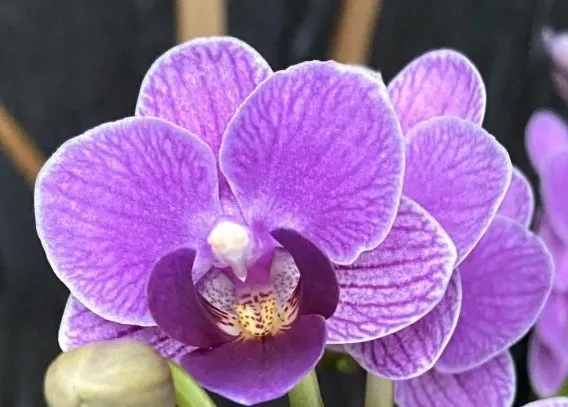
Peace Lilies (Spathiphyllum spp.) are moderately toxic to cats and dogs. It is important to note that the Peace Lily is not a 'true' lily (family Liliaceae) and does not cause the fatal kidney failure associated with Lilium species. Instead, the toxicity of Peace Lilies arises from the presence of insoluble calcium oxalate crystals, a characteristic shared with plants in the Araceae family. According to ASPCA toxicology data, when a pet bites into the leaves or stems, these needle-like crystals (raphides) are shot into the sensitive tissues of the mouth, tongue, and throat. This causes immediate, intense burning, oral irritation, swelling of the lips and tongue, excessive drooling, difficulty swallowing, and vomiting. While the pain usually stops pets from eating more, severe swelling can occasionally restrict breathing. If your pet has chewed a Peace Lily, wash their mouth with water or milk to help bind the crystals. Safe alternatives with similar lush white blooms include the Orchid or the non-toxic Marigold. Peace Lilies are very common in homes due to their elegant dark foliage and white sail-like flowers, but they must be positioned carefully in pet-owning households. The calcium oxalate crystals are sharp and cause immediate physical damage to the mucous membranes of the mouth upon contact. If a pet consumes a larger amount, the resulting swelling of the upper airway can become a serious medical concern. Veterinary support is focused on pain management, keeping the airway clear, and offering cold liquids to reduce oral swelling. To maintain a safe home environment, place peace lilies on high shelves or choose a pet-safe white flower like the Moth Orchid. For more information on outdoor garden hazards, see our profile on the toxic Great Blue Lobelia.
Toxic Parts
Recommended Pet-Safe Alternatives
Global Names & Multilingual Search
Specific Safety FAQs for Peace Lily
Is Peace Lily toxic to cats?
Yes, Peace Lilies are moderately toxic to cats. They cause painful mouth irritation and drooling, but they do not cause kidney failure.
Is Peace Lily toxic to dogs?
Yes, Peace Lilies are moderately toxic to dogs. Ingestion triggers immediate oral burning, swelling, and difficulty swallowing.
Do Peace Lilies cause kidney failure like true lilies?
No. Peace Lilies belong to a different family and contain calcium oxalates, not the lethal renal toxins found in true Lilium species.
What is the first aid for Peace Lily ingestion?
Rinse the pet's mouth with cool water or offer small amounts of milk or yogurt to help dissolve and wash away the painful oxalate crystals.
What is a safe white flower alternative?
Moth Orchids (Phalaenopsis) are beautiful, non-toxic plants that produce stunning white blossoms safe for cats and dogs.
20 Dangerous Garden Plants: Cat Toxicity & Safety Guide
Felines are highly sensitive to houseplants and flowers. Learn which 20 common species cause severe or fatal reactions in cats, including lilies, and discover safe, cat-friendly garden alternatives.