
Is Begonia Safe for Dogs and Cats?
Begonia spp.
Begonias (Begonia spp.) are widely cultivated annual or perennial flowers prized for their colorful blossoms and patterned leaves.
Scan & Verify This Plant Specimen
Snap or upload a photo to verify botanical authenticity and test toxicity for cats, dogs, and birds.
Drop Begonia photo here to verify
or click to browse • Supports JPG, PNG, WEBP • Paste with Ctrl+V
Symptoms to Watch For
Current risk level for cats based on ingestion severity.
Information provided by BioLens Veterinary Database. In case of emergency, always consult a professional.
If your pet ate this plant:
Professional First Aid Summary:
Soluble oxalates. Rinse mouth and give small amounts of water. Seek vet advice if vomiting is persistent or mouth swelling is severe.
In-Depth Botanical Safety Analysis
Scientific evaluation and toxicological breakdown of Begonia
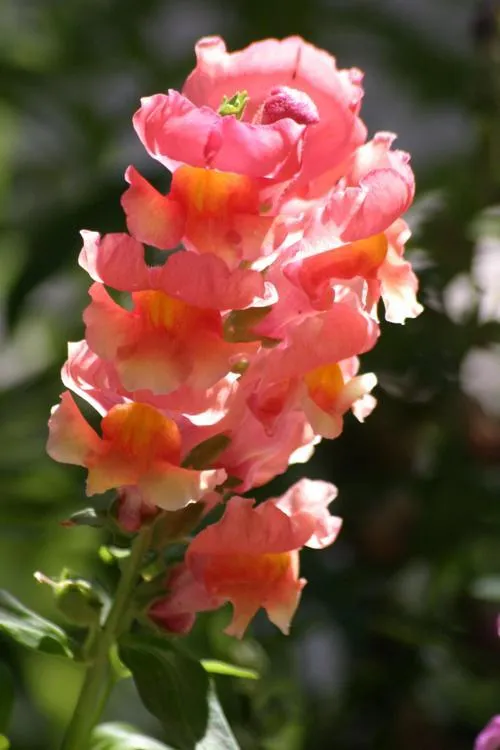
Begonias (Begonia spp.) are widely cultivated annual or perennial flowers prized for their colorful blossoms and patterned leaves. However, they are moderately toxic to both cats and dogs. According to the ASPCA Poison Control database, Begonias contain soluble calcium oxalates. Unlike the insoluble crystals in pothos, soluble oxalates can be absorbed into the bloodstream, potentially leading to kidney damage in large doses. The underground tubers and roots contain the highest concentration of these toxic crystals. Chewing on the foliage triggers immediate oral burning, mouth swelling, excessive drooling, difficulty swallowing, and vomiting. If a pet digs up and eats the tubers, they face a higher risk of systemic poisoning. To explore its botanical classification, see our Botanical Profile for Begonia. Safe garden alternatives include Snapdragon or African Violet.
Toxic Parts
Recommended Pet-Safe Alternatives

Global Names & Multilingual Search
Specific Safety FAQs for Begonia
Is Begonia toxic to cats?
Yes, Begonias are moderately toxic to cats. They cause oral burning, drooling, and vomiting.
Is Begonia toxic to dogs?
Yes, Begonias are moderately toxic to dogs. The soluble calcium oxalate crystals irritate the mouth and throat.
Which part of the Begonia is most toxic?
The underground tubers and roots contain the highest concentration of toxic calcium oxalate crystals.
What is a safe alternative to Begonia?
African Violets or Snapdragons are excellent, colorful flowering plants that are completely pet-safe.
20 Dangerous Garden Plants: Cat Toxicity & Safety Guide
Felines are highly sensitive to houseplants and flowers. Learn which 20 common species cause severe or fatal reactions in cats, including lilies, and discover safe, cat-friendly garden alternatives.