
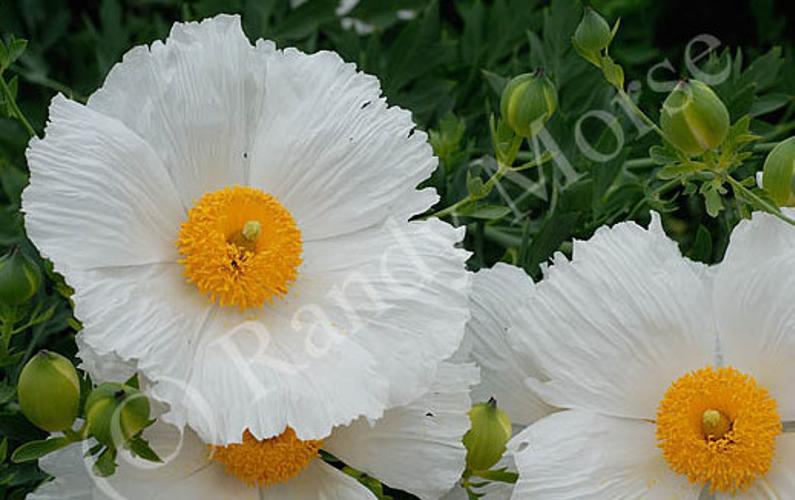
Tree Poppy
Dendromecon
Basic Details
Floral Formula & Features
Ebracteate (no bracts), Actinomorphic (radially symmetrical), bisexual, 2 free sepals that fall early, 4 free petals in cross formation, numerous free stamens, 2 fused carpels with superior ovary typical of Papaveraceae
- Name 'Dendromecon' comes from Greek 'dendron' (tree) and 'mecon' (poppy), meaning tree poppy. 'Rigida' means stiff in Latin, referring to the rigid, leathery leaves. Also called Bush Poppy due to its woody, shrubby growth habit unlike herbaceous poppies
- Satiny, golden-yellow flowers 2-3 inches (5-8 cm) across with four broad, crinkled petals surrounding a dense cluster of yellow stamens. Buds are oval and pointed, opening to reveal delicate, tissue-paper-like petals. Blooms appear singly at branch tips, creating a scattered display across the shrub
- Evergreen woody shrub that blooms heavily in spring (March-June) with sporadic flowering through summer. Fire-follower that blooms prolifically after wildfires, with seeds germinating best after fire scarification. Woody stems and branches create open, airy structure
- Grows 3-8 feet (90-240 cm) tall and wide, forming rounded shrub. Lifespan of 10-20 years with proper care. Propagated from seed (requires scarification) or semi-hardwood cuttings. Two species: D. rigida (mainland) and D. harfordii (Channel Islands, larger flowers)
- Endemic to California and Baja California, Mexico. D. rigida grows in chaparral and coastal sage scrub from San Francisco Bay to Baja. D. harfordii restricted to Channel Islands off southern California coast. Found on dry, rocky slopes and ridges
- Requires full sun with 6-8 hours of direct sunlight. Extremely drought-tolerant once established, needing little to no summer water. Thrives in poor, rocky, well-drained soil. Intolerant of heavy clay or wet conditions. Adapted to Mediterranean climate with dry summers
- Attracts native bees and other pollinators. Deer resistant due to aromatic foliage. Excellent for water-wise gardens, dry slopes, and native plant landscapes. Difficult to transplant once established due to deep taproot. Resents summer water and may die from root rot if overwatered
- Rare in cultivation due to specific growing requirements. Protected in some areas due to habitat loss. Best suited to California and similar Mediterranean climates. Prune lightly after flowering to maintain shape. May be short-lived in gardens (5-10 years) but spectacular while it lasts
Names in Different Languages
What is Floral Formula?
A floral formula is a symbolic representation of a flower's structure using letters, numbers, and special symbols. It provides a concise way to describe the arrangement and number of floral parts.
This formula describes the flower's symmetry, sepals, petals, stamens, and carpels in a standardized format.
Formula Sequence
- Bract: Br or Ebr
- Bracteole: Brl or Ebrl
- Symmetry: % (Radial) or ⊕ (Bilateral)
- Sex: ♀ (Female), ♂ (Male), or ⚥ (Bisexual)
- Calyx/Sepal: K<number> (Free or Fused)
- Corolla/Petal: C<number> (Free or Fused)
- Androecium: A<number> (Free or Fused)
- Gynaecium: G<number> (Superior or Inferior Ovary)
Symbol Meanings
- Numbers: Indicate quantity of parts
- Parentheses (): Parts are fused together
- Plus (+): Parts in different whorls
- Underline: Superior ovary position
- Overline: Inferior ovary position
- ∞: Numerous parts (too many to count)
Understanding floral formulas helps botanists quickly identify and classify flowers based on their structural characteristics.
Similar Flowers
Discover flowers that share botanical characteristics
Same Family
2
Similar Characteristics
4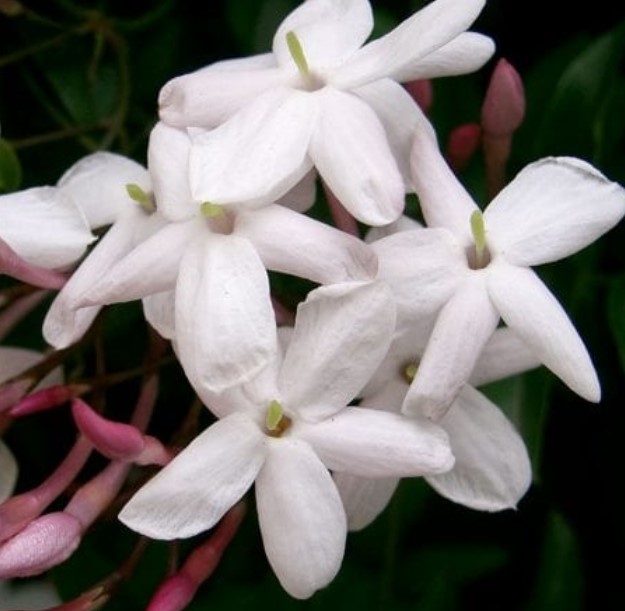
Spanish Jasmine (Royal Jasmine)
Jasminum grandiflorum
Highly fragrant jasmine with pure white star-shaped flowers used in world's fine...
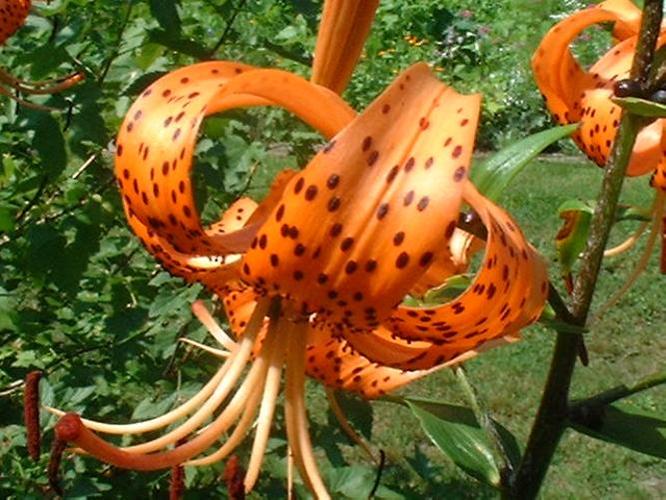
Tiger Lily
Lilium lancifolium
Spectacular summer-blooming bulb featuring vibrant orange flowers adorned with d...
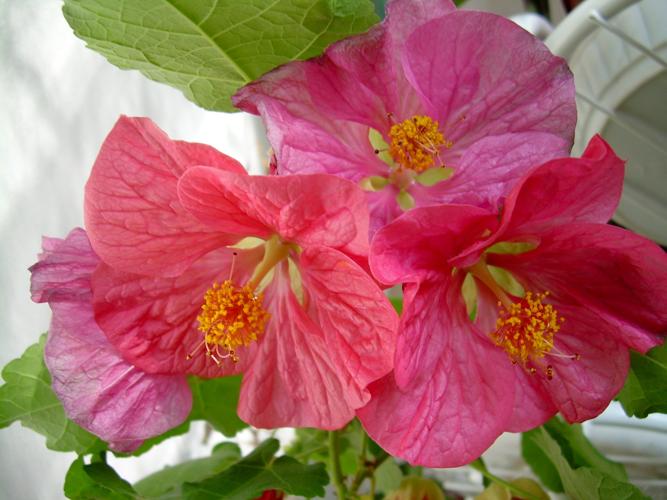
Mallow
Malva
Versatile medicinal herb with delicate cup-shaped flowers in pink, purple, or wh...
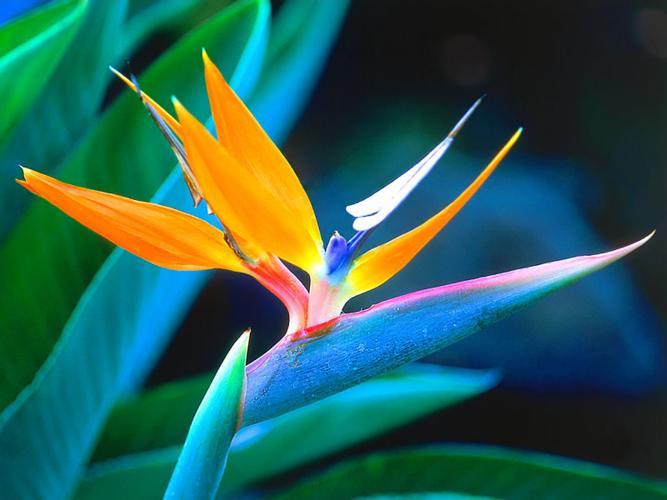
Bird of Paradise
Strelitzia reginae
Spectacular tropical perennial featuring exotic flowers that resemble a brightly...