
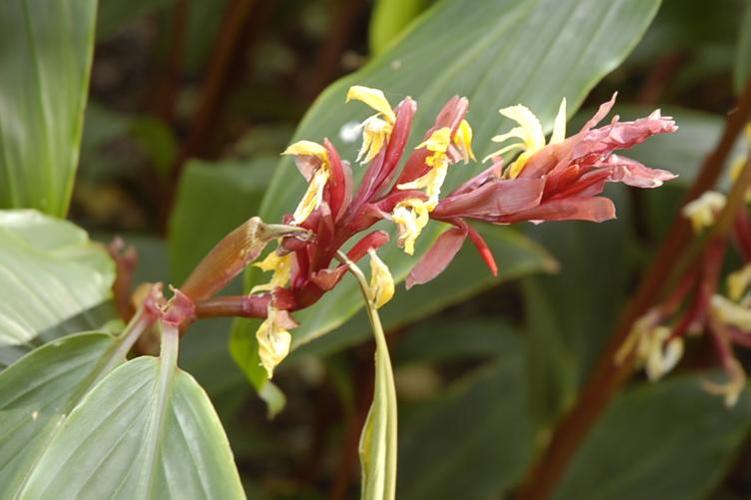
Spiked Shade Ginger
Cautleya spicata
Basic Details
Floral Formula & Features
Ebracteate (but showy bracts present), zygomorphic (bilateral symmetry), bisexual, 3 fused sepals forming tube, 3 fused petals (one modified as lip), 1 fertile stamen (plus sterile staminodes), 3 fused carpels with inferior ovary. Typical of Zingiberaceae family
- Named after Major General Sir Proby Cautley, British engineer in India. About 6 Cautleya species, all Himalayan. C. spicata most common in cultivation. Called 'Hardy Ginger' - survives freezing unlike tropical gingers. Related to turmeric and culinary ginger but not edible. Flowers arranged in spikes (hence 'spicata')
- Flowers 1-1.5 inches (2.5-4 cm) long, yellow, tubular with 3 lobes. Emerge from red to maroon bracts arranged in upright spikes 4-8 inches (10-20 cm) tall. Bracts provide color even after flowers fade. Blooms late summer-fall (August-October). Each spike has 10-20 flowers opening sequentially
- Herbaceous perennial growing from rhizomes. Lance-shaped leaves 6-12 inches long, bright green, arranged alternately on stems. Foliage resembles canna or calla lily. Flower spikes rise above or among leaves. Dies back to ground after frost. Rhizomes dormant in winter, regrow in spring
- Grows 12-24 inches (30-60 cm) tall in bloom. Spread 12-18 inches, slowly expanding. Lifespan many years from rhizomes. Propagated by division of rhizomes (spring) or seed. Divide every 3-4 years. Blooms second year from division. Slow to moderate growth rate
- Native to temperate Himalayas - Nepal, Bhutan, northern India, Tibet, southwestern China. Grows in mountain forests, shaded slopes at 6,000-10,000 feet (1,800-3,000 m) elevation. Cool, moist mountain habitat. Now cultivated in temperate gardens worldwide
- Requires partial to full shade (2-4 hours sun maximum). Needs cool, moist, well-drained soil rich in organic matter. Regular watering - keep soil consistently moist but not soggy. Mulch to retain moisture and keep roots cool. Hardy zones 7-9. Protect from hot afternoon sun and drying winds
- Excellent for shade gardens, woodland gardens, borders. Provides late-season color when many plants finished. Attracts hummingbirds and bees. Deer resistant. Good companion for hostas, ferns, astilbes. Rhizomes not invasive - well-behaved spreader. Low maintenance once established
- Plant rhizomes 2-3 inches deep in spring. Fertilize lightly in spring with organic fertilizer. Cut back dead foliage in late fall or early spring. Divide when clumps become crowded. Mulch in cold zones for winter protection. Very easy care - thrives with minimal attention. Symbolizes exotic beauty in cool climates
Names in Different Languages
What is Floral Formula?
A floral formula is a symbolic representation of a flower's structure using letters, numbers, and special symbols. It provides a concise way to describe the arrangement and number of floral parts.
This formula describes the flower's symmetry, sepals, petals, stamens, and carpels in a standardized format.
Formula Sequence
- Bract: Br or Ebr
- Bracteole: Brl or Ebrl
- Symmetry: % (Radial) or ⊕ (Bilateral)
- Sex: ♀ (Female), ♂ (Male), or ⚥ (Bisexual)
- Calyx/Sepal: K<number> (Free or Fused)
- Corolla/Petal: C<number> (Free or Fused)
- Androecium: A<number> (Free or Fused)
- Gynaecium: G<number> (Superior or Inferior Ovary)
Symbol Meanings
- Numbers: Indicate quantity of parts
- Parentheses (): Parts are fused together
- Plus (+): Parts in different whorls
- Underline: Superior ovary position
- Overline: Inferior ovary position
- ∞: Numerous parts (too many to count)
Understanding floral formulas helps botanists quickly identify and classify flowers based on their structural characteristics.
Similar Flowers
Discover flowers that share botanical characteristics
Same Family
2
Similar Characteristics
4
Pincushion
Scabiosa
Charming perennial with distinctive dome-shaped flower heads resembling a pincus...
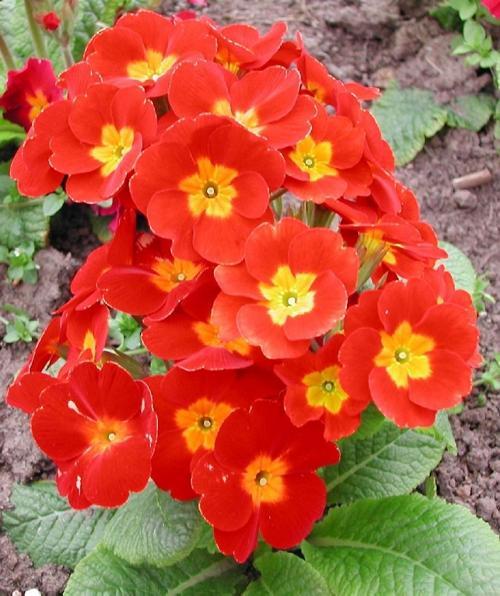
Primula (Common Primrose)
Primula vulgaris
Classic spring flower with pale yellow to cream blooms nestled in rosettes of wr...
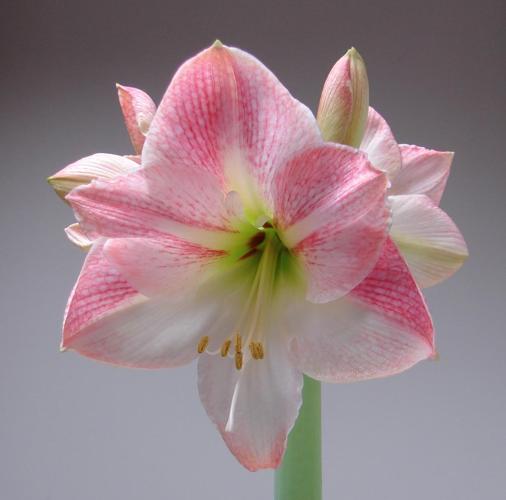
Amaryllis
Hippeastrum
Spectacular bulbous plant producing 2-6 large, trumpet-shaped flowers per stalk ...
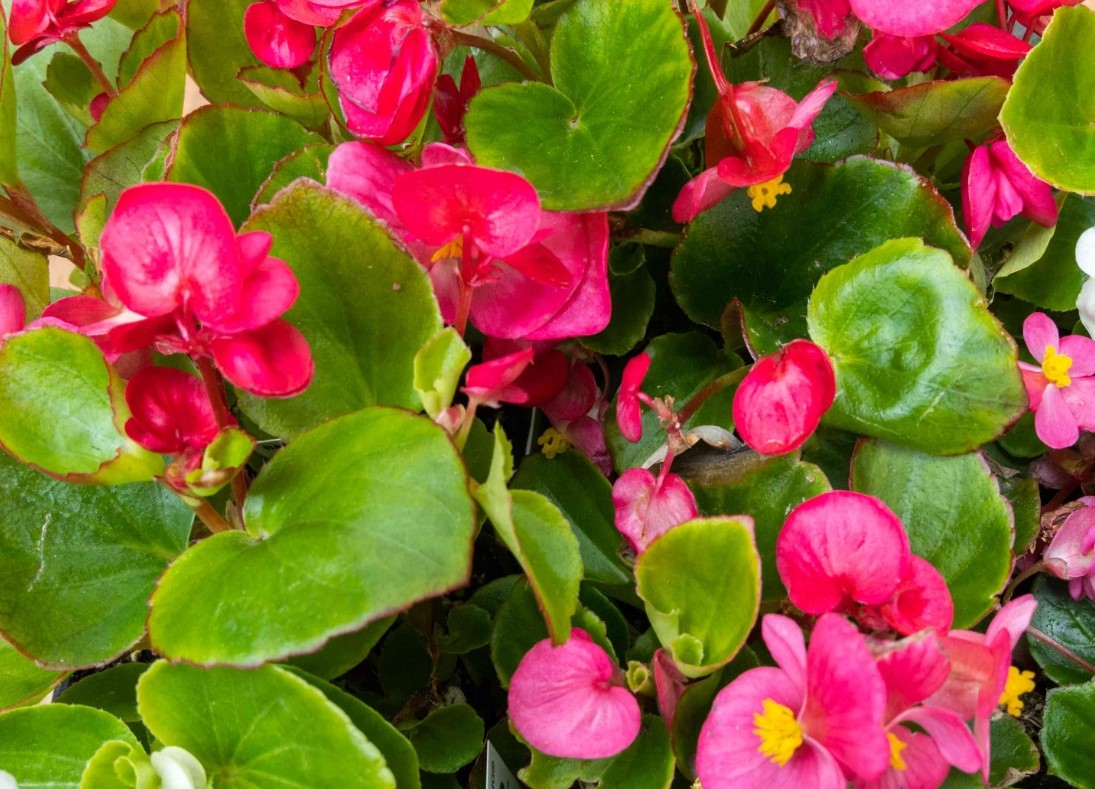
Begonia
Begonia
Versatile and diverse genus prized for both spectacular flowers and ornamental f...