
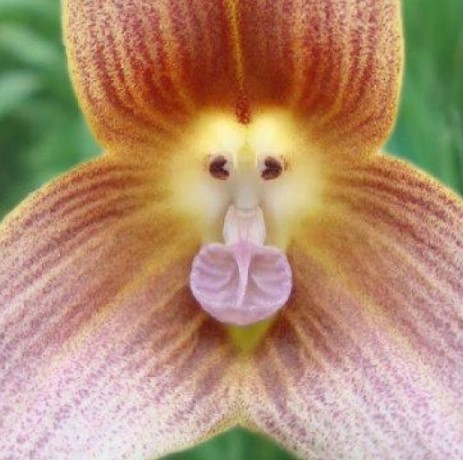
Monkey Orchid
Dracula simia
Basic Details
Floral Formula & Features
Bilaterally symmetrical, bisexual, 6 tepals in 2 whorls of 3 (3 sepals + 3 petals with one modified into lip), 1 stamen fused with style forming column, 3 fused carpels with inferior ovary typical of Orchidaceae
- Name 'Dracula' means 'little dragon' in Latin, referring to the fang-like spurs on the flowers, not the monkey-face appearance. Genus named by orchid expert Carlyle Luer in 1978. The species 'simia' means monkey-like, describing the anthropomorphic flower structure
- Flowers feature three large sepals that form the 'face,' with two petals creating 'eyes' and the lip forming a 'mouth.' Sepals often have long tails and are covered in fine hairs. Colors range from white to deep maroon with intricate spotting and veining
- Epiphytic perennial that grows from short rhizomes without pseudobulbs. Blooms sequentially throughout the year in ideal conditions, with each flower lasting 2-4 weeks. Flowers emerge from base of plant on pendant stems, often opening successively
- Compact plants grow 6-12 inches (15-30 cm) tall with thin, grass-like leaves. Individual flowers measure 2-6 inches across depending on species. Lifespan of 5-15 years with proper care. Propagated by division or from seed
- Native to cloud forests of Central and South America, particularly Ecuador, Colombia, and Peru, at elevations of 1,000-2,500 meters. Found growing on moss-covered trees in cool, misty conditions with constant high humidity
- Requires cool temperatures (50-70°F/10-21°C), high humidity (70-90%), and shade to filtered light. Must be kept constantly moist but with excellent air circulation. Best grown mounted on tree fern or in hanging baskets with sphagnum moss
- Many species emit mushroom or fungus-like scents to attract fungus gnats as pollinators, a form of deceptive pollination. Challenging to grow outside specialized greenhouses. Highly prized by collectors for their bizarre, face-like flowers
Names in Different Languages
What is Floral Formula?
A floral formula is a symbolic representation of a flower's structure using letters, numbers, and special symbols. It provides a concise way to describe the arrangement and number of floral parts.
This formula describes the flower's symmetry, sepals, petals, stamens, and carpels in a standardized format.
Formula Sequence
- Bract: Br or Ebr
- Bracteole: Brl or Ebrl
- Symmetry: % (Radial) or ⊕ (Bilateral)
- Sex: ♀ (Female), ♂ (Male), or ⚥ (Bisexual)
- Calyx/Sepal: K<number> (Free or Fused)
- Corolla/Petal: C<number> (Free or Fused)
- Androecium: A<number> (Free or Fused)
- Gynaecium: G<number> (Superior or Inferior Ovary)
Symbol Meanings
- Numbers: Indicate quantity of parts
- Parentheses (): Parts are fused together
- Plus (+): Parts in different whorls
- Underline: Superior ovary position
- Overline: Inferior ovary position
- ∞: Numerous parts (too many to count)
Understanding floral formulas helps botanists quickly identify and classify flowers based on their structural characteristics.
Similar Flowers
Discover flowers that share botanical characteristics
Same Family
4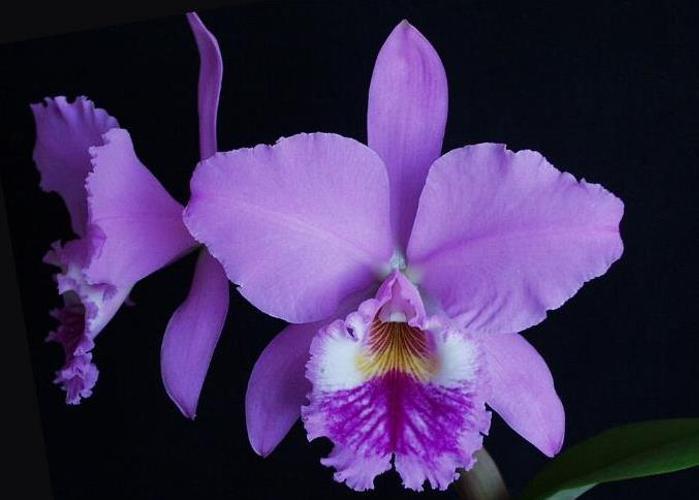
Ruby Lipped Cattleya
Cattleya labiata
Spectacular orchid known as Queen of Orchids with large fragrant blooms and dist...
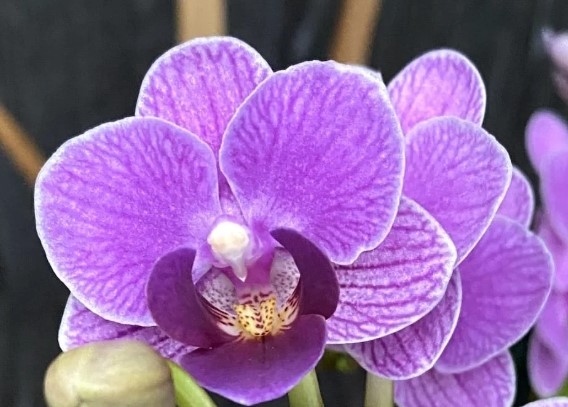
Phalaenopsis Orchid
Phalaenopsis
Popular and easy-to-grow orchid with elegant, moth-like flowers on gracefully ar...
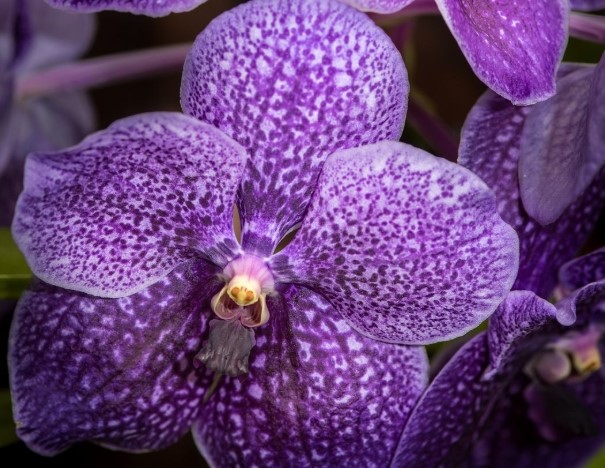
Vanda Orchid
Vanda
Spectacular tropical orchid renowned for large, flat-faced flowers in vibrant sh...
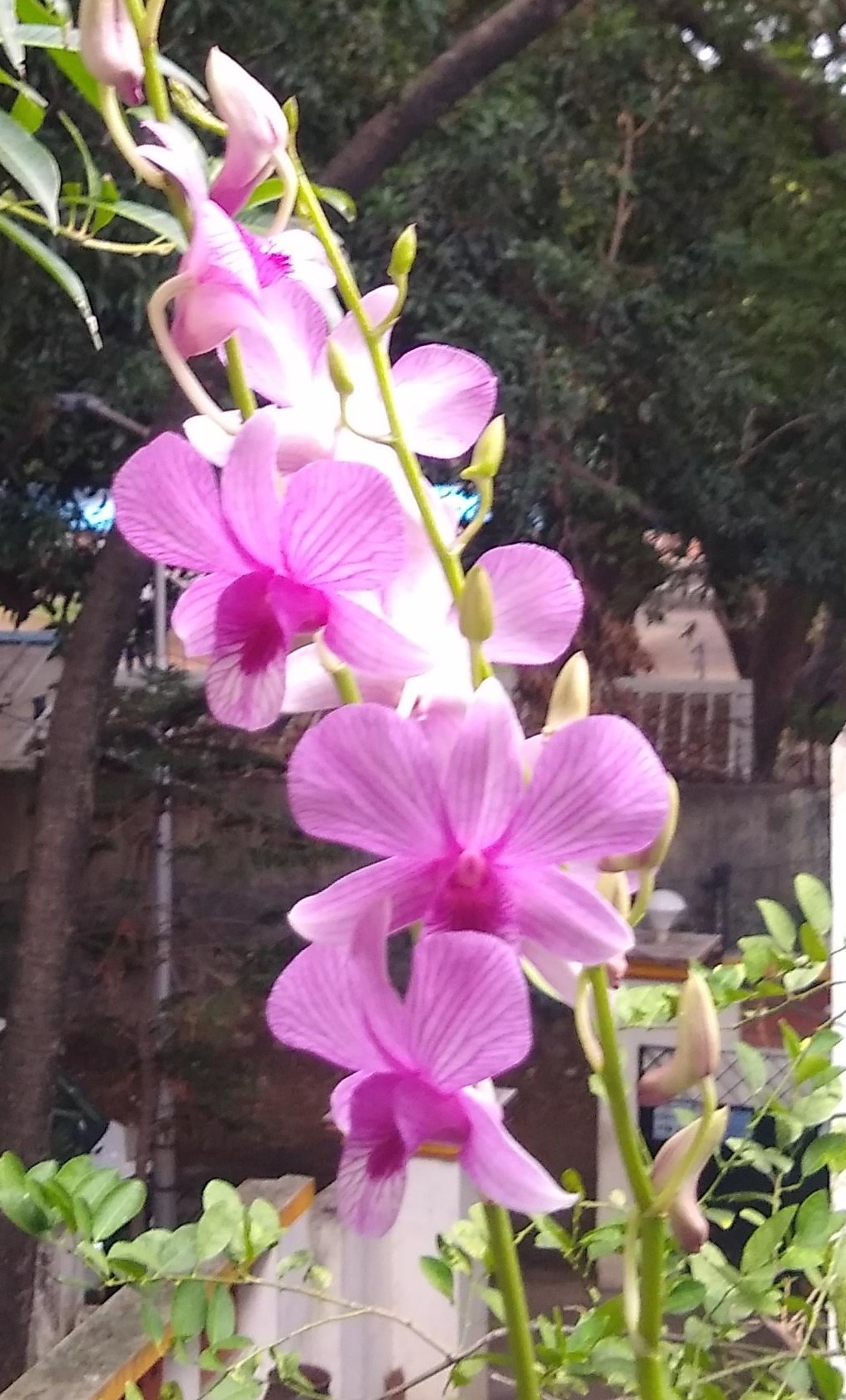
Dendrobium Orchid
Dendrobium
Diverse and popular orchid genus featuring elegant sprays of flowers along cane-...
Similar Characteristics
4Dendrobium Orchid
Dendrobium
Diverse and popular orchid genus featuring elegant sprays of flowers along cane-...
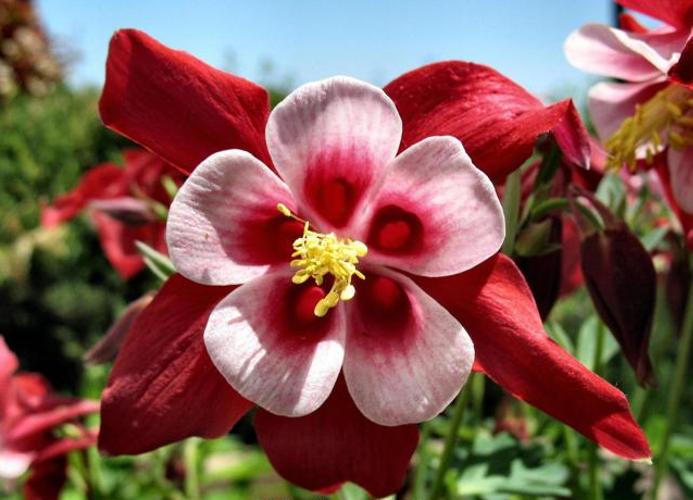
Cattleya orchids
Cattleya
Spectacular epiphytic orchids renowned as 'Queen of Orchids' for their large, sh...
Vanda Orchid
Vanda
Spectacular tropical orchid renowned for large, flat-faced flowers in vibrant sh...
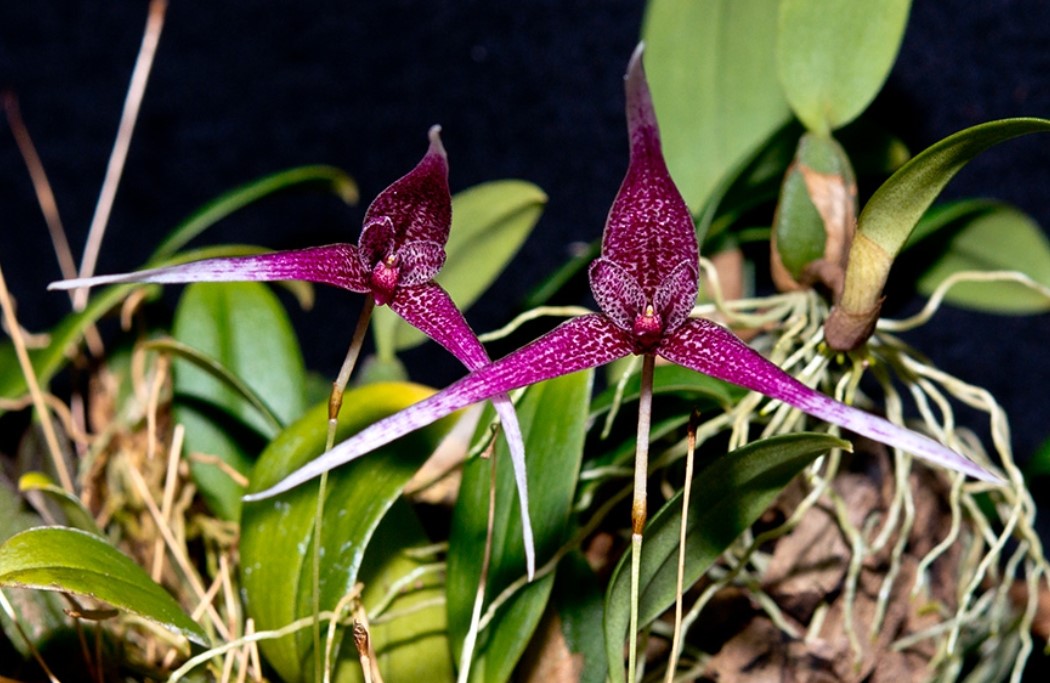
Bulbophyllum Orchid
Bulbophyllum
Fascinating and highly diverse orchid genus featuring some of the most bizarre a...