
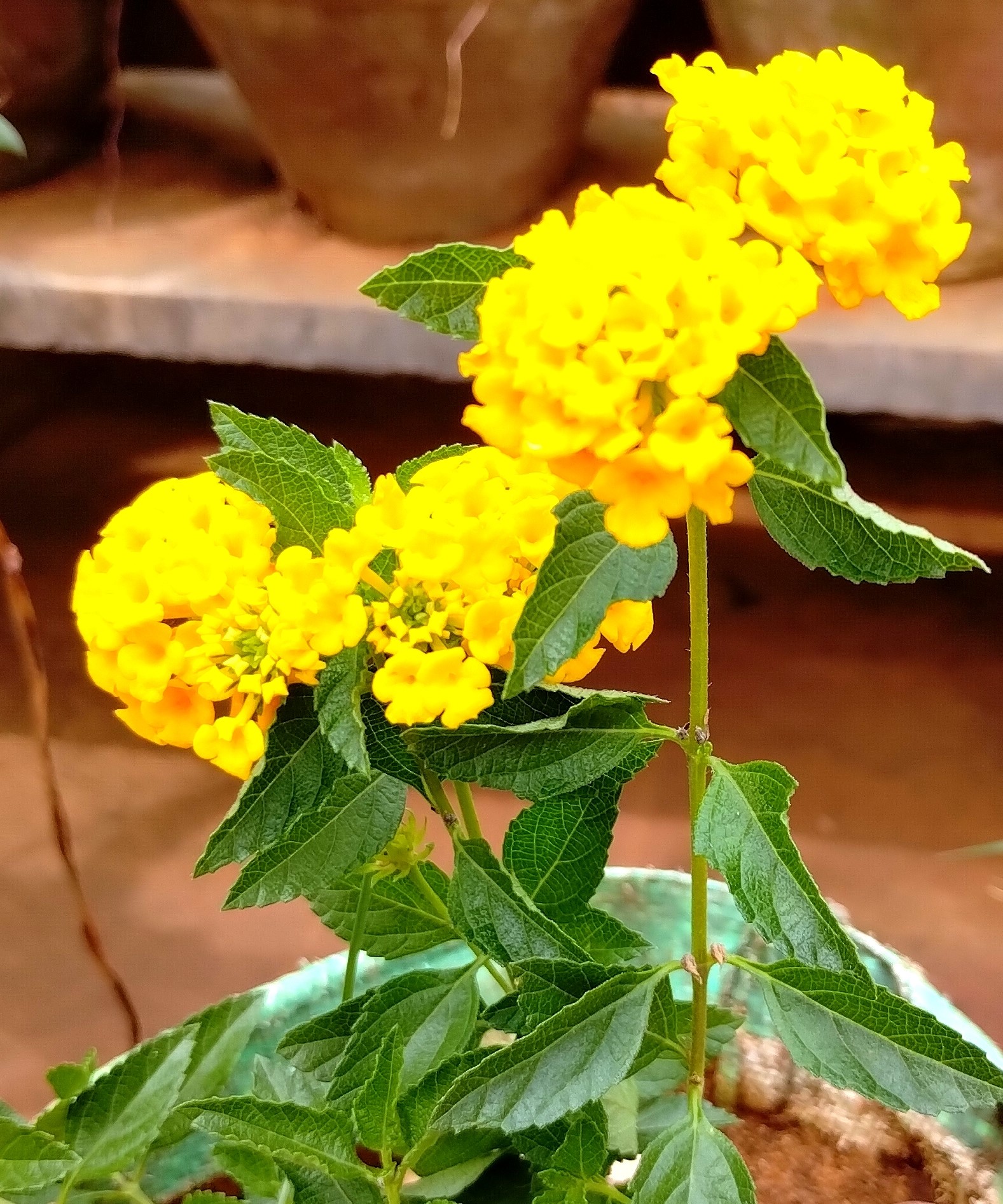
Lantana Camara
Lantana camara
Basic Details
Floral Formula & Features
Bracteate (small bracts present), bilaterally symmetrical (zygomorphic), bisexual, 5 fused sepals forming short calyx tube, 5 fused petals forming tube with 4-5 spreading lobes (slightly irregular), 4 stamens (didynamous - 2 long, 2 short), 2 fused carpels with superior ovary
- Name 'Lantana' from Latin name of unrelated Viburnum lantana (wayfaring tree) with similar-looking flowers. 'Camara' from Brazilian Portuguese. Called 'Wild Sage' for aromatic, sage-scented foliage. 'Spanish Flag' describes multicolored flowers. Over 650 cultivars developed. Listed among world's 100 worst invasive species
- Flowers 0.25-0.5 inches (6-12 mm) long, small tubular blooms with 4-5 spreading lobes arranged in dense, flat-topped or rounded clusters 1-2 inches across. Flowers change color as they age: typically open yellow or pink, mature to orange, red, or purple, creating multicolored effect. Blooms nearly year-round in tropics, spring through fall elsewhere
- Evergreen to semi-deciduous shrub with square stems (characteristic of mint family relatives). Fast-growing, reaching mature size in 1-2 years. Scrambling, sprawling habit; can climb if supported. Stems have small prickles. Aromatic leaves release strong, pungent scent when crushed or bruised
- Grows 2-6 feet (0.6-2 m) tall as shrub, can climb to 10-20 feet (3-6 m) if supported. Spread of 3-8 feet. Lifespan of 10-15+ years. Propagated easily from semi-hardwood cuttings (root in 2-3 weeks), seeds, or layering. Self-seeds prolifically, spreads aggressively
- Native to tropical Americas: Mexico, Central America, Caribbean, and northern South America (exact origin uncertain). Now naturalized and invasive in over 60 countries across Africa, Asia, Australia, Pacific islands, and southern United States. Thrives in disturbed habitats, roadsides, and forest edges
- Requires full sun (6-8 hours) for best flowering, tolerates partial shade. Extremely adaptable to various soil types. Drought, heat, and salt tolerant once established. Thrives in poor soil. Frost tender (damaged below 28°F/-2°C). Zones 8-11 outdoors, grown as annual or houseplant elsewhere
- Excellent butterfly and hummingbird attractor. Deer and rabbit resistant. Used in traditional medicine for various ailments (leaves, roots, flowers) but requires caution due to toxicity. Green berries extremely poisonous; ripe black berries less toxic but still dangerous. Plant sap causes phototoxic dermatitis in some people
- Invasive in many tropical and subtropical regions, forming dense thickets that displace native vegetation. Allelopathic (releases chemicals inhibiting other plants). Banned or restricted in some countries/states. Sterile cultivars developed to reduce invasiveness. Despite problems, remains popular ornamental for continuous color and pollinator attraction
Names in Different Languages
What is Floral Formula?
A floral formula is a symbolic representation of a flower's structure using letters, numbers, and special symbols. It provides a concise way to describe the arrangement and number of floral parts.
This formula describes the flower's symmetry, sepals, petals, stamens, and carpels in a standardized format.
Formula Sequence
- Bract: Br or Ebr
- Bracteole: Brl or Ebrl
- Symmetry: % (Radial) or ⊕ (Bilateral)
- Sex: ♀ (Female), ♂ (Male), or ⚥ (Bisexual)
- Calyx/Sepal: K<number> (Free or Fused)
- Corolla/Petal: C<number> (Free or Fused)
- Androecium: A<number> (Free or Fused)
- Gynaecium: G<number> (Superior or Inferior Ovary)
Symbol Meanings
- Numbers: Indicate quantity of parts
- Parentheses (): Parts are fused together
- Plus (+): Parts in different whorls
- Underline: Superior ovary position
- Overline: Inferior ovary position
- ∞: Numerous parts (too many to count)
Understanding floral formulas helps botanists quickly identify and classify flowers based on their structural characteristics.
Similar Flowers
Discover flowers that share botanical characteristics
Same Family
2
Similar Characteristics
4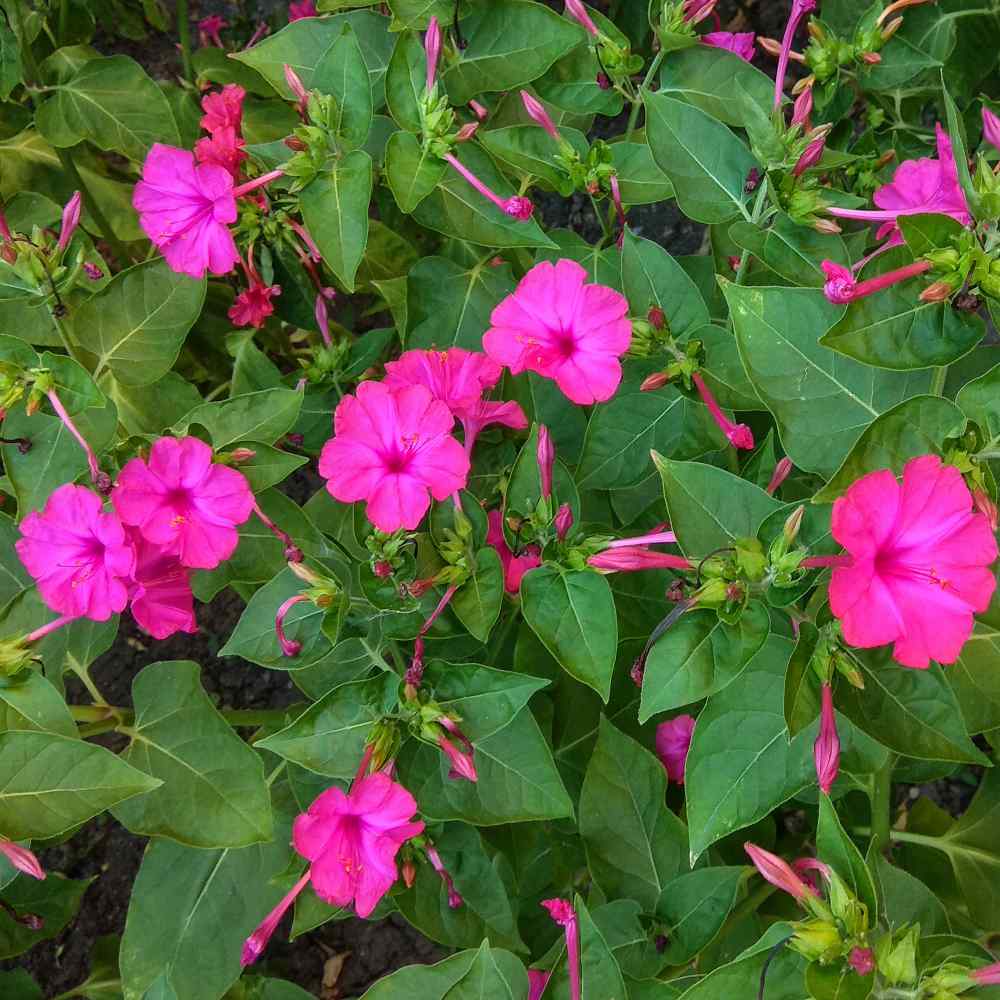
Four o'clock
Mirabilis jalapa
Charming bushy perennial named for flowers that open in late afternoon (typicall...
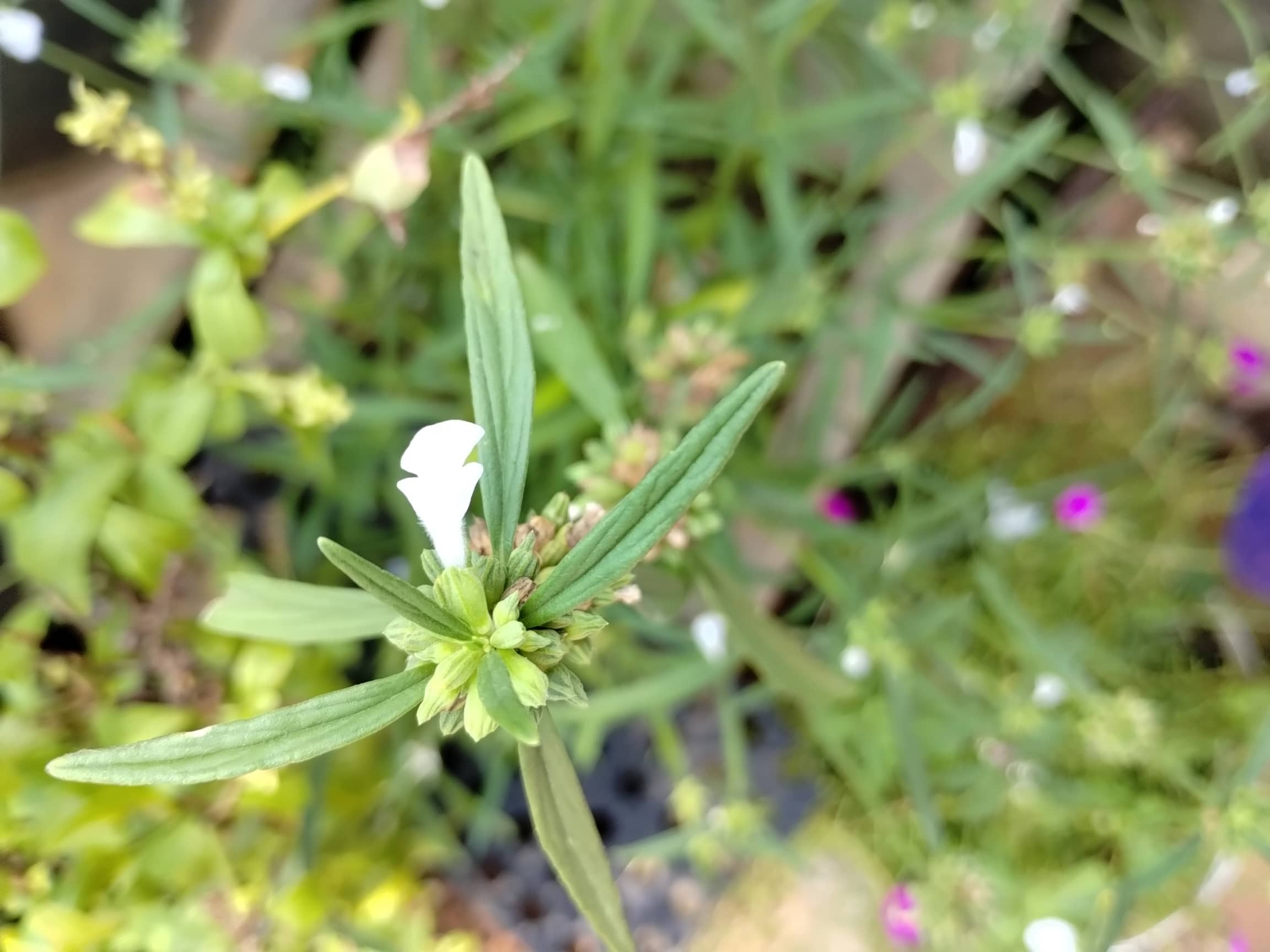
Leucas Aspera
Leucas aspera
Common medicinal herb featuring dense whorls of small, white, two-lipped flowers...
Pincushion
Scabiosa
Charming perennial with distinctive dome-shaped flower heads resembling a pincus...
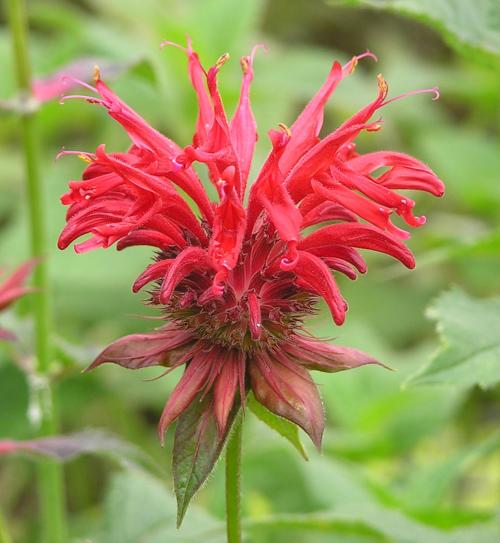
Beebalm
Monarda didyma, Mentha longifolia
Showy perennial herb featuring dense, pom-pom-like clusters of tubular flowers i...