
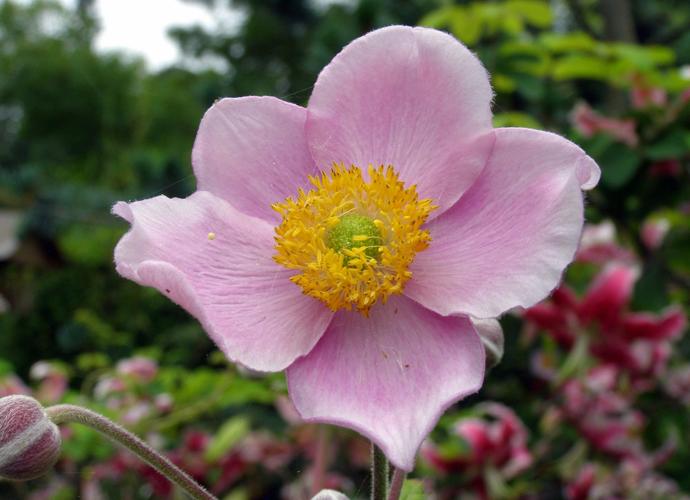
Japanese anemone
Anemone hupehensis, Anemone hybrida
Basic Details
Floral Formula & Features
Ebracteate (no bracts), radially symmetrical (actinomorphic), bisexual, no sepals, 5-20 petal-like sepals (tepals, no true petals), numerous stamens, numerous free carpels (apocarpous) with superior ovaries
- Name 'Anemone' from Greek 'anemos' (wind), as flowers sway on slender stems. 'Japanese Anemone' misnomer—actually native to China, introduced to Japan, then to West via Japan. Recently reclassified from Anemone to Eriocapitella genus. About 15 species. Cultivated in China for centuries
- Flowers 2-3 inches (5-7.5 cm) across, saucer or cup-shaped with 5-20 petal-like sepals (no true petals). Colors include white, pink, rose, and mauve, often with contrasting yellow stamens in center. Single, semi-double, or double forms. Blooms late summer through fall (August-October). Flowers held on wiry stems 2-4 feet above foliage
- Herbaceous perennial that blooms late summer to fall, filling gap when most perennials finished. Dies back in winter. Long-lived (30+ years). Spreads slowly by rhizomes to form colonies. Takes 2-3 years to establish, then vigorous. Attractive, grape-like foliage spring through fall
- Grows 2-5 feet (60-150 cm) tall in bloom, foliage 12-18 inches. Spread of 2-3 feet, can spread wider over time. Lifespan of 30+ years. Propagated from root cuttings, division (difficult, resents disturbance), or seed (slow, variable). Best left undisturbed
- Native to central and western China. A. hupehensis from Hubei province. Introduced to Japan centuries ago, then to Europe in 1840s. Now naturalized in some temperate regions. Found in woodland edges, meadows, and mountainous areas
- Prefers partial shade to full shade (tolerates sun in cool climates). Needs consistently moist, well-drained, humus-rich soil. Water regularly; doesn't tolerate drought. Mulch to retain moisture. Takes 2-3 years to establish—don't disturb. Hardy zones 4-8
- Excellent for shade gardens, woodland gardens, and borders. Blooms when few other perennials flower. Good cut flower (lasts 5-7 days). Attracts bees and butterflies. Deer and rabbit resistant. Low maintenance once established. Combines beautifully with hostas, ferns, and other shade plants. Symbolizes forsaken love
Names in Different Languages
What is Floral Formula?
A floral formula is a symbolic representation of a flower's structure using letters, numbers, and special symbols. It provides a concise way to describe the arrangement and number of floral parts.
This formula describes the flower's symmetry, sepals, petals, stamens, and carpels in a standardized format.
Formula Sequence
- Bract: Br or Ebr
- Bracteole: Brl or Ebrl
- Symmetry: % (Radial) or ⊕ (Bilateral)
- Sex: ♀ (Female), ♂ (Male), or ⚥ (Bisexual)
- Calyx/Sepal: K<number> (Free or Fused)
- Corolla/Petal: C<number> (Free or Fused)
- Androecium: A<number> (Free or Fused)
- Gynaecium: G<number> (Superior or Inferior Ovary)
Symbol Meanings
- Numbers: Indicate quantity of parts
- Parentheses (): Parts are fused together
- Plus (+): Parts in different whorls
- Underline: Superior ovary position
- Overline: Inferior ovary position
- ∞: Numerous parts (too many to count)
Understanding floral formulas helps botanists quickly identify and classify flowers based on their structural characteristics.
Similar Flowers
Discover flowers that share botanical characteristics
Same Family
4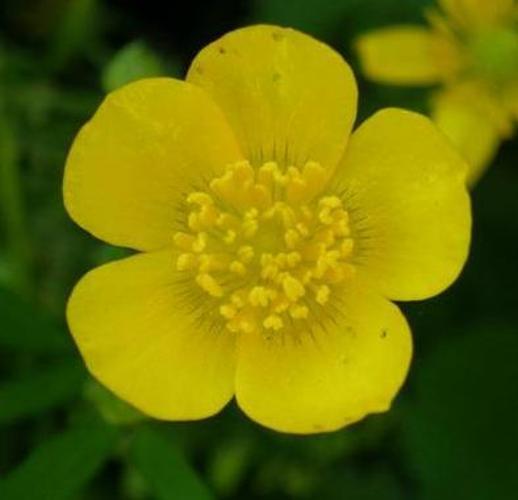
Meadow Buttercup
Ranunculus acris
Common wildflower with bright golden-yellow cup-shaped blooms featuring glossy, ...
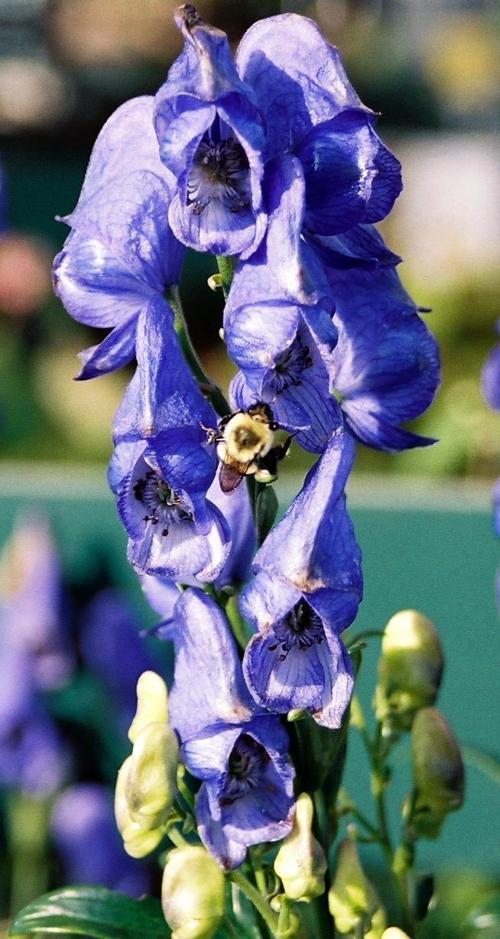
Monkshood
Aconitum napellus
Strikingly beautiful but DEADLY POISONOUS perennial with distinctive helmet or h...
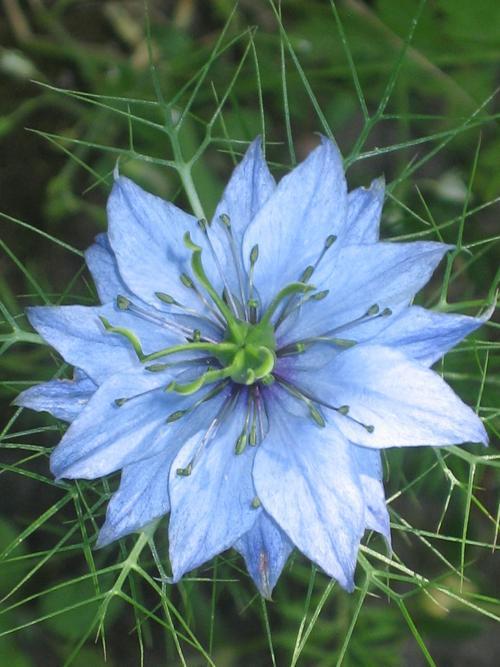
Love in a mist
Nigella damascena
Charming cottage garden annual featuring delicate jewel-like flowers in shades o...
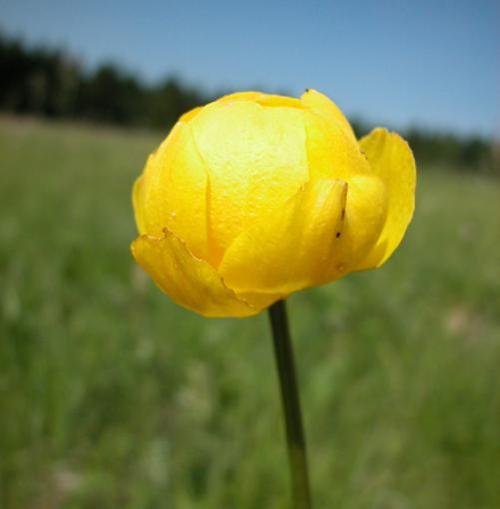
Globe flower
Trollius
Charming perennial featuring perfectly spherical, globe-shaped flowers resemblin...
Similar Characteristics
4Monkshood
Aconitum napellus
Strikingly beautiful but DEADLY POISONOUS perennial with distinctive helmet or h...
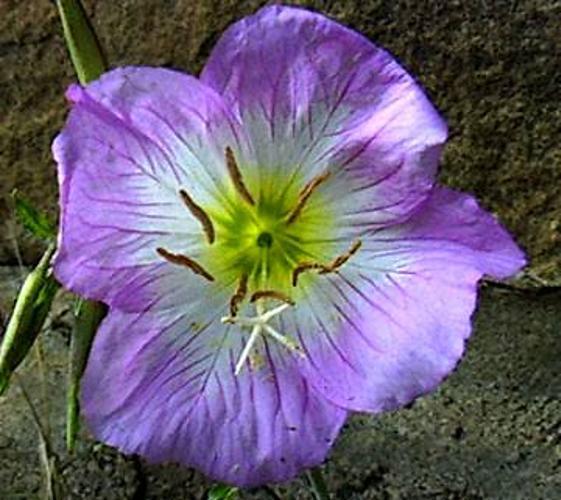
Primrose (Cowslip)
Primula veris
Cheerful spring wildflower with clusters of nodding yellow flowers on tall stems...
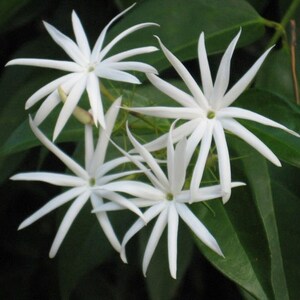
AngelWing Jasmine (Star Jasmine)
Jasminum laurifolium, Jasminum nitidum
Unique jasmine with spectacular star or pinwheel-shaped flowers having 10-12 nar...
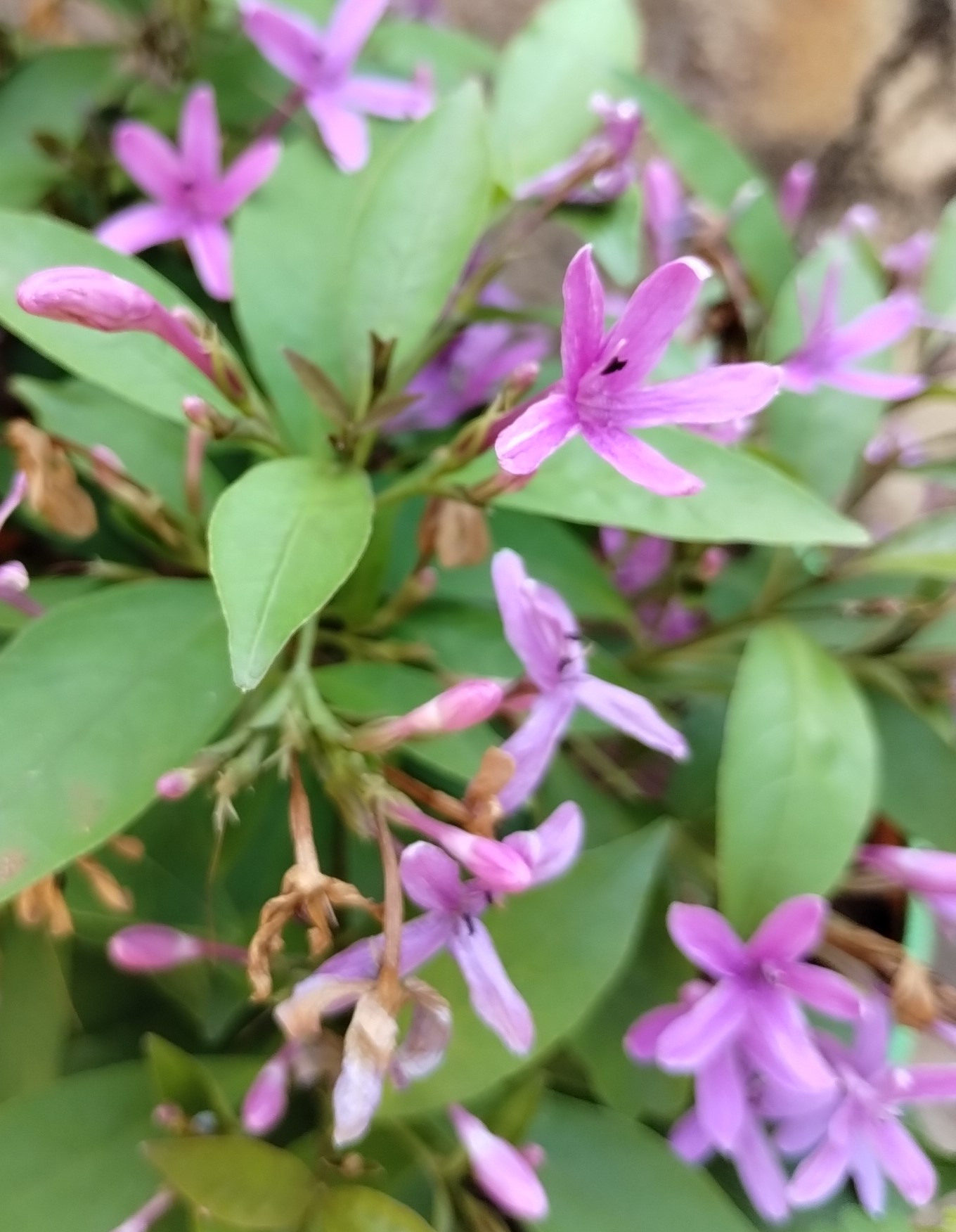
Pseuderanthemum
Pseuderanthemum
Striking tropical perennial shrub prized for its spectacular ornamental foliage ...